


This week began where last week ended — in fear. The Islamabad talks had collapsed. The blockade was in place. Washington and Tehran were both telling different stories about what had almost been agreed. The obvious question was when the guns would resume. They did not. The ceasefire held, which tells you something important: both sides had enough, even if neither was willing to say so.
With the Middle East in an uneasy pause, I turned my attention elsewhere this week. To China, which has spent nine years quietly renaming Indian territory as its own and counting on the world being too distracted to notice. To Israel, whose diplomatic cover is not collapsing one nation at a time. And to Ukraine — the war the world seems to have forgotten — which did not lose on the battlefield. It lost it in a bargain Washington made on February 28, at a table Ukraine was never invited to.
While guns in the Middle East paused this week. Everything else kept moving.
Five pieces. Here is what I was thinking when I wrote each one.
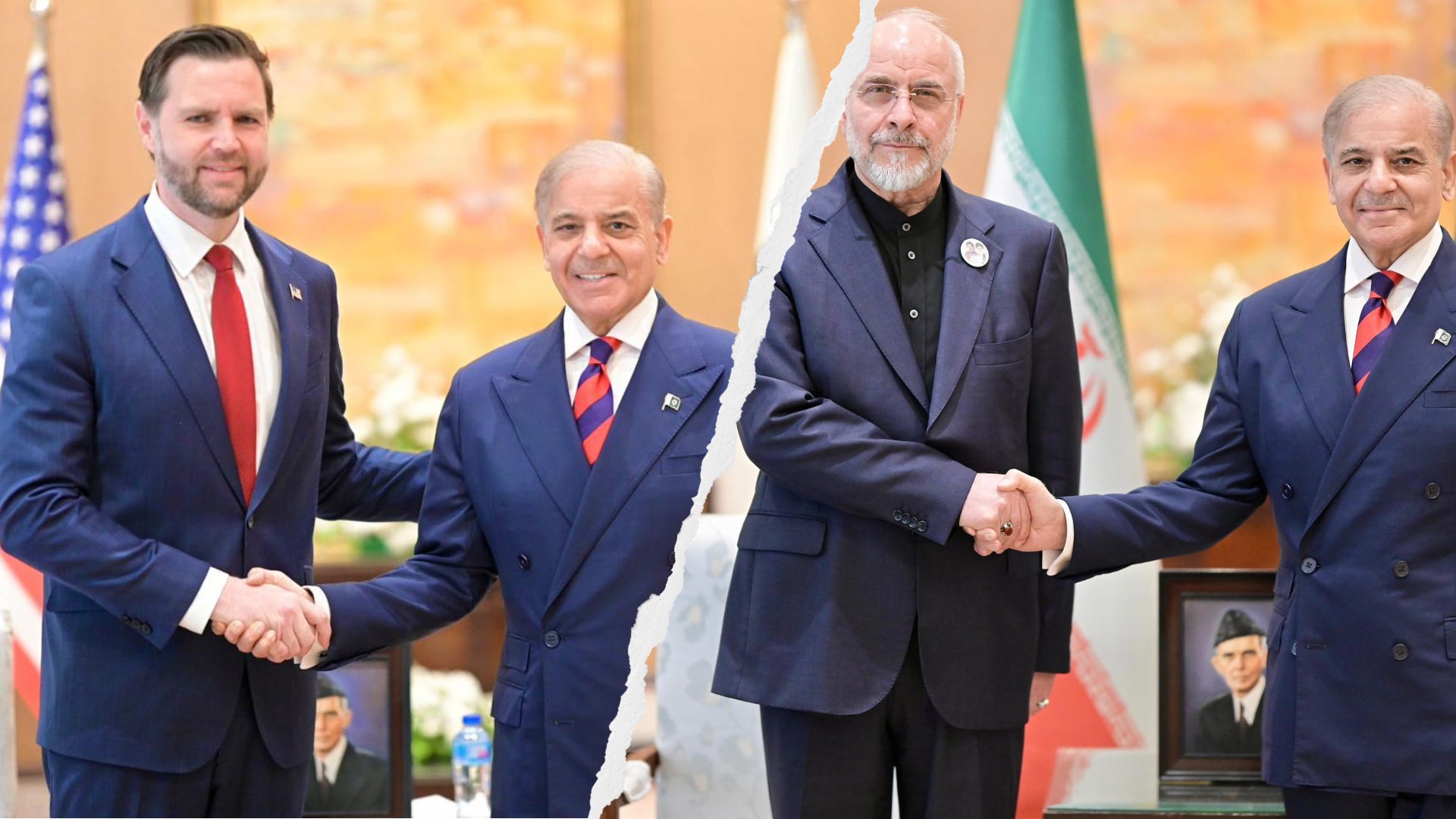
What Tehran Already Knew
The failure of the Islamabad talks has been framed almost universally as Iran’s refusal to accept a reasonable offer. I pushed back on that framing. Washington wanted surrender dressed as negotiation. Tehran wanted recognition dressed as concession. Twenty-one hours in a Serena Hotel ballroom was never going to close that distance. What Islamabad produced was not a deal. It was the highest-level direct contact between Washington and Tehran since 1979 — which is something, though considerably less than what the world needed. The door has not been shut. It has been left open by people who are not entirely sure they want anyone to walk through it. Read it here
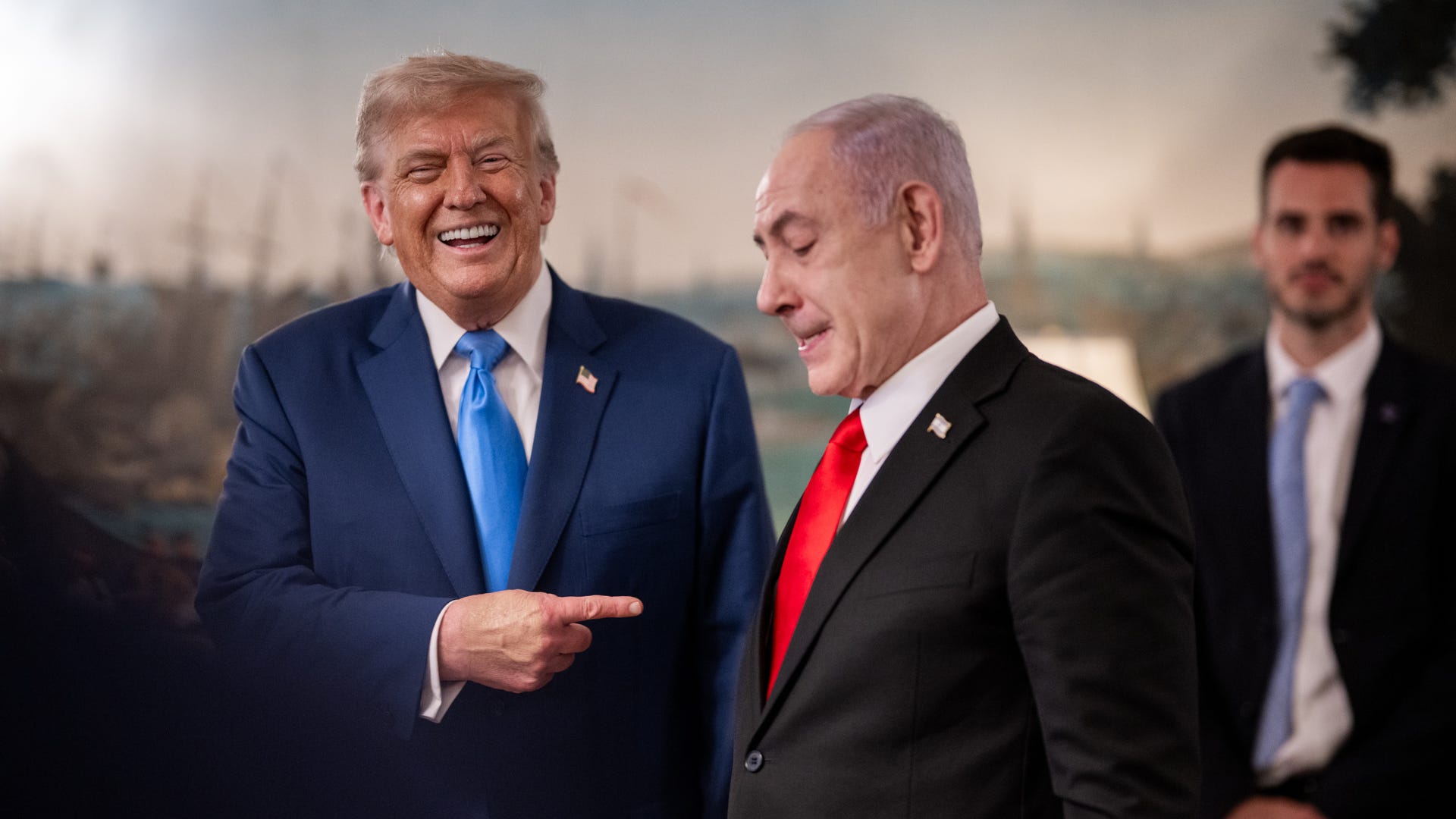
God, Israel and the Rest of Us
Pope Leo XIV stood in a cathedral in Cameroon and called out the tyrants spending billions on war. Donald Trump posted an AI-generated image of himself as Christ and then deleted it. JD Vance, a converted Catholic, told the Pope to stay out of politics. I wrote this piece because something theological has attached itself to this conflict — its participants are beginning to narrate it in eschatological terms, pressing the sacred into the service of the military. That is worth paying attention to. Wars that acquire religious grammar tend to outlast their ceasefires. Read it here
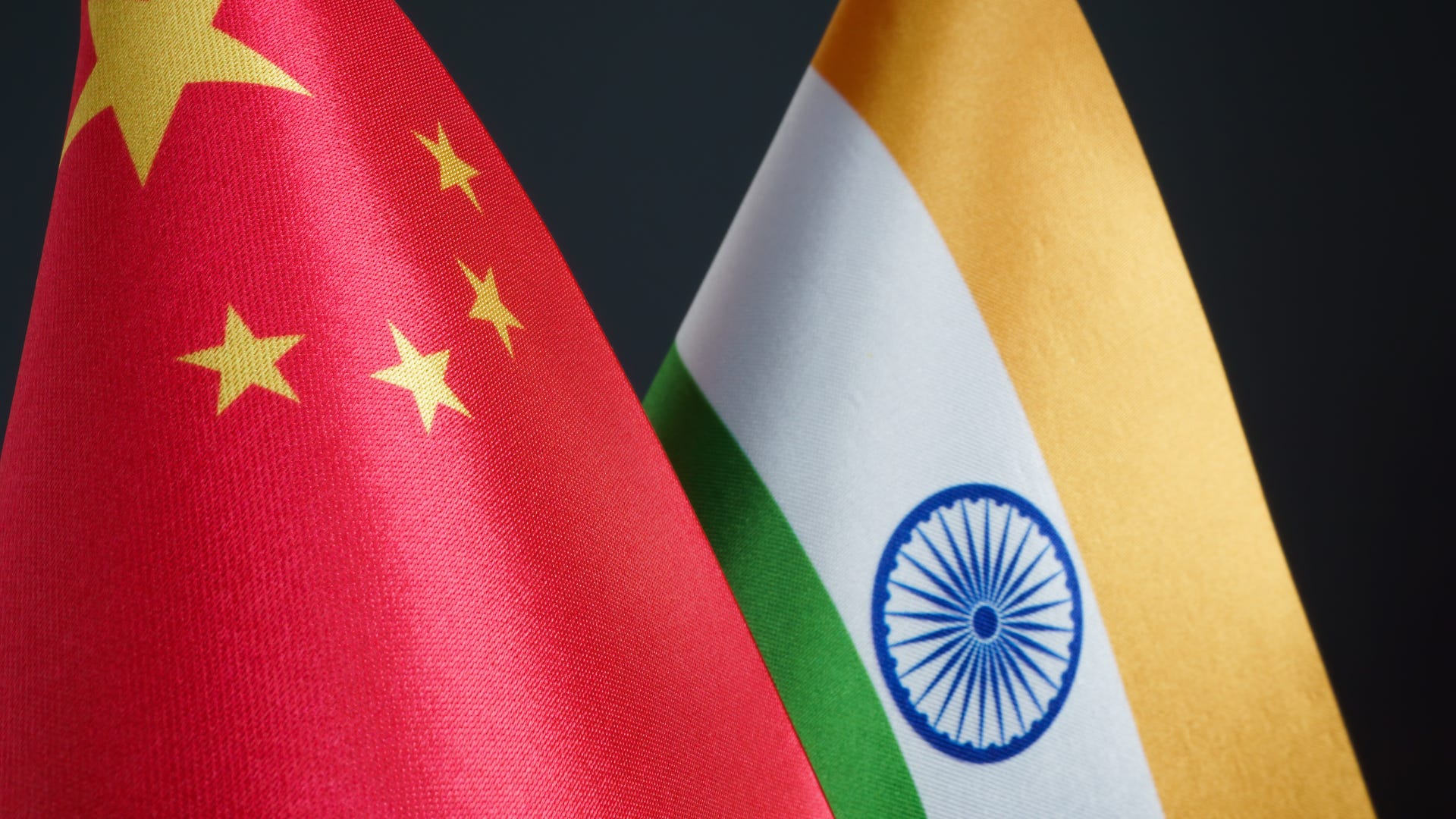
The Slow Siege
For the sixth time since 2017, China published a list of renamed locations in Arunachal Pradesh — a state it does not administer, does not police and does not govern. India called it mischievous. I argued that is precisely the point. Beijing is not making a cartographic argument. It is making a temporal one. Names become records, records become maps, maps become references, references become positions. India is right to reject these names. It is wrong to treat them as meaningless. Meaning is not in the map. It is in the repetition. Read it here
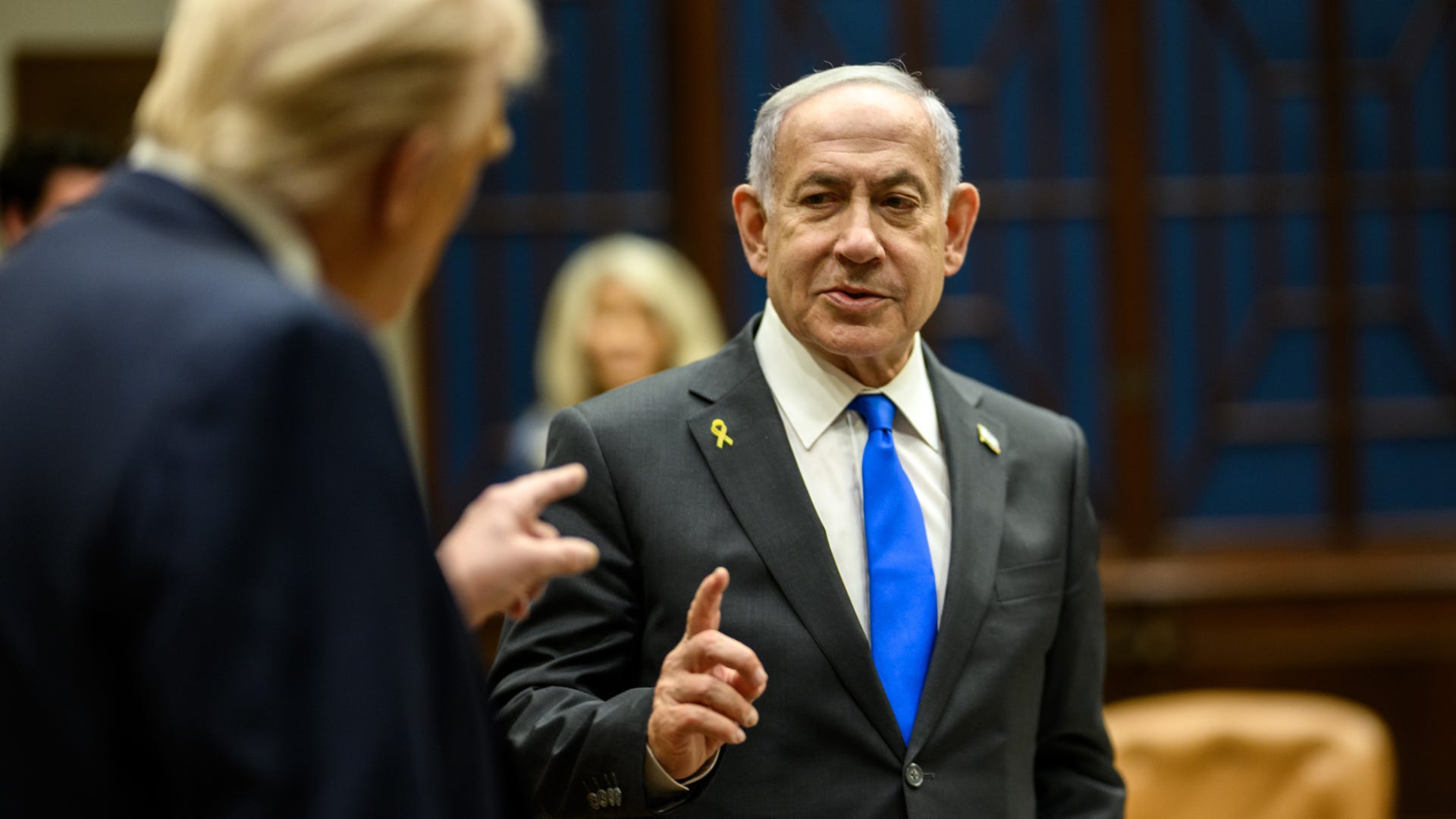
No One Left to Veto
The architecture of diplomatic protection that sustained Israel’s freedom of action for decades is not collapsing. It is being quietly vacated, one nation as time. There is a difference, and the difference matters enormously for what comes after this ceasefire. I wrote this piece because the erosion is not happening through dramatic rupture — no single government has broken with Israel in a defining way. It is happening through accumulated fatigue, quiet abstention and the growing unwillingness of governments to absorb the political cost of defending the indefensible. At some point, the absence of a veto is itself a verdict. Read it here
Lost in the Bargain
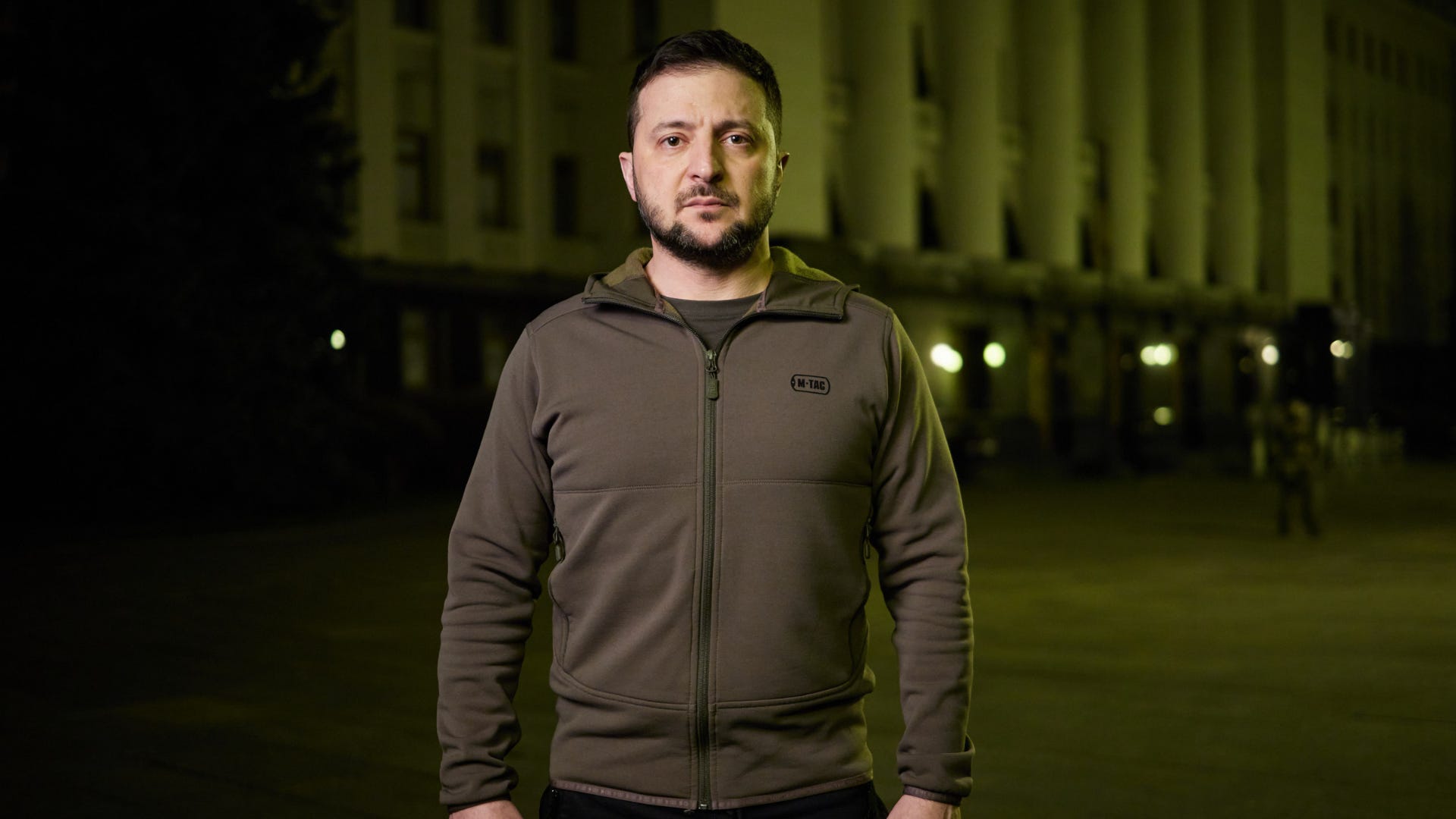
Ukraine did not lose this war on the battlefield. It lost it in the bargain Washington made on February 28. The Iran war handed Russia an oil windfall it could not have engineered alone, pulled Patriot systems away from Ukrainian cities at the moment Russia escalated its ballistic missile campaign to its highest intensity in four years, and gave Washington a reason to want Moscow manageable. Nobody voted to abandon Ukraine. Washington simply found something it wanted more. I found this one the hardest to write. There is something particularly dispiriting about watching a country do everything asked of it and still discover that doing everything asked is not the same as being indispensable. Read it here
The guns paused this week. The arguments did not. That is usually how it goes.
Read. Think. React. No neutrality. No noise. Just argument. Until next Saturday.
Sunny Peter
Editor, DiploPolis.com