


This was a week for watching the architecture of power at work — often in disguise. A blockade wearing a ceasefire as a costume. A military alliance whose eastern flank shifted without a shot being fired. A country that survived Hiroshima deciding it had learned the wrong lesson. A war extended indefinitely by a president who is, by his own words, raring to go. And a Pope, inside the room where the resource curse lives, delivering the most honest speech anyone gave all year.
Five pieces and my reasoning behind each.
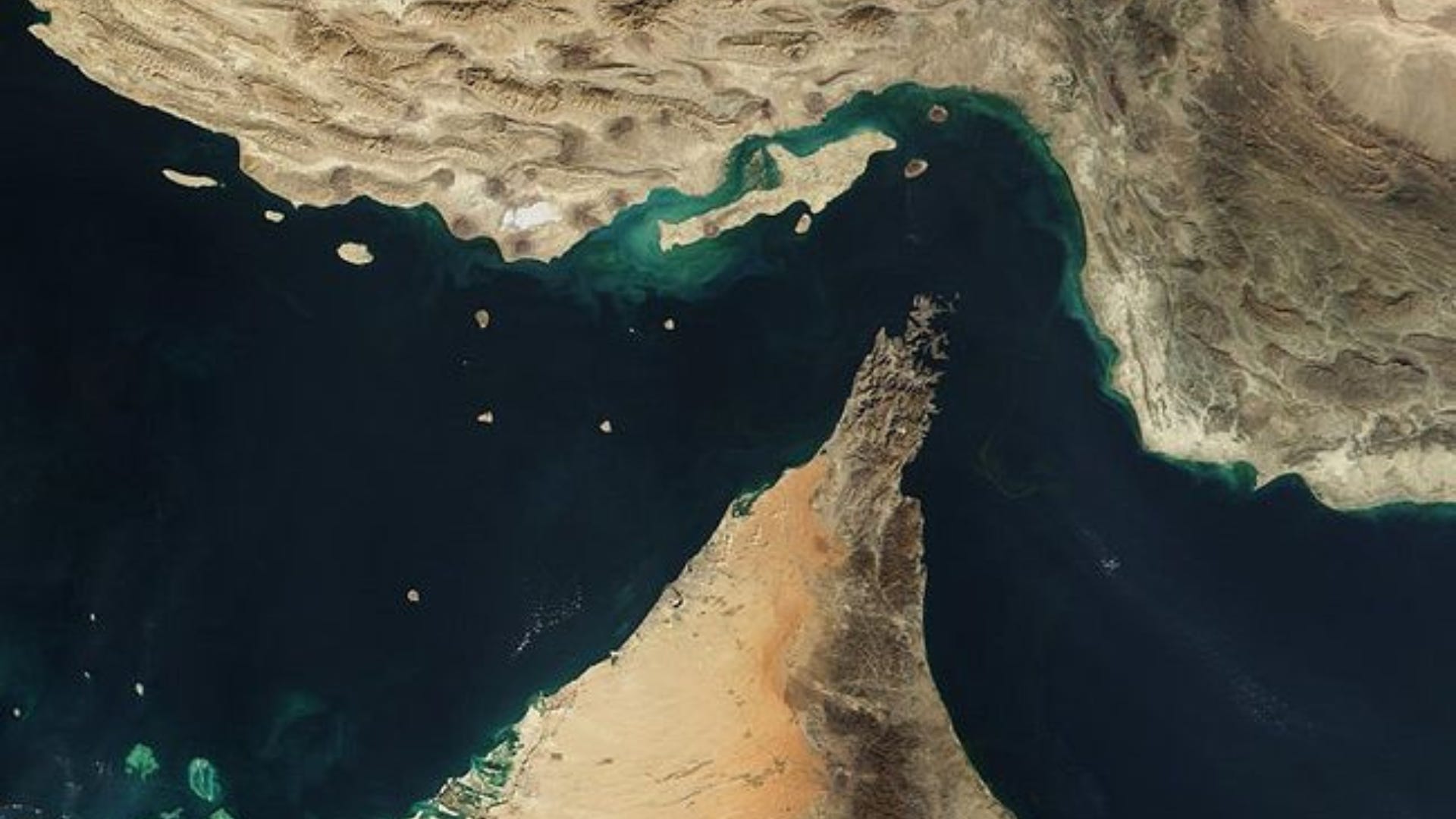
The Blockade Is the War
Iran did the one thing Washington demanded as the price of peace. It opened the Strait of Hormuz. Within 24 hours it closed it again — not because it changed its mind, but because a naval blockade that Washington’s own military described as completely halting Iran’s seaborne trade made compliance meaningless. I kept returning to one question while writing this: what is the word for a peace agreement whose terms cannot be met because one party is simultaneously destroying the other’s capacity to meet them? The word is not diplomacy. The ceasefire did not fail. It was never meant to succeed. Read it here
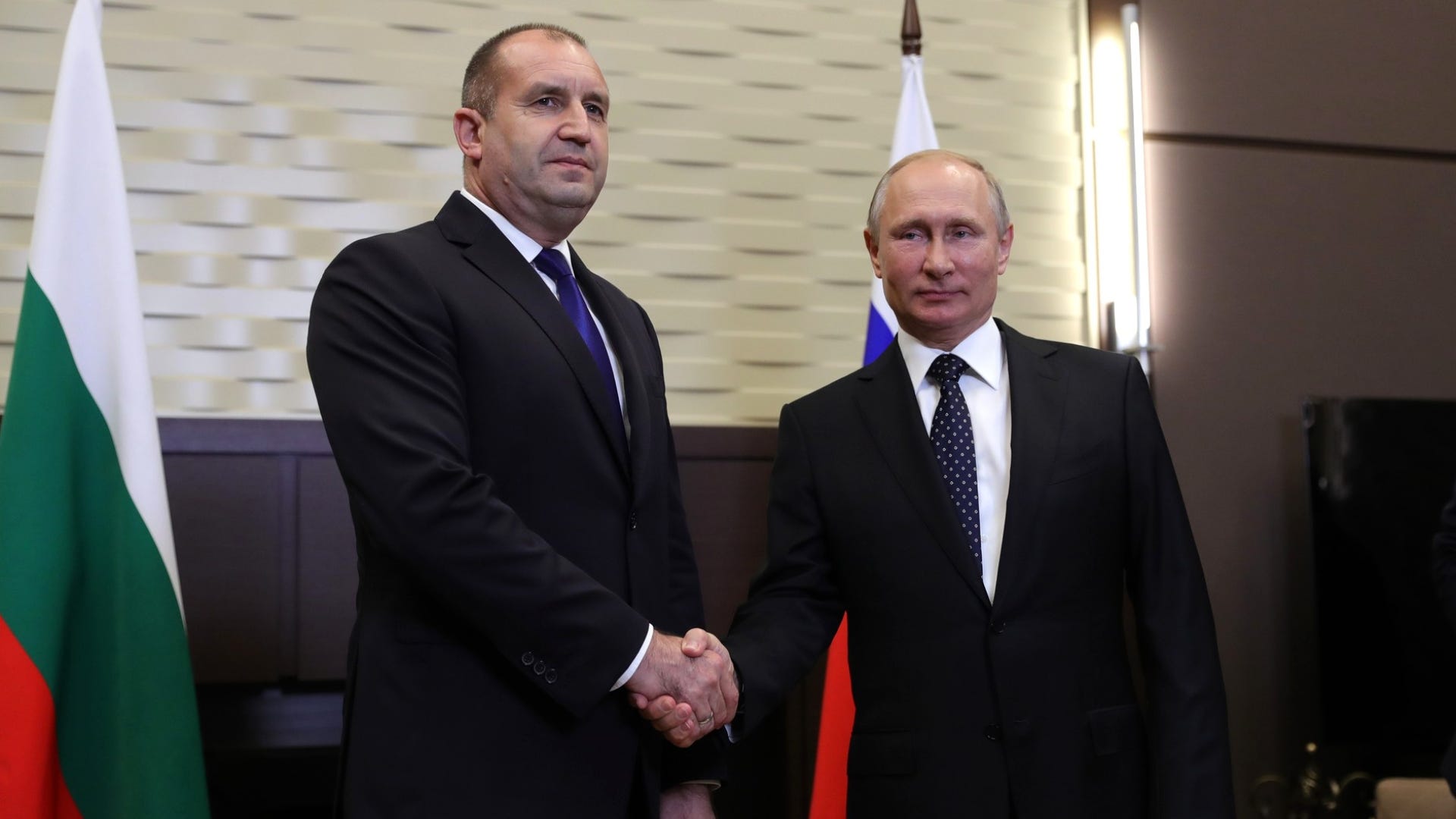
The Black Sea Just Got Complicated
While Brussels spent the week congratulating itself on the containment of Viktor Orbán, Rumen Radev secured 44.7 per cent of the vote in Bulgaria on a platform of resuming Russian gas flows and opposing arms for Ukraine. TurkStream — now the only pipeline through which Russia directly supplies Europe — enters the EU at the Turkish–Bulgarian border. American bombers rotate just 200 miles from Crimea at Bezmer Air Base. Radev has already described the Ukraine security agreement signed by his predecessor as a risk to national security. Moscow did not lose a veto point inside the European Union. It exchanged one for another. The new one sits on the Black Sea. Brussels has yet to notice. Read it here
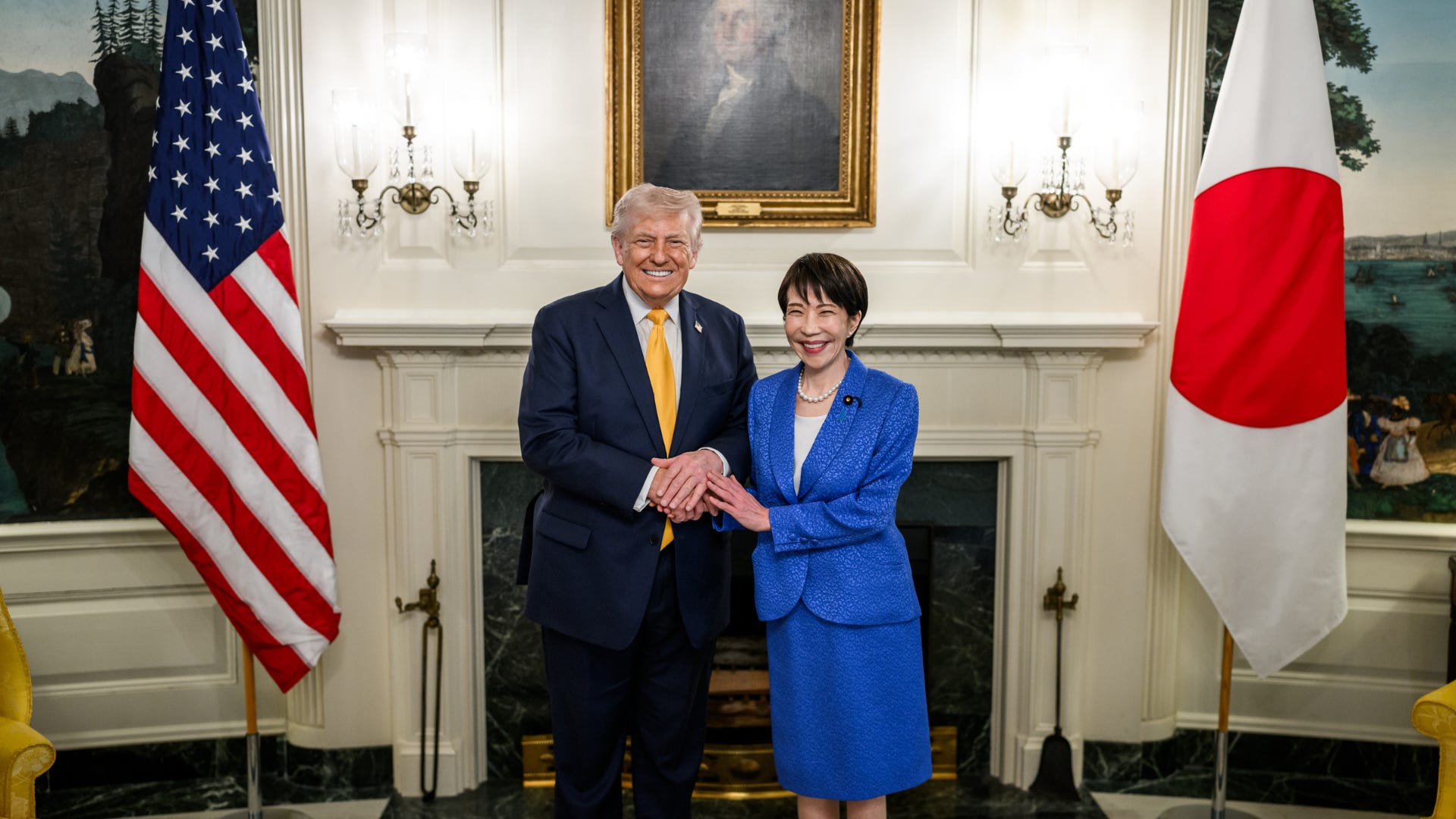
Japan Chose Its Lesson
Eighty years ago, Japan was bombed into pacifism. On Tuesday, it voted its way out. The argument here is not complicated. It is simple. Writing it was the harder part. The difficulty is not the argument, but what follows from it. Japan looked at Tehran’s ruins and drew its own conclusions. The conclusions are not wrong. But the country that survived Hiroshima and Nagasaki, that wrote pacifism into its constitution as an act of civilisational conscience, has decided that the lesson of 1945 was not the horror of war. It was the horror of losing one. That is the lesson the Iran war is teaching every government that can afford to buy it. Japan just decided it would rather sell. Read it here
Until Such Time As
On Tuesday, Trump announced the United States would extend the ceasefire with Iran indefinitely, ‘until such time as’ Tehran submits a unified proposal. No date. No deadline. No condition that can actually be met while the blockade is in place and the strikes continue. I wrote this piece to make that architecture visible. This is not drift. Wars drift when the people fighting them grow tired or run out of money. This war is not drifting. The targets are listed. The industries are mapped. The language of permanent degradation is now official. What is called a ceasefire is a war deciding how long to pause before it resumes. Read it here
The Right Words, the Wrong Room
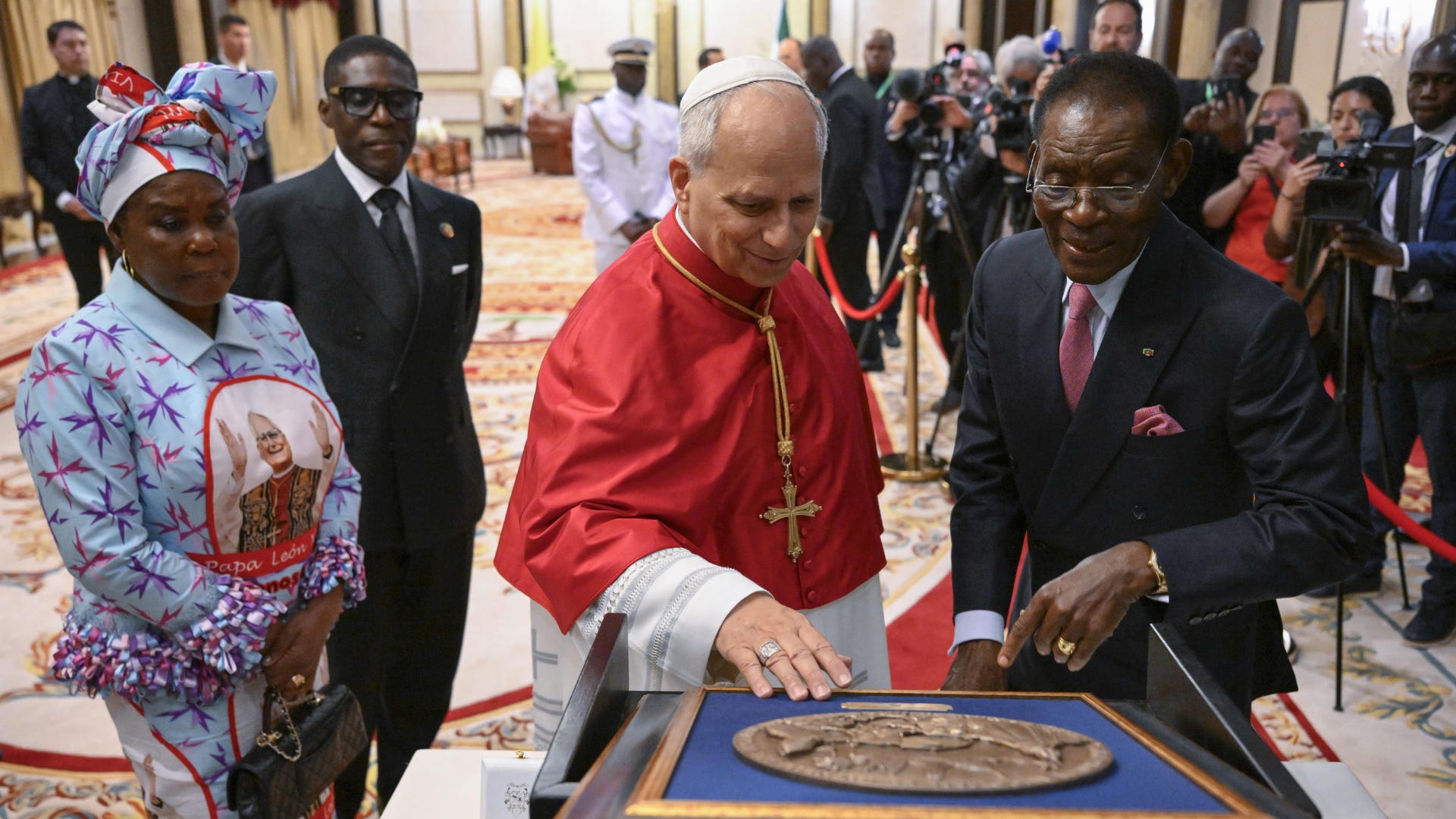
Pope Leo XIV stood before Teodoro Obiang Nguema Mbasogo in Malabo and delivered the most honest speech about Africa’s resource curse that anyone gave anywhere this year. Natural resource extraction drives war, violates international law and denies nations the right to determine their own future. He was correct. He was also standing in the room where the model is demonstrated most faithfully — a country with the highest GDP per capita in sub-Saharan Africa where more than half the population lives in poverty, governed by a man who has been in power for 47 years, whose son was convicted of embezzlement in France and is still vice president. Moral clarity, when it arrives as a guest, becomes testimony rather than indictment. Obiang received it with the composure of a man who has heard worse. He is still there. Read it here
So this week was about a war with no endpoint, a flank that shifted without a shot, a pacifist nation choosing a different lesson, a ceasefire designed not to hold, and the most honest speech of the year delivered in the least honest room. More than enough to remind us why this publication exists.
Read. Think. React. No neutrality. No noise. Just argument. Until next Saturday.
Sunny Peter
Editor, DiploPolis.com