


There is a particular kind of week where the news does not accumulate — it compounds. Each story this week arrived as a piece of a larger argument about what the world has become since February 28. Here is the argument, piece by piece.
The Ledger This Week
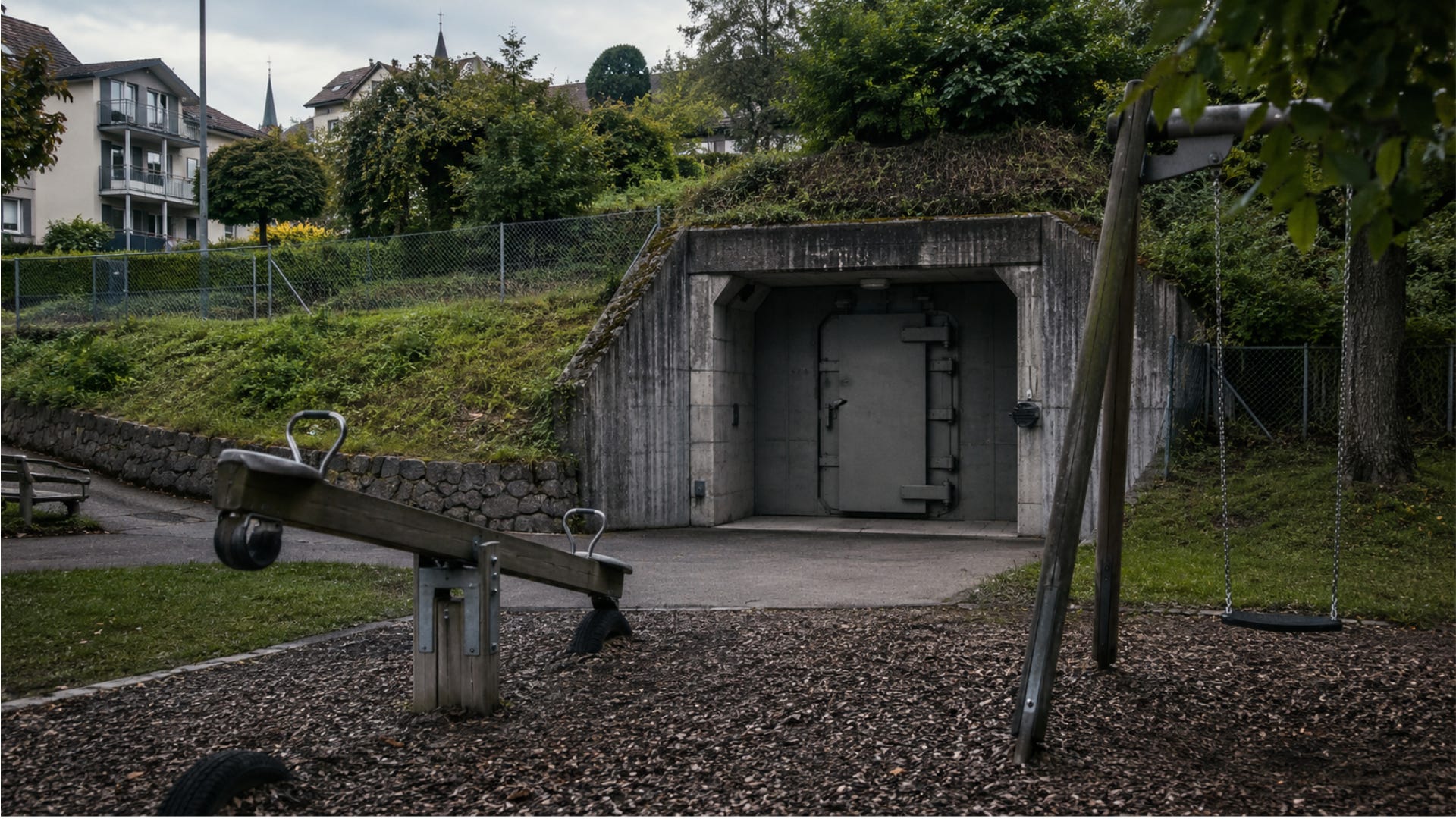
370,000 Bunkers. Just in Case.
The entrance to Switzerland’s largest nuclear bunker is in a children’s playground in Lucerne. Past the seesaws is a blast-proof door. Switzerland has more than 370,000 nuclear bunkers — more than any country on earth. Every citizen is guaranteed a space. The legal requirement that every new building include nuclear shelter capacity remains in force. Switzerland has been watching Europe’s wars from the outside for more than 200 years. When a country with that vantage point maintains 370,000 bunkers at tens of millions of dollars a year, it is making an institutional judgment about the world’s trajectory. The Swiss are not alarmists. They are the world’s most experienced observers of other people’s catastrophes. Read it here
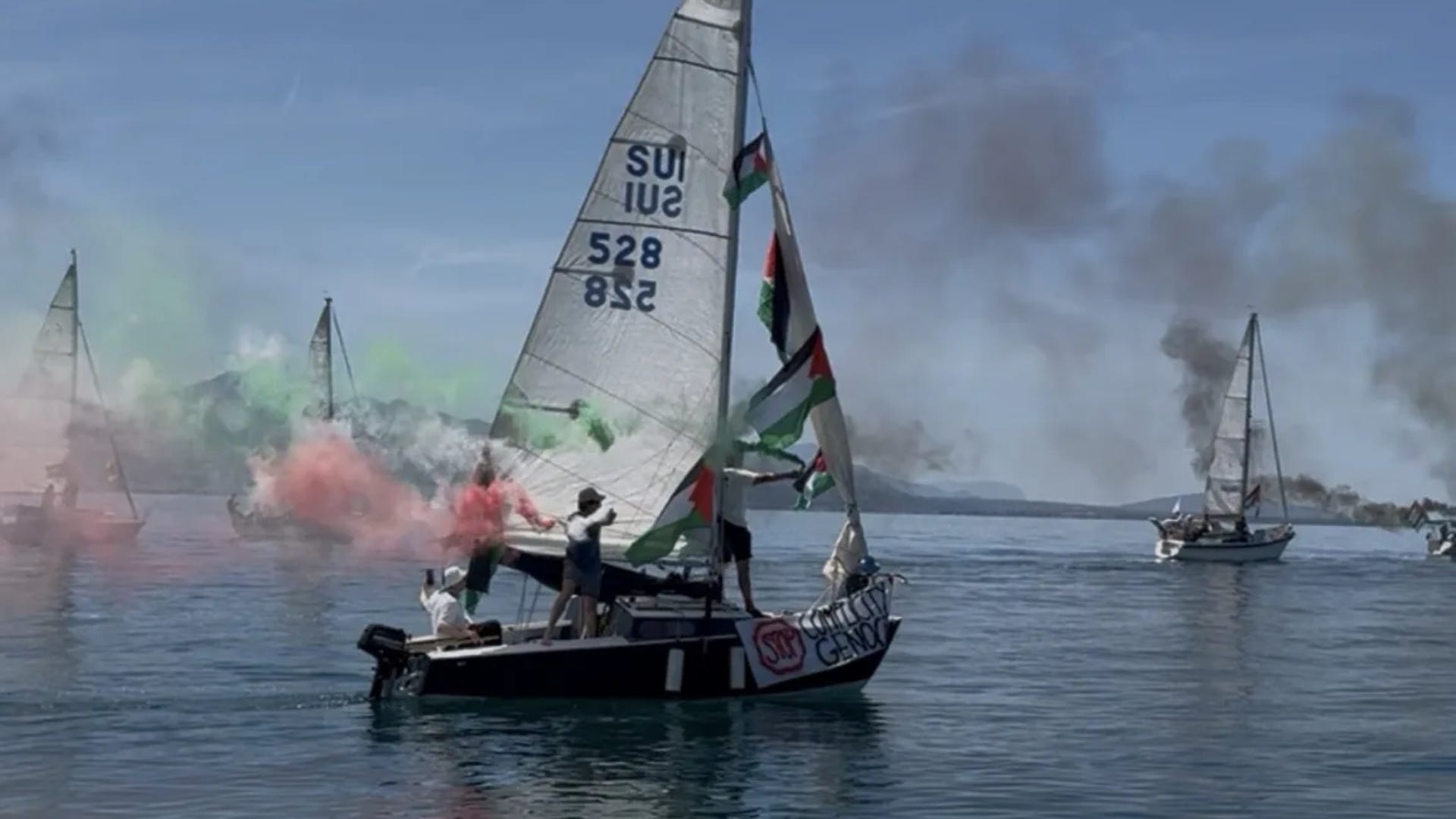
Fractured Ribs. Shattered Tailbone. International Waters.
The New York Times interviewed 24 activists detained by Israel from the Global Sumud Flotilla. Six brought medical records. The records document fractured ribs, a fractured vertebra, a broken coccyx, a firearm wound and a collapsed lung. The ship was in international waters. Italian prosecutors have opened an investigation into possible offences including kidnapping and sexual assault. The court most directly relevant to the documented injuries — the ICC — is being taken apart specifically to prevent accountability for actions committed by Israel and by the United States in this conflict. Trump confirmed that purpose on camera. The medical records exist. The court that would examine them is being disassembled. Read it here
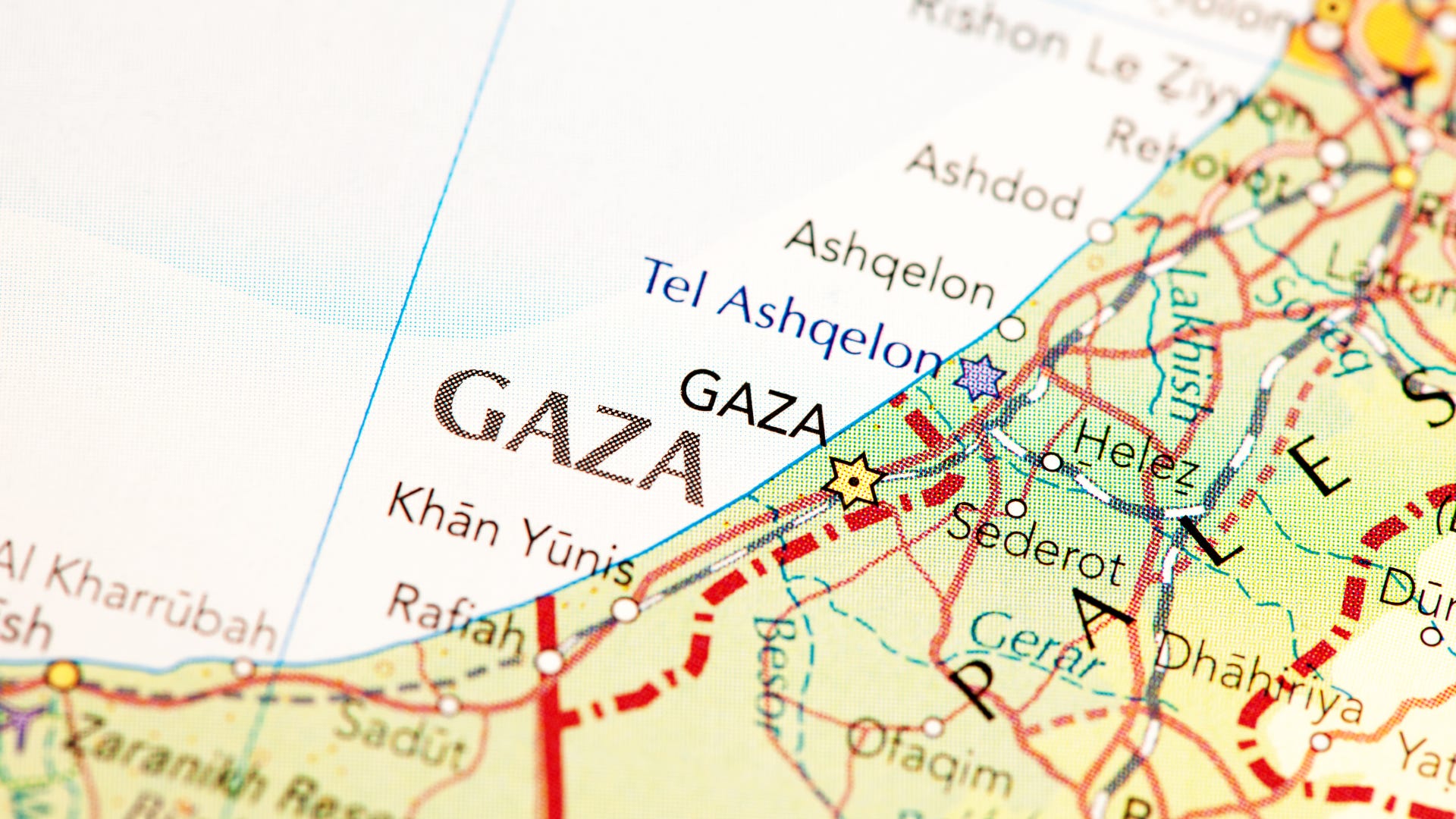
Not in Gaza. Not in the West Bank.
Netanyahu told his Cabinet: Israel rejects the 15-point document. He said he had heard people claiming he had not said this. So he said it again. No Palestinian state — not in Gaza, not in the West Bank, not Fatahstan and not Hamasstan. For thirty years, Israeli governments maintained two states as the theoretical endpoint — even when making it impossible in practice. Netanyahu has now removed the principle. Trump said it was a good response. Read it here
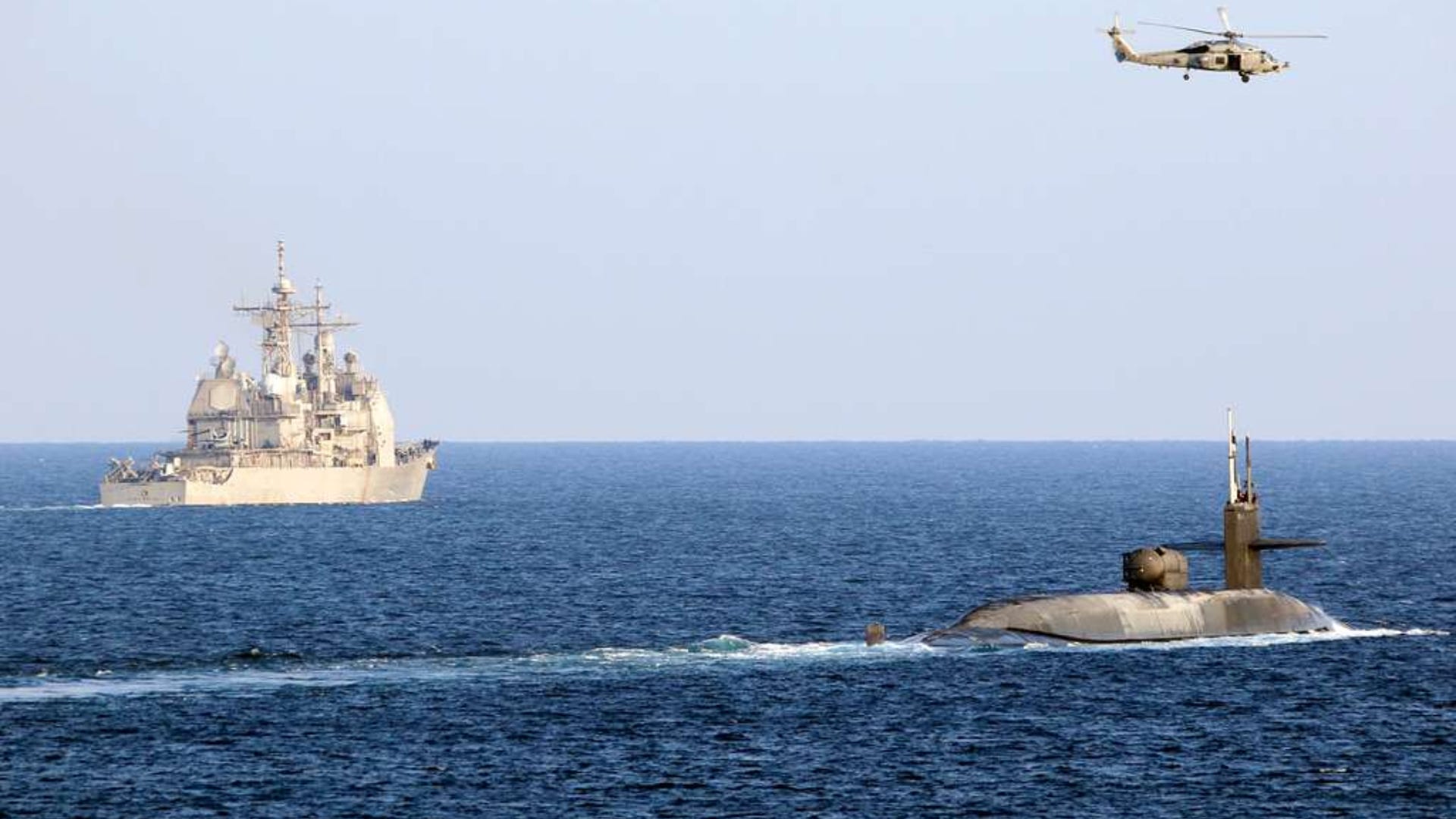
‘I Think We Will Keep It’
Trump on Tuesday: “We have total control over the Hormuz Strait. We own it.” Trump on Wednesday, Truth Social: “The U.S.A. has total control over the Strait of Hormuz. I THINK WE WILL KEEP IT!” On Tuesday the US Navy fired missiles at a civilian cargo ship attempting to transit the waterway. Rubio said in June that no country was allowed to charge tolls on an international waterway. That was existing international law. The Strait has passed through four regimes in five months: Iranian sovereign assertion, Iranian toll, American toll, American control. Freedom of navigation — the principle that launched the war — has not been restored. It has been replaced. Read it here
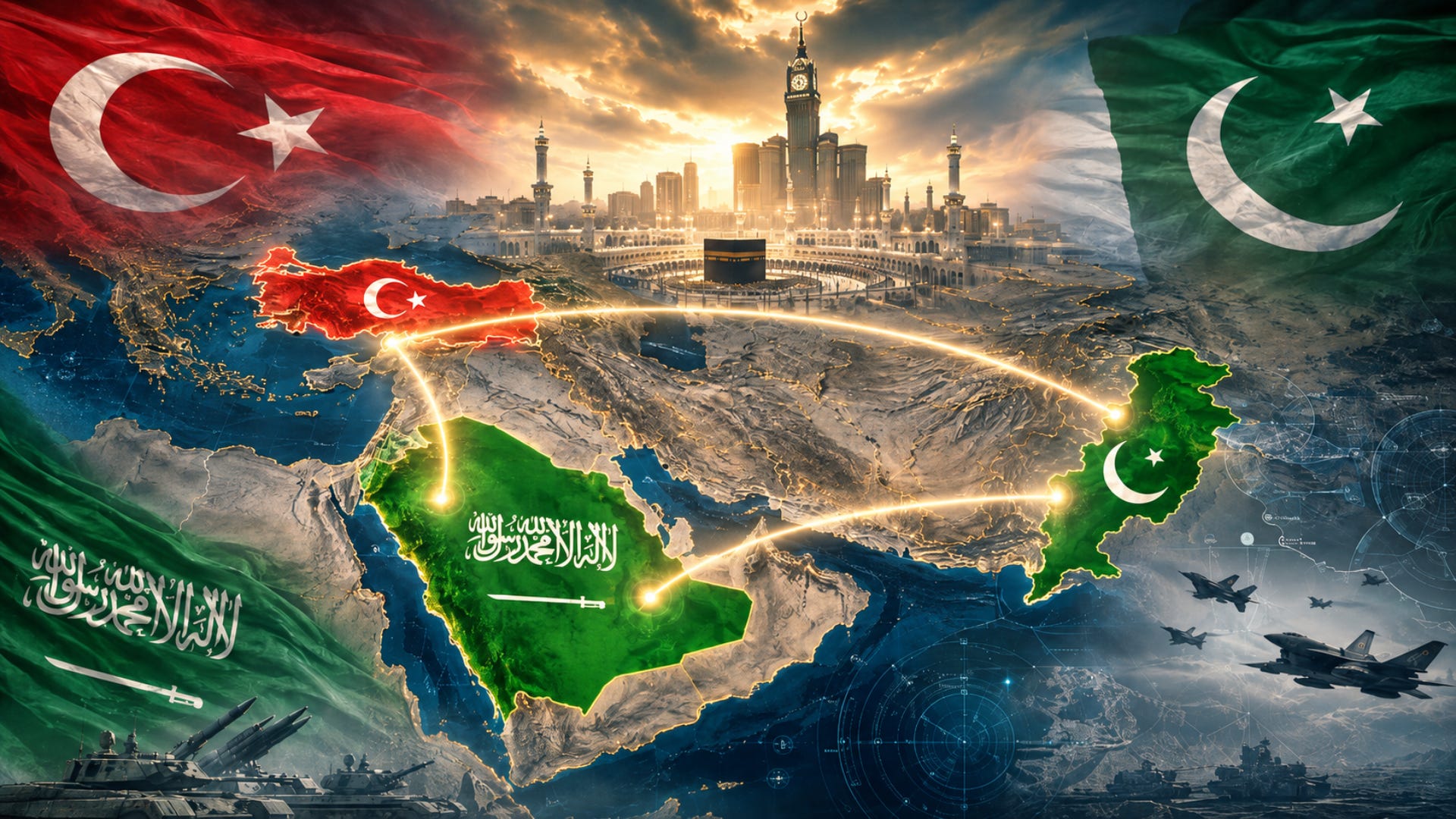
The Alliance the War Built
On August 7, Saudi Arabia, Turkey and Pakistan signed the Mecca Joint Defence Agreement. Any armed attack against any one of the three states shall be regarded as an attack against all. The pact combines the world’s largest oil exporter, NATO’s second-largest army and the Muslim world’s only nuclear arsenal. The war on Iran was supposed to protect the Gulf. Instead it pushed Saudi Arabia to build its own alliance, in the holy city, with a nuclear power. Turkey’s position is the most analytically striking — it called the Iran war illegal, refused its bases for American strikes, and has now signed a treaty that could bring it directly into the conflict if Iran attacks Saudi Arabia, through a collective defence mechanism that has nothing to do with NATO Article 5. The question this raises has not been asked at any press conference. Read it here
Analysis This Week
What Hamas Accepted
Hamas publicly committed to Trump’s 15-point Gaza plan. Netanyahu rejected it. The White House said nothing. This is the third formal act of Israeli defiance against American diplomatic architecture since June. Each has occurred without meaningful consequence. The ally rejected what the adversary accepted. The patron said nothing. That sequence is now on the record three times. Read it here
The State That Could
On August 11, Lebanon’s parliament abolished the death penalty — the first in the Middle East to do so. 85 people on death row went to sleep serving life sentences. The same parliament cannot enforce Israeli withdrawal from Lebanon’s south. The same state cannot prosecute anyone for the Beirut port explosion. The same government cannot fund its own hospitals. The moral ambition and the institutional failure live in the same building, expressed by different parliamentary blocs, in consecutive sessions. Amnesty International called the vote a transformation of a precarious hiatus into lasting legal protection. Read it here
Book Review This Week
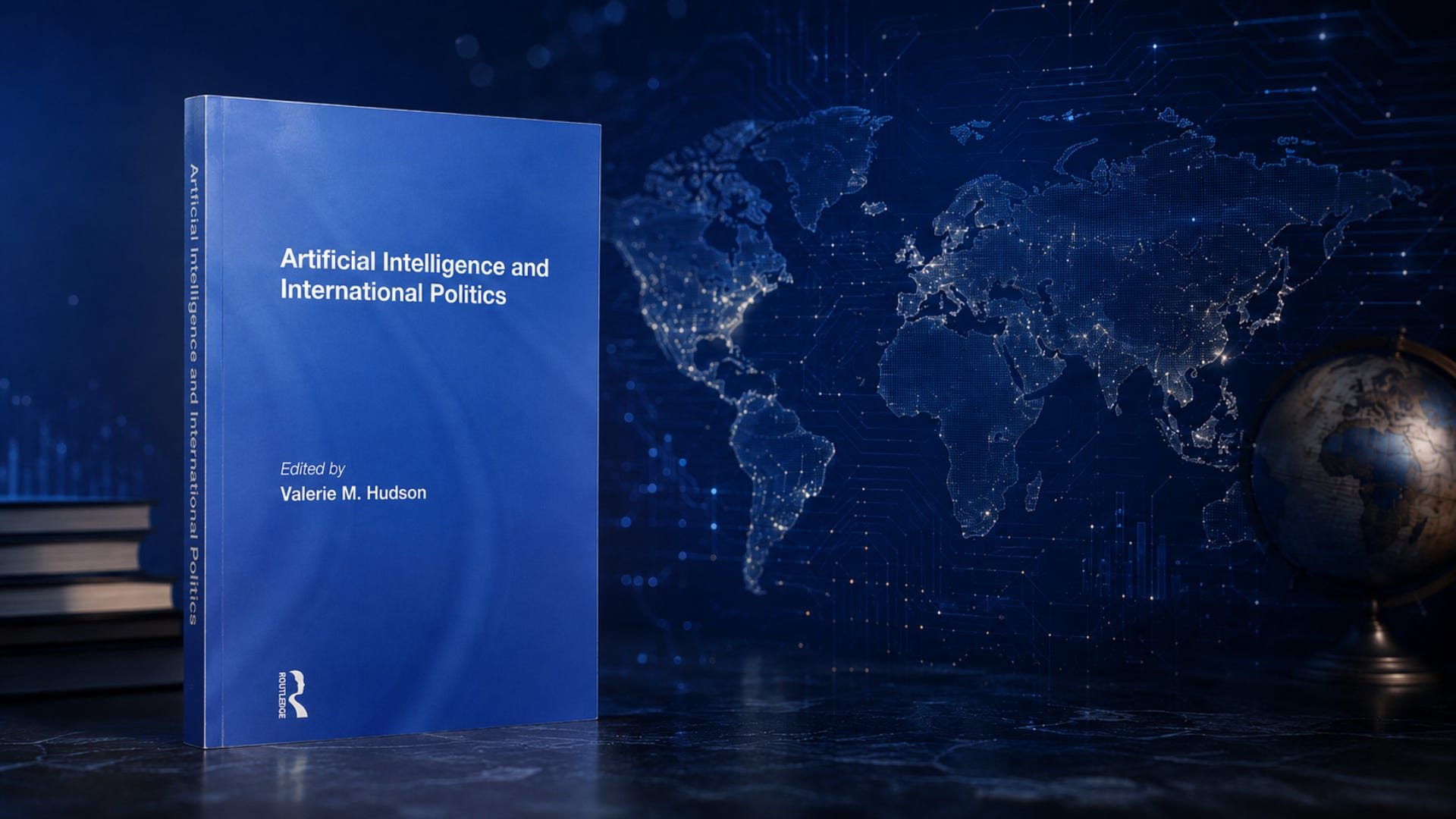
Before the Explosion — Artificial Intelligence and International Politics reviewed
Valerie M. Hudson’s edited volume was published in 1991, when artificial intelligence in international relations meant expert systems and formalised decision rules. The review reads it as a time capsule — and finds that the field got the question right and the machinery entirely wrong. The most absent element in the computational IR tradition: humiliation. It is memory with a wound inside it. Formal models cannot handle it. South Asia cannot be understood without it. The field expected AI to sit inside the analysis. It did not anticipate AI sitting inside the feed. Read it here
The Dossier This Week

Gates Cambridge Scholarship 2027: What the Selection Panel Actually Wants
This completes the four-part scholarship series — Chevening on July 25, Rhodes on August 1, UK IR Programmes on August 8, and Gates Cambridge today. The guide covers what most others miss: the departmental nomination is the first gatekeeper, before the Gates committee ever reads the application. The personal statement is a single 500-word essay addressing all four criteria — not four separate pieces. Applications open September 2026. Read it here
The week’s argument, assembled: Trump declared the Strait American property. Netanyahu formally abandoned the two-state principle. A new Gulf alliance formed because three countries concluded the existing arrangements were insufficient. Lebanon voted on human dignity. Switzerland kept its bunkers open.
Wars do not only destroy. They build new alliances, new doctrines and new facts on the ground that outlast the fighting. The world did not disappoint — unfortunately.
Read. Think. React. No neutrality. No noise. Just argument. Until next Saturday.
Sunny Peter
Editor, DiploPolis.com