


There are weeks in which each story is separate. This was not one of them. The Islamabad MOU expired without a deal. The military opened a criminal investigation into the killing of a five-year-old. A tanker that navigated three wars ran aground in a marine nature reserve. North Korea received a security concession and condemned what remained of it. The war that was supposed to last two to three weeks is on its 175th day. Here is the week, piece by piece.
The Ledger This Week
‘No Thanks.’ The Exercises Were Cut.
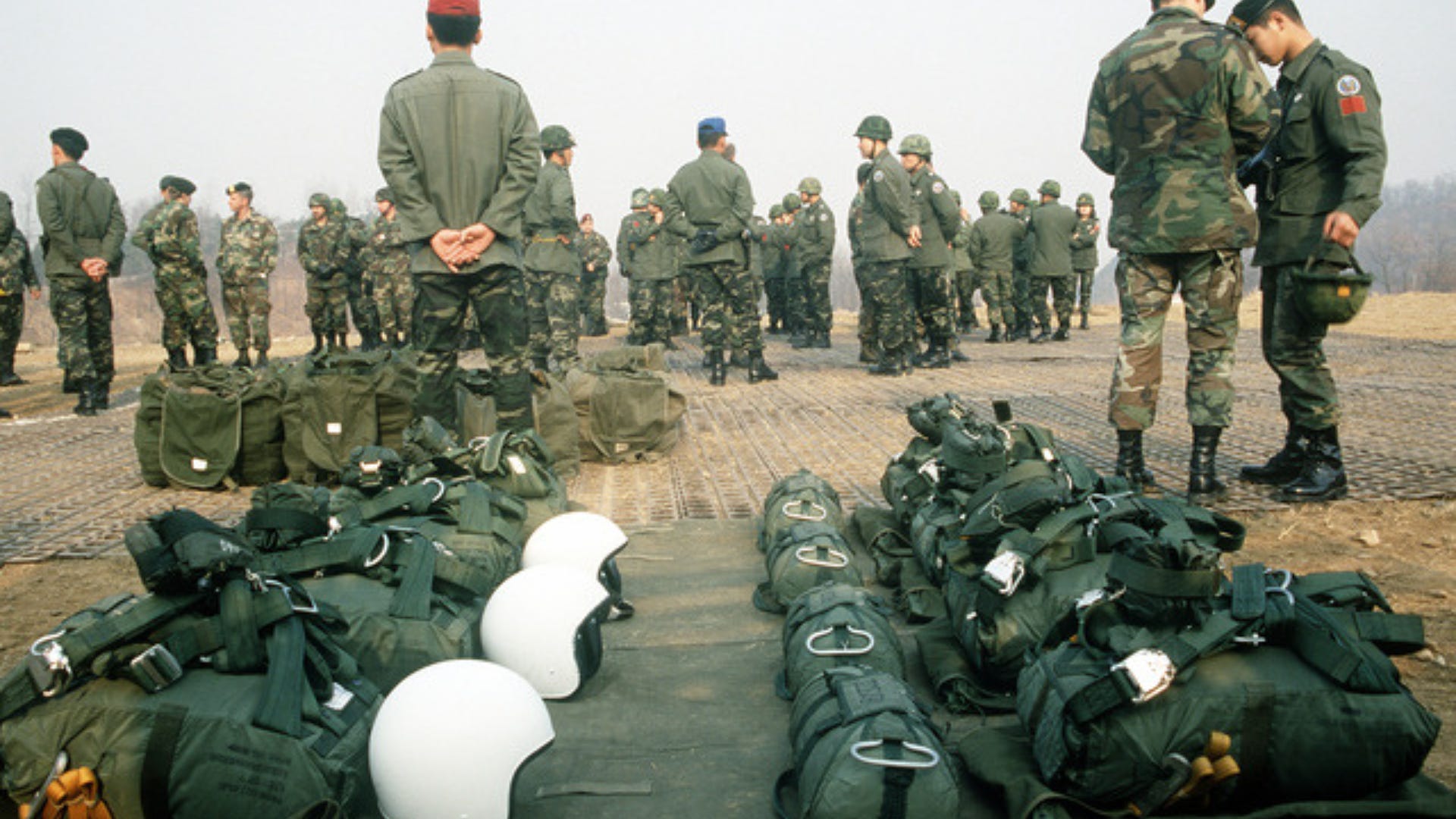
Trump called South Korean President Lee and asked if Seoul would help in the Iran war. Lee said no. Trump ordered the joint military exercises — the annual drills designed to deter a nuclear North Korea — to be substantially reduced. The logic offered: Kim Jong Un is unthreatening and respectful, so the exercises send the wrong signal. The logic withheld: Kim is unthreatening and respectful because the exercises existed. South Korea faces a nuclear-armed neighbour 50 kilometres from its capital. The rehearsal for deterring him is now smaller. The punishment for refusing to join a war in the Persian Gulf is a reduced deterrent against a threat in their own backyard. Read it here
60 Days. No Deal. The Window Closes.
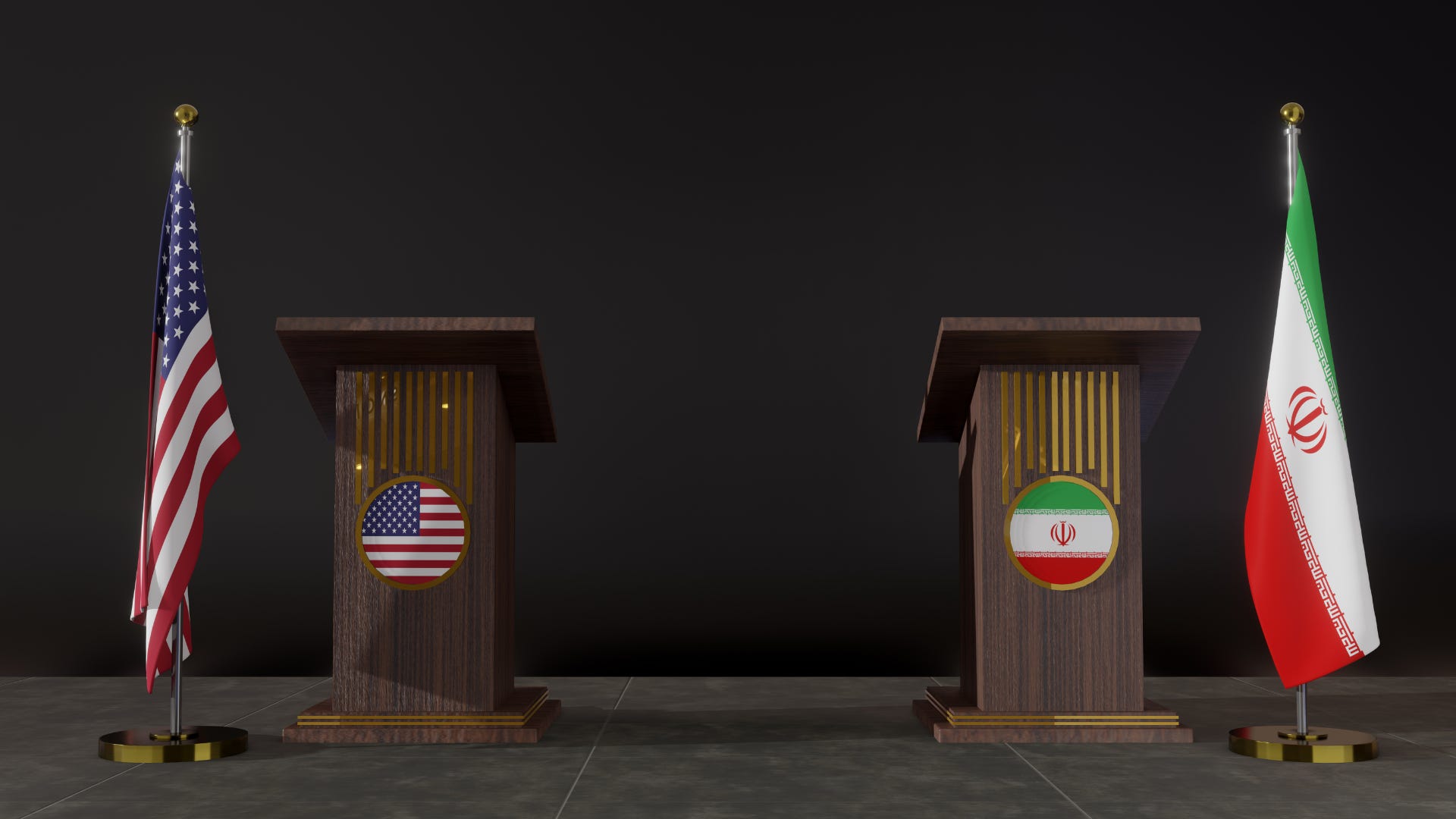
The 60-day Islamabad MOU window closed on August 17 without a nuclear deal, without a Hormuz settlement and without a halt to proxy attacks. Washington said the talks were static. Tehran said the 60-day period was no longer relevant because the US had violated the MOU within weeks of signing it. Both cannot be describing the same 60 days. They are not. Trump called for Iran’s white flag. Iran appointed a hardline IRGC commander to head its supreme security body. The window is closed. Read it here
800,000 Barrels. The War’s First Environmental Disaster.
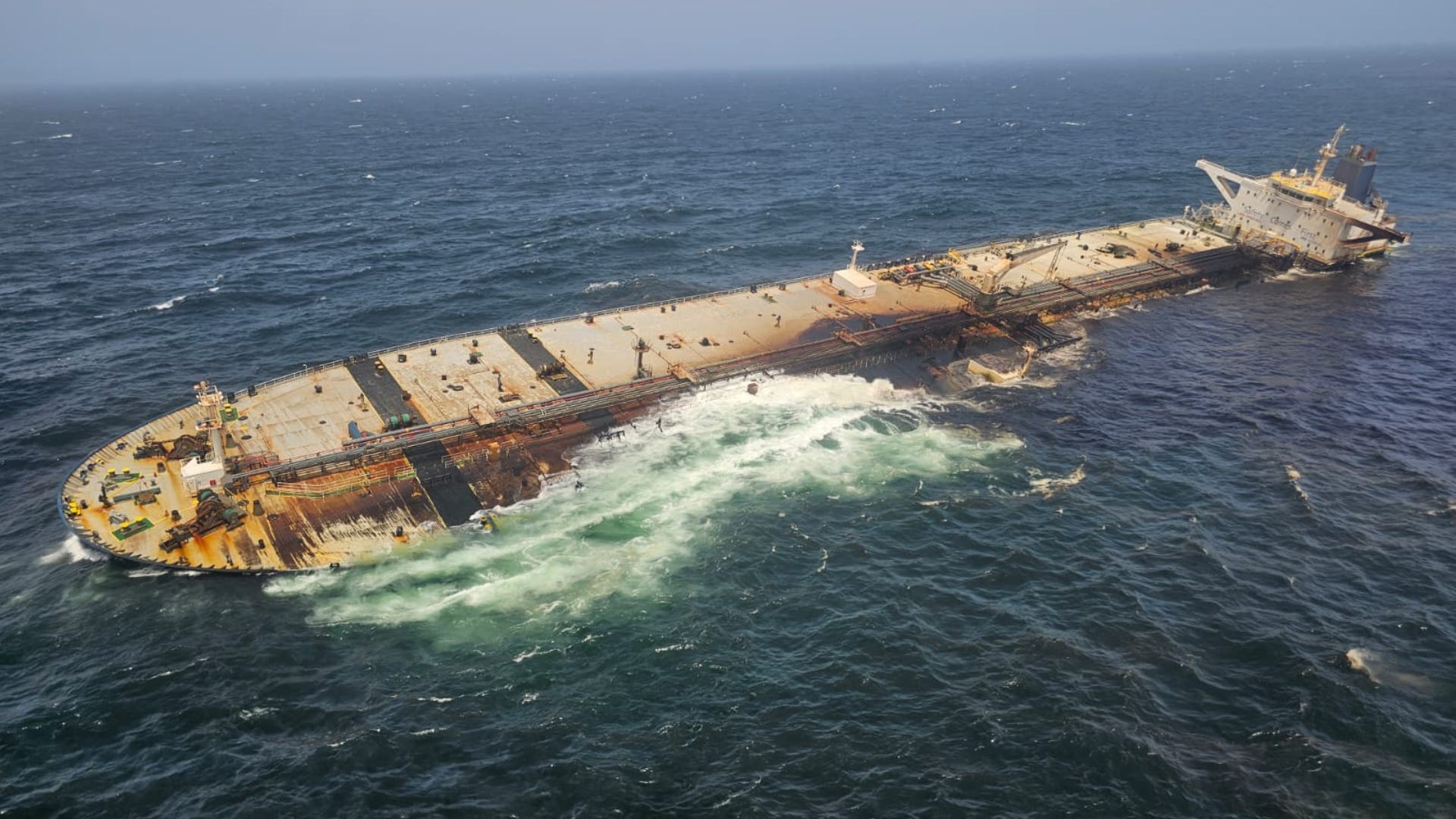
A sanctioned Russian tanker navigated from Novorossiysk through Yemen’s Houthi-controlled waters and ran aground near a protected marine nature reserve off Oman. 800,000 barrels of crude oil have been leaking ever since. The spill covered 2,000 square kilometres by August 12. Oil reached 40 kilometres of Omani coastline and the Hara mangroves on Qeshm Island. No responsible party has been officially identified. Three conflicts contributed to the tanker’s journey. None has answered for where it ended. Read it here
Kim Condemned the Exercises. He Didn’t Thank Trump.
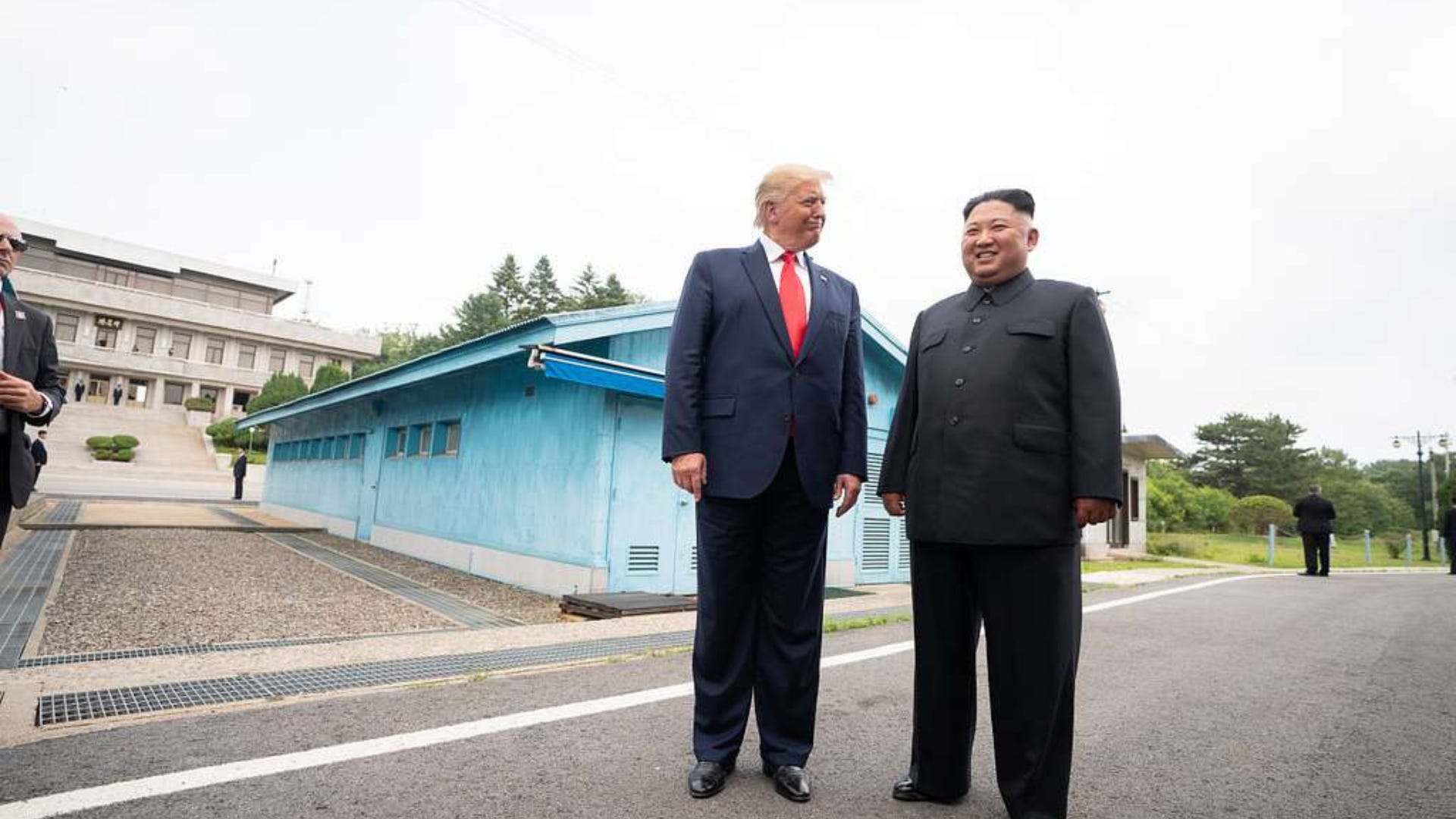
North Korean state media condemned the exercises Trump had cut four days earlier as the most immediate and open threat to Pyongyang’s security. The condemnation was standard. What was missing: any acknowledgment of the gesture. Kim’s government received a security concession from the United States president and responded by condemning what remained. North Korea has conducted two ballistic missile launches since August 6. South Korea’s deterrence rehearsal is smaller. The thank-you has not arrived and will not. Read it here

19 Months. Then an Investigation.
In February 2024, Israeli forces killed five-year-old Hind Rajab in Gaza — her voice, her final phone calls to the Red Crescent, recorded and heard around the world. In March 2025, Israeli forces fired on an ambulance in Rafah, then on other emergency vehicles that came to help, killed 15 paramedics and bulldozed them into a mass grave. On August 19, 2026 — 19 months after Hind was killed, 17 months after the paramedics were buried — the Israeli military announced its first criminal investigations into troop conduct in Gaza covering both incidents. The ICC, which has jurisdiction over exactly this conduct, is being dismantled. The investigation is internal. The court is being demolished. Hind Rajab’s grandmother was photographed holding her granddaughter’s picture on the day the investigation was announced. She did not speak on camera. Read it here
Analysis This Week
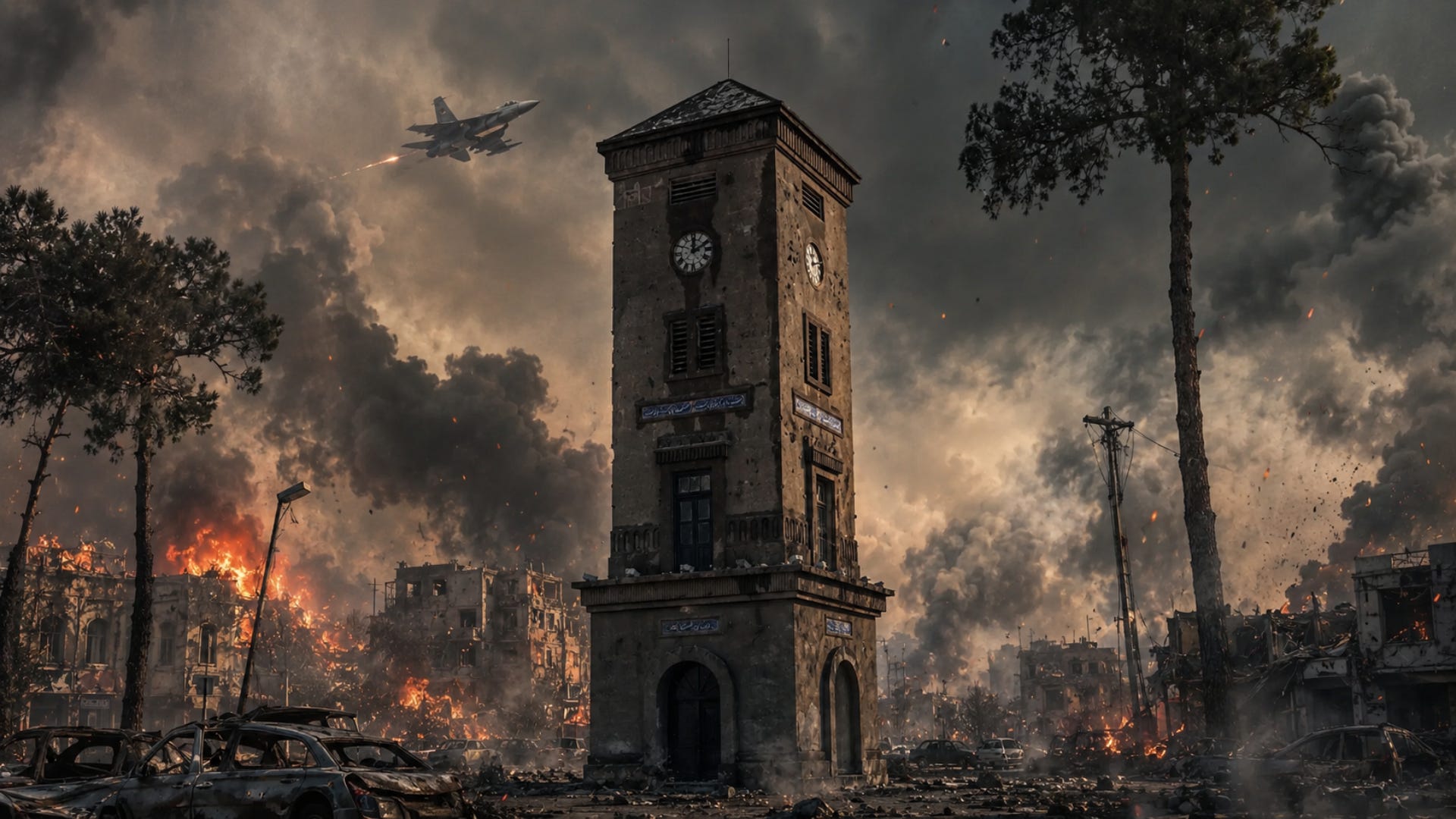
The Clock That Ran in Tehran
The 60-day MOU window was not symmetric. One side used it to restructure its military, expand the IRGC’s authority, accelerate missile production and prepare its proxy networks for the next phase. The other side negotiated. The clock that was supposed to be counting down to a nuclear deal revealed itself to have been counting down to something else. Iran ended the window with a hardline IRGC commander heading its supreme security council, two governments describing the same expired document in precisely opposite terms, and the new security chief promising strategic surprises. Read it here
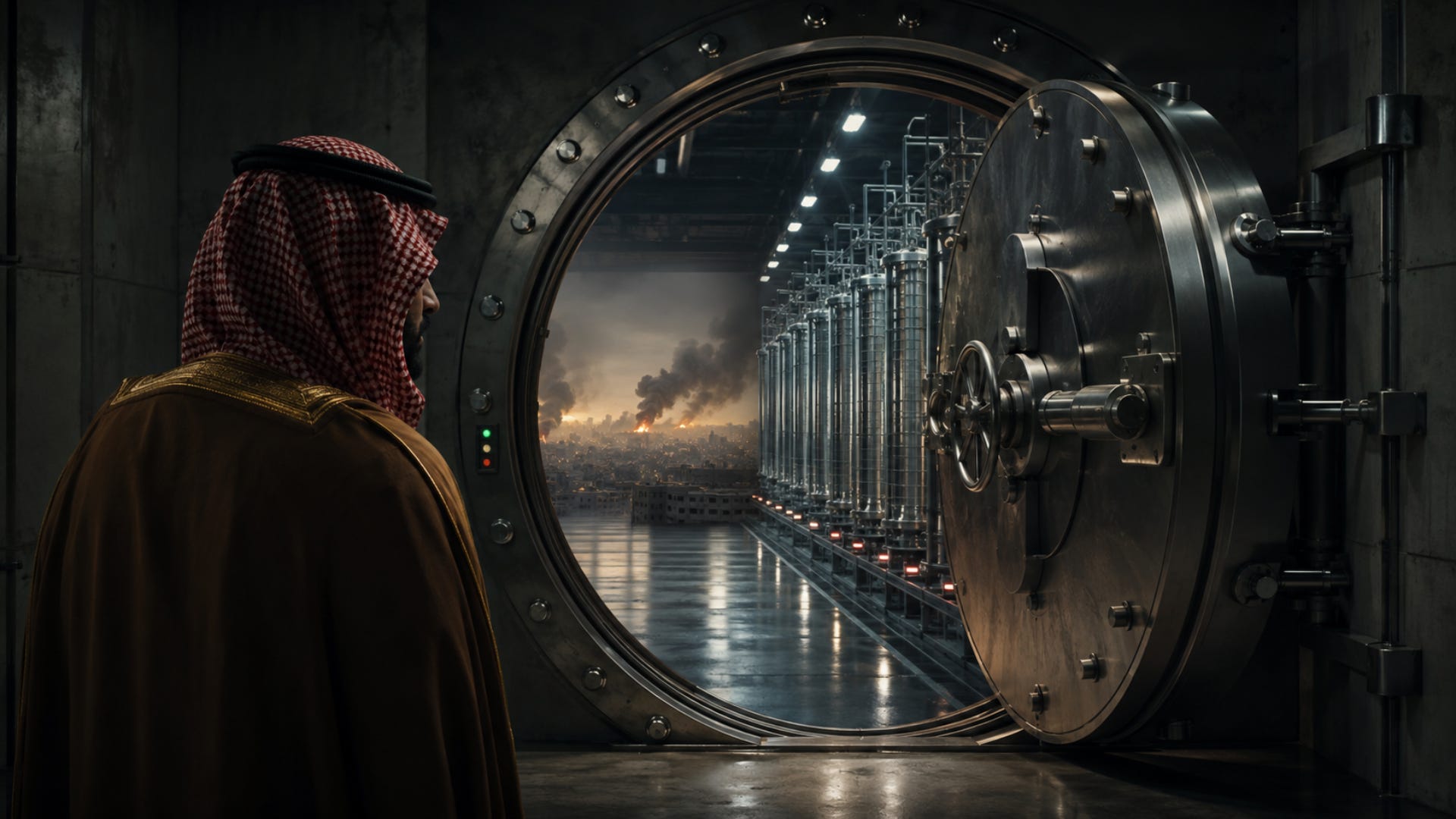
The Door the War Opened
The Iran war was launched to close the nuclear door. The piece asks what door it opened instead. MBS said it in 2018, in 2023 and again through his foreign minister in 2022: if Iran gets a nuclear weapon, Saudi Arabia will too. Those are not diplomatic signals. They are public commitments made on camera and on the record. On July 22, Trump signed a 30-year civilian nuclear cooperation agreement with Saudi Arabia that US officials say could allow domestic enrichment. The MOU expired without a nuclear settlement. Iran’s hardliners are in control. The door the war promised to close has not closed. The door it opened leads to Riyadh. Read it here
Book Review This Week
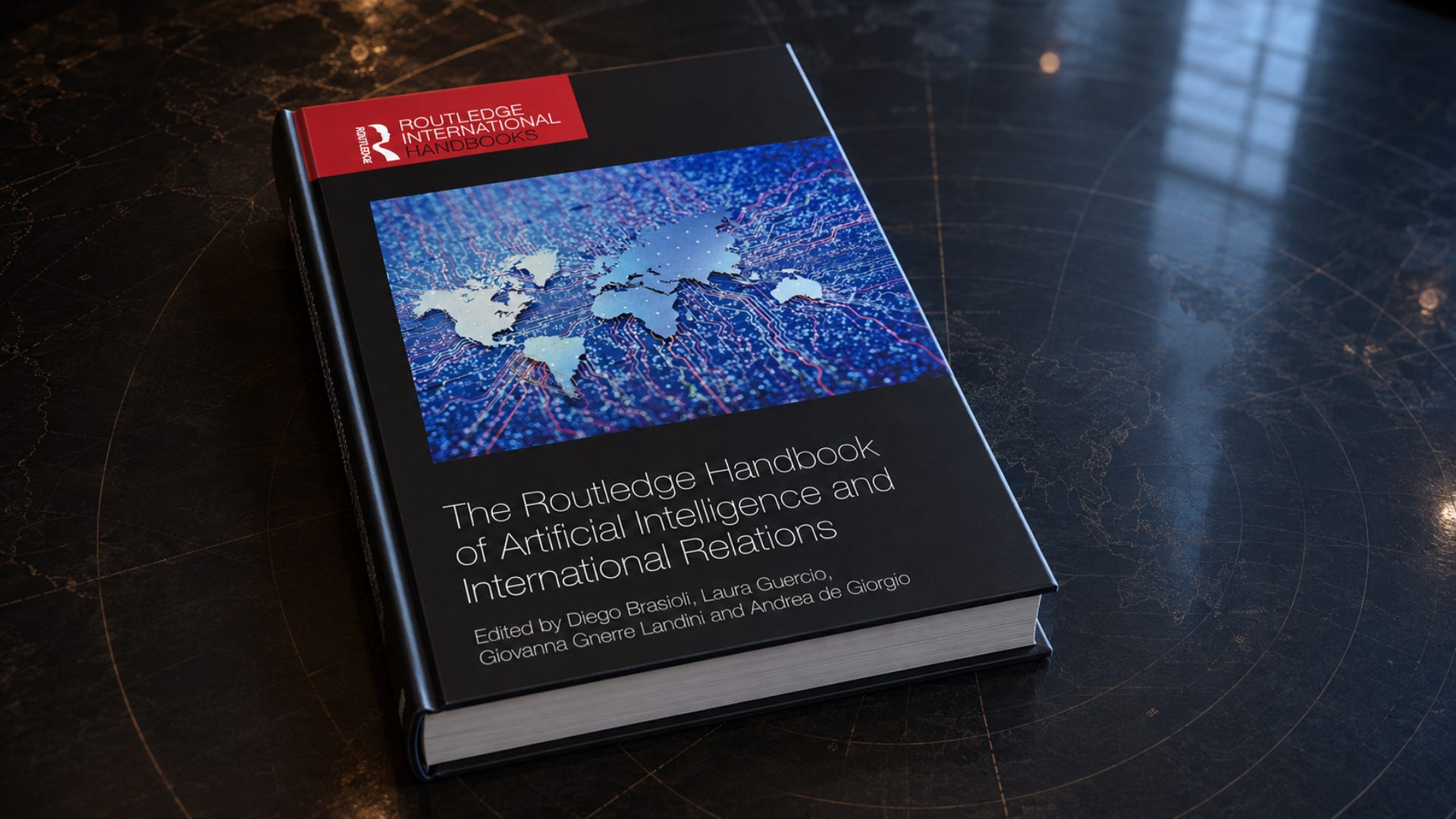
A Map Drawn After the Explosion — The Routledge Handbook of AI and International Relations
A handbook implies mastery. The Routledge Handbook of Artificial Intelligence and International Relations arrives at a moment when the field has neither settled its disputes nor agreed on its methods. The review asks whether IR is genuinely renovating its theory for the AI era or applying old categories to new machines — and finds the answer is uncomfortably both. The most interesting chapters make old frameworks feel inadequate. The least interesting affix AI to existing debates and call that transformation. Both kinds exist here. Read it here
The Dossier This Week
Commonwealth Scholarship 2027: The Most Honestly Designed UK Award
This piece completes the five-part scholarship series — Chevening, Rhodes, UK IR programmes, Gates Cambridge and Commonwealth. The Commonwealth Scholarship is the only major UK postgraduate award that names the barrier it removes: it funds students who could not otherwise afford UK study. No work experience minimum. 700 to 800 scholars annually from developing Commonwealth countries. Applications open September 8. Your national nominating agency’s internal deadline is almost certainly earlier. Contact them before the window opens. Read it here
The war that was supposed to last two to three weeks is on its 175th day. The 60-day window it opened to negotiate its ending has closed without a deal. The nuclear question it was launched to settle remains unsettled. The environmental cost has arrived on an Omani coastline. The accountability it was supposed to produce — for Hind Rajab, for the paramedics, for the child on Qeshm — is being examined internally by the institution whose troops committed the acts, while the court that would apply an external standard is being taken apart. Wars do not only destroy. They also produce: new alliances, new environmental disasters, new nuclear ambitions and new facts that outlast the fighting. The world did not disappoint — unfortunately.
Read. Think. React. No neutrality. No noise. Just argument. Until next Saturday.
Sunny Peter
Editor, DiploPolis.com