


There are weeks when the news is heavy and weeks when the news is simply what the world is. This was the second kind. Not dramatic in any single moment — no ceasefire signed, no summit concluded, no treaty violated. Just the steady accumulation of what happens when the institutional architecture built after 1945 runs out of interceptors, out of prosecutors, out of power, and out of time. Here is what I was thinking when I wrote each piece.
The Ledger this Week
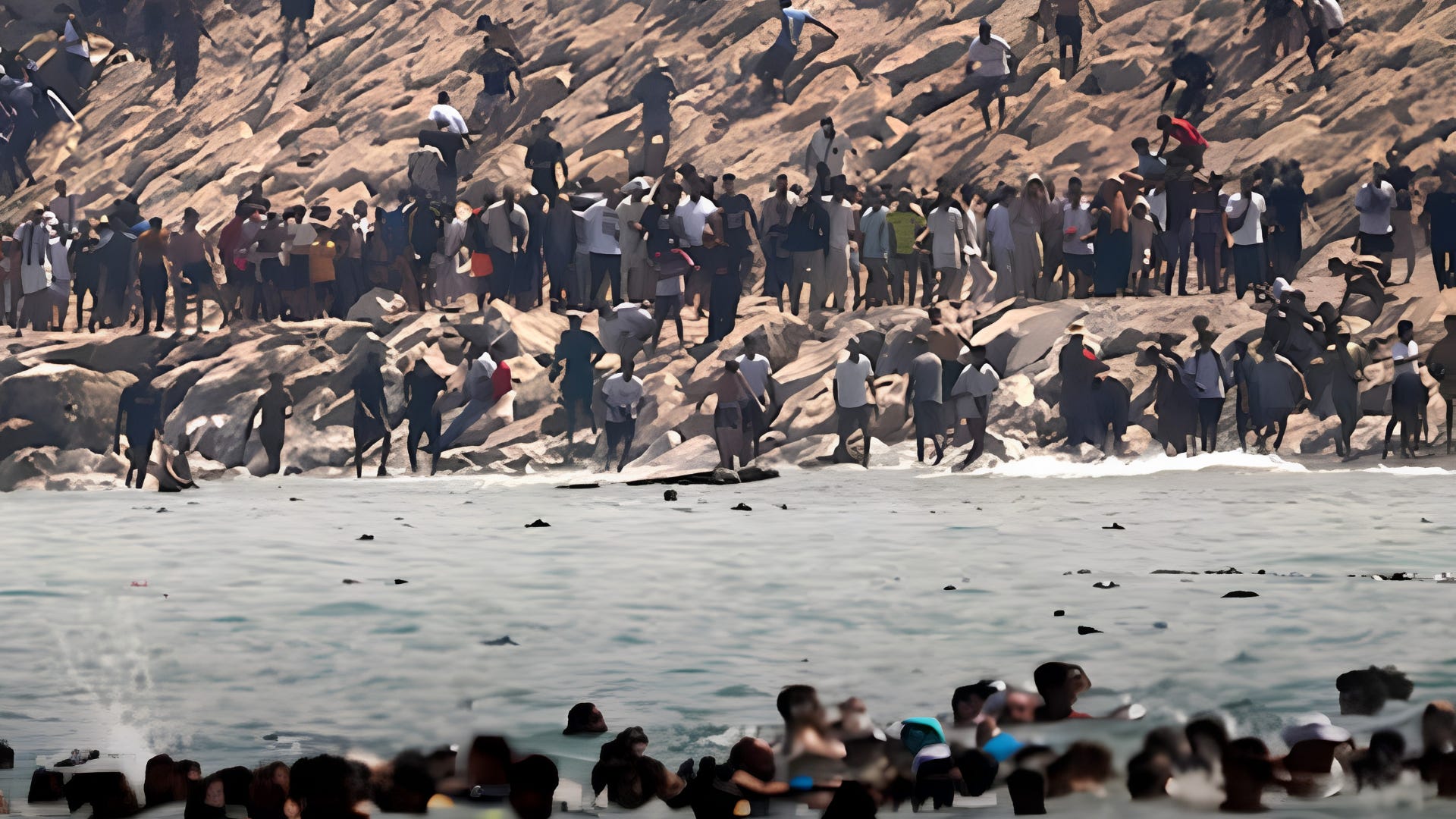
Morocco Sat on Its Hands.
60,000 people crossed from Morocco into Ceuta in three days. 72 died in the water. Morocco’s security forces were, in journalist Ignacio Cembrero’s description, sitting on their hands since Wednesday. The EU called an emergency meeting about migration. Nobody called a meeting about Morocco. Spain said no to the war, no to the weapons ship, no to the illegal strikes. The border was the answer. Read it here
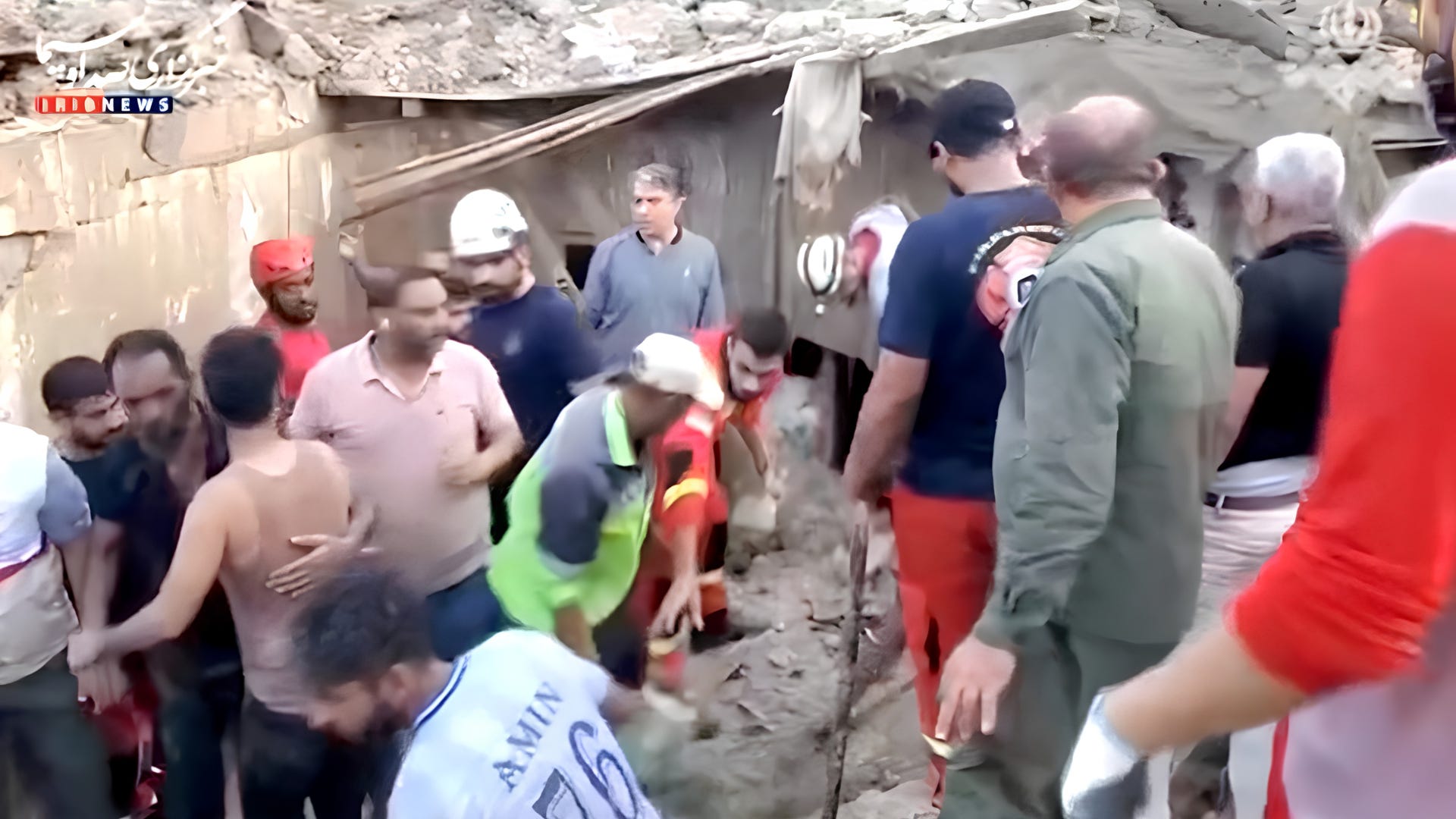
A Home on Qeshm. No Court to Say So.
The New York Times confirmed what DiploPolis reported on July 30: a precision-guided 2,000-pound Mark 84 bomb struck a family home on Qeshm Island, killing a couple and their two-year-old. The Times found no evidence of military facilities near the target site. On the same Friday Trump confirmed, on camera, that the US campaign to dismantle the ICC was specifically to defend Netanyahu. The court that would examine bombs on homes is being taken apart by the country that dropped the bomb. I had written The Child Was Two. I had not known then what the bomb was. Now I did. Read it here
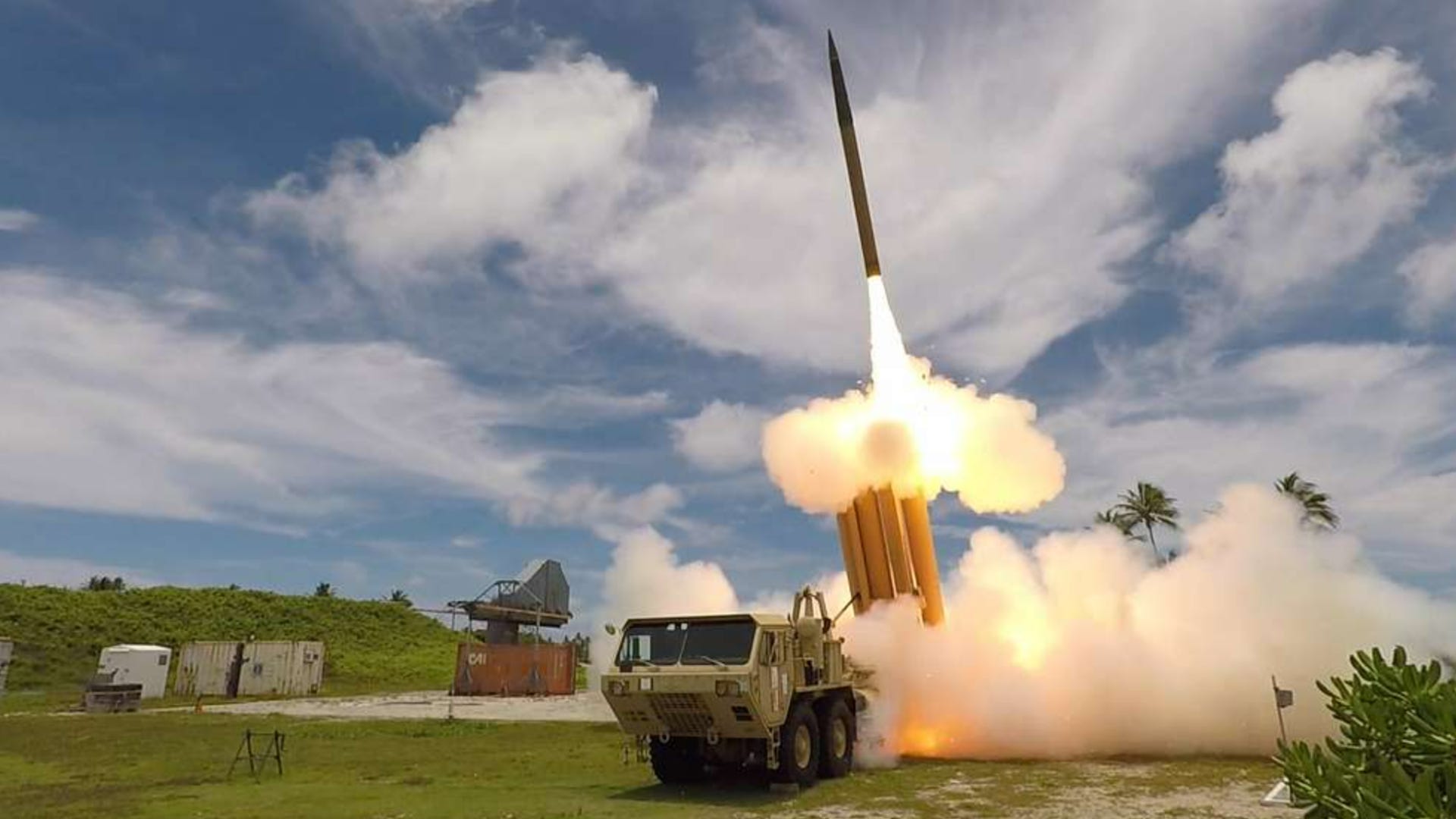
Dangerously Low.
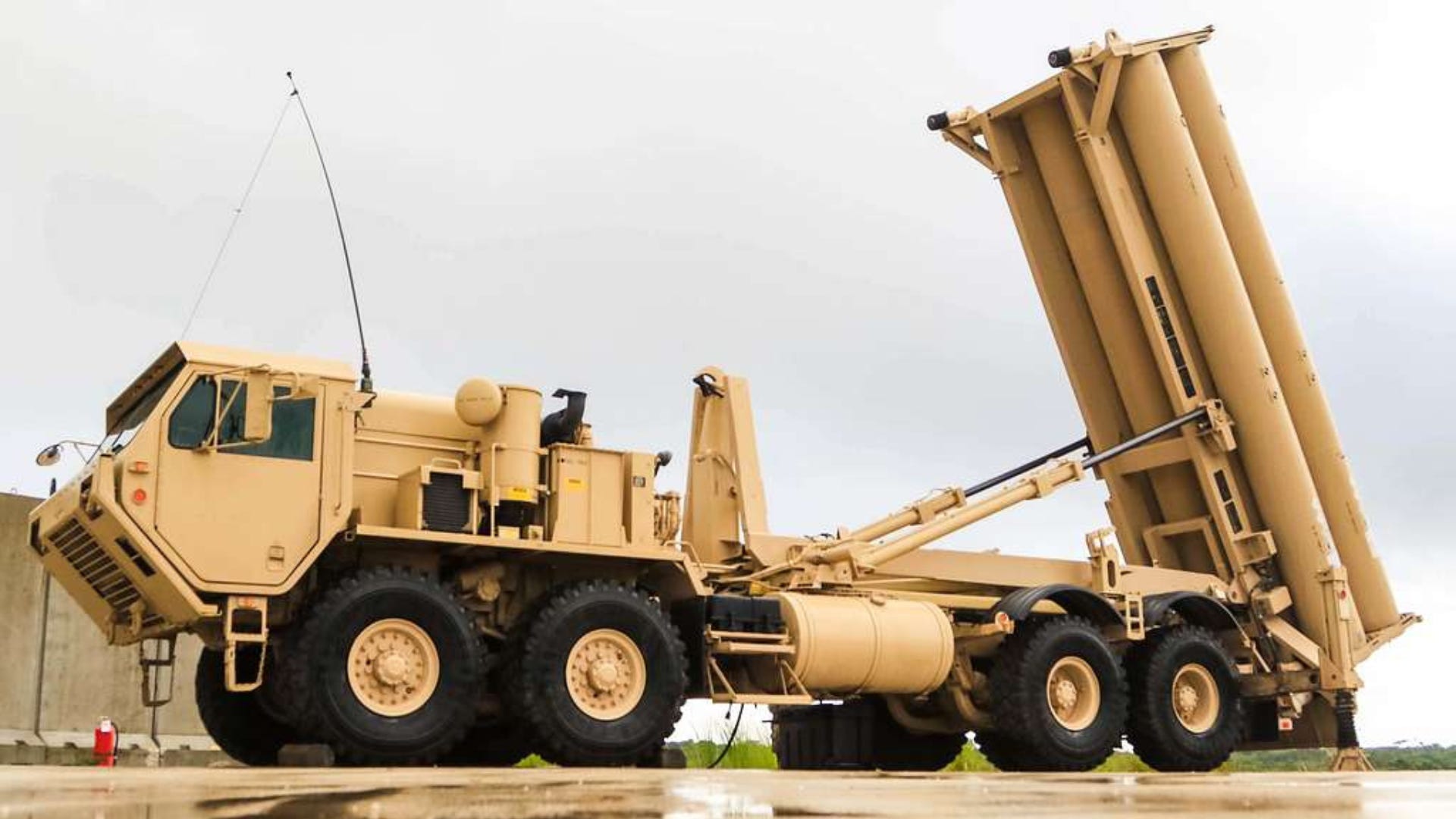
US commanders called it dangerously low in White House meetings. The spokesperson said more than enough in public. Both used the same numbers. That gap — between what commanders said privately and what officials said publicly — is the sentence the piece exists to name. The THAAD is nearly four-fifths gone. The Patriot is more than half gone. Commanders are choosing which Iranian missiles to let hit empty ground to save interceptors for critical targets. Three or more years to rebuild. Five months to consume. Read it here
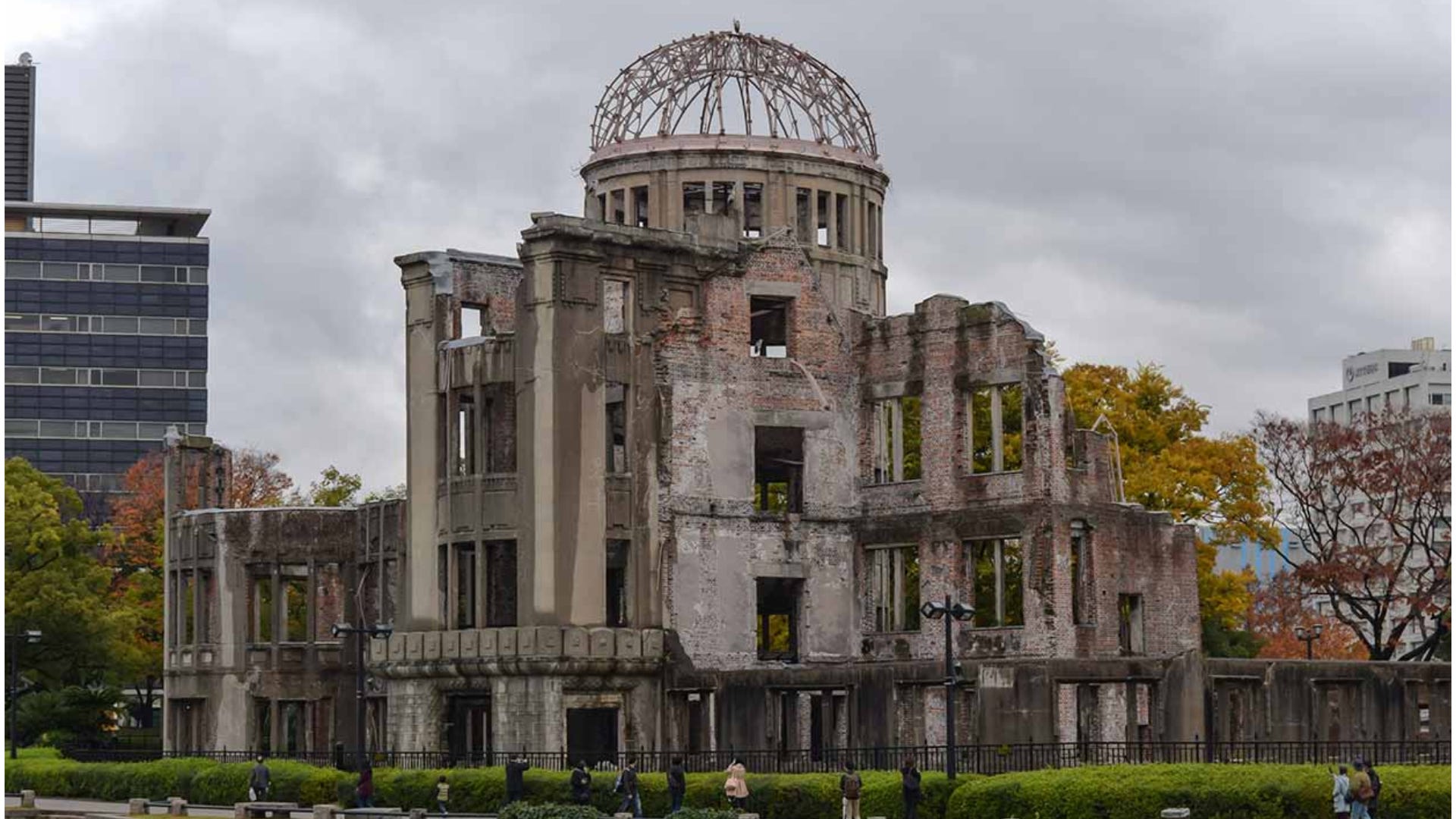
Eighty-One Years. The Lesson Unlearned.
I wrote this piece on the morning of August 6 knowing that by the time it was read the ceremony at Hiroshima would have already happened — the Peace Bell, the moment of silence at 8:15, the doves. The Flame of Peace has been burning since 1964. It burned on a day when the US had depleted nearly 80 per cent of its nuclear-intercepting missiles in a war launched to prevent nuclear weapons, when North Korea was building new bomb fuel facilities unobserved, when the ICC was being dismantled. The lesson drawn from 1945 is the right lesson. This week is what learning it has looked like. Read it here
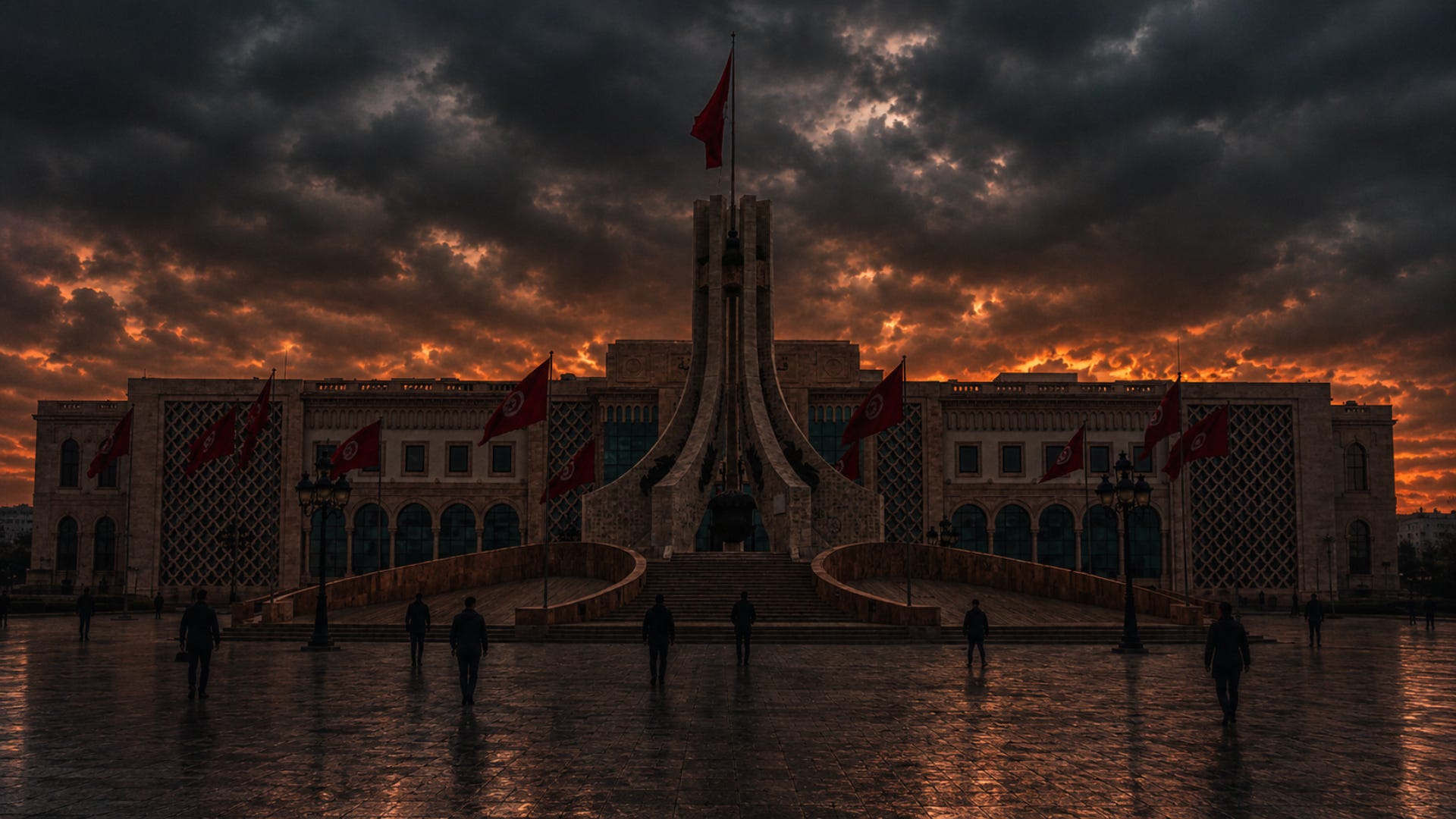
Tunisia Is Dying in the Dark.
A pastry shop employee in Tunis said it felt like God had opened the gates of hell. The refrigerators had stopped. The cakes sat in the dark. Between 150 and 200 people are dead since the blackouts began on July 12 in a 50°C heatwave. The Organisation of Young Doctors counted them. The state has not confirmed or denied. The crisis fell on the fifth anniversary of Kais Saied’s coup. The West normalised him for migration cooperation. The Iran war’s energy disruption reached Tunis. He was describing a heatwave. He was also describing something that took five years to build. Read it here
Analysis this Week
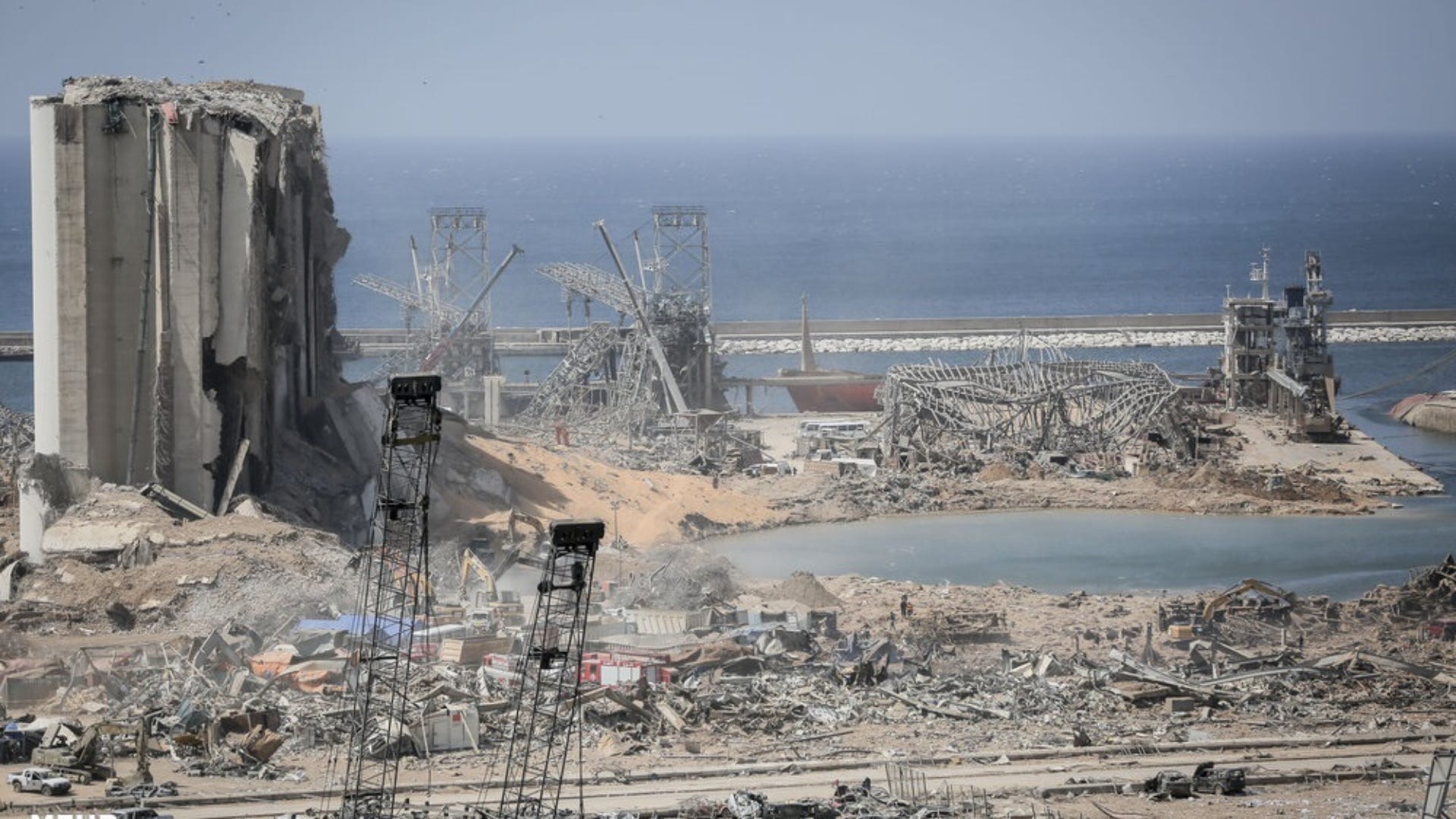
What the State Knew — Beirut, Six Years On
Lebanon’s State Security sent the president a three-page warning fifteen days before the ammonium nitrate exploded and killed 220 people. He admitted receiving it. He took no action. Six years later, the families are still at the port with photographs of their dead. The investigation has been completed and referred to the public prosecutor. A response is expected within 60 to 90 days, according to the justice minister, speaking on the sixth anniversary. The families have been told something like this before. What is different now is that President Aoun and Prime Minister Salam are not among those the investigation is trying to reach. Whether that is enough to break six years of managed impunity — the piece tries to answer honestly, which means the answer is: not yet certain, but more possible than it has ever been. Read it here
What Iran Took from Kyiv
Trump refused Ukraine 300 Patriot interceptors at the Oval Office. The reason was Iran — the war had consumed the stockpile. Ukraine intercepted none of the incoming Russian missiles that night. 17 died in Kyiv. I wrote this piece because the connection between the two wars needed to be stated as an accounting, not a geopolitical observation. The Iran war did not only give Putin diplomatic relief. It gave him the airspace. Zelensky has accepted the unconditional ceasefire Trump demanded. Putin has refused. The bill arrived in Kyiv on August 5. Read it here
Book Review This Week
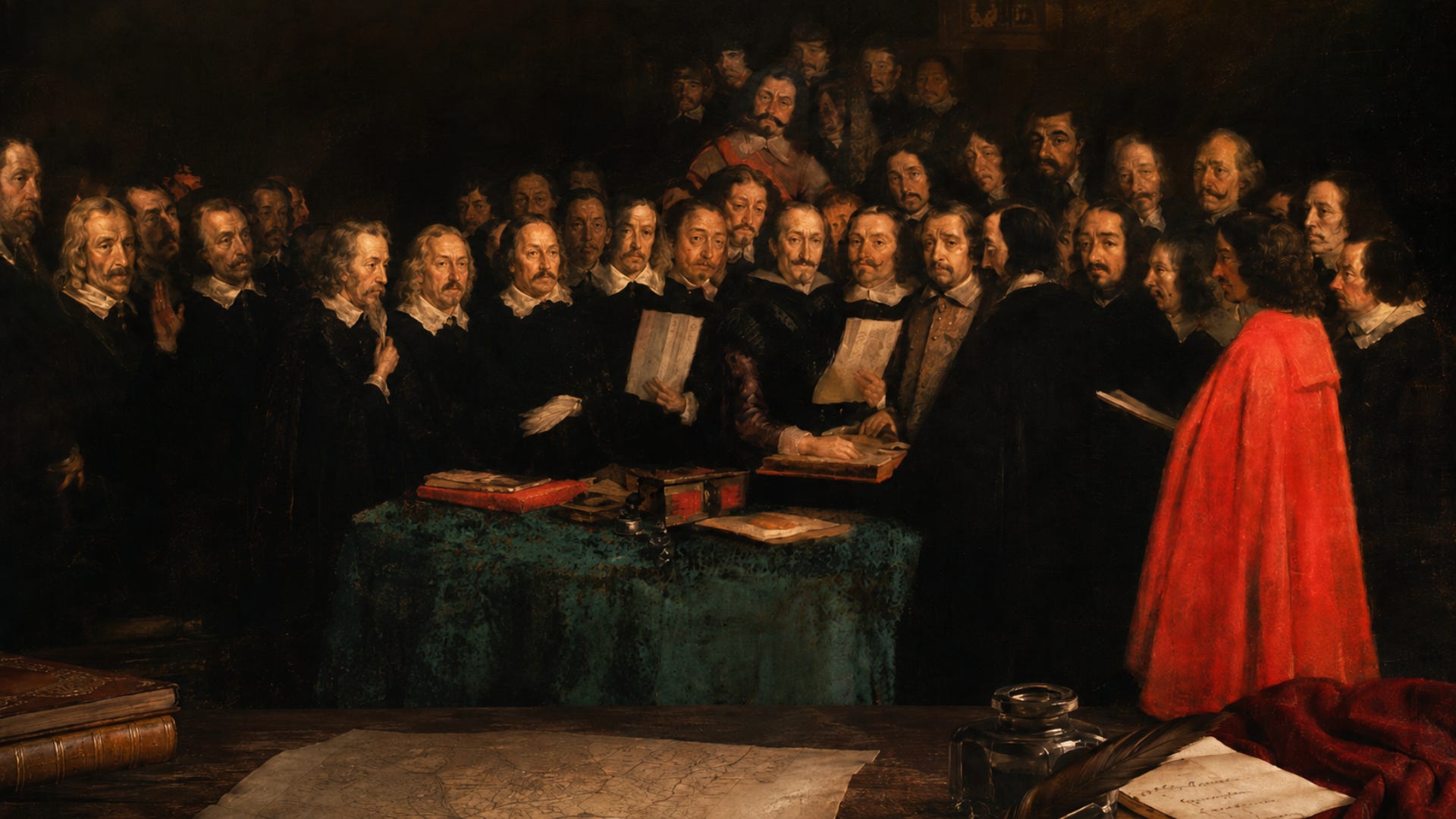
The Discipline of Resistance — History and International Relations reviewed
Munich became a word that ends arguments. That is what happens when IR converts history into shorthand. Howard LeRoy Malchow’s book argues for better dialogue between history and international relations. The review agrees and then pushes further: history should not decorate IR theory. It should interrupt it. Munich was not a lesson. It was a moment. And moments, unlike lessons, cannot be applied. Read it here
The Dossier this Week
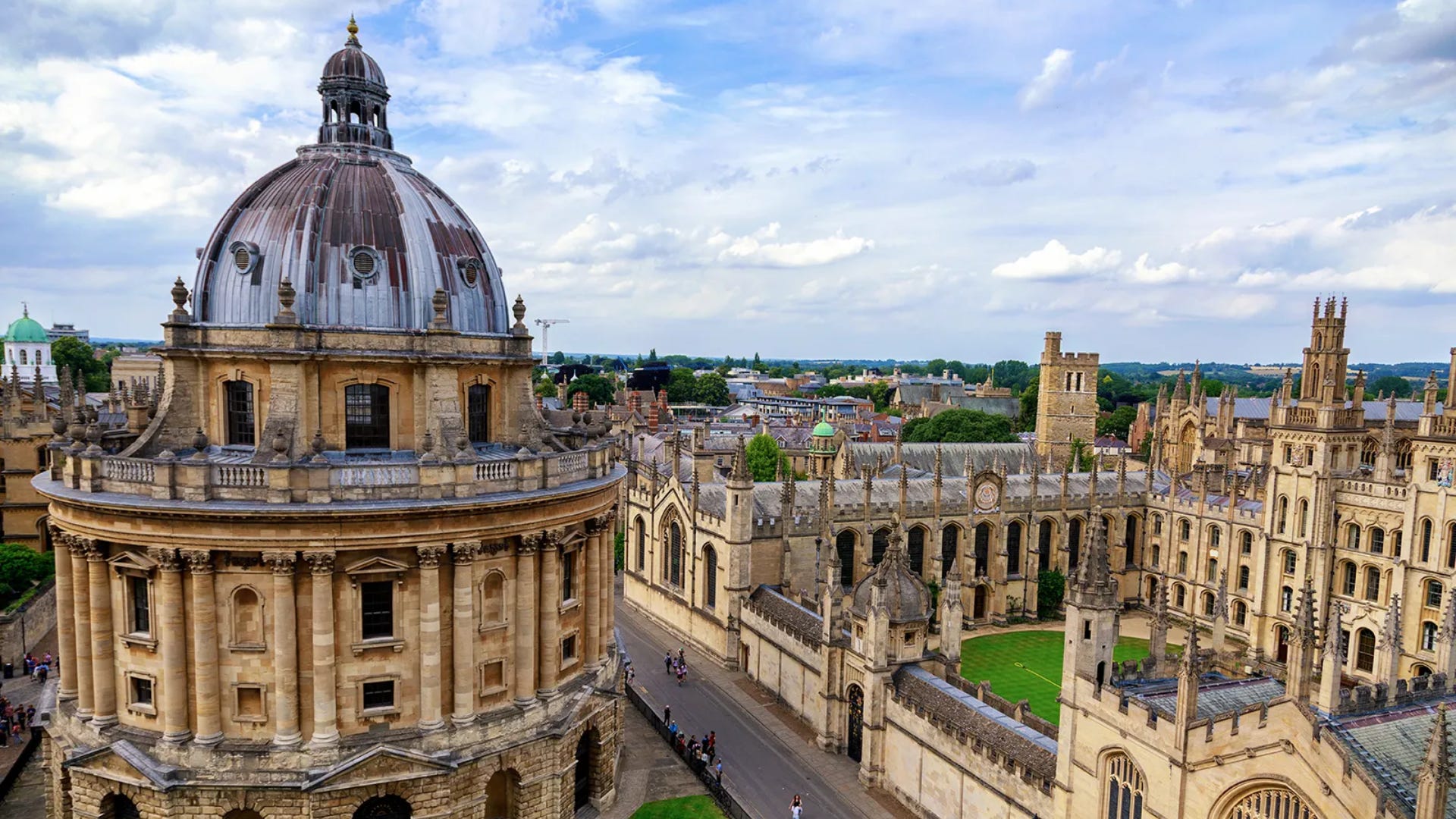
Best IR Programmes in the UK — A Guide for 2026 and 2027 Intake
The Chevening guide told you to apply to three universities. The Rhodes guide told you the course choice must follow from who you are. Neither named the courses. This one does — eight programmes across seven institutions, assessed honestly by career track, cost and scholarship eligibility. The King’s College London deadline for September 2026 entry is 25 August 2026. Seventeen days from today. If that deadline applies to you, read the King’s section first. Read it here
The week of Hiroshima Day. The interceptors are gone. The families are still at the port. Tunisia is counting its dead in the dark. The bill from the Iran war has been arriving in different currencies all week — in Patriot missiles refused to Ukraine, in families killed on Qeshm, in stockpiles that take years to rebuild and were gone in five months.
Read. Think. React. No neutrality. No noise. Just argument. Until next Saturday.
Sunny Peter
Editor,
DiploPolis.com