


A ceasefire signed, violated, declared dead and mourned in the same week. A Supreme Leader buried in the city where he was born while the president who killed him called his successors scum at a NATO press conference. A Modi trophy cabinet that included an award that misspelled the name of the country giving it. A man who coined the word genocide and died with seven people at his funeral, whose instrument turned out to be precise enough to reach Gaza even if the world's political architecture cannot enforce it.
Five Ledger pieces. Two Analysis pieces. One book review. One Dossier guide. The world did not slow down to give us time to think. Here is what I was thinking anyway..
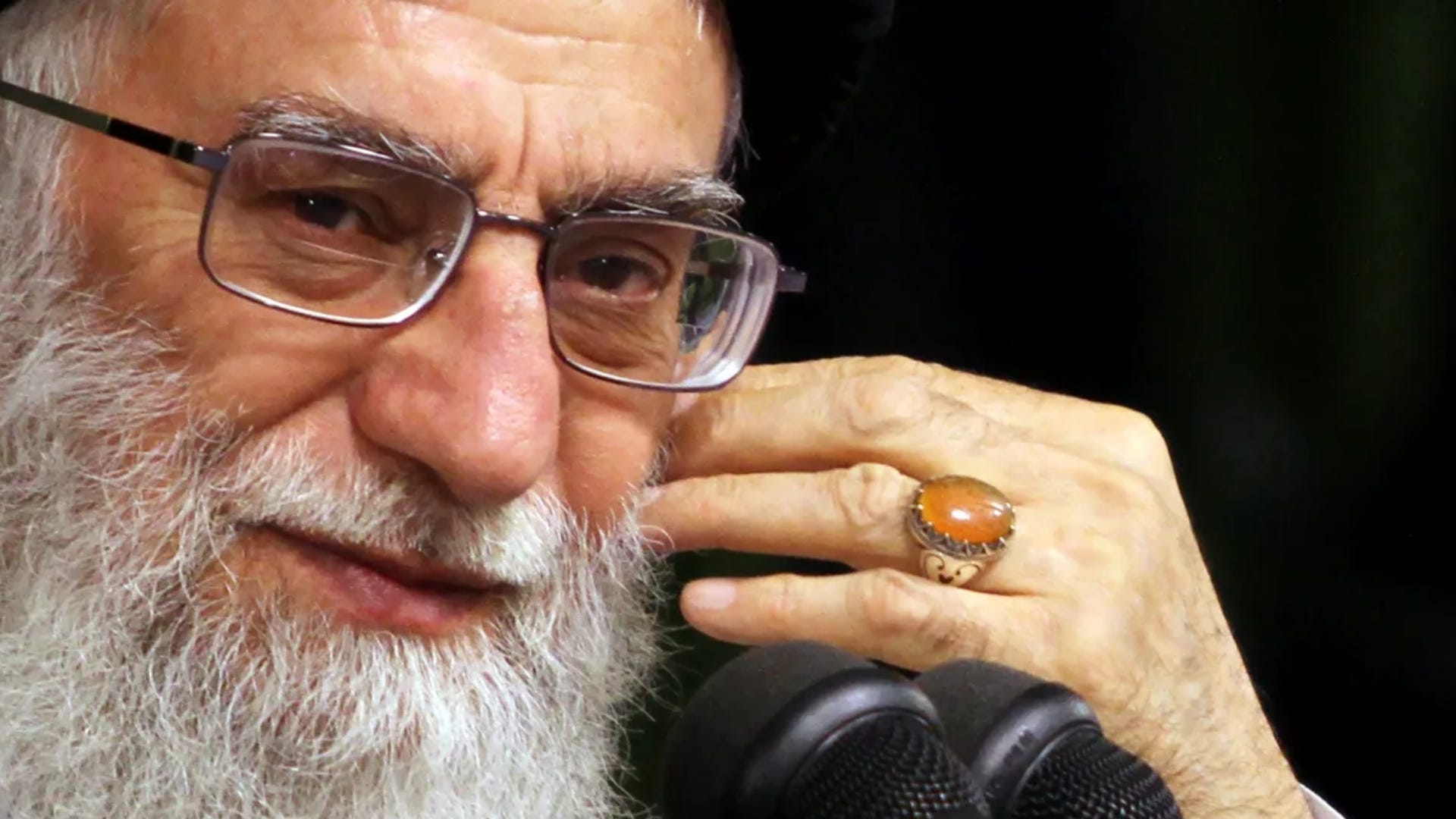
We Gave Them a Week Off
Trump stood at Mount Rushmore on July 3 and told reporters America had given Iran a week off for a funeral because, as he put it, they were nice. One sentence. It told you everything about how this administration understands mourning, sovereignty and the difference between a pause and a peace. Read it here
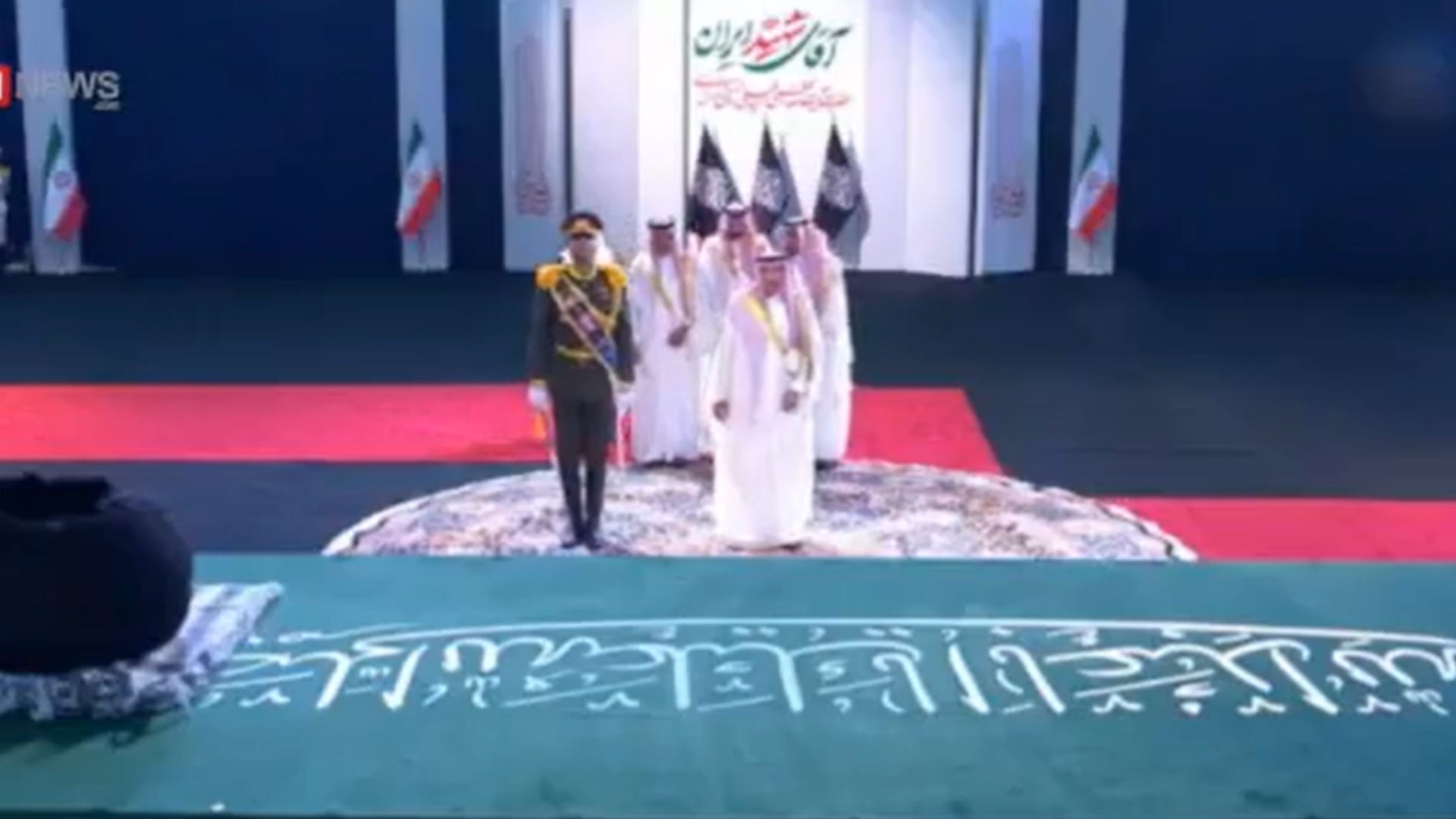
Every Verse Had an Address
Iran recited specific Quranic verses for each foreign delegation at Khamenei’s funeral — different verses for Saudi Arabia, Lebanon, Pakistan, Russia, India, Egypt and the resistance movements. It was the most compressed act of foreign policy communication I have seen in years. Nobody needed a press conference. The Quran did the work. Read it here
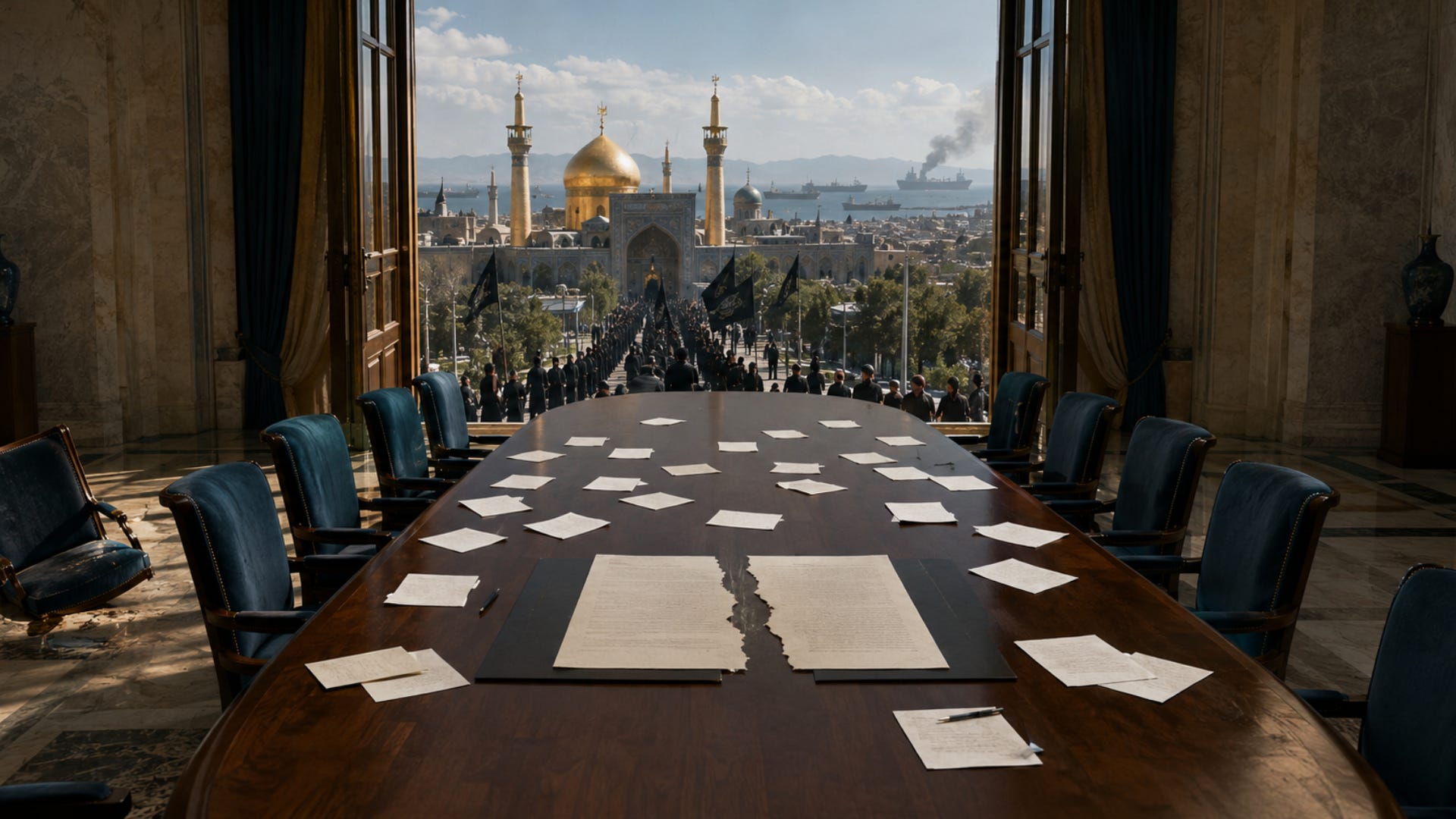
Not a Peace. A Pause.
The MOU was nineteen days old when both sides were already in breach of each other’s version of it. Iran’s Parliament Speaker alleged three clauses had been violated before a single handshake. The Hormuz was still largely closed. A ceasefire that is disputed before the parties meet is not a ceasefire. The fighting had paused. The argument had not. Read it here
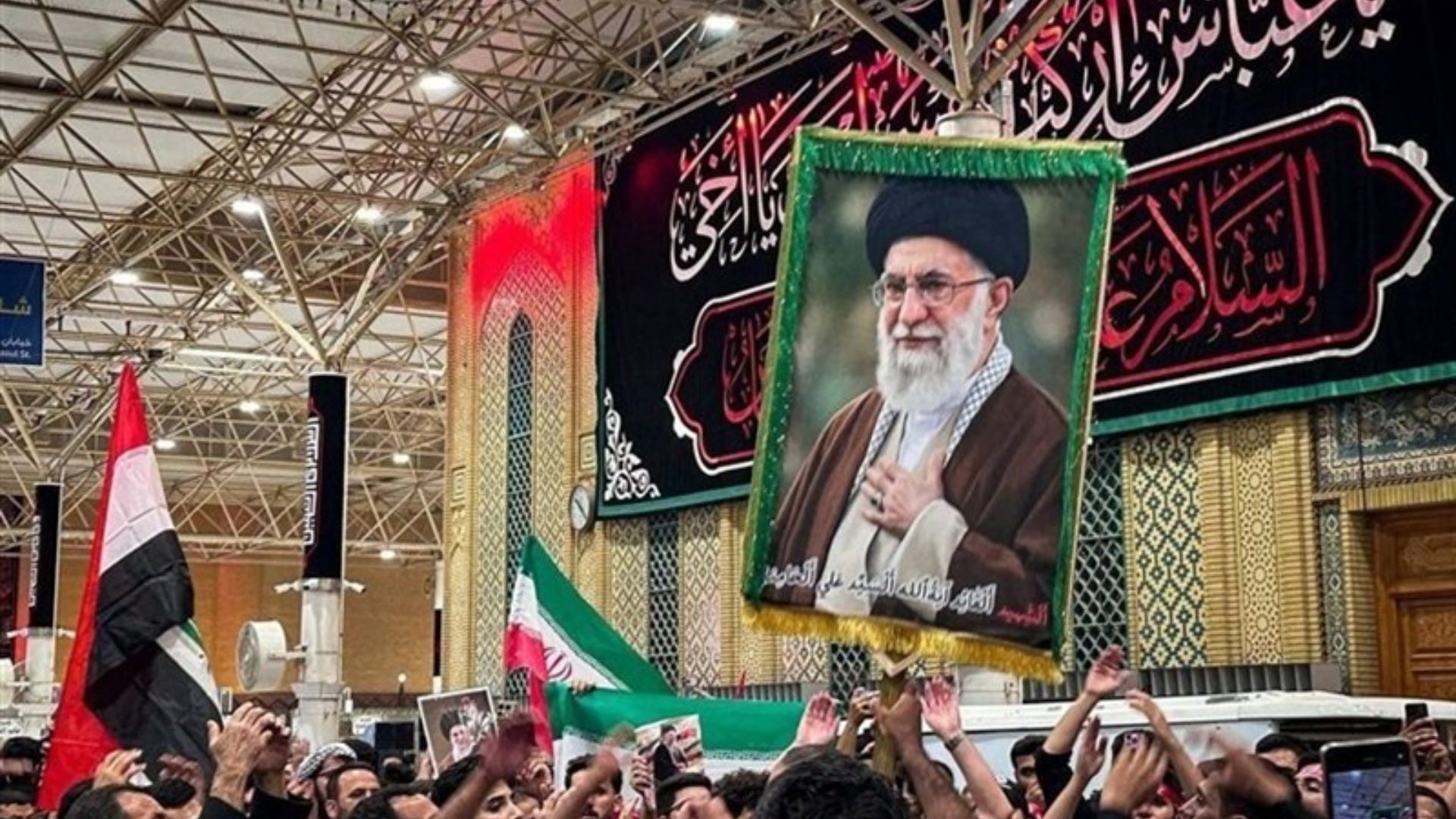
They’re Scum
Trump declared the ceasefire over at a NATO press gaggle in Ankara while Khamenei’s coffin was moving through Najaf. He called Iran’s leaders scum, cuckoo and liars. He said his negotiators were wasting their time. The MOU lasted twenty-two days. Iran has not said talks are over. The country being called scum is, for now, letting the other side do the talking. Read it here
A War Trump Stuck Himself In
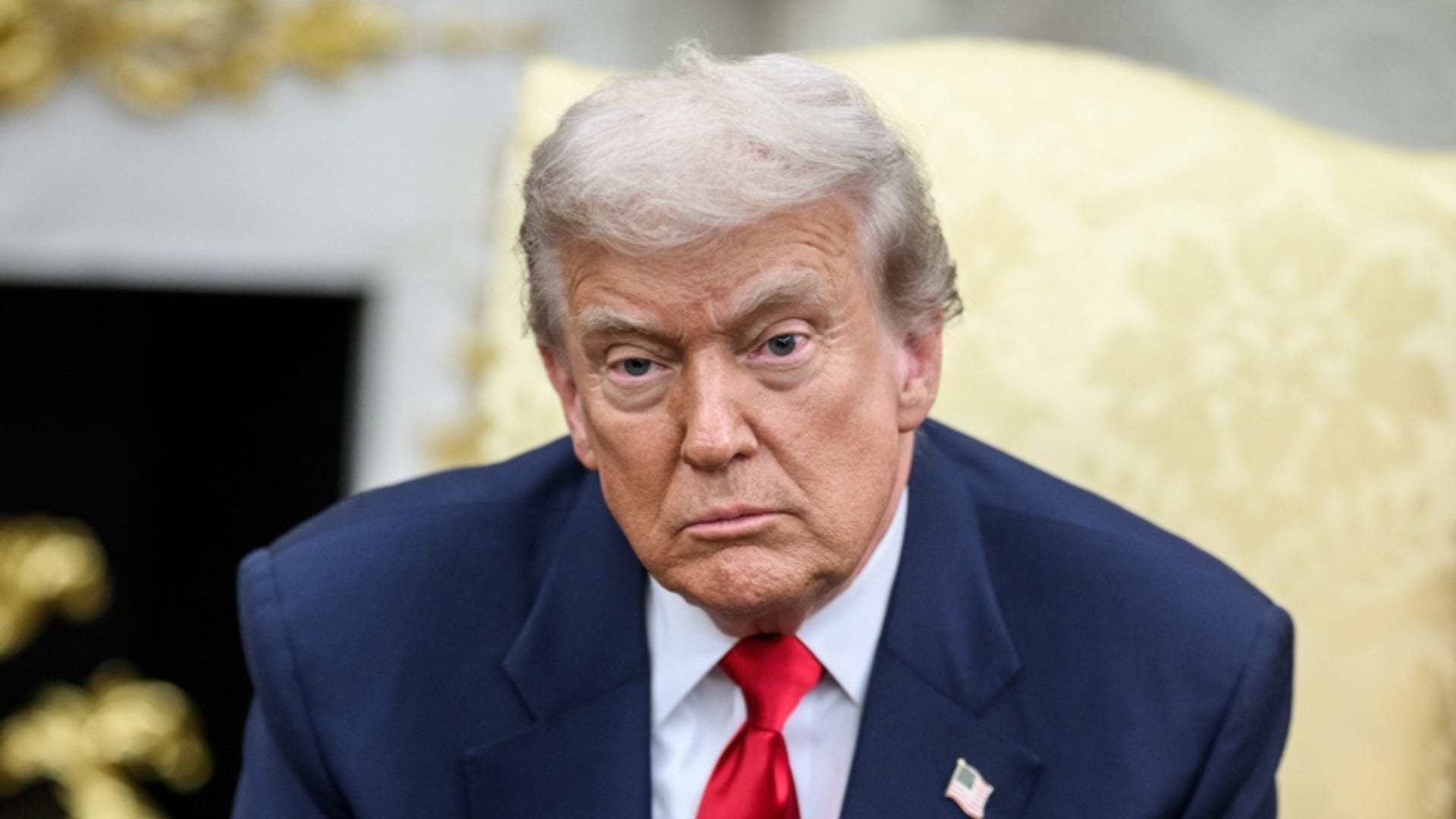
On June 17 Trump called Iran’s negotiators the smartest group his administration had dealt with and the MOU probably unconditional surrender. On July 8 he called those same people scum and cuckoo. Twenty-one days separated those two descriptions. The name-calling is not a diplomatic strategy. It is the sound of a man who oversold a deal, discovered what he had sold, and cannot afford to say so. Read it here
Analysis this Week
Modi’s Trophy Cabinet
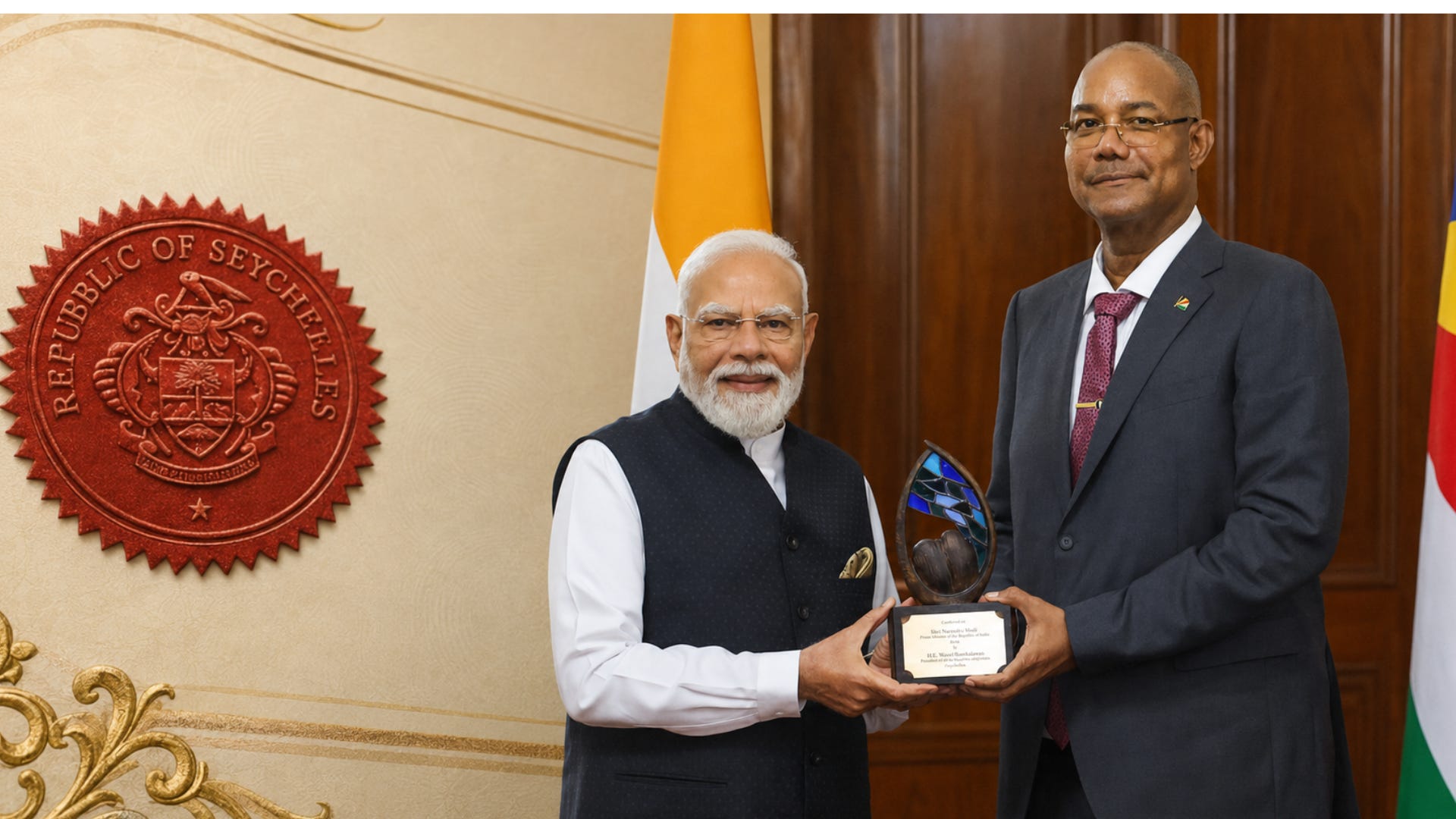
The Guardian reported that the Seychelles created a new award specifically for Modi’s visit — the ‘Guardian of the Blue Horizon’ — with a certificate that misspelled ‘Seychelles’ and appeared to have been AI-generated. The Knesset medal was created for his arrival in February 2026 with ICC warrants active. The Philip Kotler Award had no other recipient. I wrote this piece because the pattern matters more than any single award. When a country has to invent the honour, the honour is telling you something. Read it here
Lemkin’s Funeral
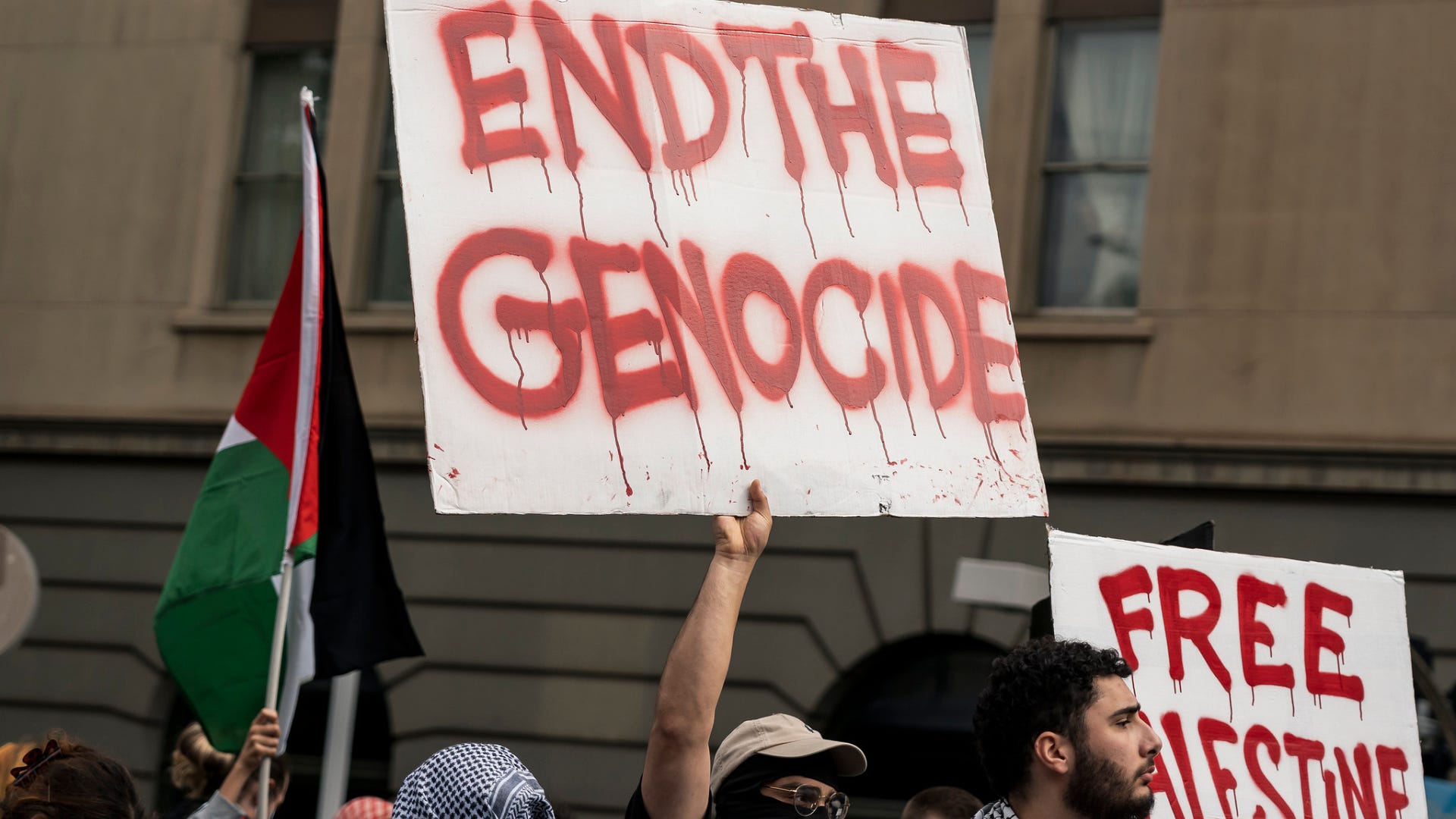
Raphael Lemkin coined genocide in 1944, got it into international law in 1948, and died with seven people at his funeral in 1959. In January 2024, fifteen judges at the International Court of Justice — including Justice Dalveer Bhandari of India — applied his Convention to Gaza and found the threshold for provisional measures met. Israel was found in breach within weeks. The court had no enforcement mechanism. Lemkin knew this would happen. He called the work the labors of Sisyphus. He built the instrument anyway, because a flawed instrument that names the thing correctly outlasts the political conditions that prevent anyone from stopping it. Read it here
Book Review this Week
The Politics Beneath the Promise
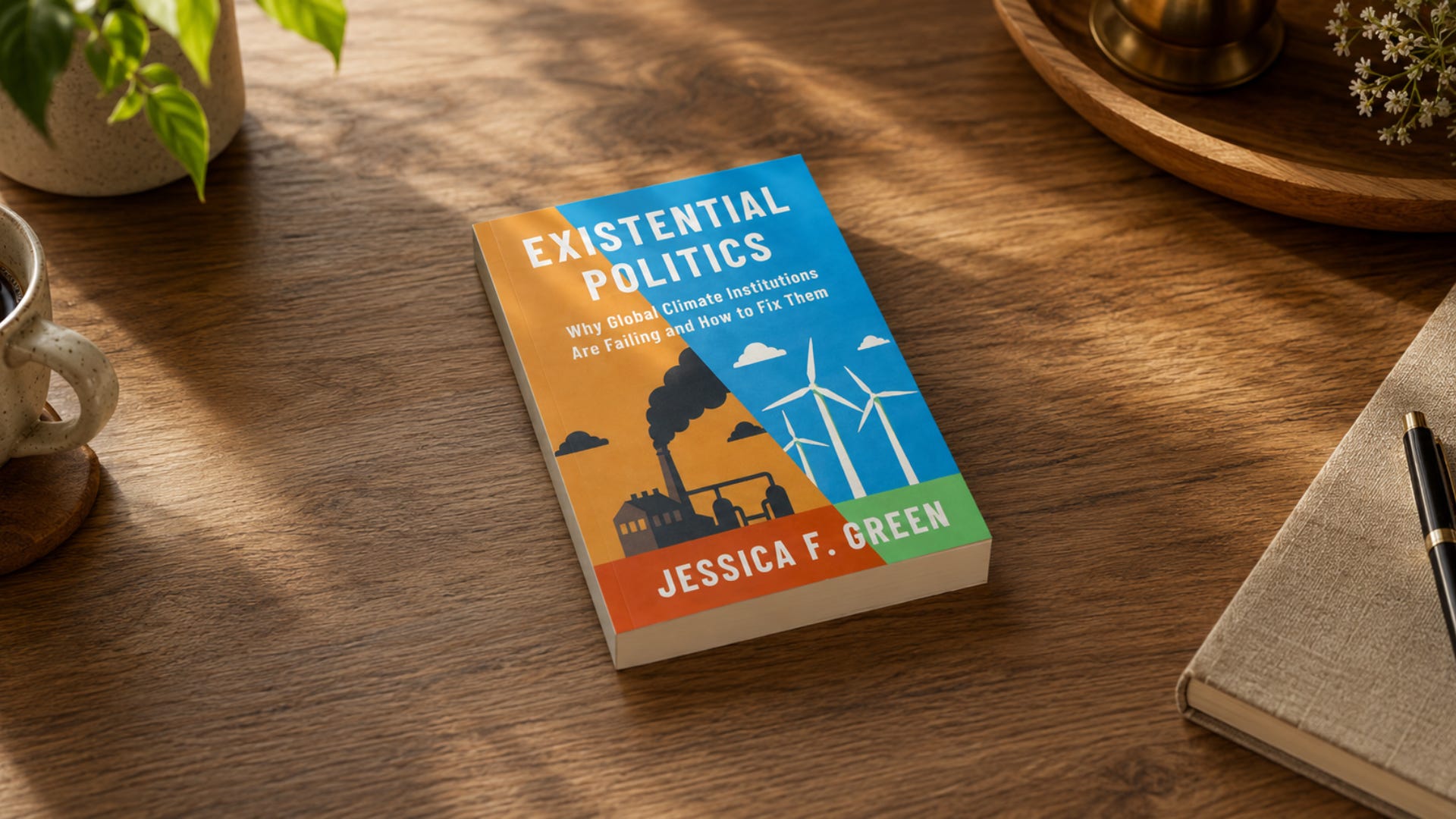
Jessica Green’s book argues that climate governance has always been political, that the failure of technocratic solutions is not an accident but a structural feature of how power works in international institutions, and that the only path forward is one that names the politics rather than pretending they can be managed away. I found myself agreeing with the diagnosis more than the prescription. Worth reading. Read it here
Dossier this Week

How to Get Into the Diplomatic Service: Five Countries, Five Systems
In the Dossier this week, an honest guide to five diplomatic services — India’s IFS via UPSC, Brazil’s CACD, Nigeria, Kenya and Indonesia. Five different answers to the same question: what kind of person should represent this country abroad? Brazil believes a diplomat must first be an intellectual. India believes in selecting the ablest generalist and then making them a diplomat. The others are working out their answers in real time. If you are considering a career in diplomacy, or advising someone who is, this is the piece to read. Read it here
Eight pieces. A war that declared itself over twice in the same week. A ceasefire that lasted nineteen days. A Supreme Leader buried in the city where he was born. Five diplomatic services compared. More than enough for the world to remind us why this publication exists.
Read. Think. React. No neutrality. No noise. Just argument. Until next Saturday.
Sunny Peter
Editor, DiploPolis.com