


This was meant to be a week about the Gulf. It became a week about the gap between what governments say and what they do, on every side of every conflict. Nine pieces this week, five Ledger, two Analysis, one book review, one Dossier reading list. Here is what was on my mind when I wrote each one.
Ledgers this Week
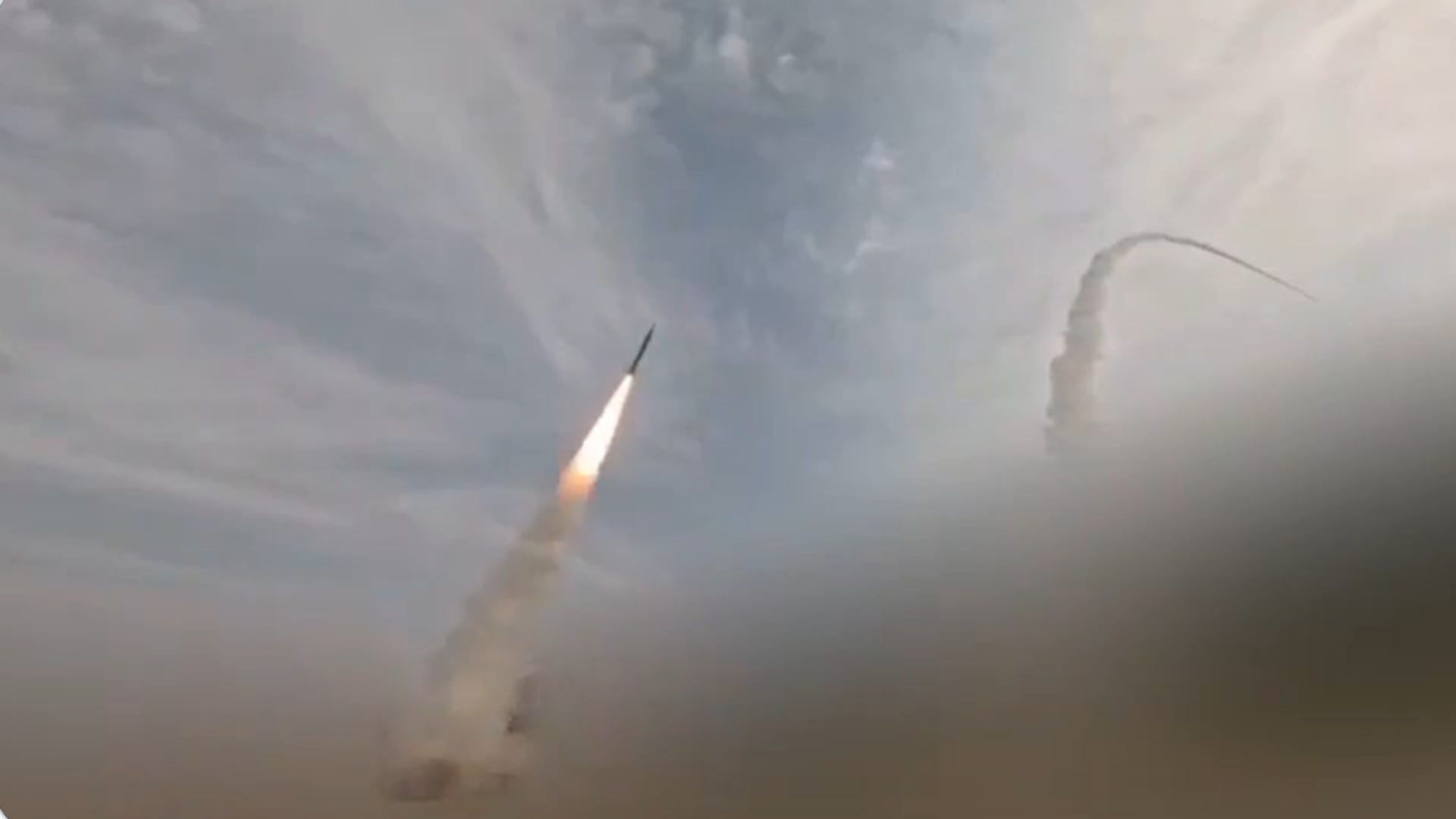
He Died the Morning Iran Struck Qatar
Sheikh Hamad built Qatar’s entire foreign policy identity on the premise that you could talk to everyone and be trusted by everyone. I wrote this piece because he died the same morning Iran proved that premise wrong. Six countries insisted they were not parties to the war. All six took missiles anyway. The obituary and the airstrike arrived in the same news cycle, and neither one made sense without the other. Read it here
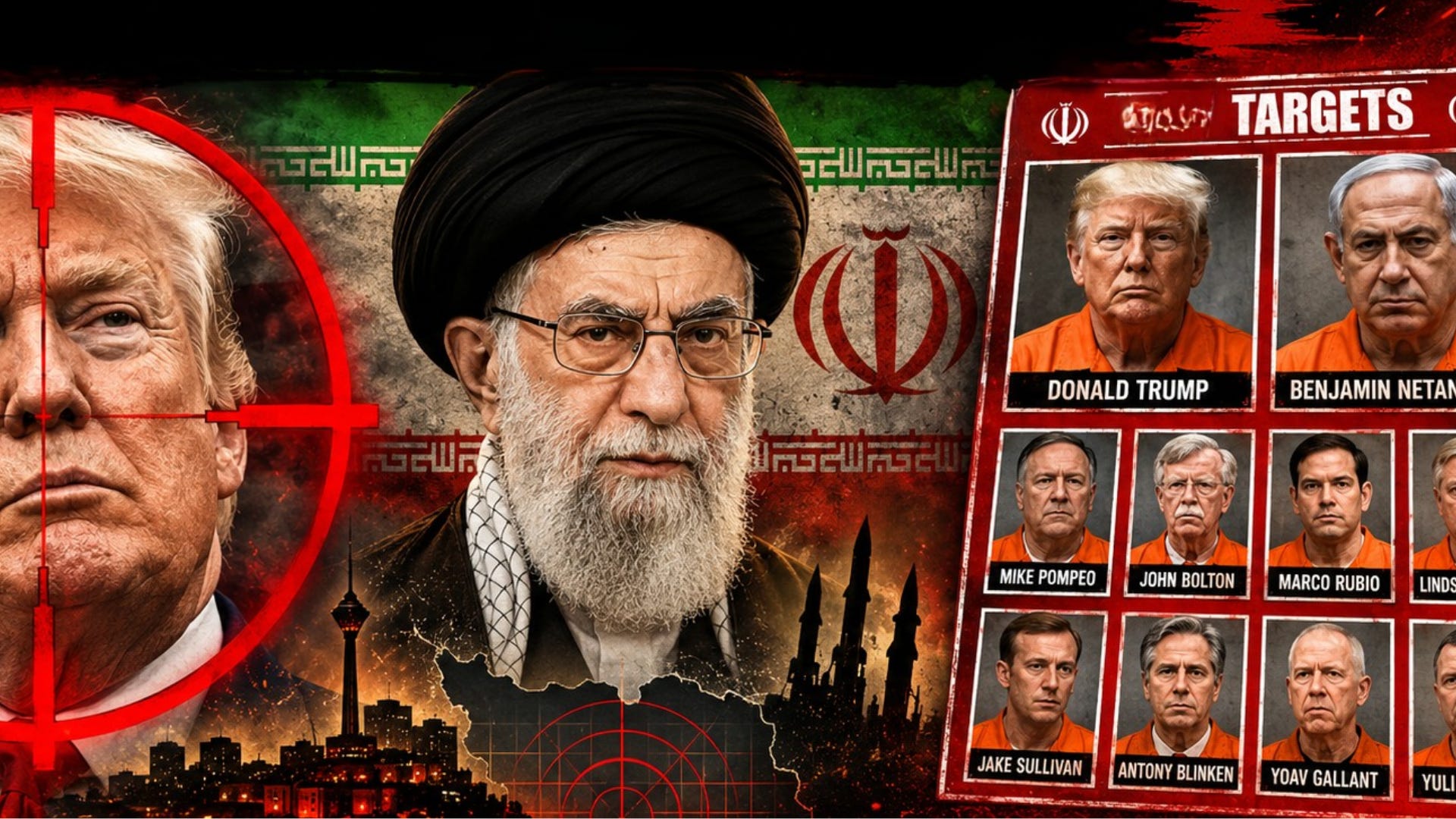
Kill List. Nuclear Offer. Sunday.
Iran published a kill list with crosshairs on Trump and Netanyahu on Saturday, and by Monday its mediators were still on the phone with Oman and Qatar. Western coverage treated this as contradiction. I wrote this piece because it is not. Iran has held vengeance and diplomacy in the same hand since 1979, and coverage that keeps being surprised by this has never taken Iranian political culture seriously enough to understand it. Read it here

Rubio Said It Was Illegal. Trump Is Doing It.
Rubio stood in Abu Dhabi in June and said no country can charge a toll on an international waterway. Three weeks later his own president announced a 20 per cent toll on Hormuz cargo. I wrote this piece because the symmetry was too precise to let pass. Washington had spent months insisting Iran’s toll booth was illegal, then built its own on the same water. Read it here
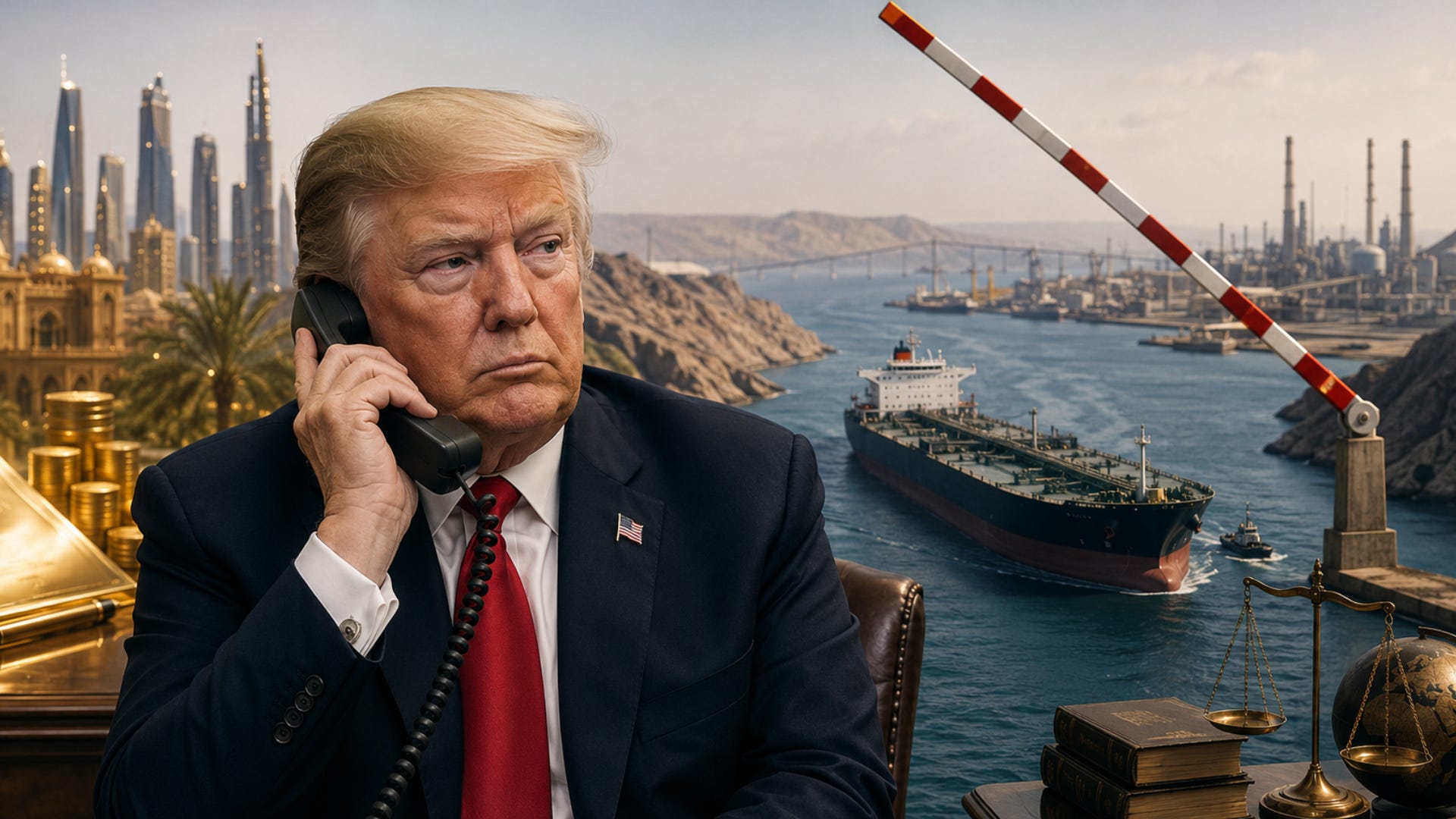
Not a Principle. A Price.
Trump dropped the Hormuz toll 25 hours after announcing it, and he used Rubio’s own words to do it. I wrote this piece the same day because the reversal proved the point the toll itself had already made. Freedom of navigation was never the governing consideration, on either day. Gulf kings called with a better offer, and the principle returned exactly when the price was right. Read it here
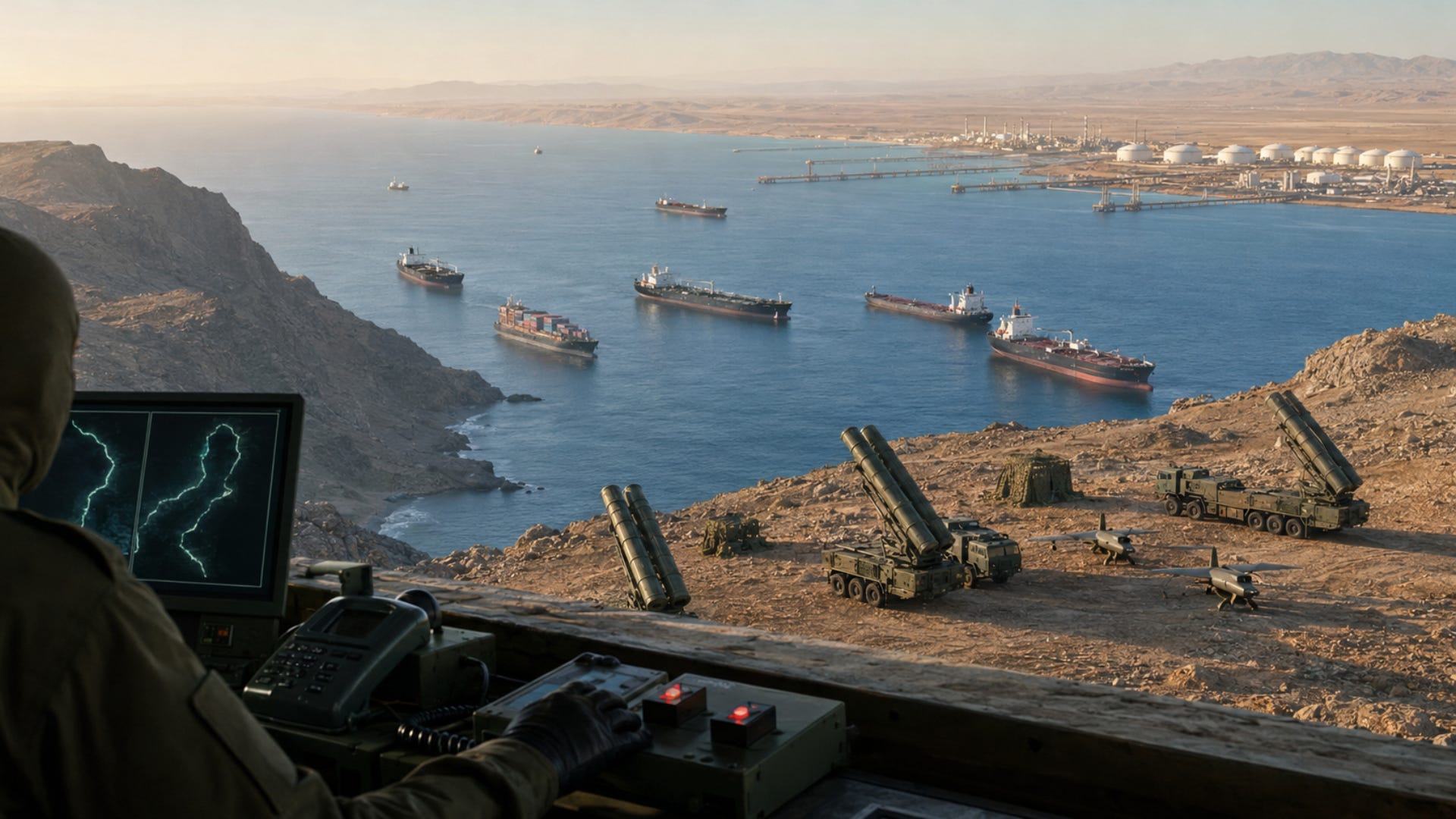
The Second Chokepoint
Reuters confirmed Thursday that Iran has told the Houthis to stand ready to close Bab el-Mandeb, and that IRGC officers already stationed in Yemen, not the Houthis themselves, control the timing. I wrote this piece because it means Iran now commands both chokepoints simultaneously, and a closure at Bab el-Mandeb would not hurt the United States nearly as much as it would hurt Europe, South Asia and East Asia. Read it here
Analysis this Week
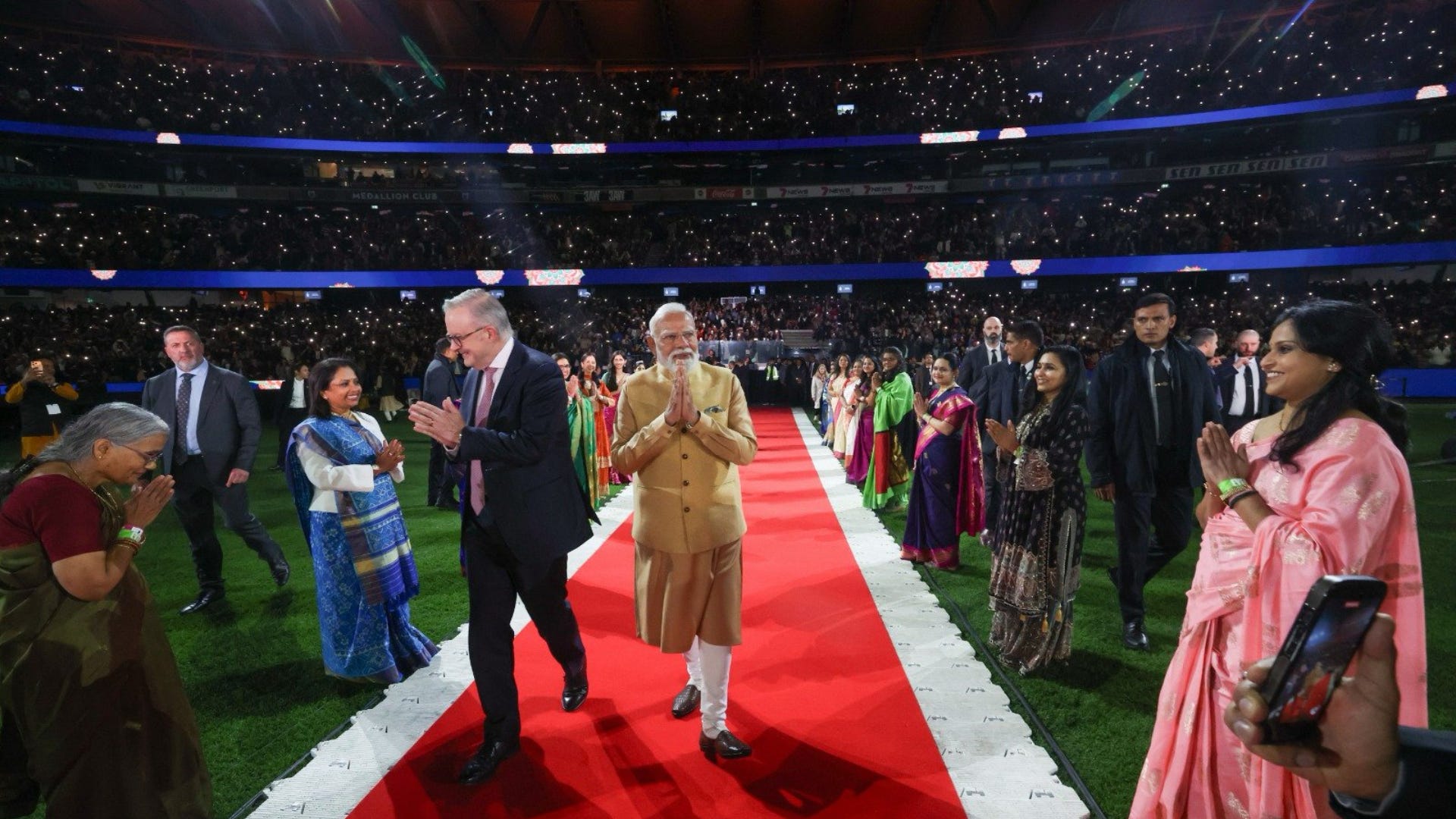
The Spectacle and the Silence
Three countries in two months asked Modi’s diplomats why he will not hold a press conference. I wanted to answer a different question: what is he doing instead, and what is it actually for. Thirty thousand people at Marvel Stadium is not spontaneous affection. It is 12 years of quota-based mobilisation, and it exists specifically to produce the footage that makes the absence of a press conference invisible back home. Read it here
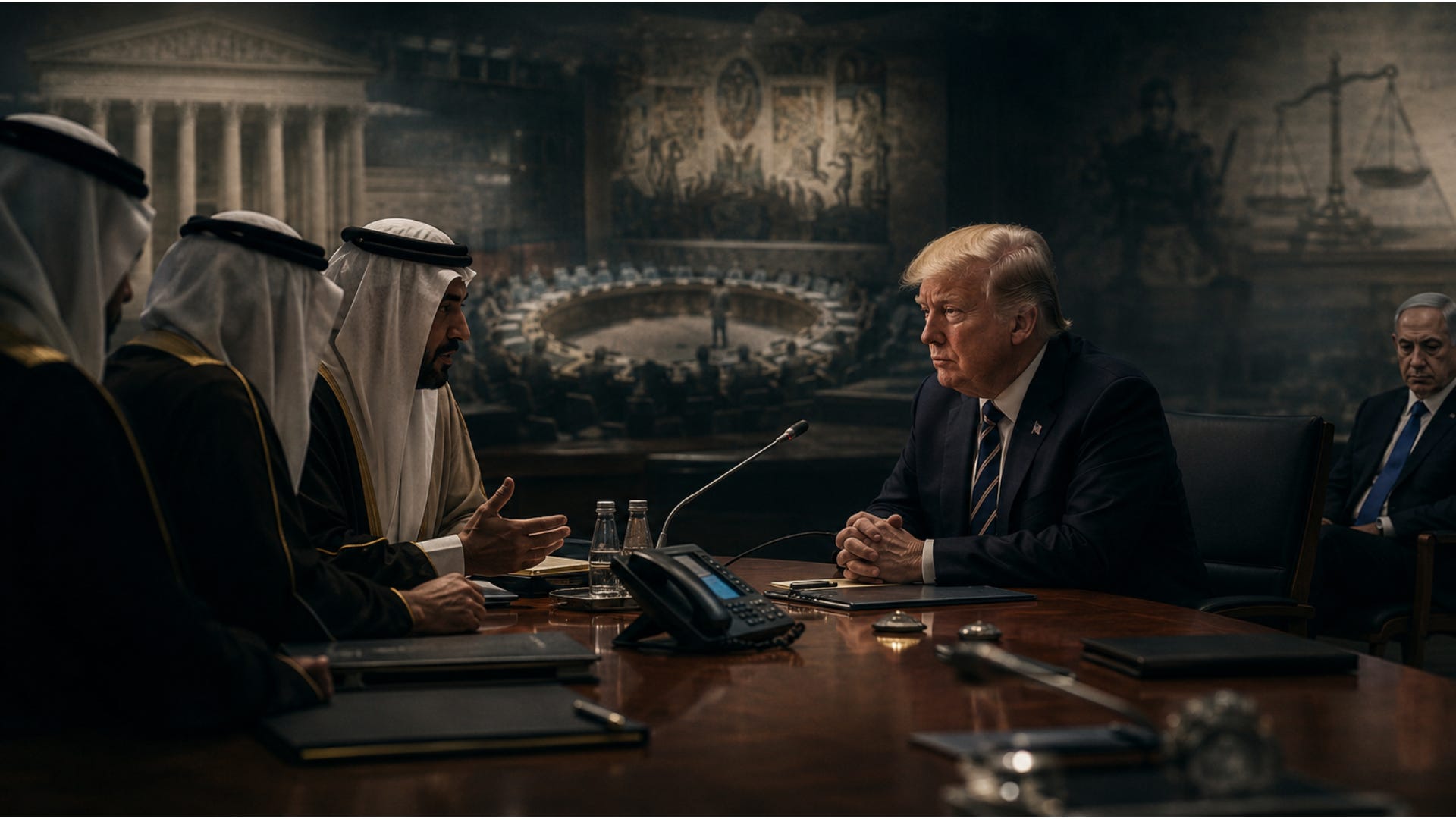
The Language of Power
The ICC, the ICJ, the UN Security Council and the G7 have spent 18 months failing to move Trump’s view of Netanyahu. Arab leaders did it in a single private conversation by speaking about his legacy instead of international law. I wrote this piece because the method is an uncomfortable answer to a question DiploPolis asks constantly: what actually moves power. The answer is rarely the institutions built to constrain it. Read it here
Book Review this Week
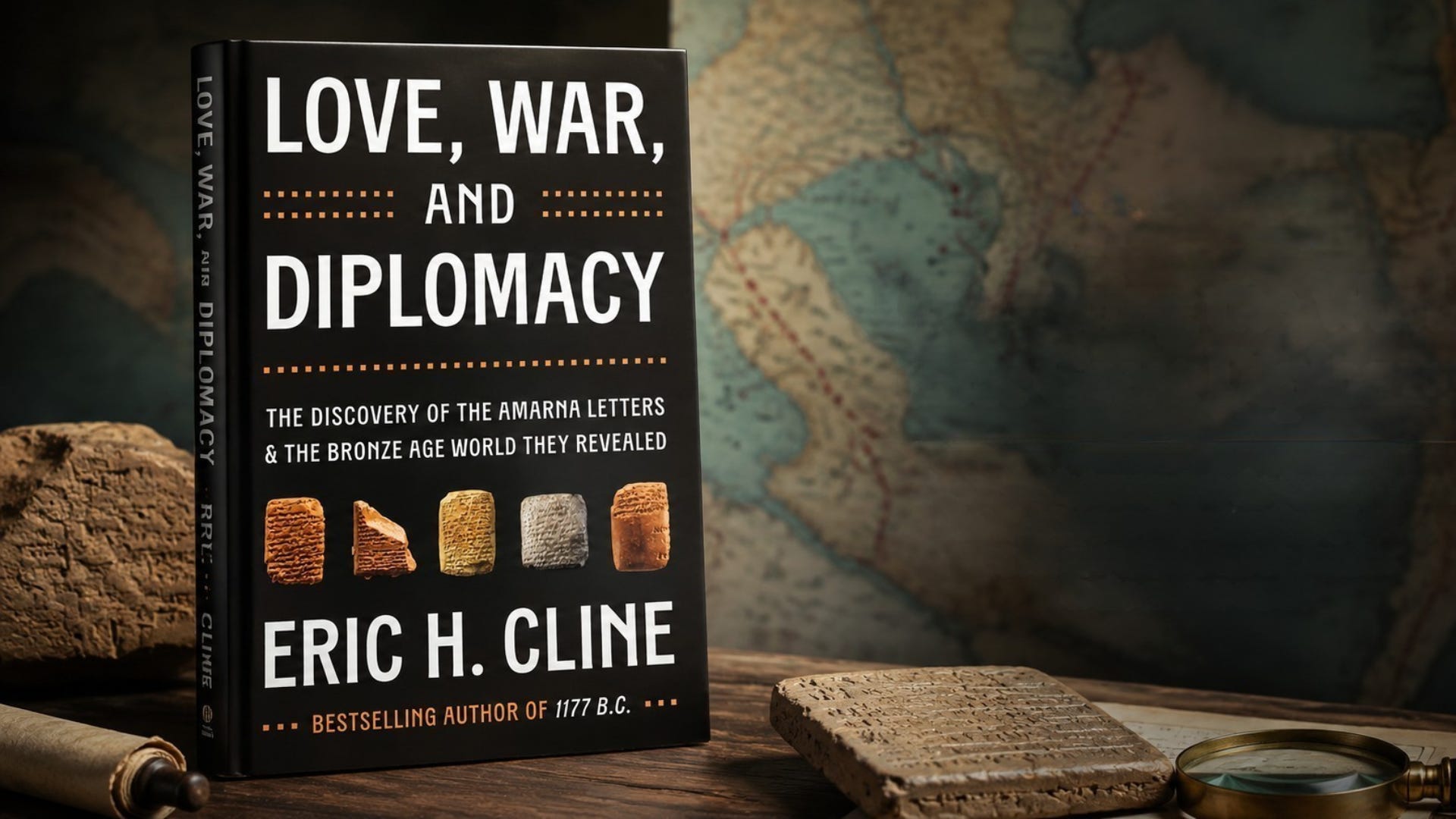
The Grammar Has Not Changed
Eric Cline’s book on the Amarna Letters kept surprising me with how contemporary it felt for a text 3,400 years old. Rib-Hadda of Byblos wrote letter after letter to Egypt asking whether alliance meant anything once danger actually arrived, and I recognised every Gulf state doing the same thing to Washington this month. I wrote this review because the grammar of the small state addressing the large one has simply never changed. Read it here
Dossier this Week

Ten Books That Teach You How Power Actually Works
Every geopolitics reading list I have come across is written from a desk in Washington or London, answering what the great powers should do next. I built this one from Mumbai, for a reader who wants to understand how the world looks from inside the system rather than from its controls. Ten books, arranged from the structural to the specific, built around exactly the week we just had. Read it here
Nine pieces. More than enough for the world to remind us why this publication exists.
Read. Think. React. No neutrality. No noise. Just argument. Until next Saturday.
Sunny Peter
Editor, DiploPolis.com