


The week Iran’s ceasefire negotiator was pelted with rocks, Lebanon got airline routes, and the world’s most powerful military told Congress it had no answer to the most basic question a senator could ask.
Five Ledger pieces. Two Analysis pieces. One book review. One Dossier guide. The war that began in February produced, this week, its clearest accounting yet — not of the dead or the dollars, but of what nobody knows how to do next. Here is what I was thinking when I wrote each one.
The Man They Pelted With Rocks
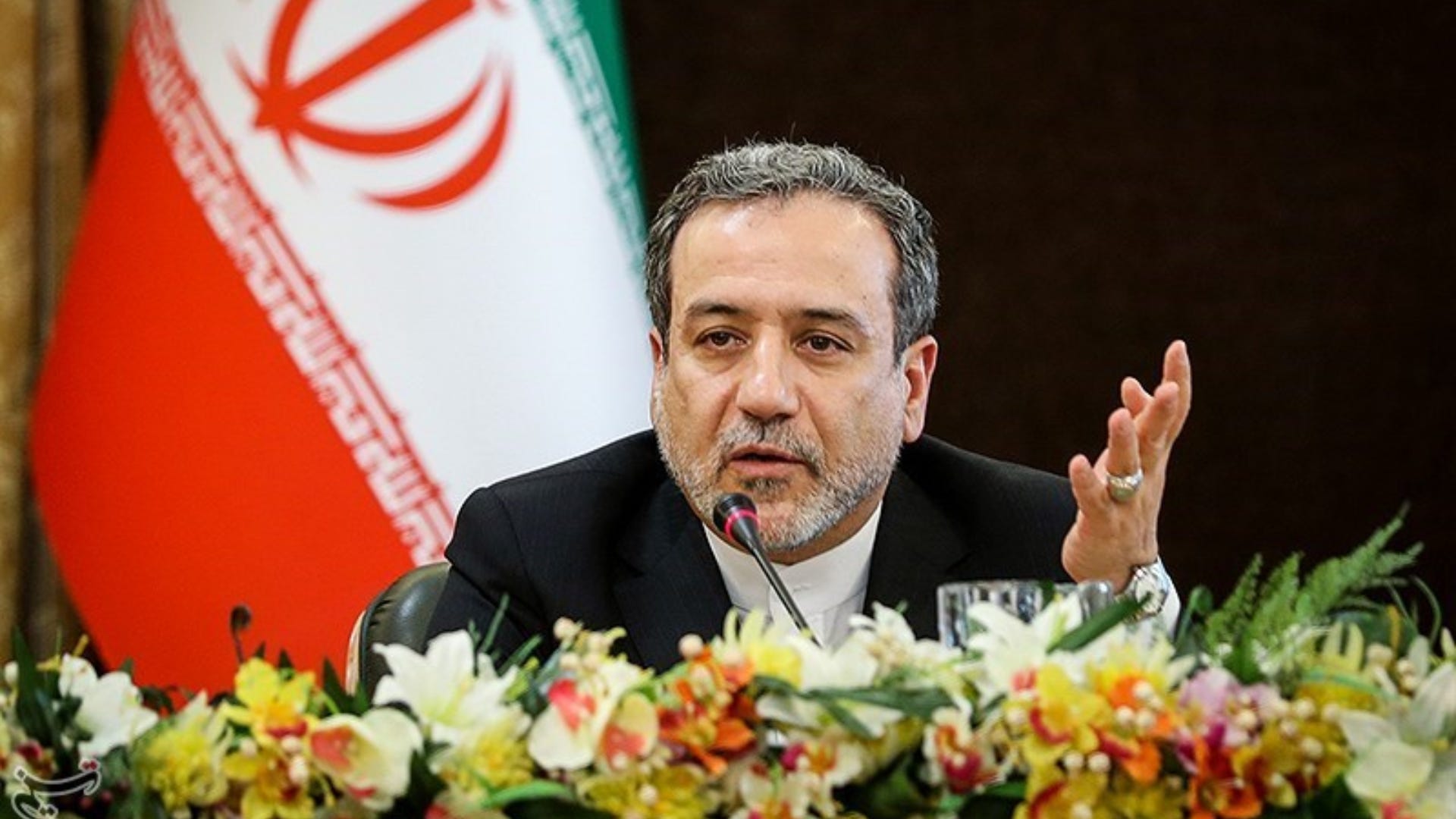
Abbas Araghchi negotiated the ceasefire that Washington called a breakthrough and hardliners called treason. At Khamenei’s funeral, a mob pelted him with rocks and chanted death threats. By Monday morning, mediators were asking him to return to the table. I wrote this piece because the ceasefire debate misses the structural point: the man who can sign it does not have the authority to make it hold, and the man who does have the authority has not been seen since February. A ceasefire requires two parties. Iran has several. Read it here
He Can Have Anything
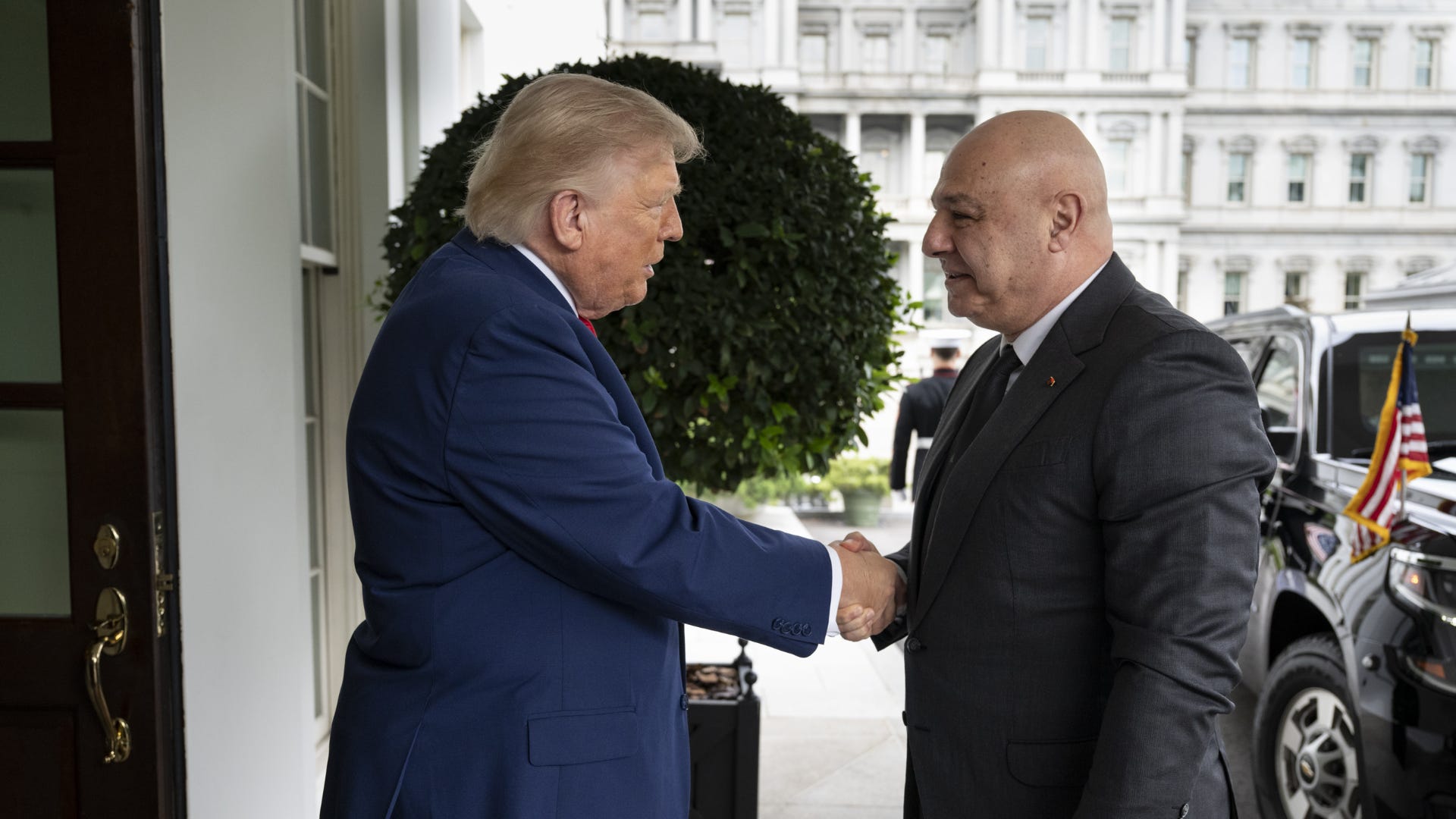
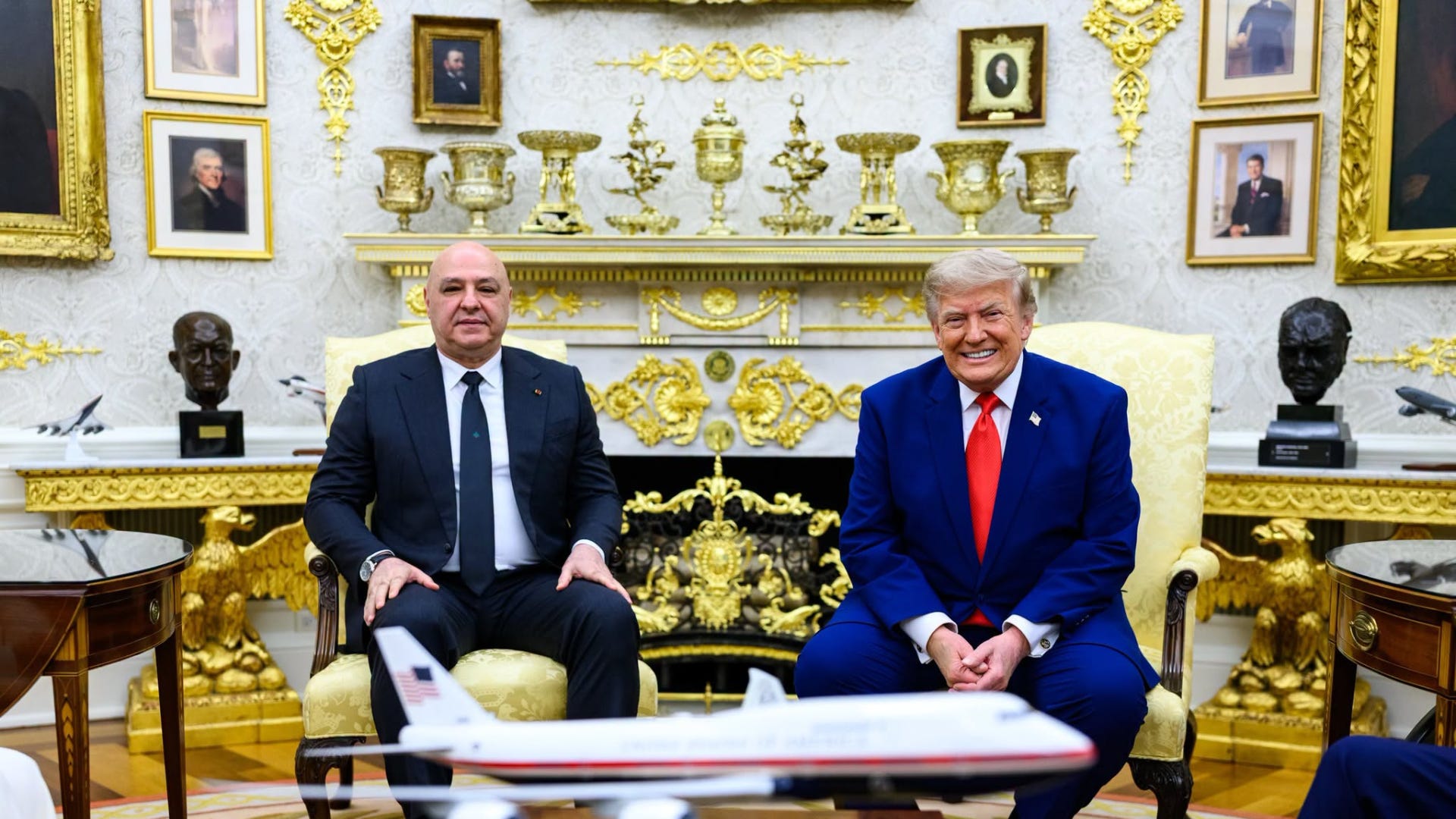
Lebanon’s president spent four days in Washington asking one thing: pressure Netanyahu to withdraw Israeli troops from southern Lebanon. He called Trump a great president. Trump smiled and said he could have anything. What he received was a 40-year aviation ban lifted and a warm handshake. On the same day, Israeli forces fired warning shots at Lebanese soldiers deploying to the first pilot zone. I wrote this piece because the Rib-Hadda parallel felt exact: the small state performing loyalty to the patron, the patron offering everything and delivering nothing the small state actually needs. The territory remains occupied. Read it here
$37.5 Billion. Seventeen Dead. Hormuz Closed.
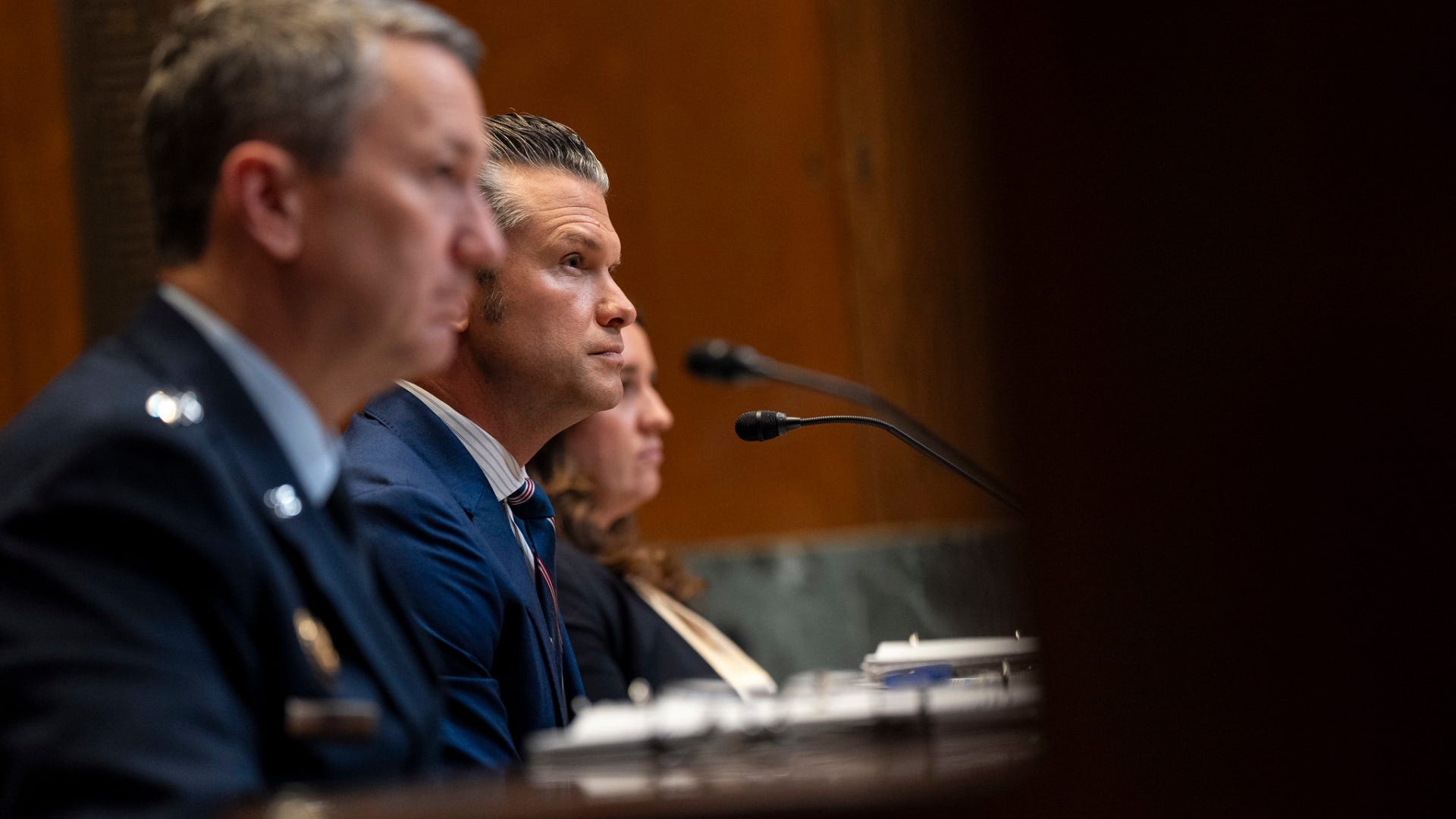
Hegseth told the Senate the war has cost $37.5 billion. House Speaker Mike Johnson called the Pentagon the Department of War without apparent irony. The United States has not had a Department of War since 1947. The slip told you something. The Strait of Hormuz was open before the war began. It is still closed. I wrote this piece because the arithmetic needed to be stated plainly in one place. The war was launched to open Hormuz. Hormuz is not open. Read it here
Nobody Knows How to Get Out.
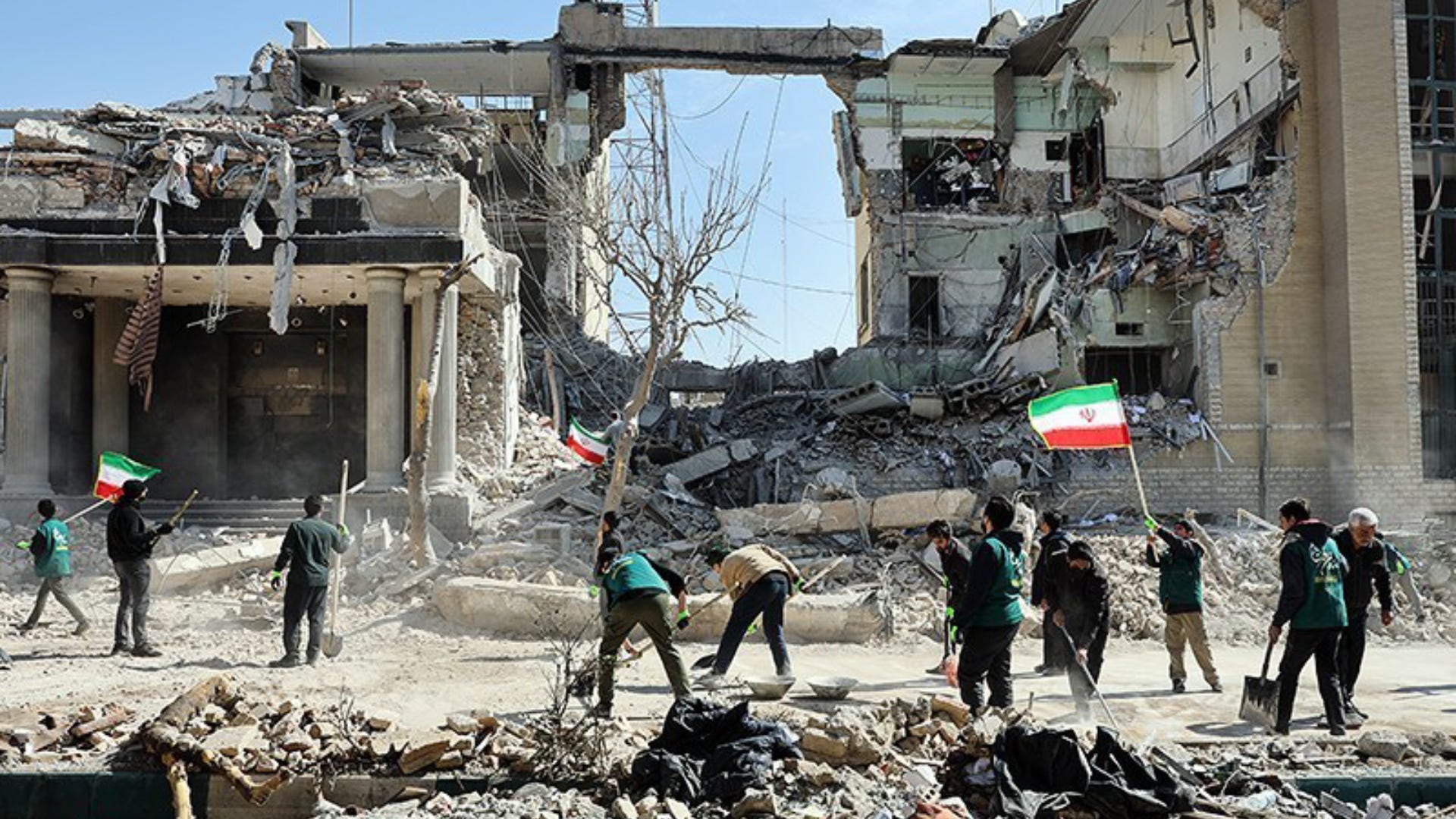
Republican Senator John Kennedy — a Trump supporter — asked the Pentagon two questions: why did we go to war with Iran and how do we get out? Nobody answered. I wrote this piece because the question itself was the story. Not the $37.5 billion. Not the supplemental request. The fact that a senator from the president’s own party is asking why they went in and how they get out and the Pentagon has no answer. That is the piece. Read it here
Trump Set the Price. Iran Did the Math.
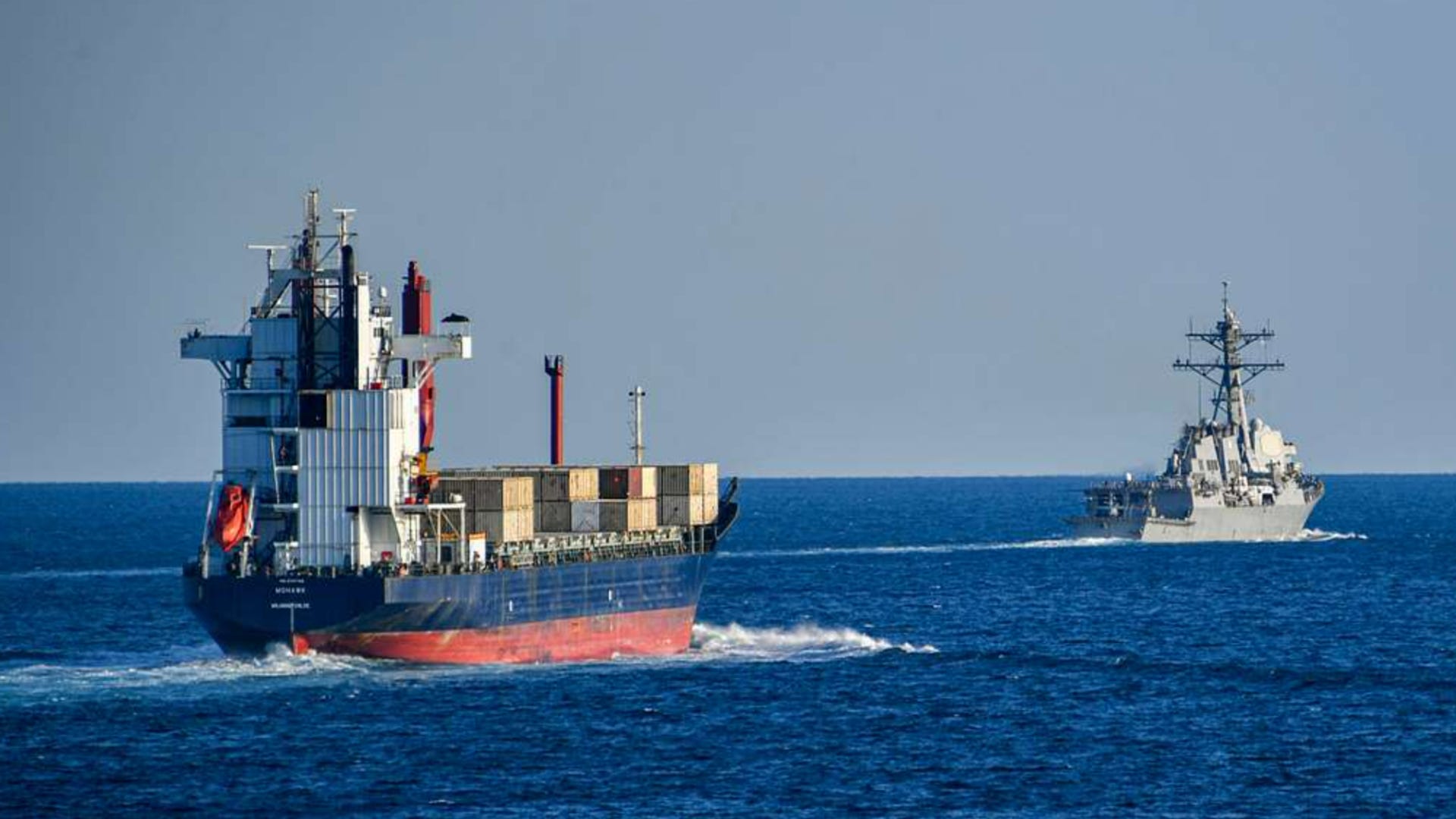
Trump announced a formula on Truth Social: one bridge or power plant destroyed for every Iranian ship attack, including in Tehran. On the same day he flew to Dover to receive the remains of four American service members killed in the war. I wrote this piece because the formula is not deterrence. Deterrence makes the cost of an action prohibitive. A formula tells the adversary exactly what each action costs and invites them to decide whether the price is right. Iran has attacked more than 30 ships. It has decided the exchange rate is acceptable. Trump set the price. Iran did the math. Read it here
Analysis this Week
What Aoun Actually Asked For
The companion analysis to the Ledger piece on Lebanon. Aoun came to Washington with the right ask and the right diplomatic method — flattery, legacy framing, a historic declaration that Lebanon would end hostility with Israel forever. He got the meeting. He got airline routes. He did not get a commitment to pressure Netanyahu. I wrote this piece because the Aoun visit is a case study in what small state strategy produces when the patron’s attention is elsewhere. The ceiling of clever diplomacy is determined by the patron’s priorities, not the small state’s skill. The patron is running a $37.5 billion war with Iran. Lebanon is not the primary concern. Read it here
In the Mother of Democracy, Students Came With the Constitution. The Police Came With Batons.
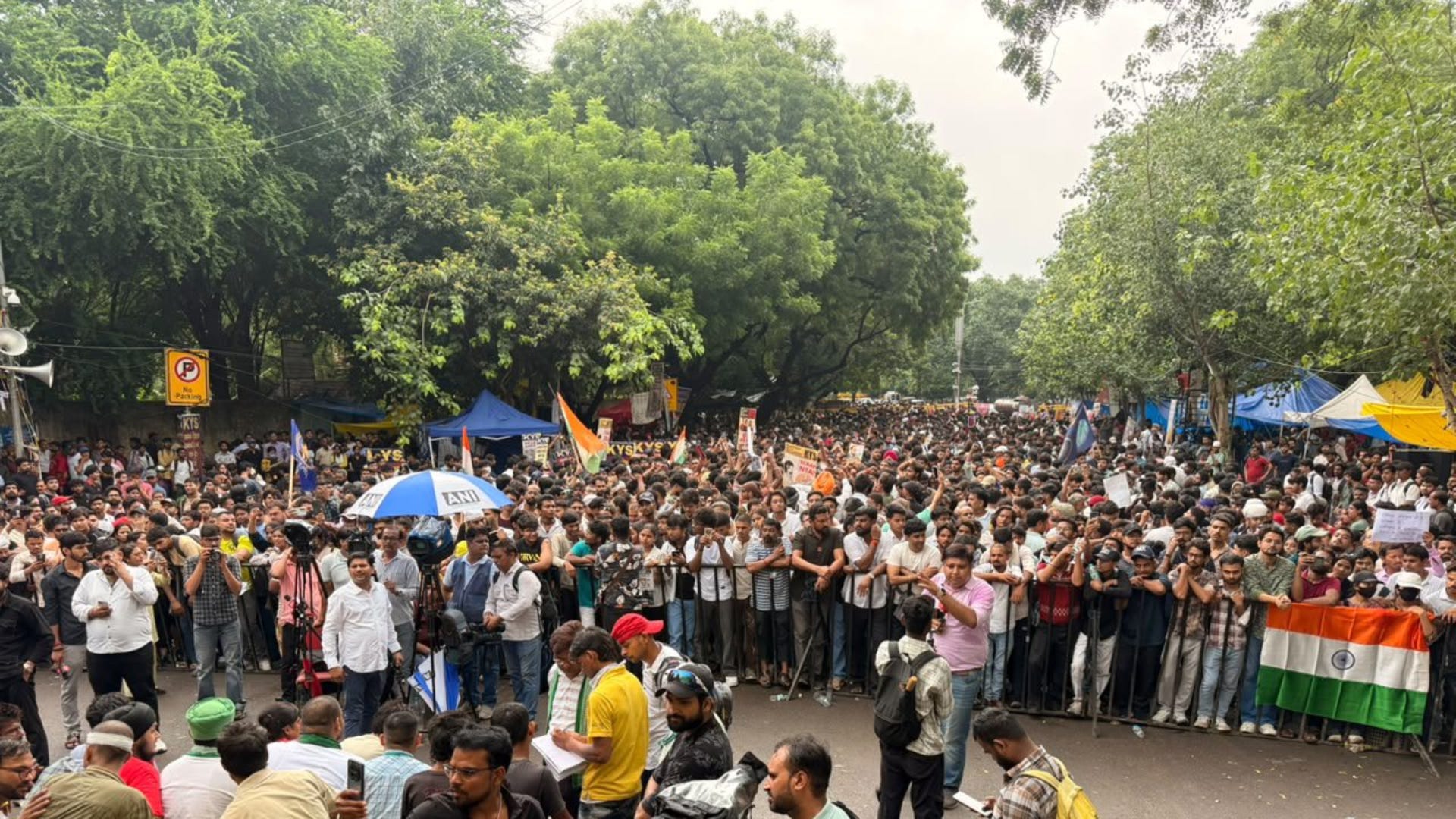
Modi spent three weeks filling stadiums in Melbourne, Auckland and Jakarta as Vishwaguru — teacher of the world, the Mother of Democracy on the global stage. On July 20, eleven days after Melbourne, Delhi Police used tear gas and batons on students who had marched on parliament with copies of the Constitution. Students arrived at RML Hospital that evening with stitched head wounds and broken bones. In one video that circulated widely, a young girl stood in the tear gas and pleaded with a police officer in Hindi: if your own children were here, would you treat them like this? I wrote this piece because the stadiums and the crackdown are not separate stories. One creates the image. The other is what the image was built to protect against. Read it here
Book Review this Week
When the Enemy Becomes Necessary
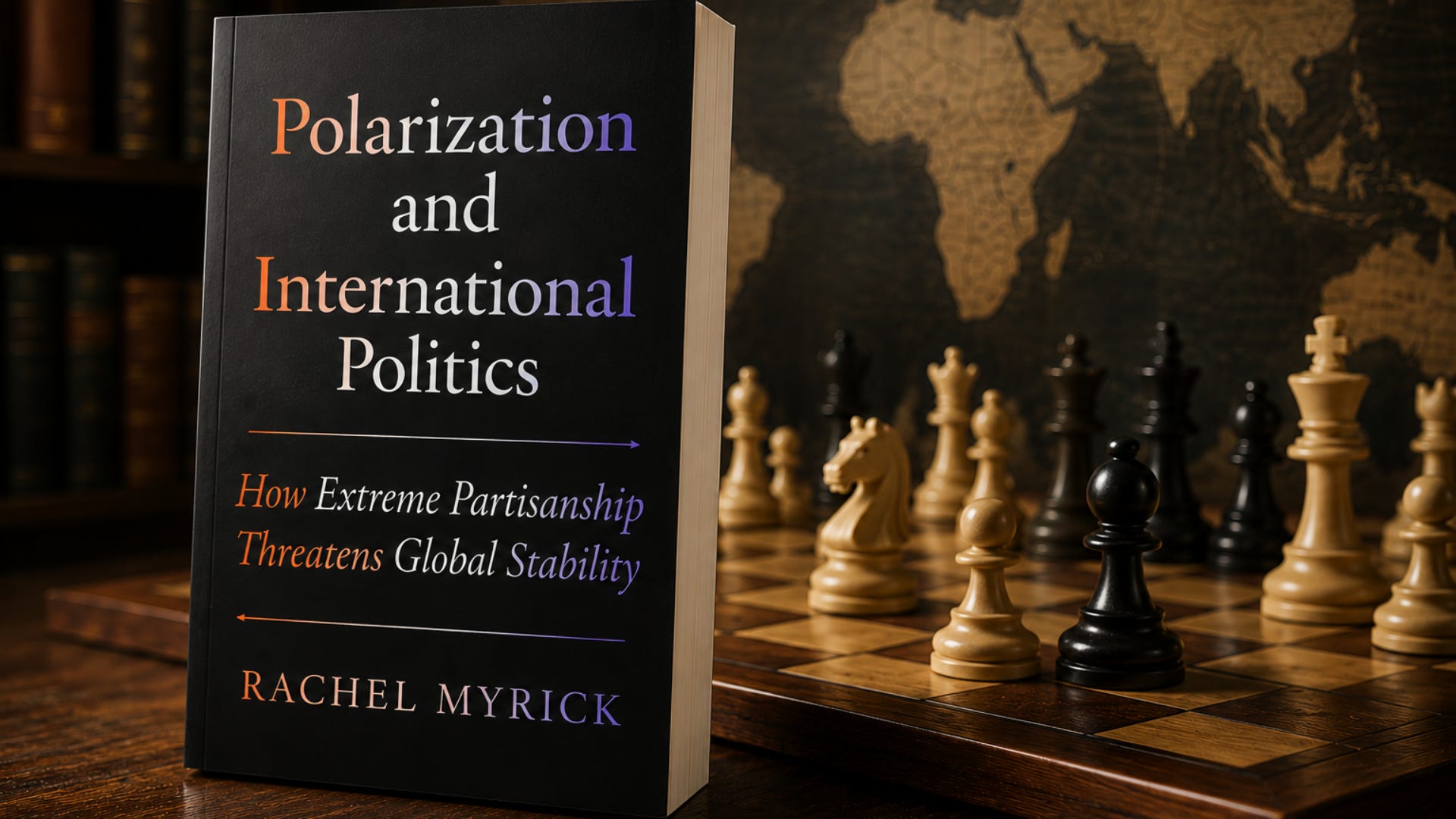
Rachel Myrick’s Polarization and International Politics argues that domestic fracture reshapes how democracies conduct foreign policy — that when political competition becomes intense enough, restraint looks like weakness and diplomacy looks like softness. I reviewed it because the argument travels beyond America, which is where Myrick focuses. It travels to India, where the foreign adversary has become a domestic political necessity. It travels to Israel, where the war aim is unstable because it is being fought simultaneously against Hamas and inside Israeli coalition politics. Where it does not fully travel is Pakistan, where the deeper mechanism is civil-military imbalance rather than partisan polarisation. The cases the book cannot explain are as revealing as the ones it can. Read it here
The Dossier this Week

Chevening Is Not a Merit Scholarship. Most Applicants Treat It Like One.
Applications for the Chevening Scholarship 2027/28 open on 4 August. The Dossier this week is the guide I wish had existed when I first encountered Chevening: what the selection committee is actually looking for, why a 9.2 CGPA with no leadership evidence loses to a 7.8 CGPA with a specific career plan, what the four essays are testing and what specific means in each context, and what guides written for Western applicants do not tell you if you are applying from India, Nigeria, Kenya or Pakistan. Applications open in ten days. Start now. Read it here
Five Ledger pieces. A war that cost $37.5 billion this week and produced no open strait, no signed ceasefire and no answer to the question of how it ends. A small state that came to Washington with the right ask and left with airline routes. A government that beats its students in the Mother of Democracy. A scholarship guide for the readers who will one day write about all of this. More than enough for the world to remind us why this publication exists.
Read. Think. React. No neutrality. No noise. Just argument. Until next Saturday.
Sunny Peter
Editor, DiploPolis.com