


What a week. Three ICC judges sued in Manhattan for the right to access their bank accounts. An Indian judge documented the deliberate killing of 20,179 children in Geneva. A Venezuelan deportee called his mother thirty minutes before an earthquake brought the hotel down on him. Iran began burying its Supreme Leader across seven cities in two countries, watched by a world that cannot agree on what comes next. Israel recognised the Armenian Genocide in the same month the UN commission its own prime minister hosts accused it of genocide against Palestinian children.
Five Ledger pieces. Two Analysis pieces. One Books and Ideas. One Dossier. Here is what I was thinking when I wrote each one.
The Financial Death Penalty
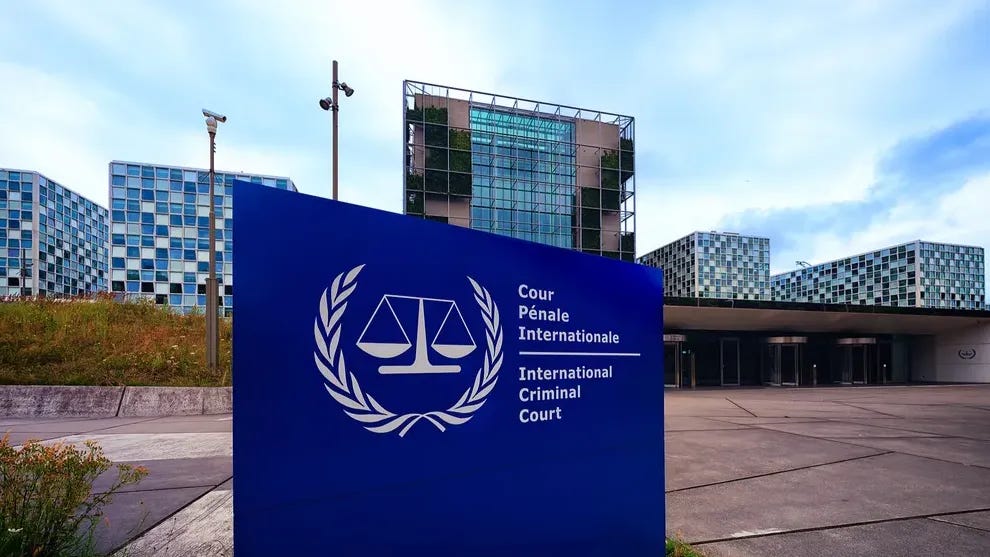
The United States helped write the Rome Statute. Its negotiators were in Rome in 1998 helping draft the court that Washington ultimately refused to ratify. The principles the court embodies trace to Nuremberg, which American lawyers prosecuted. Now three of the court’s judges — from Canada, Uganda and Benin — cannot use their credit cards, cannot book travel, cannot access Amazon or Google. They sued in Manhattan last week. A judge from Benin is asking the country that built the court for the right to function as a judge. I have been writing the Nuremberg Files since March. This is the piece the series was building toward before I knew it existed. Read it here.
Inspections First. Or Never.
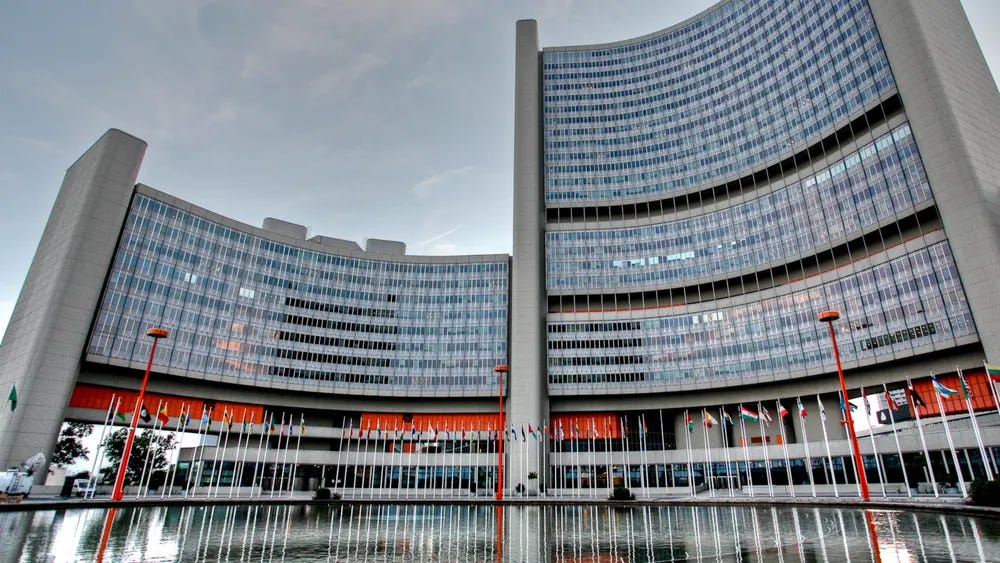
Vance said Iran agreed to IAEA inspections. Iran contradicted him the same day. Grossi said inspections would happen. Iran’s deputy foreign minister contradicted Grossi within hours. Trump called it the highest level nuclear inspections long into the future, with an exclamation mark and the word infinity in brackets. Iran said it had agreed to no such thing. Three contradictions in 48 hours. The 60-day clock runs regardless of the argument. Read it here.
No Longer Responsible
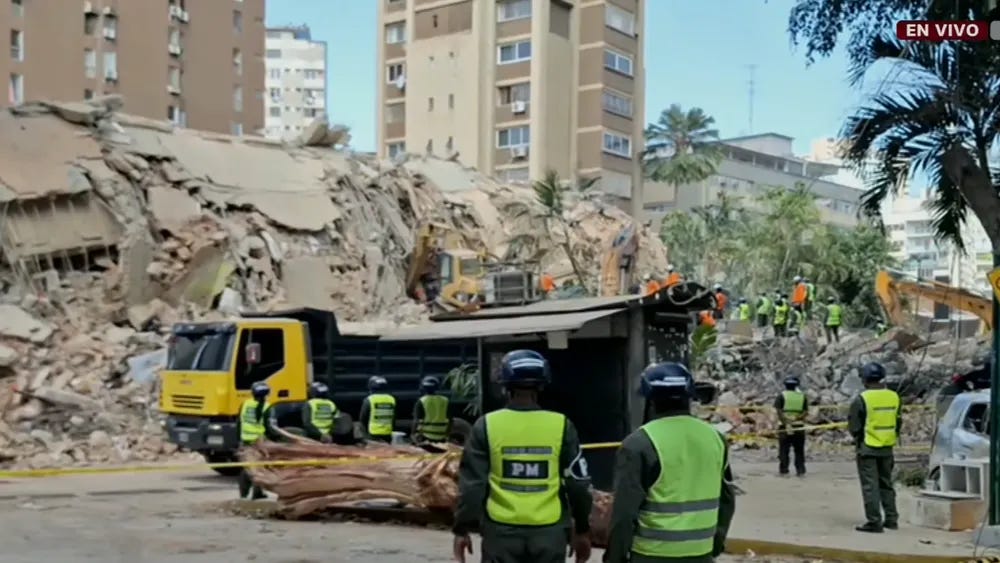
Daniel Núñez called his mother thirty minutes before the earthquake hit. He had just been deported from Jacksonville, Florida, where he had worked construction for almost five years. His only infractions were crossing the border without authorisation and a misdemeanour for driving without a licence. He was arrested on his way to work in May. The hotel meant to process his return collapsed on him nine hours after he arrived. The Department of Homeland Security said the flight safely reached Venezuela and that once a person is no longer in ICE custody, ICE is no longer responsible for them. Oswadeliz Núñez is still waiting for her son’s body. Read it here.
The Word, When It Is Convenient
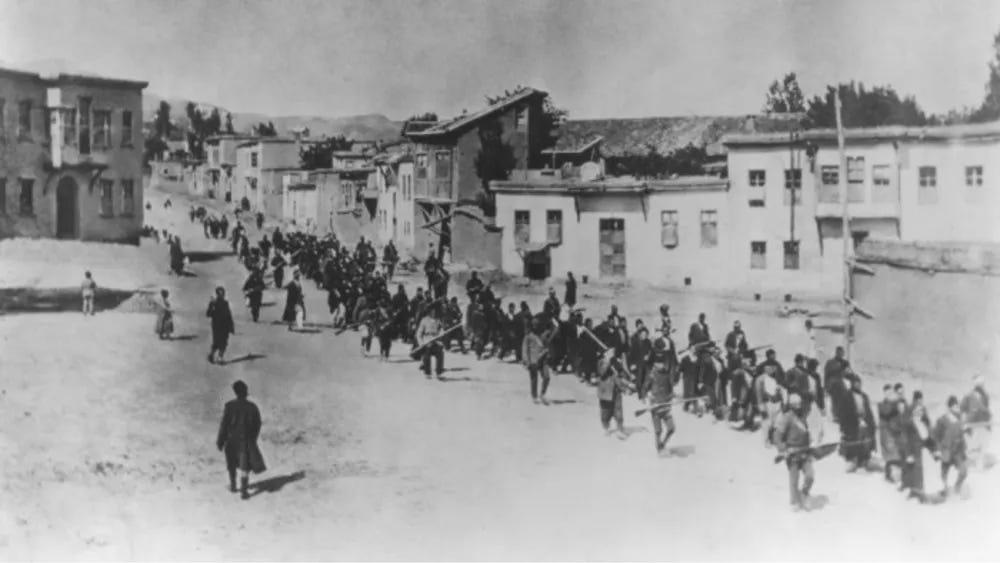
Israel’s Cabinet unanimously recognised the Armenian Genocide on June 28. The same government is contesting a genocide case at the ICJ over Gaza. CBS News noted the recognition was driven by deteriorating relations with Turkey. Sa’ar called it a moral obligation. A moral obligation does not wait for the right diplomatic moment. It does not arrive simultaneously with an ICJ genocide case and the need to rebuke Ankara. This one did. The Armenian Genocide happened. Recognising it is correct. The timing is Israel’s own statement about how it understands the word. Read it here.
While Iran Buries Its Dead
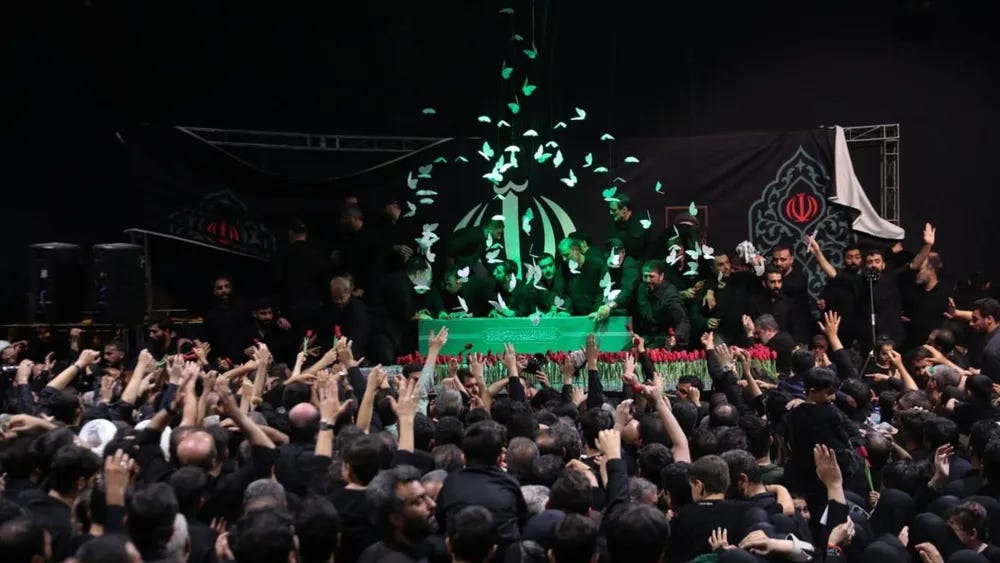
Khamenei’s coffin went on display in Tehran on Friday. He was killed on February 28. His son and successor, Mojtaba, has not been seen publicly since the same strike wounded him four months ago. He may not attend his own father’s funeral because security officials cannot guarantee his safety. Iran expects 35 million mourners across seven days and seven cities in two countries. The nuclear talks are paused until the ceremonies end on July 9. The 60-day clock is not paused. Washington is watching the crowds in Tehran for signs of what comes after. Read it here.
Analysis this Week
The Court They Built and Then Broke
This is the third piece in the Nuremberg Files. The first established the structural argument: the ICC warrant exists, the enforcement does not. The second placed Ben-Gvir against the Nuremberg defendants. This one traces the line from Robert Jackson’s closing argument in 1945 to a Manhattan federal court in 2026, where three judges are asking the country that designed the accountability architecture for the right to buy groceries. Justice Muralidhar, former Delhi High Court judge, documented genocide of Palestinian children in Geneva five days before the lawsuit was filed. The evidence he gathered goes to the ICC whose judges cannot access their bank accounts. Read it here.
What India’s Judges Saw
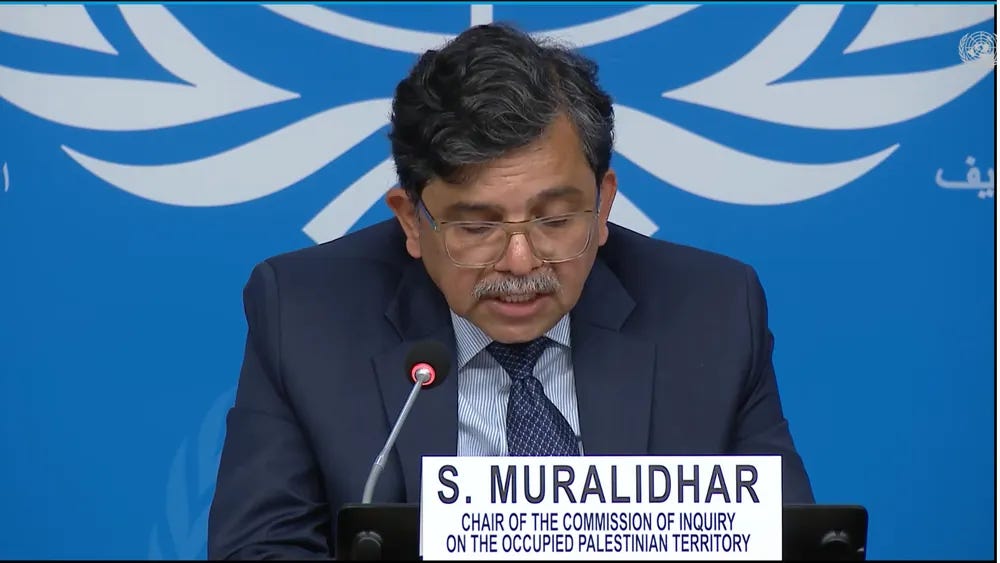
Justice Muralidhar was transferred from the Delhi High Court at midnight in February 2020 for questioning police inaction during the Delhi riots. He now chairs the UN Commission of Inquiry that found Israeli forces deliberately targeted Palestinian children in genocide. Justice Dalveer Bhandari, India’s representative on the ICJ since 2012, voted to halt Israel’s military operations in Gaza — twice. In February 2026, Prime Minister Modi visited Israel and elevated the relationship to Special Strategic Partnership. The Vishwaguru’s judges saw what the evidence showed. The Vishwaguru’s government abstained. Read it here.
Books & Ideas this Week
Survival Is Not Legitimacy
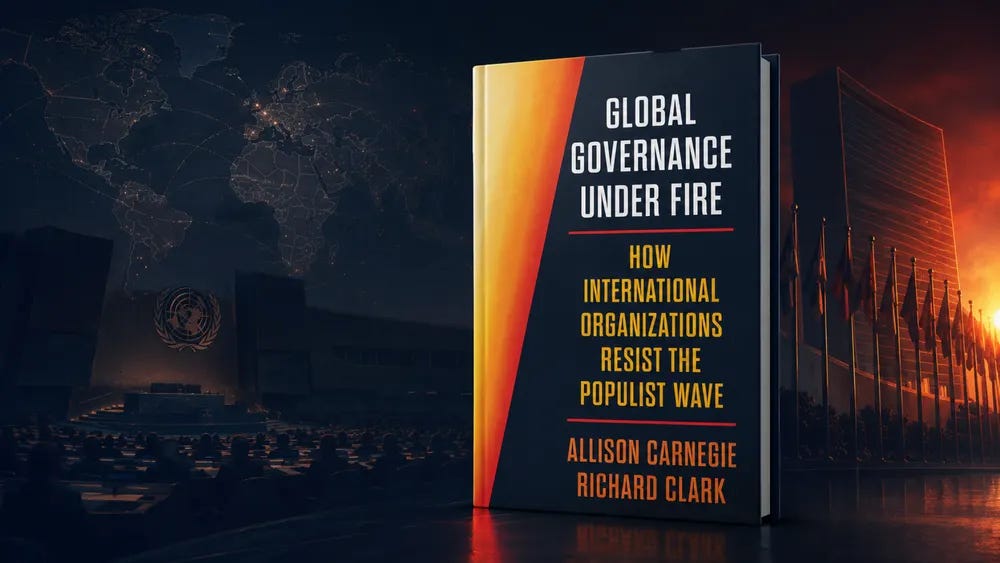
Carnegie and Clark have written a serious book about how international organisations survive populist pressure. The typology of institutional adaptation is analytically sharp. What the book does not ask — what it almost asks and then steps back from — is whether some of these institutions face resentment not because they failed to preserve the liberal order but because they helped build an unequal one. The Kenya protests directed anger at the IMF because the IMF shaped the fiscal conditions that made austerity the path of least resistance. The United States holds roughly 16 per cent of IMF voting power. The entire African bloc holds 6.5 per cent. An institution that learns to manage anger without listening to the history inside it may preserve its machinery. It will not recover its moral claim. Read it here.
Dossier this Week

Think Tanks Ranked by Influence: Where Policy Actually Gets Made
The most influential think tanks are not the most independent. They are the most useful to the governments and corporations that fund them. The IISS may have received nearly half its income from the Bahraini royal family during the 2010s. Qatar gave Brookings an initial $5 million to set up its Doha Center with future funding contingent on agenda review. Chatham House’s donors include BP, Chevron, ExxonMobil and Shell. None of this makes their research wrong. It makes it worth reading with specific attention to what the analysis excludes. The least-funded, most transparent institutions at the edges of the prestige rankings are often doing more genuinely independent work than the ones whose names appear at the top. Read it here.
It was a week in which the scale of what is happening in the world — the deaths, the lawsuits, the funerals, the documented findings — kept colliding with the bureaucratic language used to process it. Safely reached Venezuela. No longer responsible. Moral obligation. Positive progress. The gap between the language and the reality is where DiploPolis lives.
Read. Think. React. No neutrality. No noise. Just argument. Until next Saturday.
Sunny Peter
Editor, DiploPolis.com