


This was the week the bodies arrived before the apology did, and the apology never came.
A phone call where Washington never said the word India. A summit agenda with no room for three names. A war ended in a page and a half, at dinner, while a Pentagon report quietly named an ally a critical threat. Each time, the official language got smaller while the facts got larger.
Five Ledger pieces this week. Here is what was on my mind when I wrote each one.
Comply
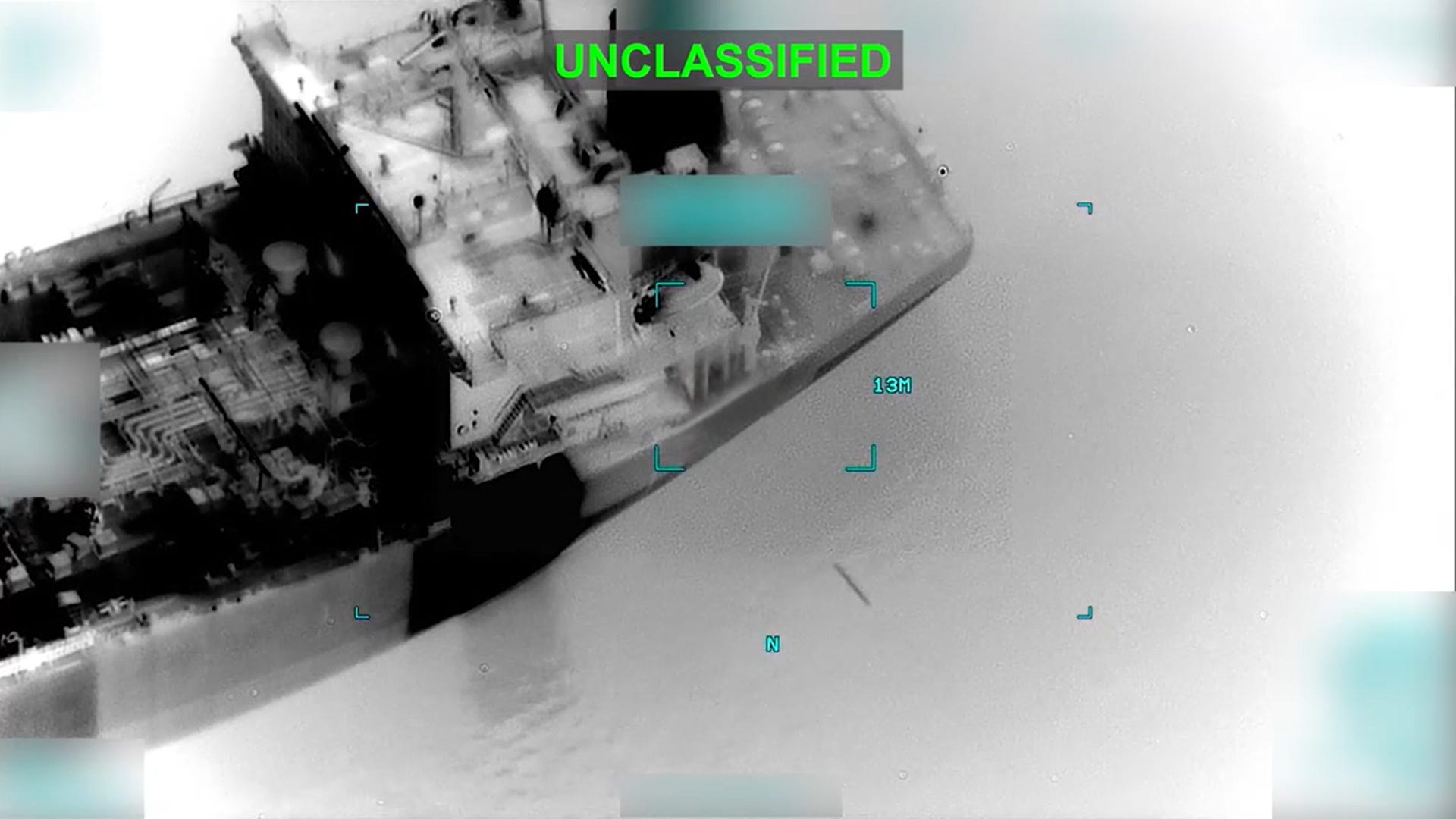
Three Indian sailors died on the MT Settebello, killed by a US strike in the Gulf of Oman. Patnala Suresh was six days from coming home for his fifteenth wedding anniversary. Jaishankar called the strikes unjustified. Washington’s readout of the same phone call did not mention the dead. It mentioned compliance. I wrote this because the gap between those two readouts is the entire relationship in miniature: India registers a protest, America issues an instruction, and the architecture stays warm regardless of who is in the water. Read it here
Names That Should Be in That Room
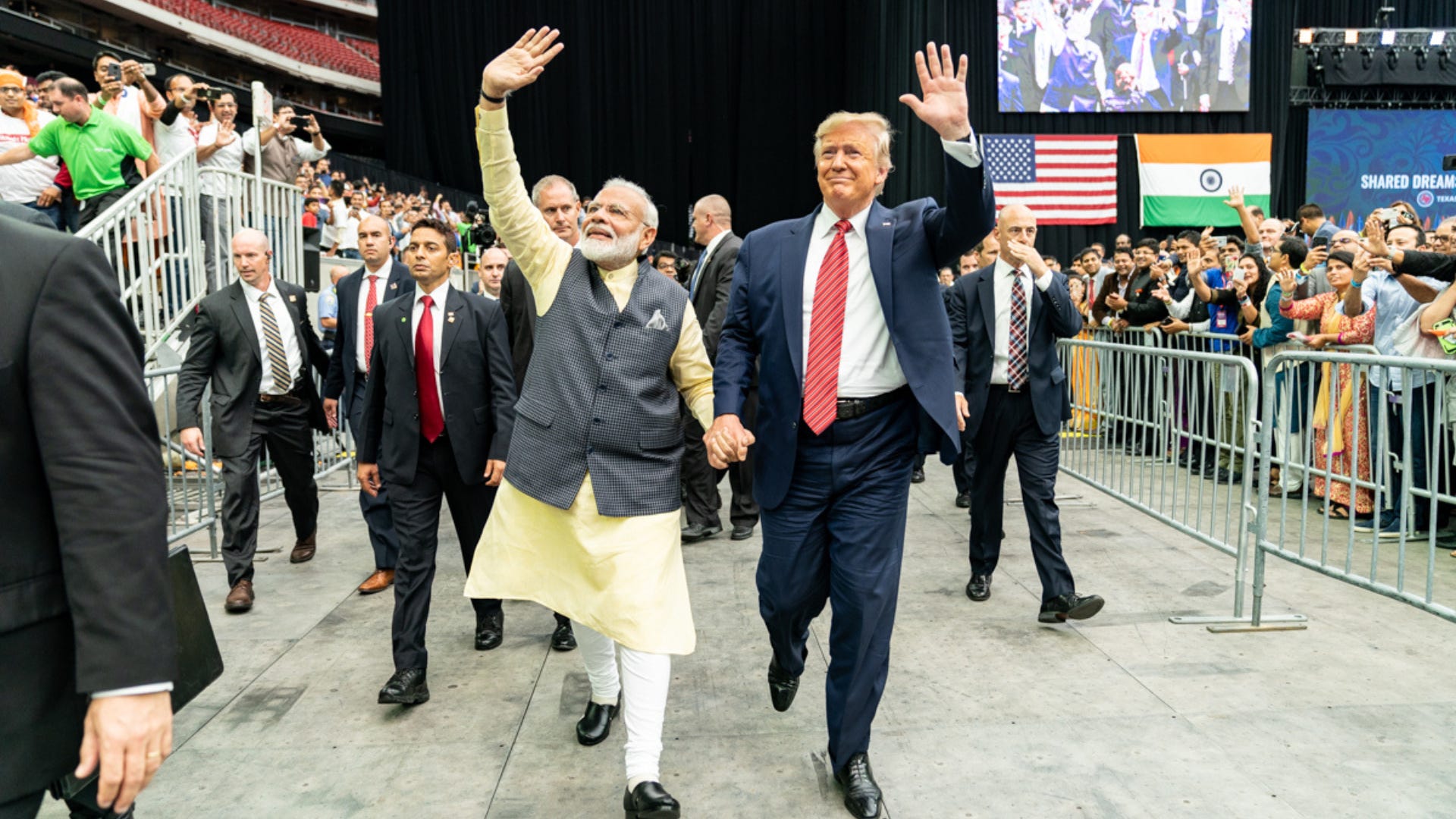
Modi met Trump at the G7 the next day. Trade and defence were on the agenda. Patnala Suresh, Aditya Sharma and Shivanand Chaurasia were not. I wrote this because a bilateral is a list of what a relationship considers worth saying out loud, and three dead citizens not making that list tells you what the relationship actually weighs. Read it here
Fall of the G7
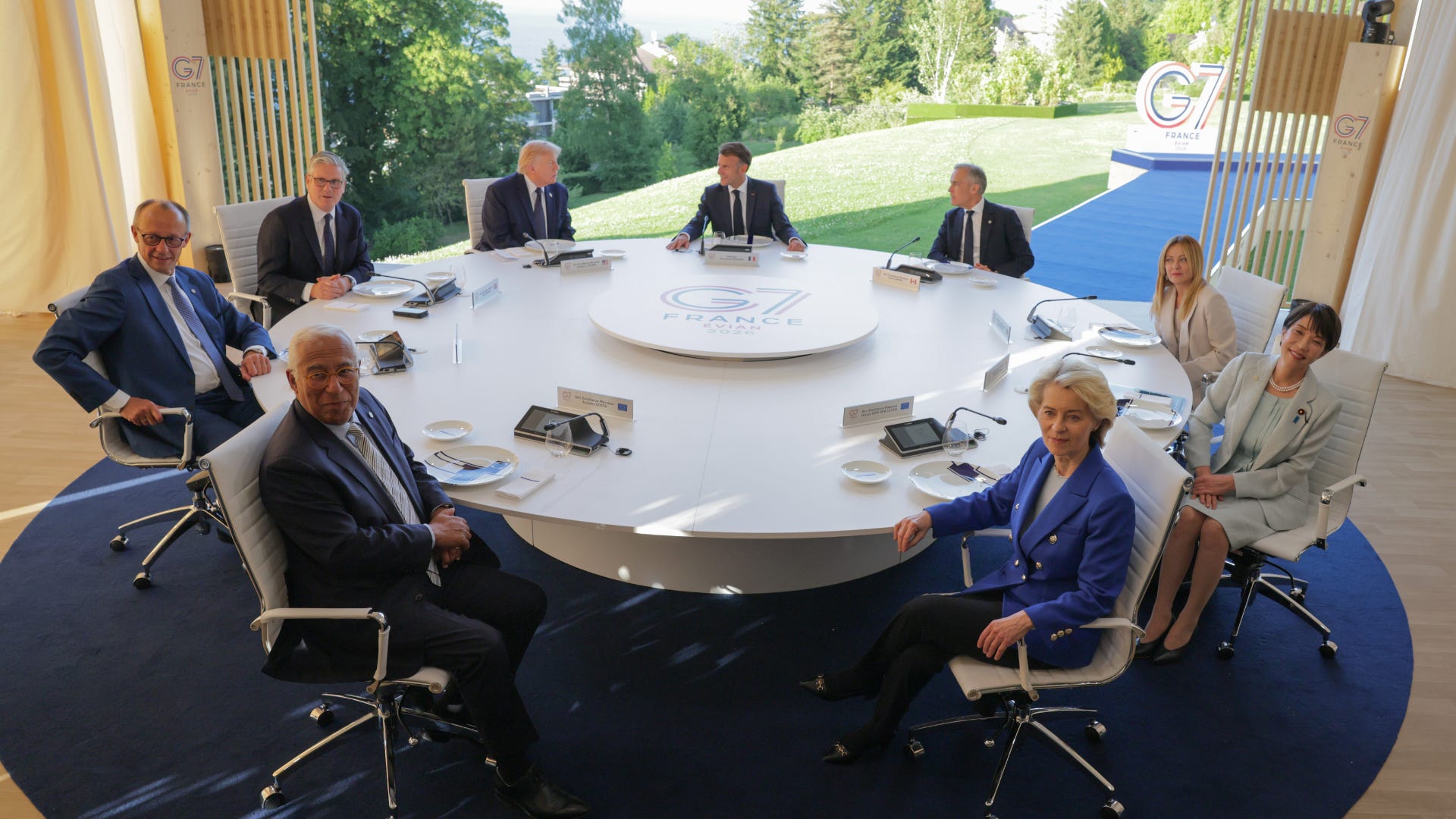
Trump announced the Iran deal on Truth Social. The G7 found out with everyone else, then applauded a memorandum of understanding none of them had read. I wrote this because in 2018 Trump called the JCPOA the worst deal ever for permitting enrichment. The 2026 MOU permits enrichment. The same man, the same complaint, solved by ignoring it. Read it here
The Critical Ally
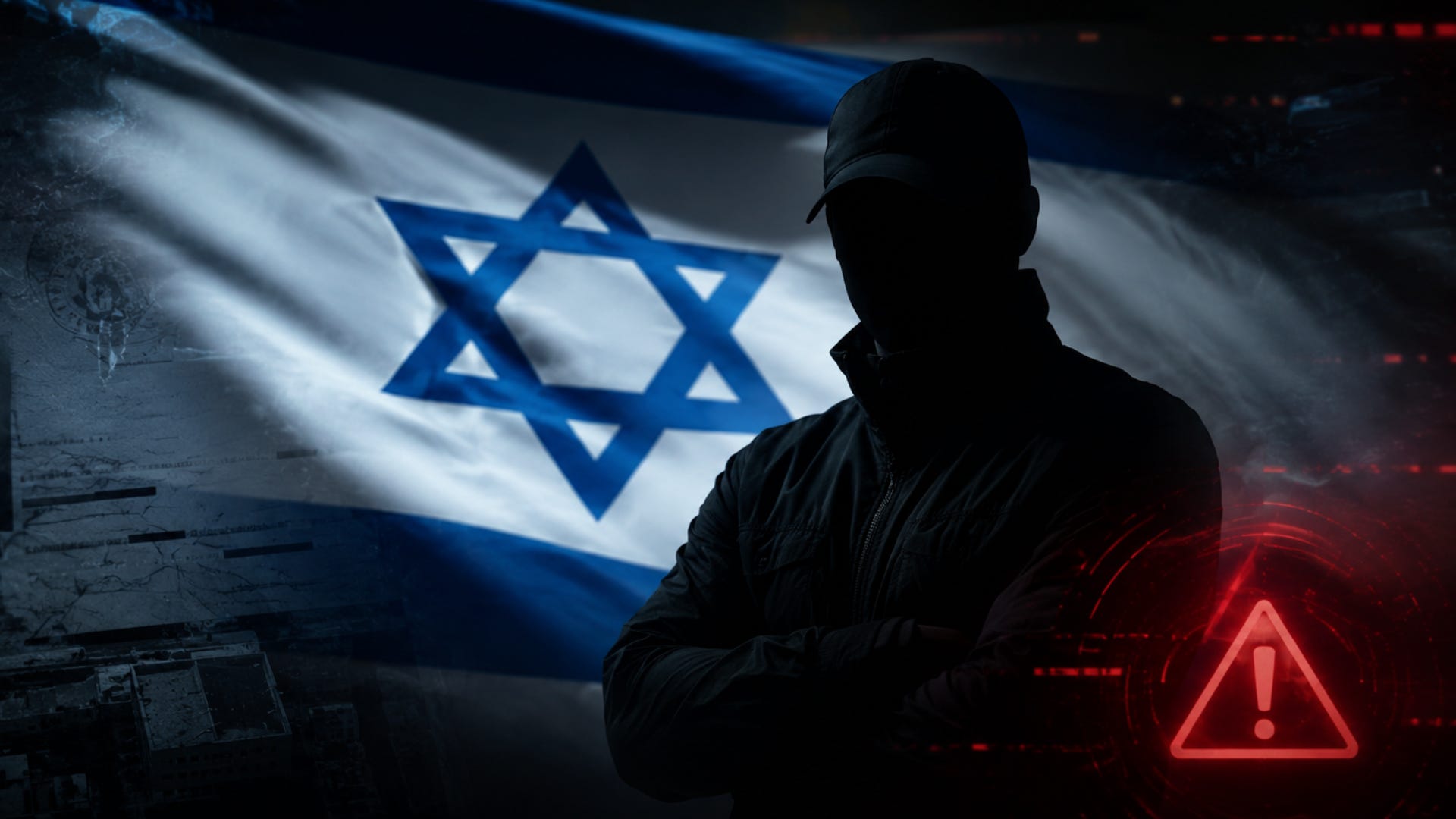
The Pentagon’s own intelligence agency rated Israel a critical counterintelligence threat, for spying on the American negotiators trying to end the war Israel wanted continued. I wrote this because Washington calls Israel a partner and its own DIA calls it a critical threat, and both statements are true in the same week, through the same channels, while intelligence sharing continued daily regardless. Read it here
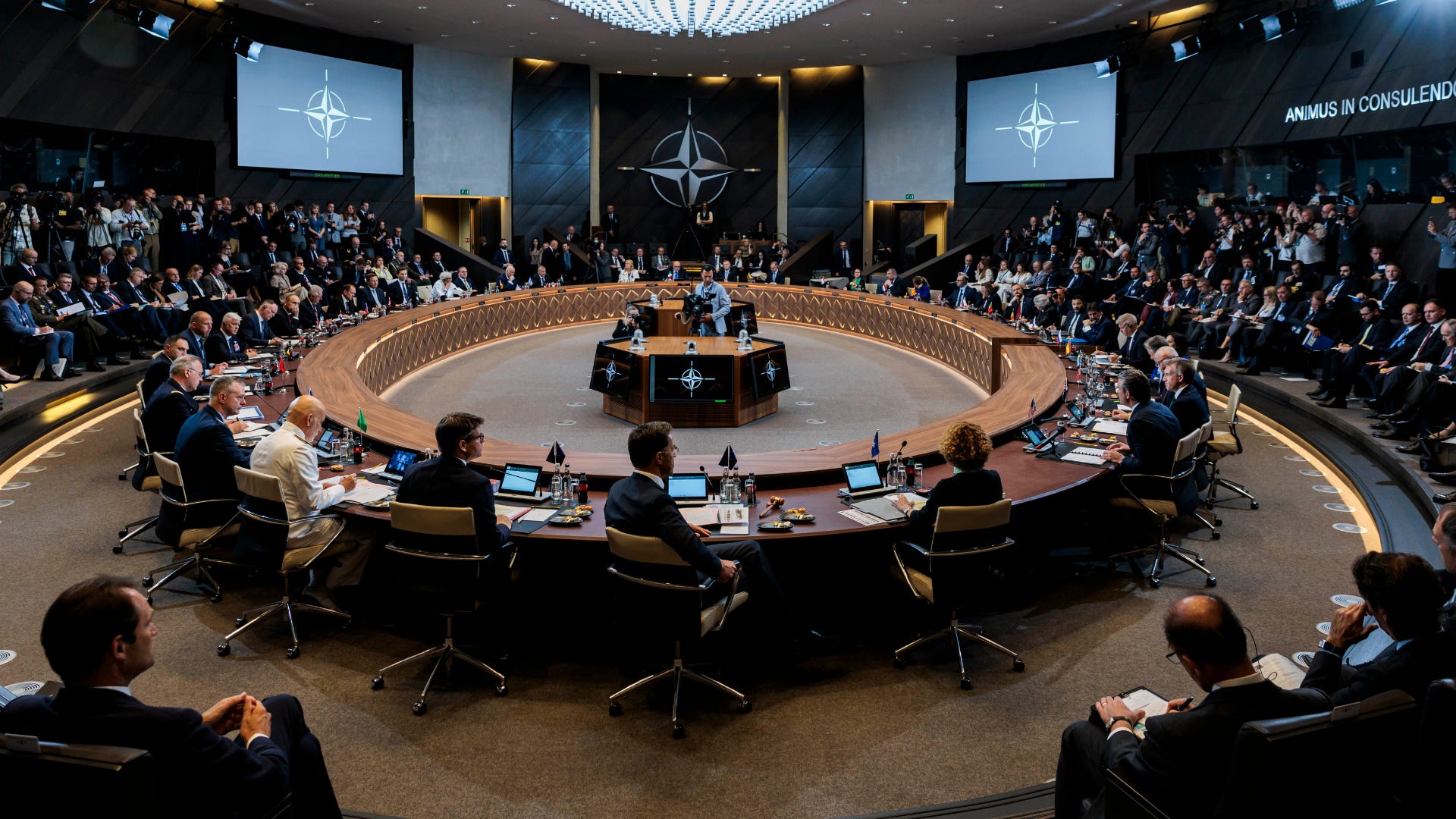
Shameful
Hegseth stood in Brussels and called European allies shameful for declining to join an illegal war, then announced a review of the 80,000 US troops stationed across the continent. I wrote this because Spain said, correctly, that it is a sovereign country that does not take part in illegal wars, and for saying that out loud its naval base is now under threat from the alliance it helped build. Read it here
Analysis this week
Two Analysis pieces this week, both built around the same gap: the distance between what was announced and what actually happened.
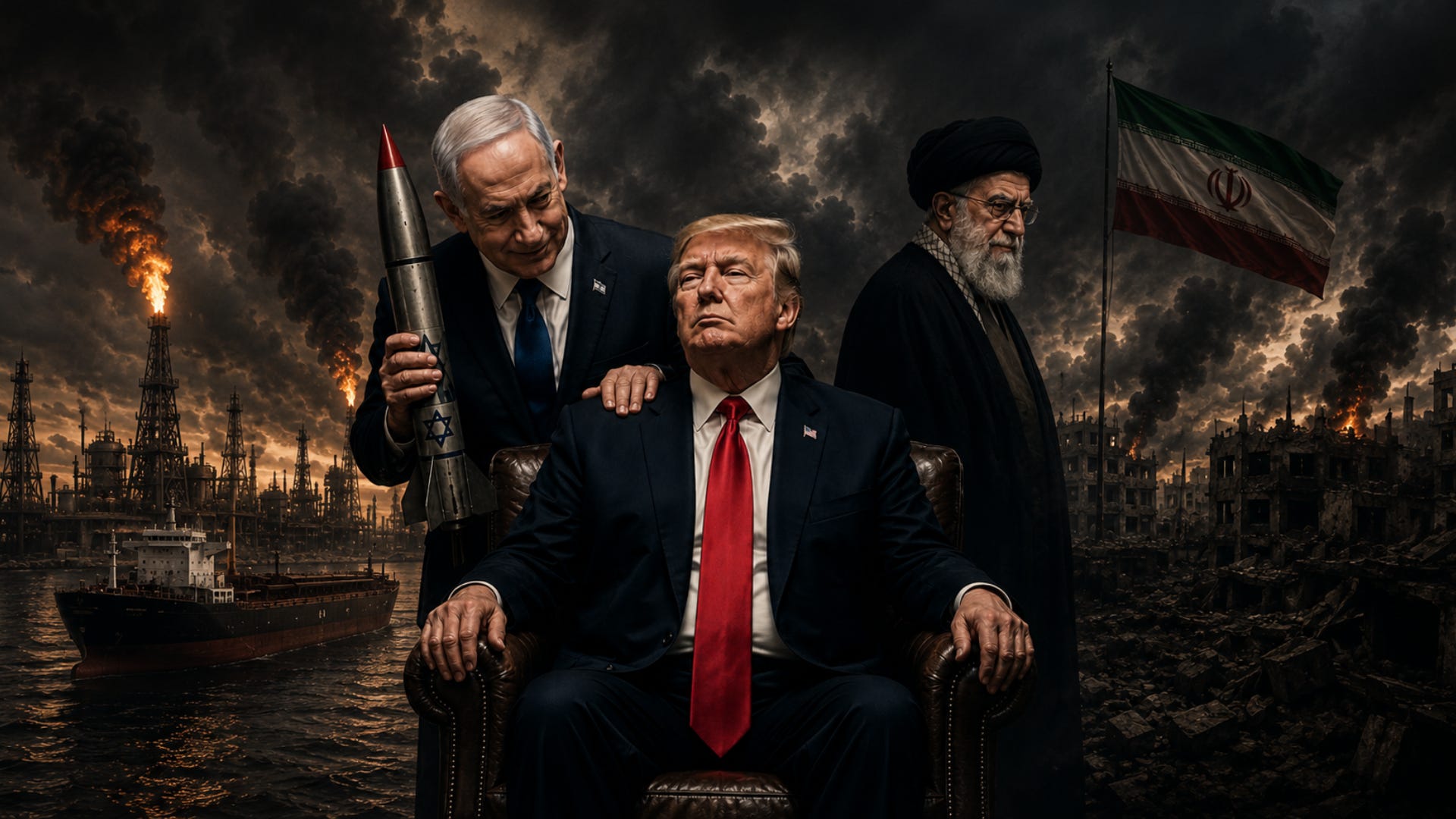
The Gaza Template
Trump can announce a deal. He cannot enforce one on Israel. The piece traces what happened to the last ceasefire announcement to show what is about to happen to this one. Read it here
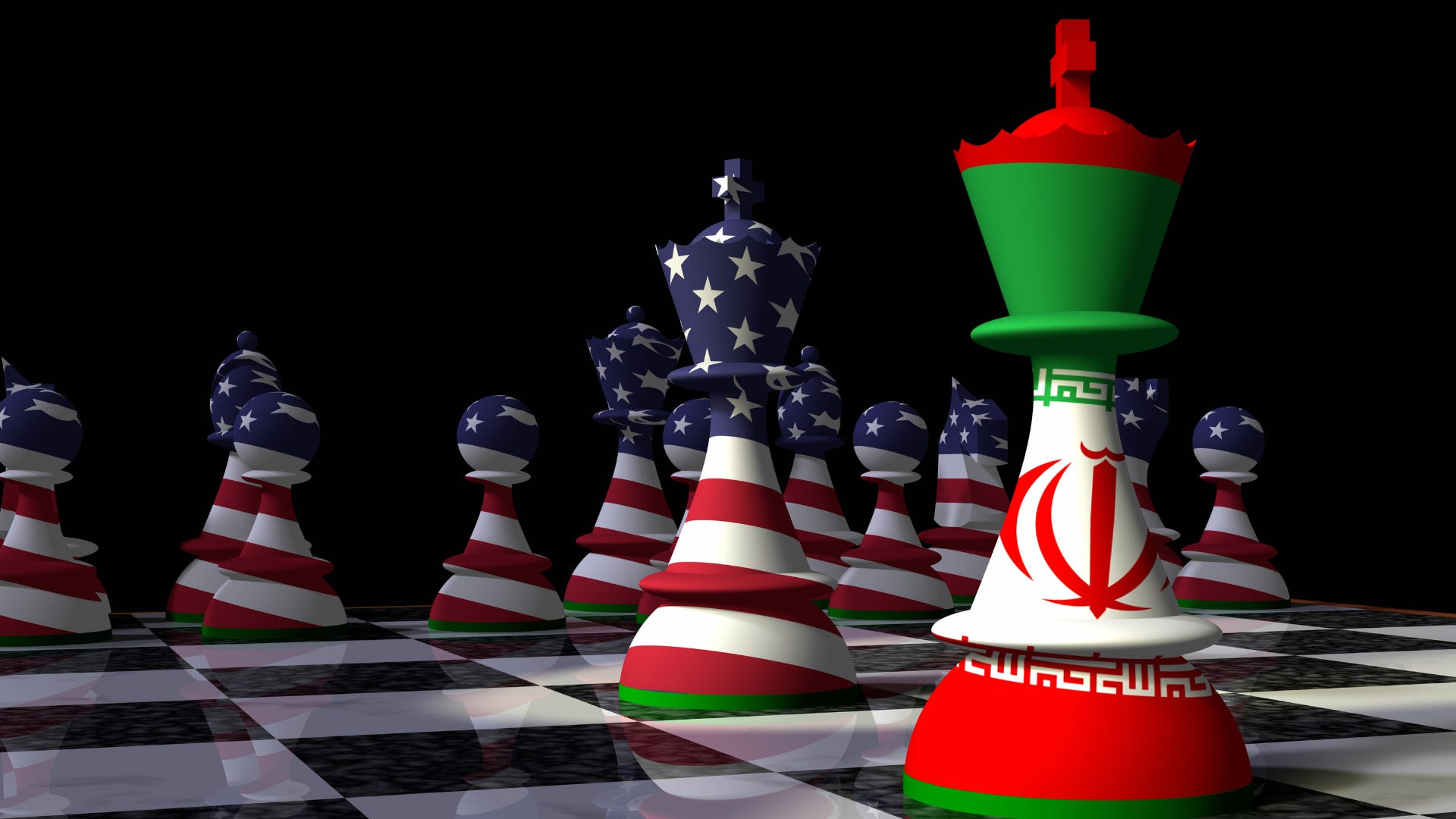
What Iran Won
Four stated war objectives. A memorandum of understanding that addresses none of them. Iran kept its government, its missiles, its proxies and the Strait of Hormuz on its own schedule. The G7 called it a great deal. For Iran, it was. Read it here
Books Review this Week
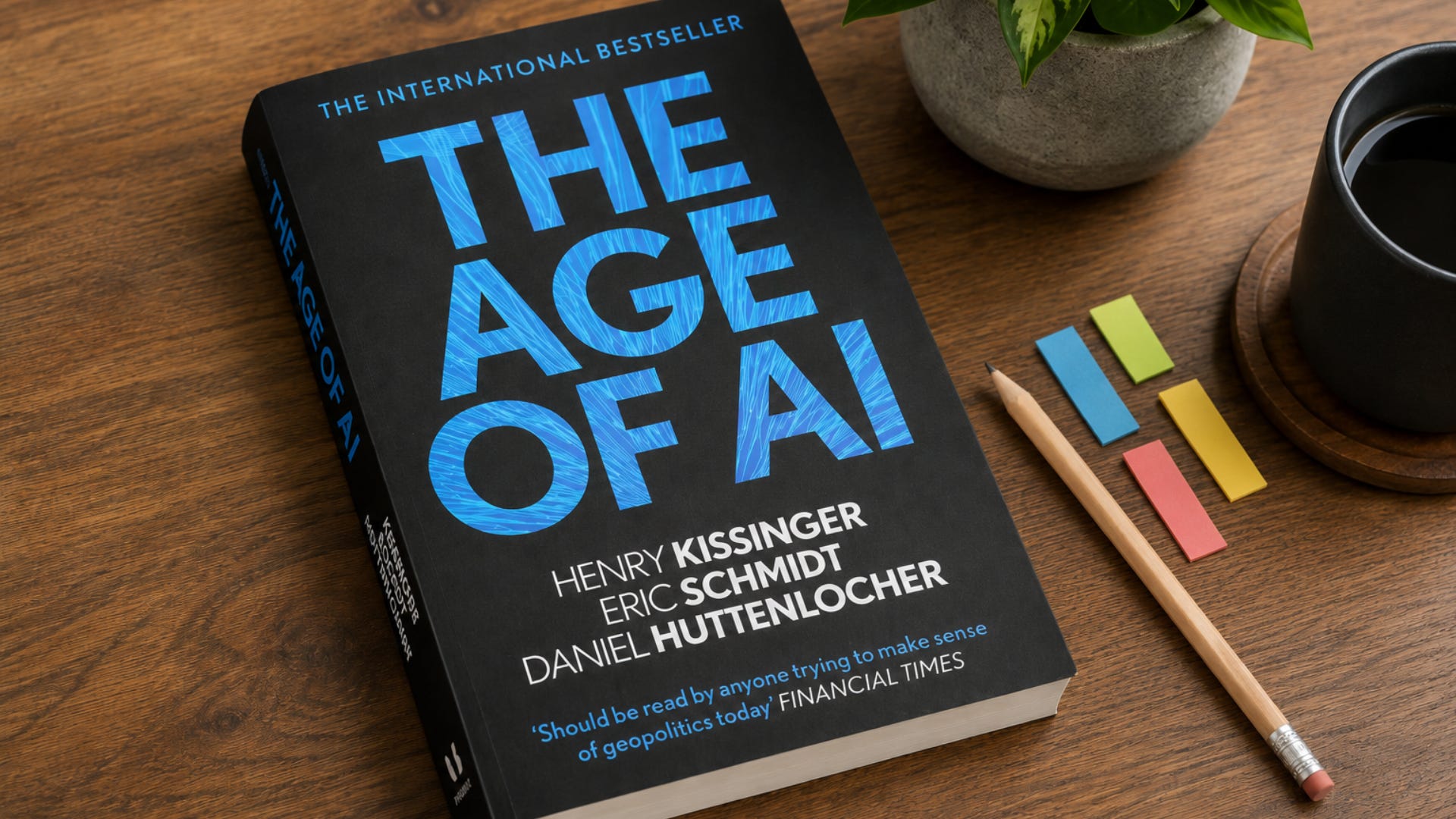
The View from the Commanding Heights
Kissinger, Schmidt and Huttenlocher on what happens when a non-human intelligence starts participating in the production of knowledge itself. The late Kissinger’s final argument, and whether it holds up. Read it here
Dossier this Week
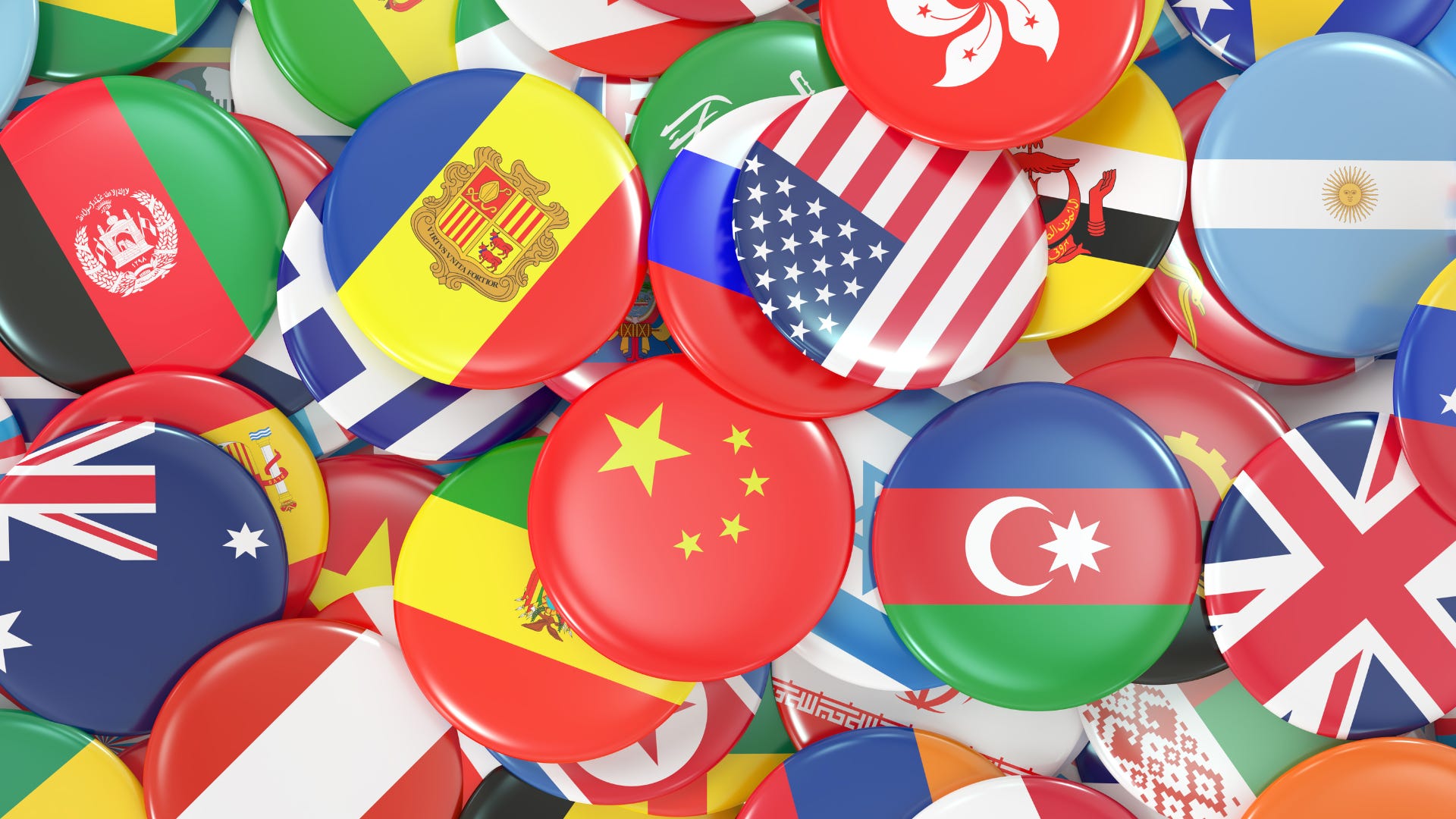
Languages That Actually Matter for an International Relations Career
Every careers adviser says learn a language. Almost none say which one, for what job, or what it actually pays. This ranks seven languages against twelve career tracks using documented salary premiums rather than received wisdom, because the years a serious language commitment requires are too valuable to waste on vague advice. Read it here
Nine pieces. One week. The throughline was never really Iran. It was the gap between what gets said in a readout and what actually happened in the water, the room, or the mountain. Washington said comply. The G7 said great deal. Hegseth said shameful. None of those words described what actually occurred. That gap is the publication’s entire reason for existing.
Read. Think. React. No neutrality. No noise. Just argument. Until next Saturday.
Sunny Peter
Editor, DiploPolis.com