


What a week. The Iran deal’s full text landed and confirmed what we suspected: Iran gets paid before it commits to anything. The Ebola outbreak reached France. Israel kept bombing Lebanon on the day a ceasefire was supposed to begin. Pakistan’s army chief received a standing ovation in Switzerland from the vice president of the country that once called Pakistan nothing but lies and deceit. And somewhere in Port-au-Prince, 90 per cent of which is controlled by gangs, the Secretary-General of the United Nations boarded a plane home.
Five Ledger pieces. Two Analysis pieces. One Books and Ideas. One Dossier. Here is what I was thinking when I wrote each one.
Not Bound
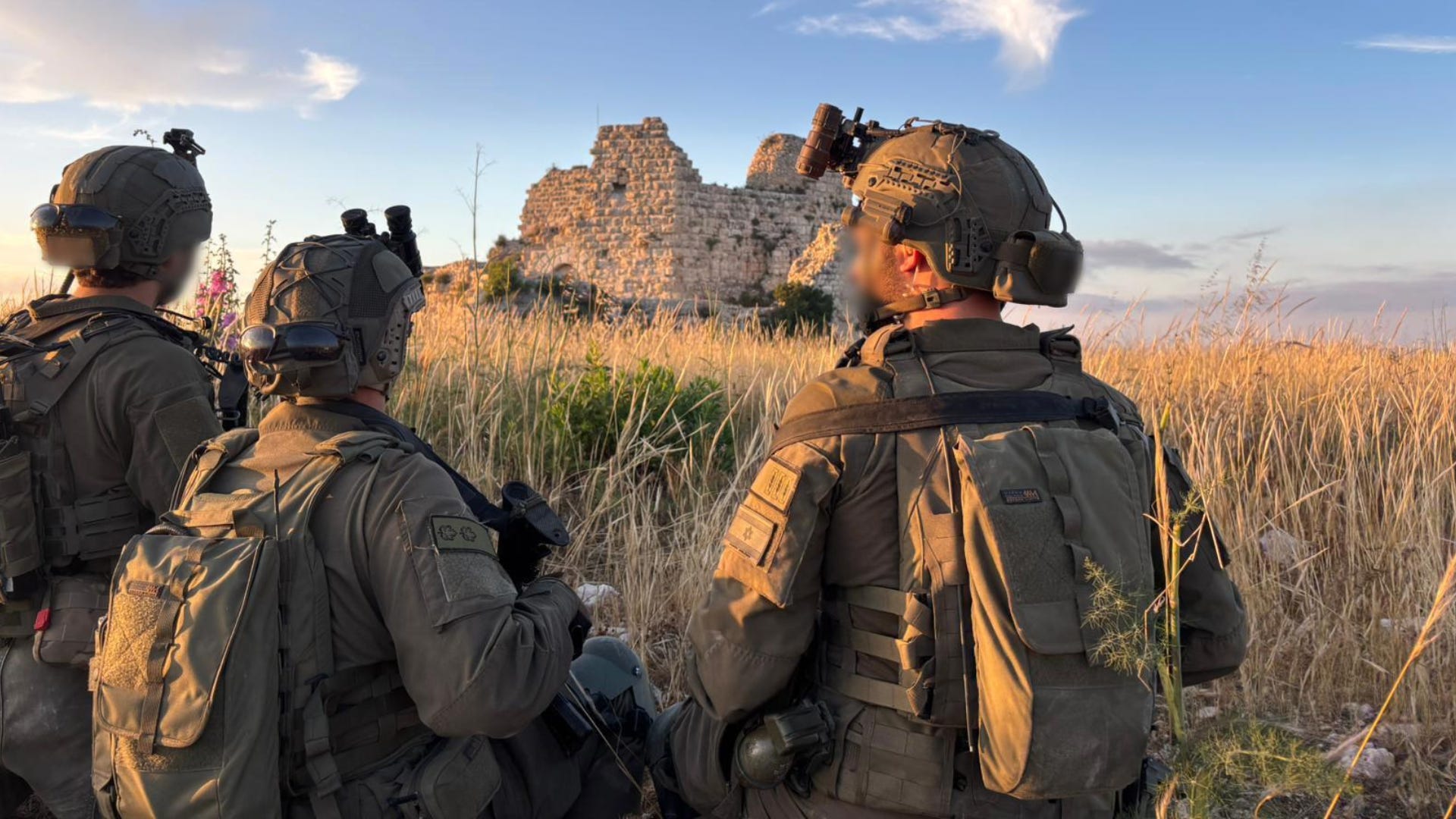
The story was not that Israel violated the ceasefire. The story was that Israel never agreed to the ceasefire clause that covers Lebanon. It did not sign. It was never asked to sign. The administration that wrote the memorandum knew this when it wrote it. Forty-seven people died in Lebanon on the day the ceasefire was supposed to begin, and the legal answer to that is technically accurate: Israel did not break a promise this week, because it never made one. That is the kind of sentence that feels wrong to write and is right to publish. Read it here.
What Guterres Saw
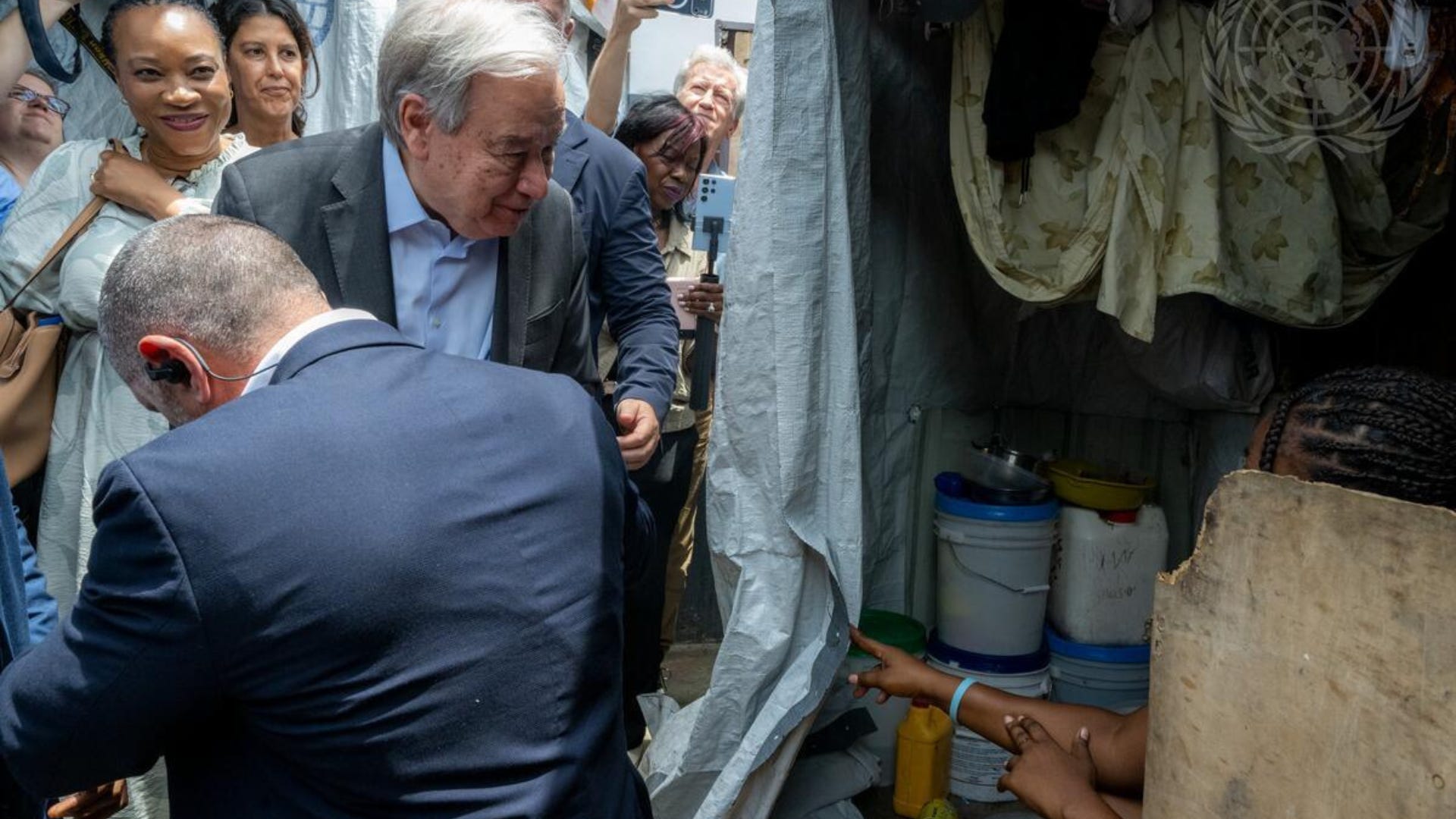
António Guterres visited Port-au-Prince. Gangs control 90 per cent of the capital. 2,300 Haitians have been killed this year. He said indifference was the biggest disgrace. Then the cameras followed him to the airport. This piece was the hardest to keep short. Haiti does not need more words. It needs the words to land. Read it here.
Horrifically Lopsided
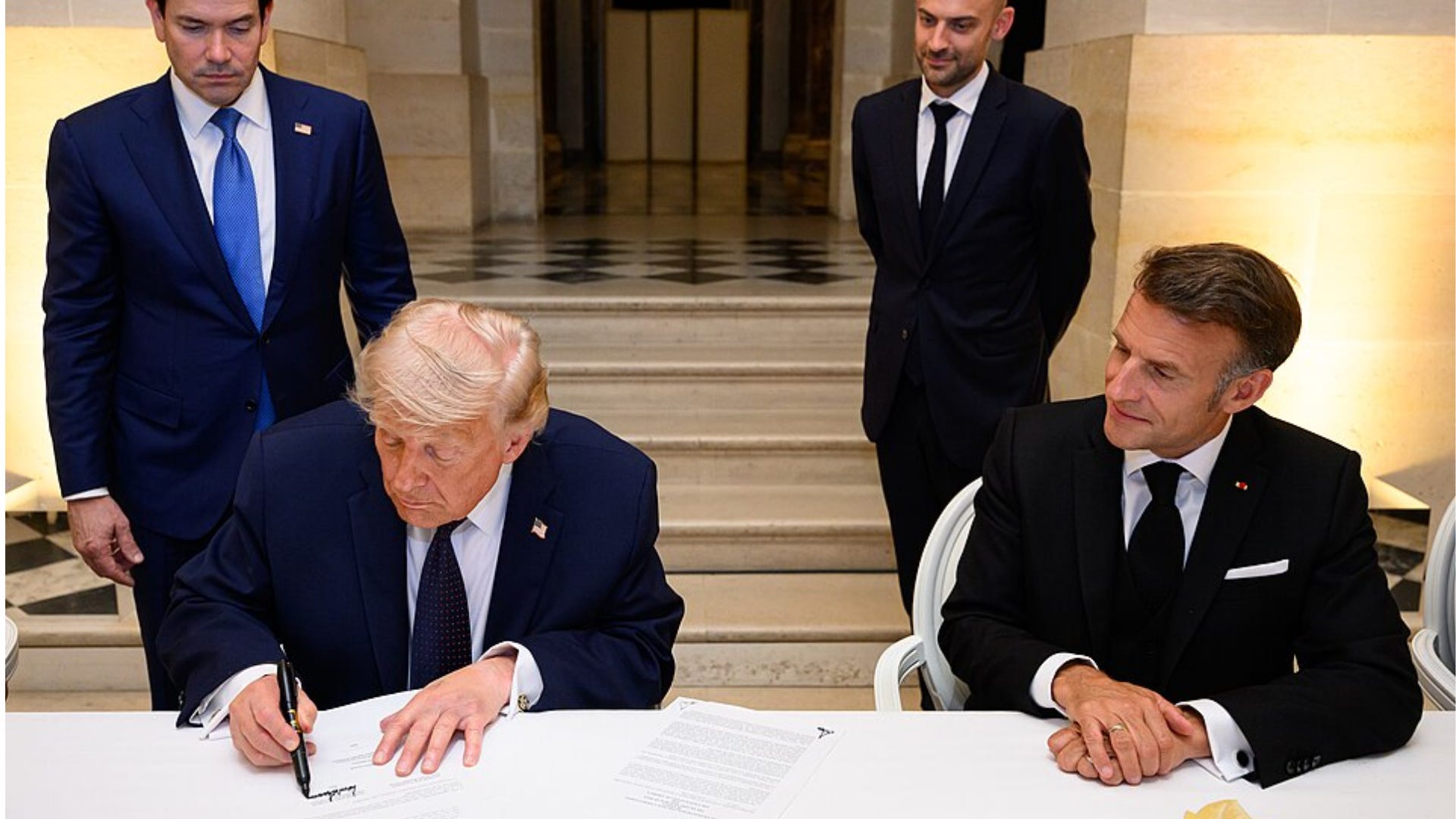
The full text of the Islamabad Memorandum is now public. CSIS — not a publication given to dramatic language — reviewed it and called it horrifically lopsided. Iran gets half of its $24 billion in frozen assets before the final negotiations even begin. The missile programme is not in the document. Neither is the proxy network. The war cost between $34 and $42 billion. Anyone can read the text now. Read it here.
Moving Faster Than Us
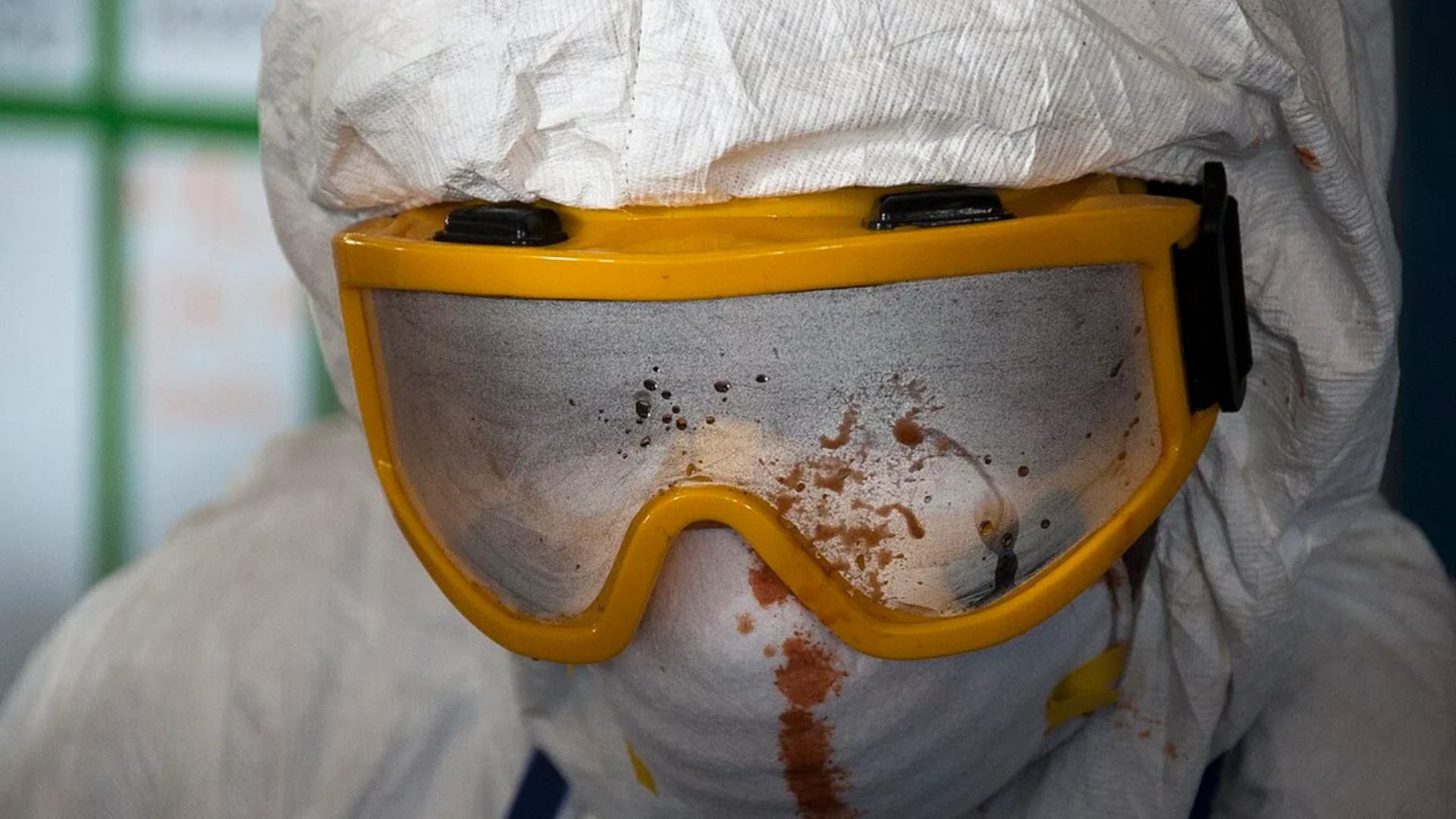
The third largest Ebola outbreak in history is spreading faster than any previous one. The Bundibugyo strain has no approved vaccine and no approved treatment. The surveillance system that might have caught it earlier was defunded in March 2025. The WHO director returned from a month in the DRC and said six words that carry everything: the outbreak is moving faster than us. France confirmed its first imported case the morning I filed this piece. Read it here.
Munir’s Reward
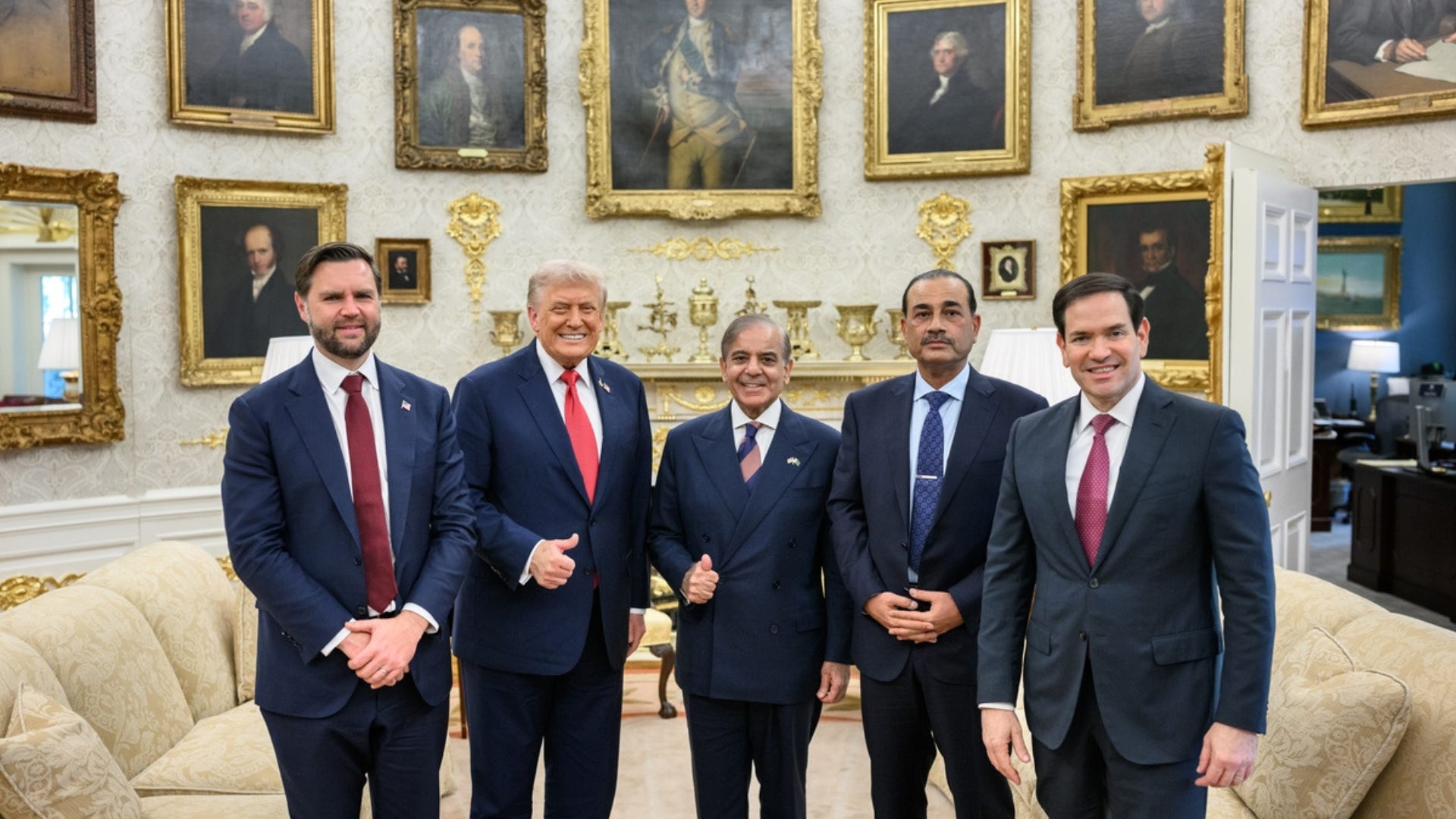
JD Vance arrived at Bürgenstock and made a joke. His two most important people, he said, are an Indian and a Pakistani. The Indian is his wife. The Pakistani is Field Marshal Munir — former ISI chief, whose establishment transferred centrifuge designs to Iran in the 1990s. Trump called Pakistan nothing but lies and deceit in January 2018. Eight years later he called Munir absolutely great. What changed is not Pakistan. It is Washington’s need. Read it here.
Analysis this Week
The Lebanon Trap
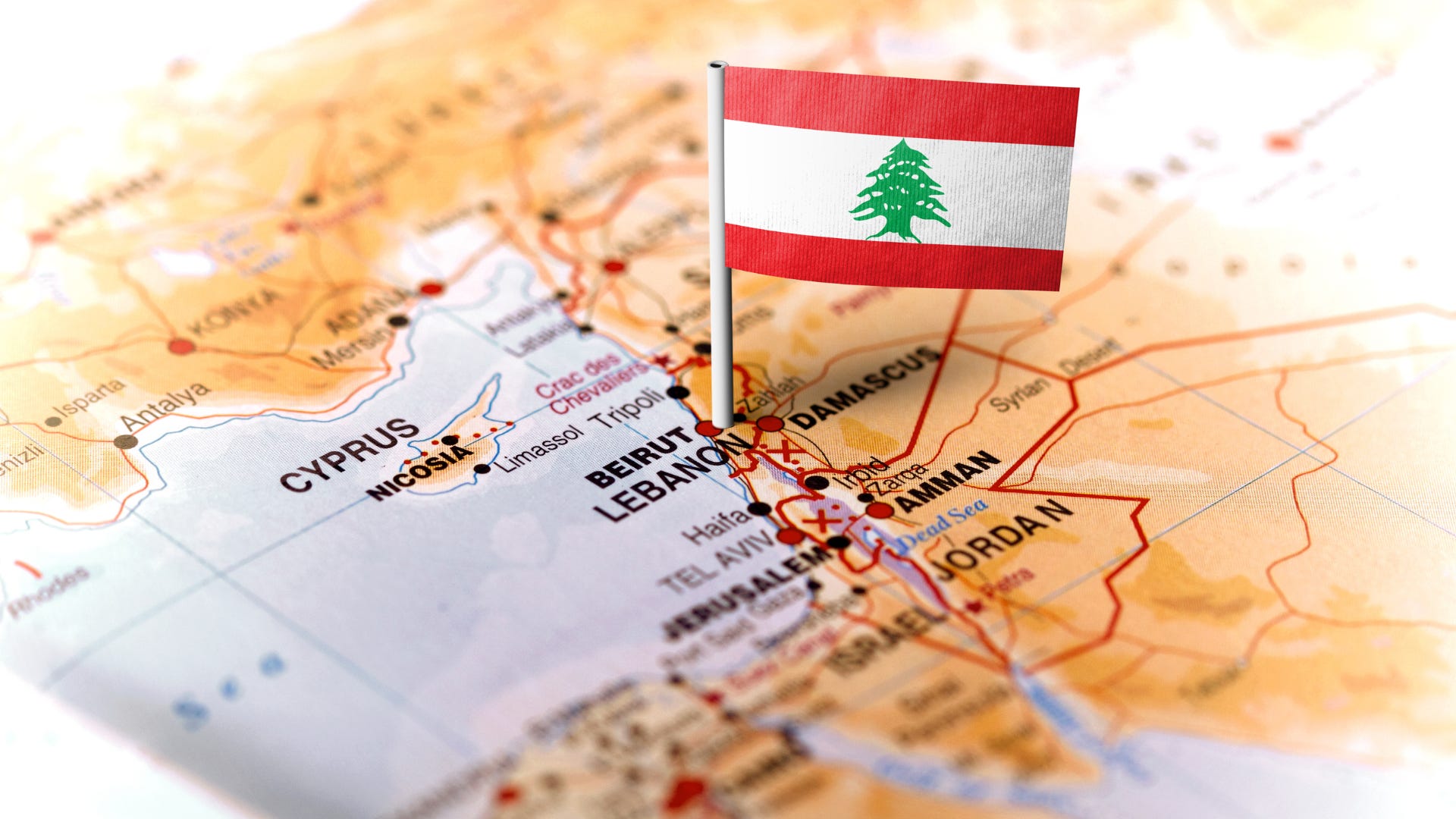
The Islamabad Memorandum’s opening clause commits to Lebanon. Israel did not sign. Iran’s compliance depends on the clause. Washington cannot discipline Israel. The 60-day clock is running. I wrote this piece before Not Bound because the architecture of failure was visible before the specific failure occurred. One of those beliefs will shortly be tested. The other already has been. Read it here.
The Distraction War
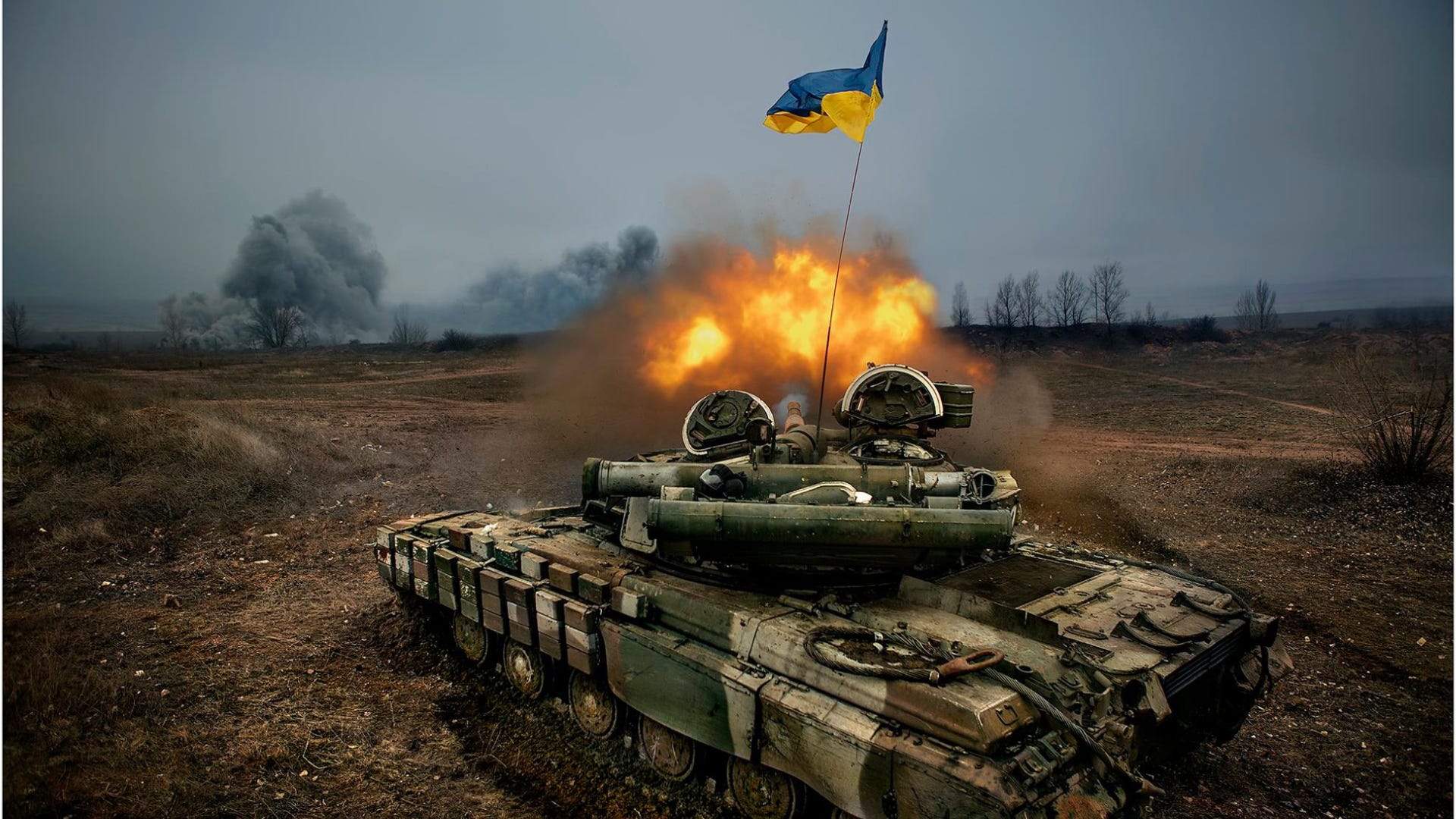
Trump set a June deadline for ending Ukraine. Then launched the Iran war on February 28. The Abu Dhabi talks were cancelled three days later — the Kremlin cited the Iran war as the reason. The June deadline passed without a new date, a resumed process or an explanation. Putin waited. He is more confident of winning than he was in January. The Iran war’s most consequential legacy may not be in the Middle East at all. Read it here.
Books Review this Week
What the Frame Leaves Out
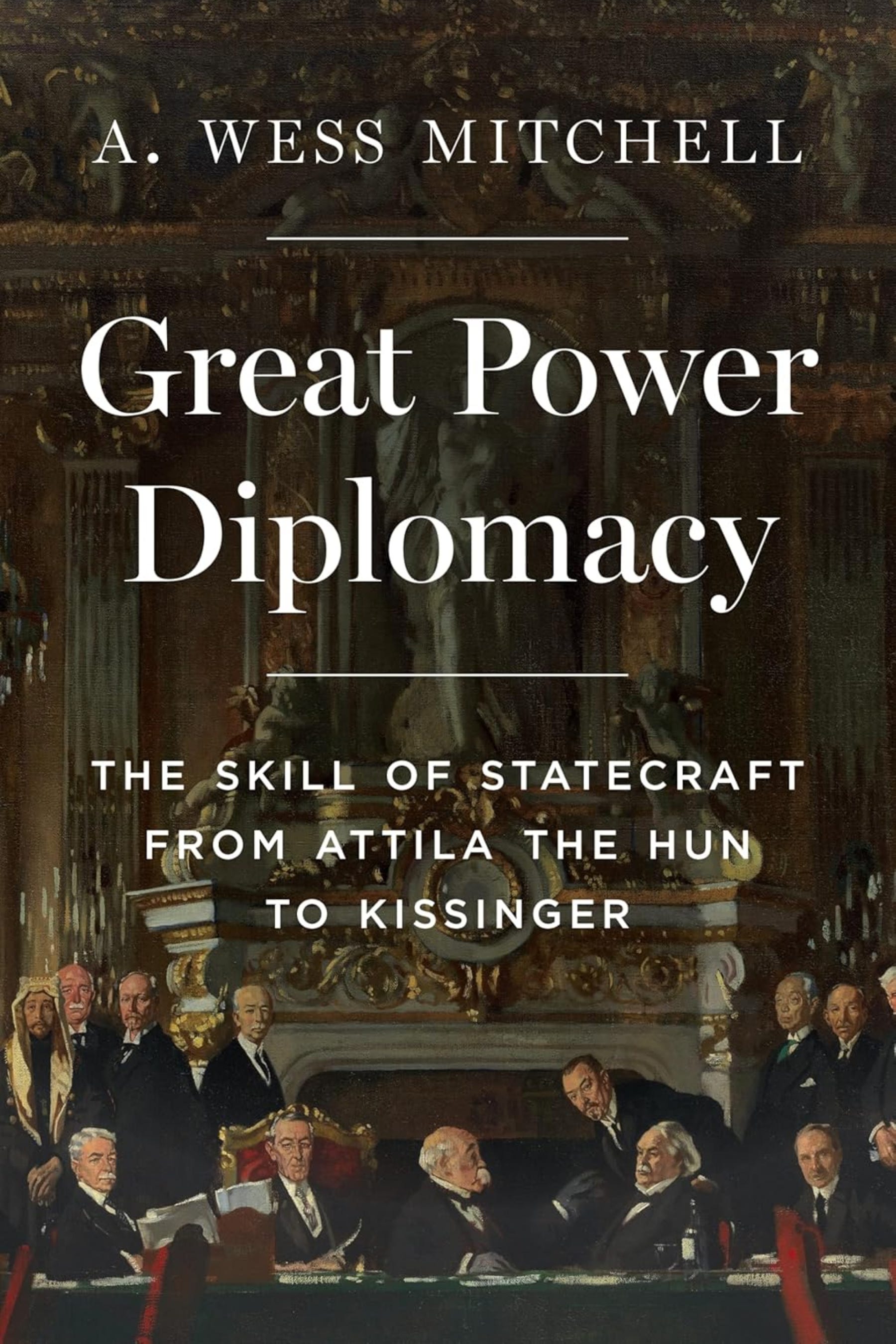
A. Wess Mitchell has written a serious book about the art of statecraft. It is largely right and incomplete in ways that matter. The framework shows you what great power diplomacy can achieve. December 1971 shows you what it costs. The review asks one question: whether a theory of statecraft that cannot fully account for Dhaka has accounted for enough. Read it here.
Dossier this Week

Think Tanks of the Global South
The institutions that shape Global South policy are not Brookings or Chatham House. ASEAN’s political and security architecture was built by CSIS Indonesia, not by Georgetown. This week’s Dossier covers 11 think tanks — from ORF and ISSI to CEBRI and the Timbuktu Institute — assessing their influence, their funding and their value as career entry points for researchers from the regions they actually serve. Read it here.
It was a full week. The world did not disappoint — unfortunately.
Read. Think. React. No neutrality. No noise. Just argument. Until next Saturday.
Sunny Peter
Editor, DiploPolis.com