


This was the week I kept watching language fail. Trump made a final determination that determined nothing. A ceasefire kept not ceasing fire. Israel raised a flag over a castle 25 kilometres inside Lebanon and called it a security zone.
Five days. Five Ledger pieces. Two analyses. One book reviewed. The Dossier's first fellowship guide. Here is what I was thinking when I wrote each one.
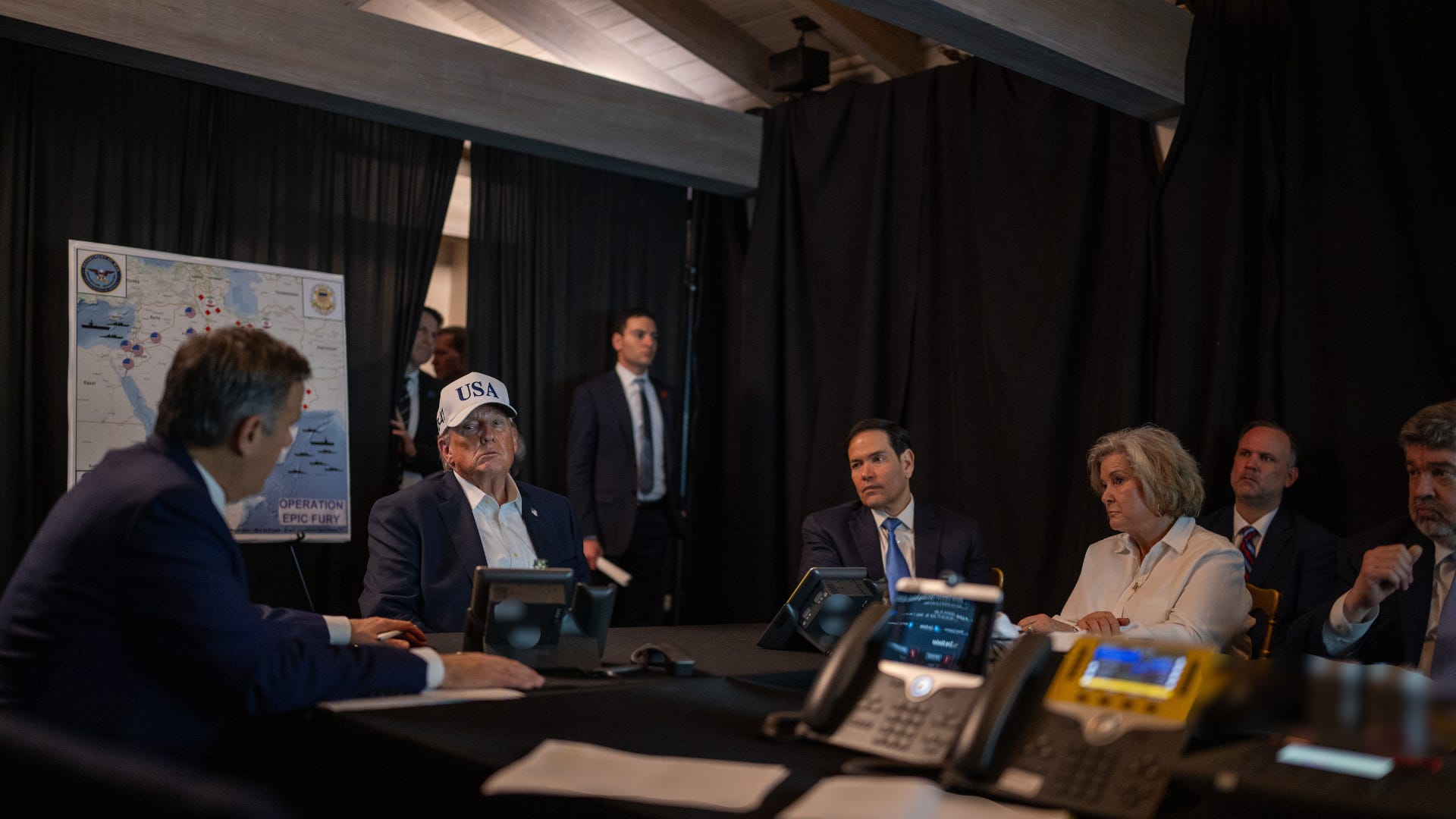
Not Final. Not Determined.
Trump entered the Situation Room on Friday morning to make a final determination on the Iran deal. He listed his requirements. He emerged two hours later having decided nothing. Then sent tougher demands. I wrote this piece because final is a word the Trump administration uses the way it uses ceasefire — as a description of intent rather than outcome. Iranian state media immediately reported that Tehran and Washington are not describing the same document. They are not describing the same negotiation. A deal reached under these conditions is not an agreement between parties. It is terms presented to a country that has been bombed for three months and told to sign. Read it here
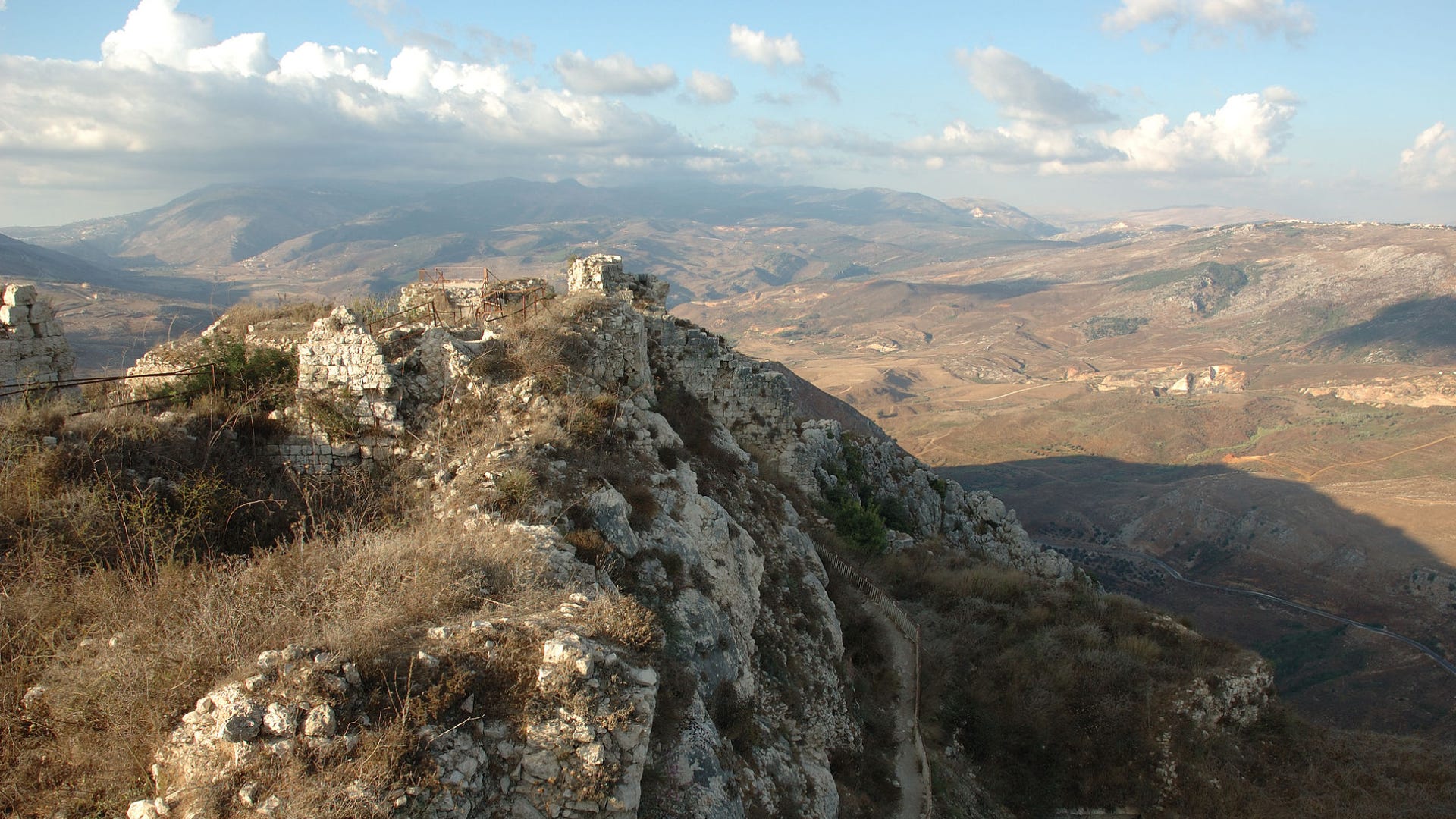
The Flag and the Castle
Israel raised its flag over Beaufort Castle in southern Lebanon. The castle has been in Lebanese territory since Israel withdrew in 2000 after 18 years of occupation. I wrote this piece because the flag is not a symbol. It is a statement about which map Israel is using. The castle is 25 kilometres inside Lebanon. The map that matters is not the one the UN recognises. Read it here
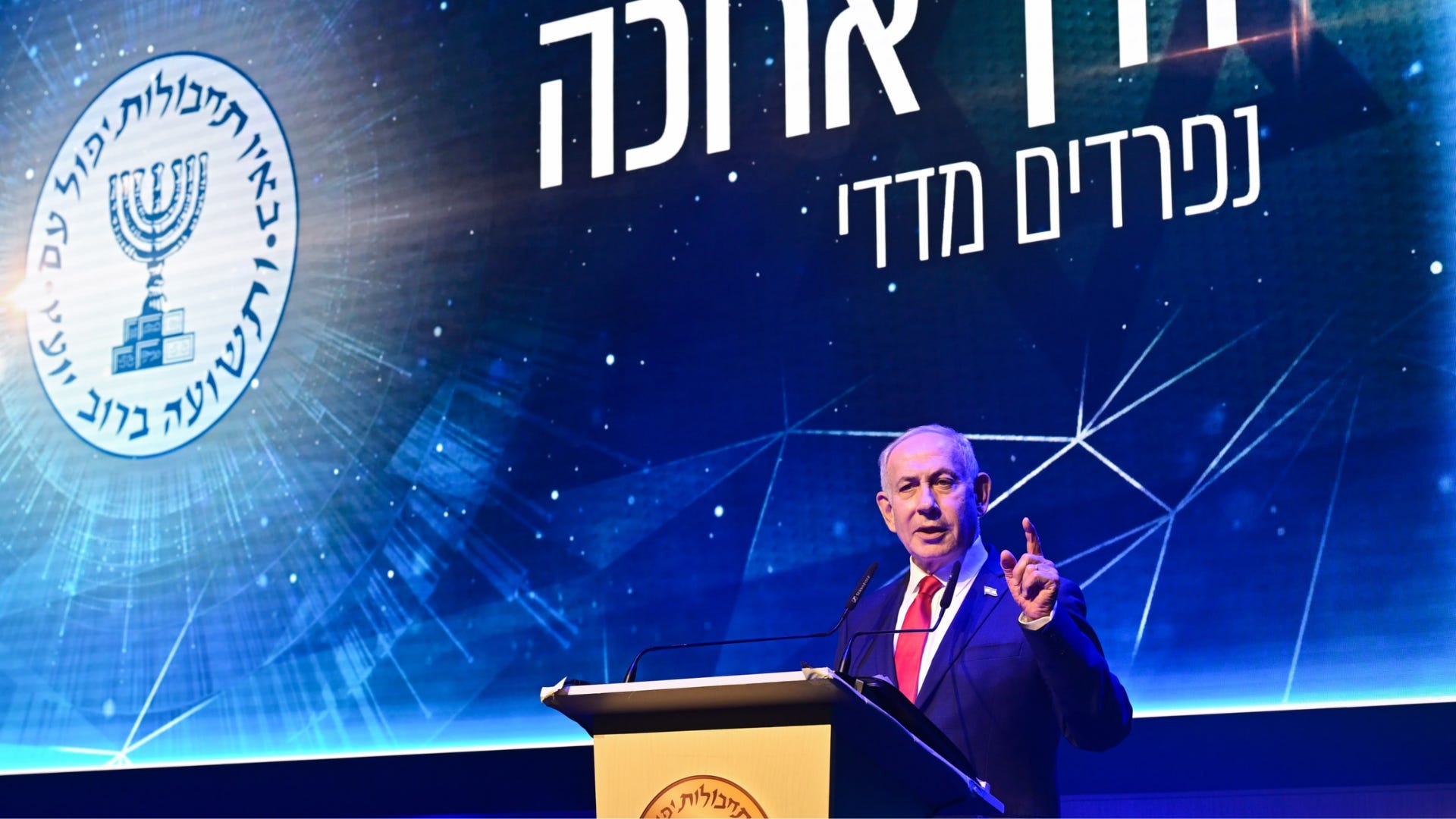
The Bible Is Not a Border
Israeli ministers are quoting scripture to justify territorial expansion into Lebanon. I wrote this piece because when a government starts using religious texts as its boundary documentation, you are no longer in a territorial dispute. You are in a different kind of conversation — one where no compromise is ever going to be acceptable because the other side is arguing with God. The Bible is not a border. It never was. The people who say it is know that too. Read it here
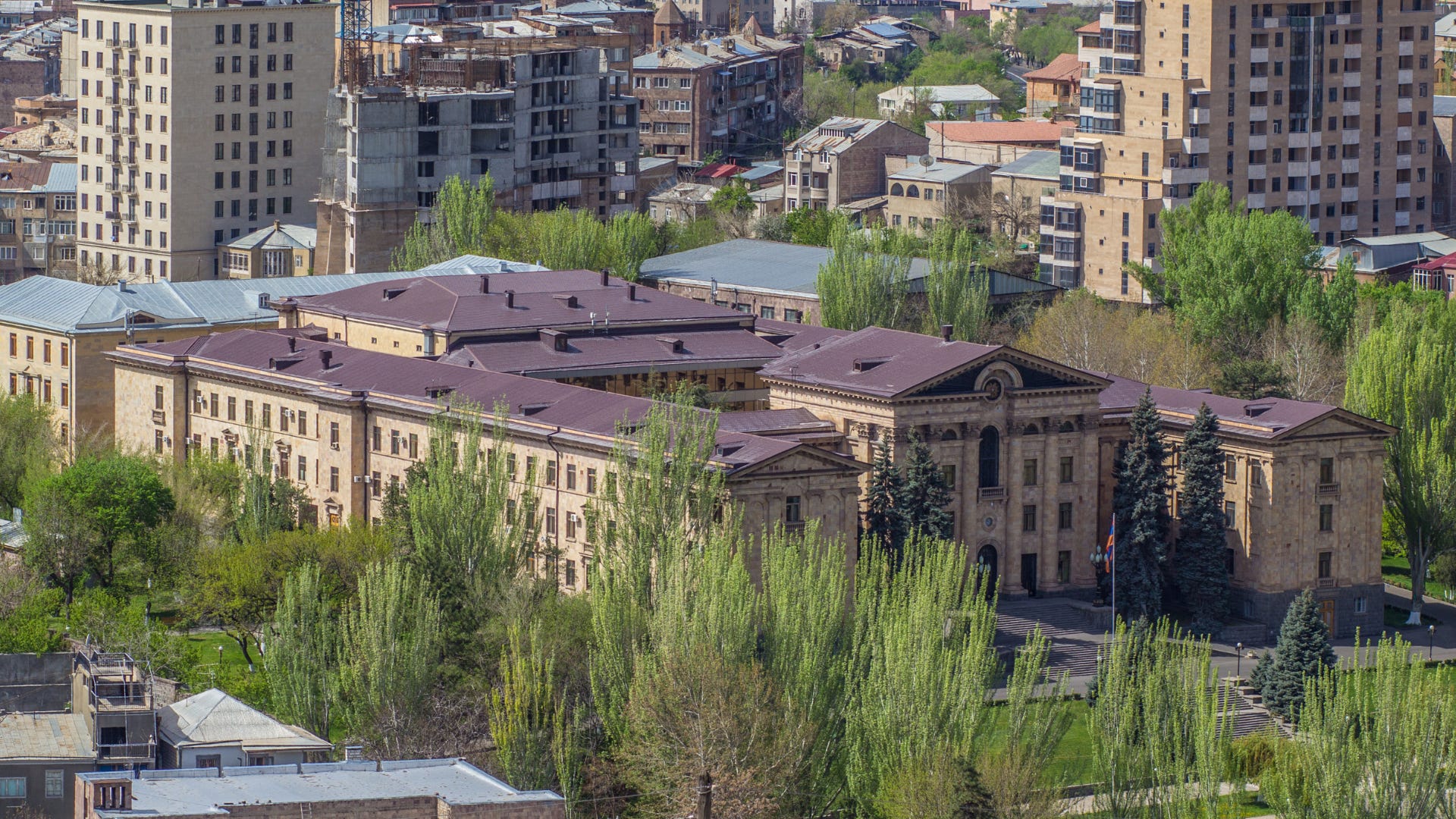
Make Armenia Great Again
On Sunday, Armenians vote in an election that will determine whether Nikol Pashinyan stays in power. Trump has proposed an energy corridor through Armenia — the Trump Route — connecting Central Asia to the United States. Russia wants Pashinyan gone. I wrote this piece because the election is about the same thing every small country’s election is about when great powers are watching: who gets to decide. Read it here
The New Central Asia
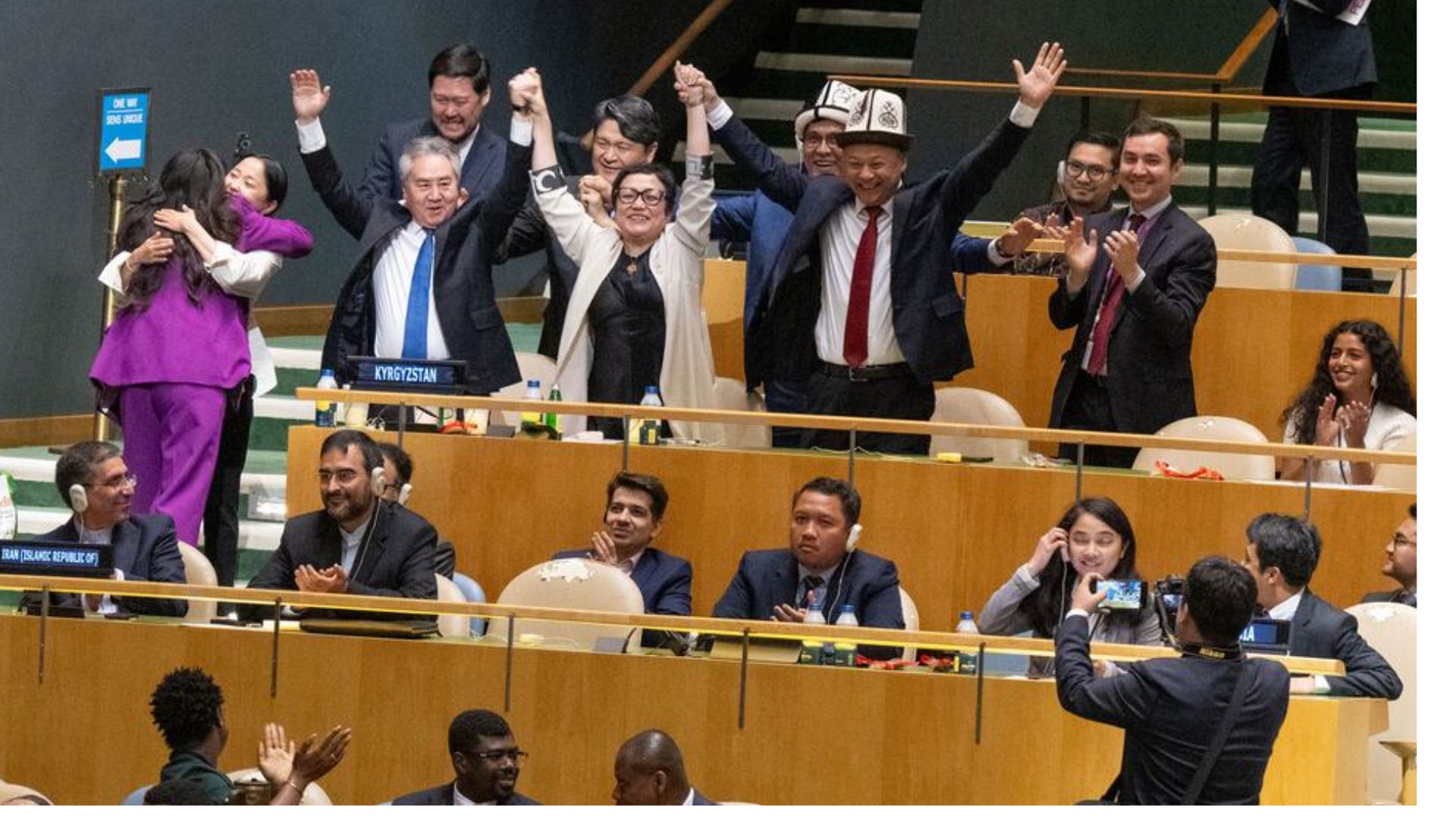
Kyrgyzstan won a United Nations Security Council seat this week. Russia filed a complaint about losing Central Asia’s rare earths to Washington the same fortnight. One is a celebration. The other is an admission. I wrote this piece because Russia’s complaint is the tell — a sphere of interest requires the capacity to enforce it, and Moscow no longer has that capacity. Central Asia is not anyone’s backyard. Read it here
From the Analysis This Week
Modi’s India: Vishwaguru Abroad,
Bulldozers Back Home
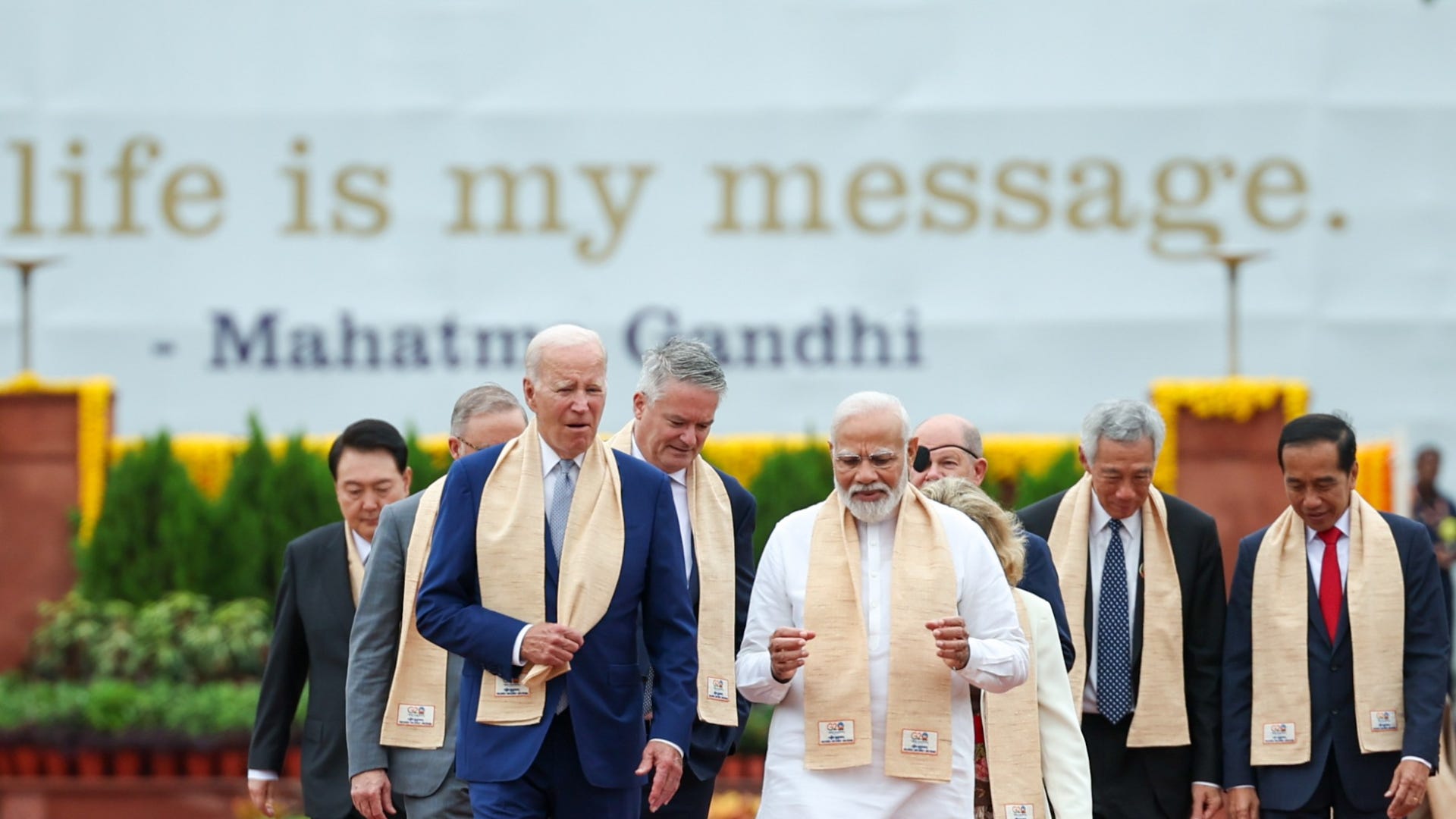
The gap between what India claims to be in the world and what it is doing at home has never been wider. Modi’s India presents itself at every multilateral forum as a champion of rule of law, democratic values and the Global South. The bulldozers at home are running a different argument. I wrote this piece because the gap between the speech and the street has a body count. Read it here
The Liability State
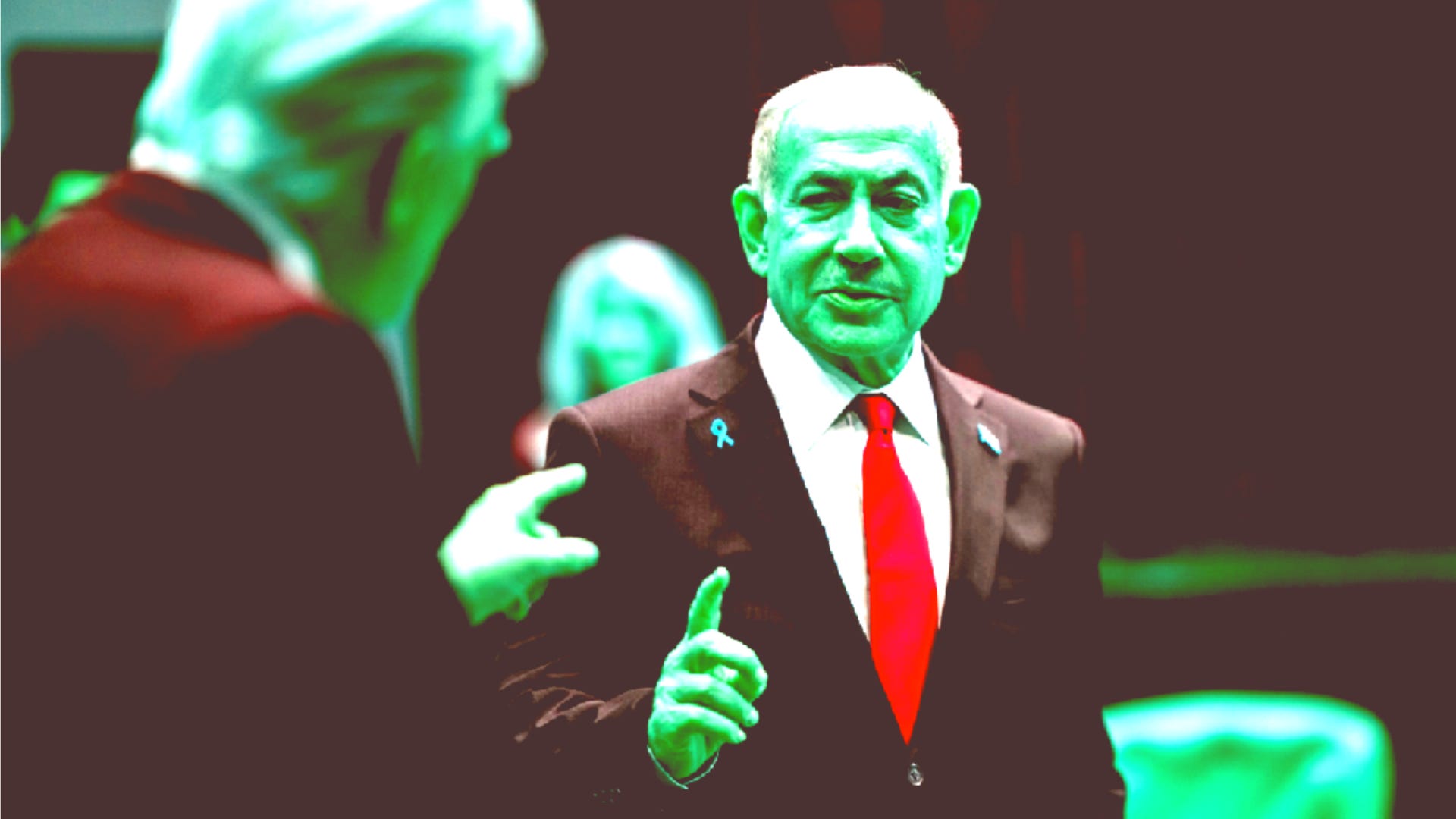
America cannot control Israel. That is not a commentary. It is a structural condition with consequences for everything Washington is trying to do in the Middle East. The ceasefire negotiations keep collapsing at the same point — the moment they require Netanyahu to comply. I wrote this piece because the liability is not metaphorical. It is costing American lives, American credibility and American negotiating capacity simultaneously. Read it here
From Books & Ideas This Week
The Dream and Its Boundaries
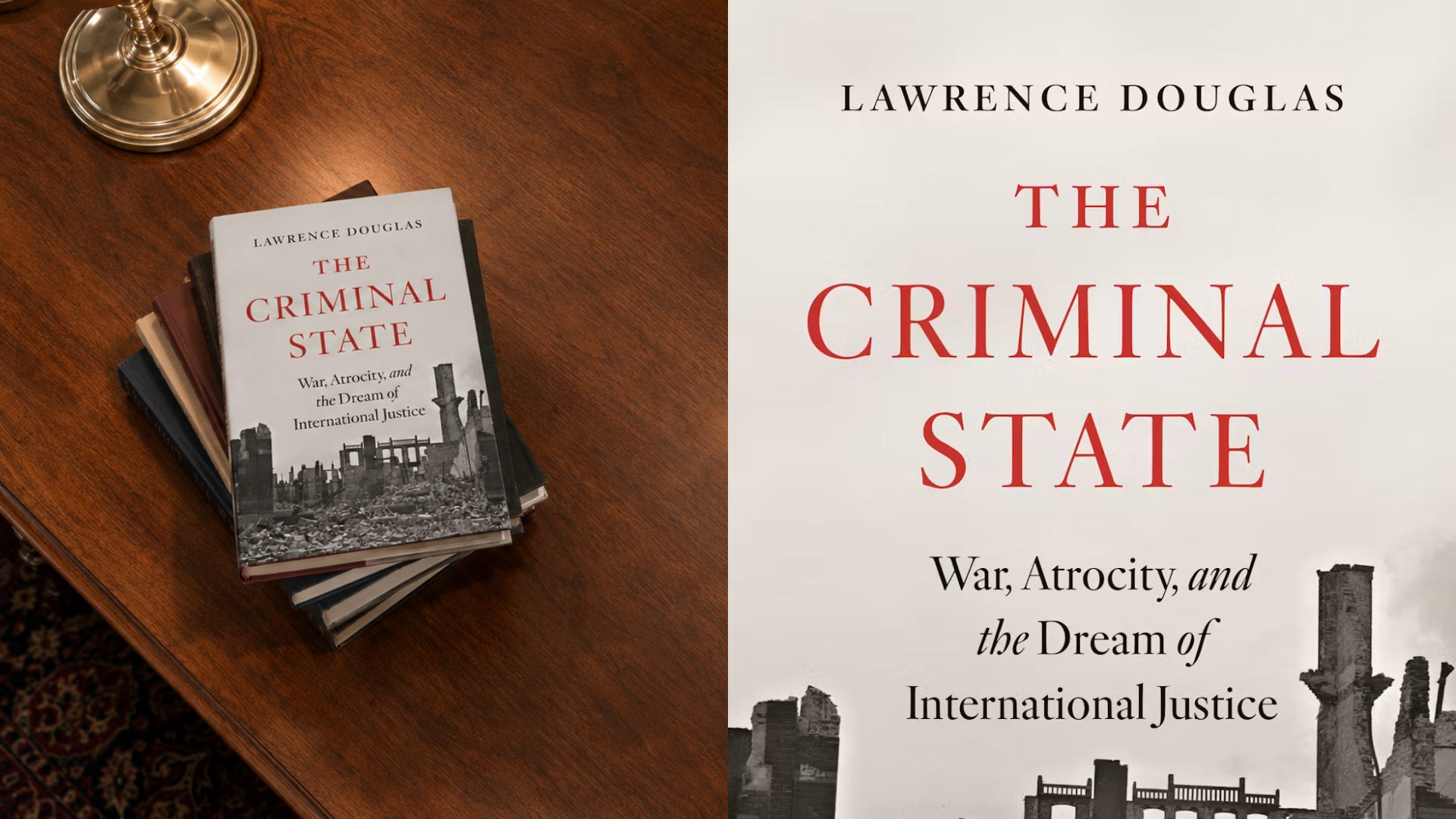
Lawrence Douglas’s The Criminal State asks whether a state can be held criminally responsible for genocide the way an individual can be. I found the argument brilliant and its limits devastating. The book describes a legal architecture designed to hold the powerful accountable. It has never successfully done so for a permanent Security Council member. I wrote this review because the gap between what international law promises and what it delivers is the central question of this moment — and Douglas is one of the few legal scholars who looks at that gap without flinching. Read it here
From The Dossier This Week

12 Fellowships Worth Knowing —
and What the Brochure Does Not Tell You
The Dossier’s first fellowship guide. Not a list of deadlines. An honest assessment of what each programme is actually selecting for and what a candidate from South Asia, Africa or the Middle East needs to know that a candidate from the US or UK does not. The Geneva Peace Fellowship closes today — if you are reading this on Saturday morning, you have hours. The Open Society Fellowship funds independent public intellectuals in seven Global South cities. The brochure never tells you any of this. We did. Read it here
Read. Think. React. No neutrality. No noise. Just argument. Until next Saturday.
Sunny Peter
Editor, DiploPolis.com