


Eight pieces this week. Two Ledger pieces on the war’s hundredth day and its aftermath. An Analysis piece on why the World Cup visa story is not what it looks like. An interview with Lawrence Douglas on what happened to Nuremberg’s promise. A look at why Lebanon cannot assert sovereignty over its own territory, however credible its government becomes. A piece on Kim Jong Un’s leverage, built over years and visible this week in Beijing. The WFP confirming, with numbers, what it warned about in March. And Thursday’s announcement of a settlement that Iran has not confirmed. A reading list closes out the week, for anyone who wants to go further into any of it.
Here is what was on my mind when I wrote each one.
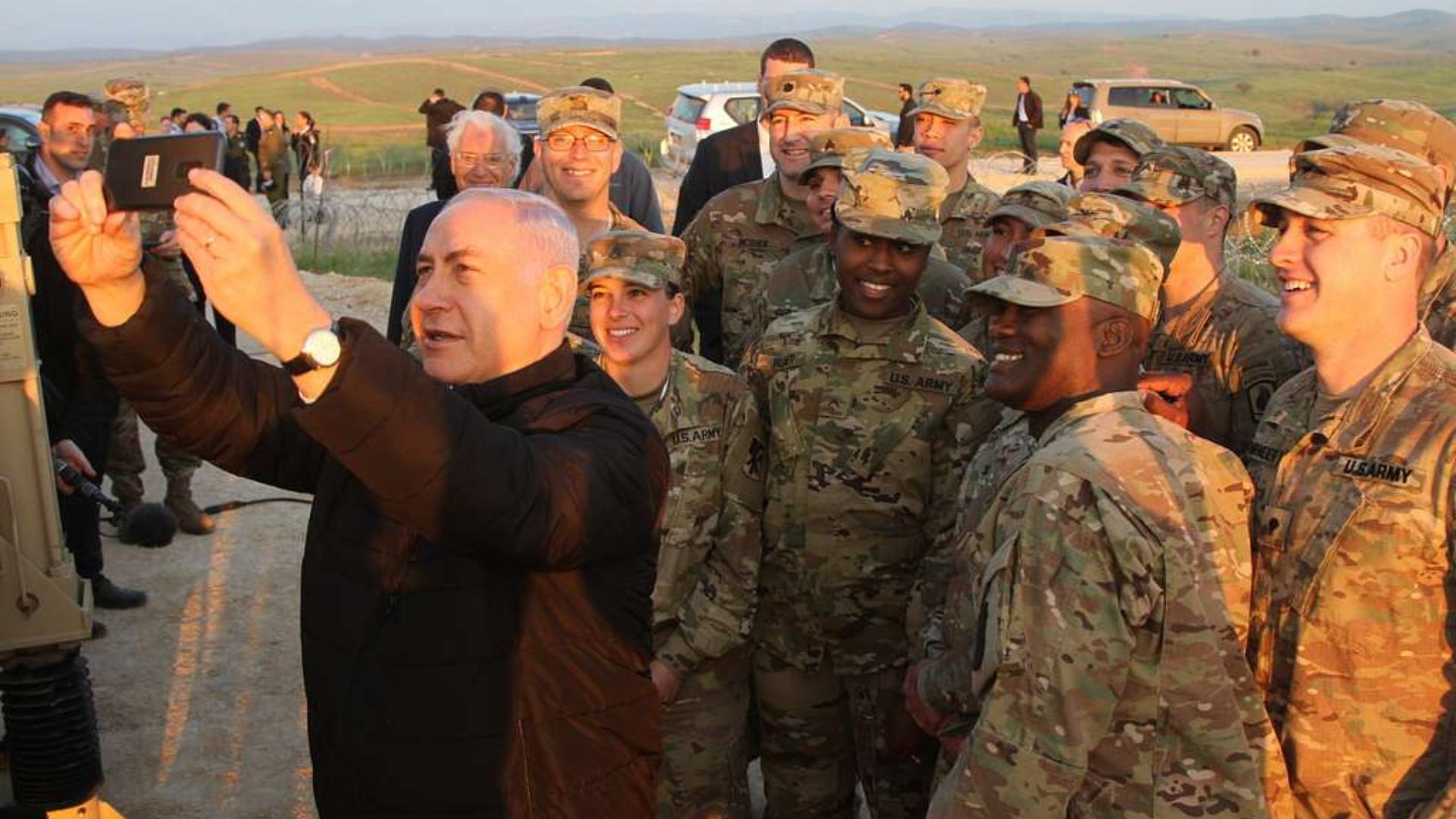
Not Iran. Still Netanyahu.
Trump told Netanyahu to stop. Israel struck Dahiyeh anyway, within hours of that conversation being reported. I wrote this because the gap between what Washington says in public and what Israel does in response to it has become so wide that calling it diplomacy is no longer accurate. It is theatre, and theatre has an audience that is not Iran. Read it here
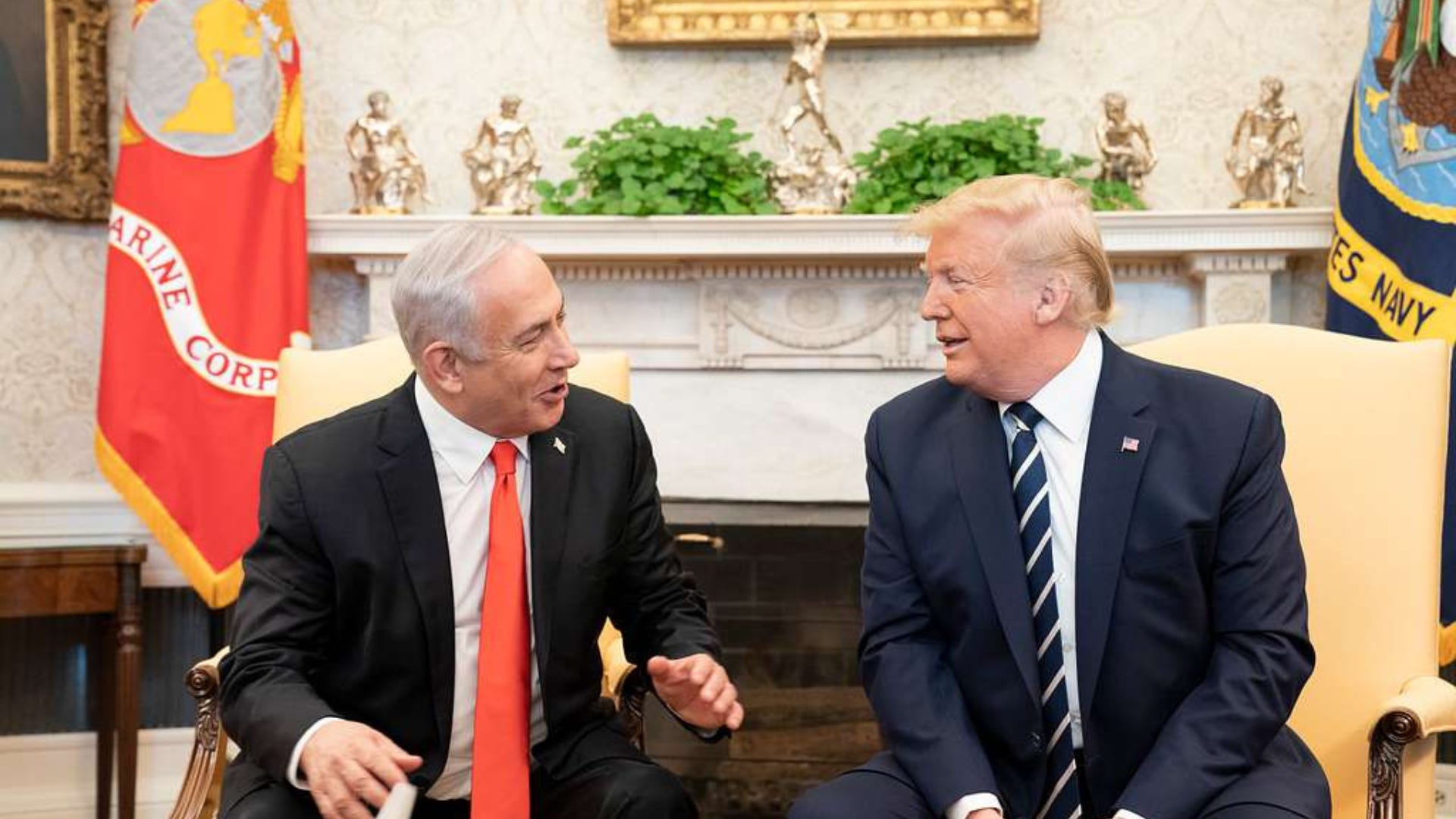
I Call the Shots
Trump told the Financial Times he calls the shots, that Netanyahu does not. Hours later, Netanyahu struck Iran's petrochemical complex at Mahshahr regardless. The war passed its hundredth day this week, and this piece is about what that sentence from Trump actually reveals once you hold it up against what happened next. Read it here
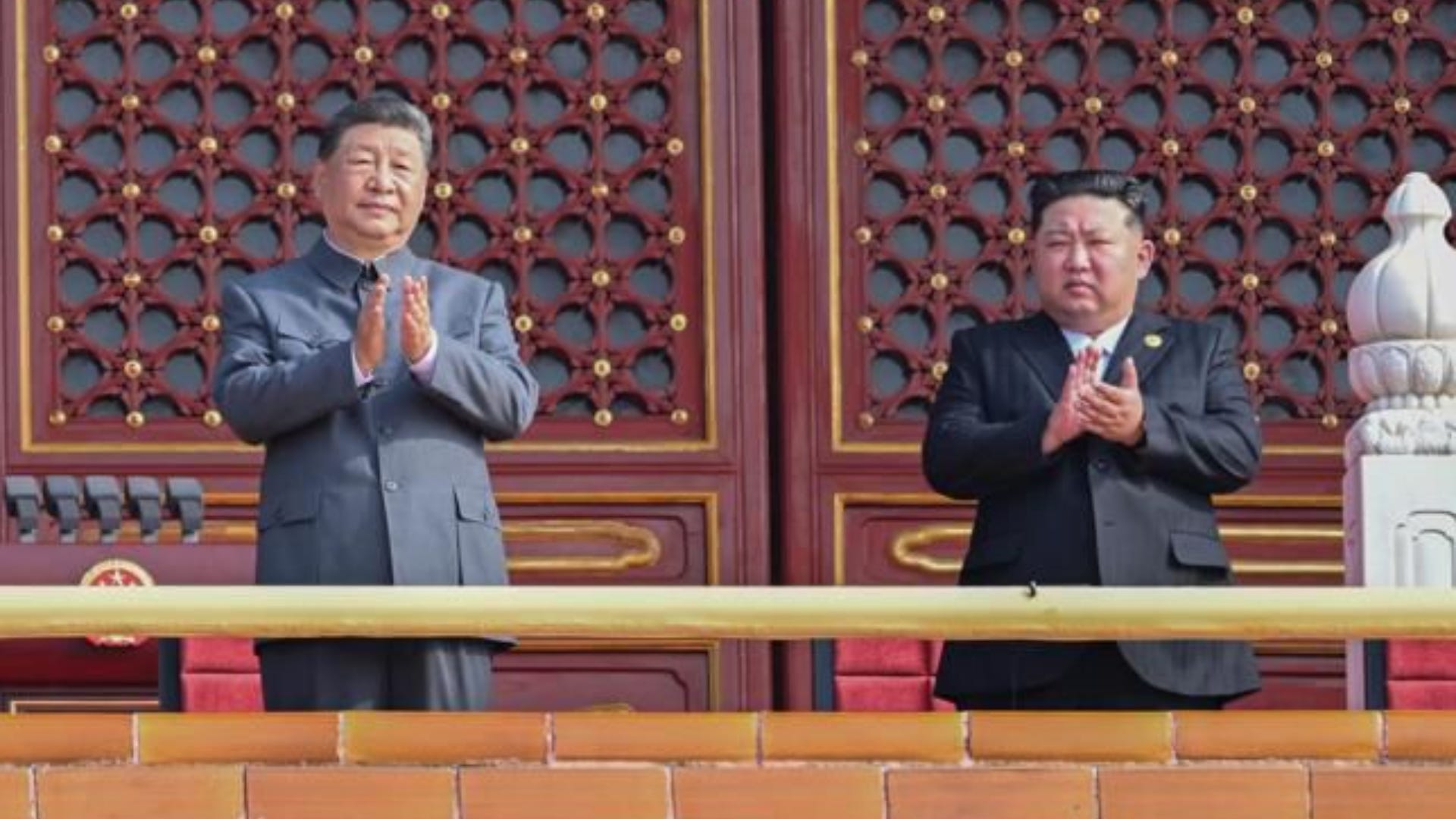
Kim’s Leverage
Days before Xi Jinping arrived in Pyongyang for his first state visit in seven years, Kim Jong Un was touring a nuclear weapons factory. Twenty years of sanctions were built to isolate North Korea. What they produced instead is a leader who has made himself the most courted figure in the region, and this piece traces exactly how that happened. Read it here
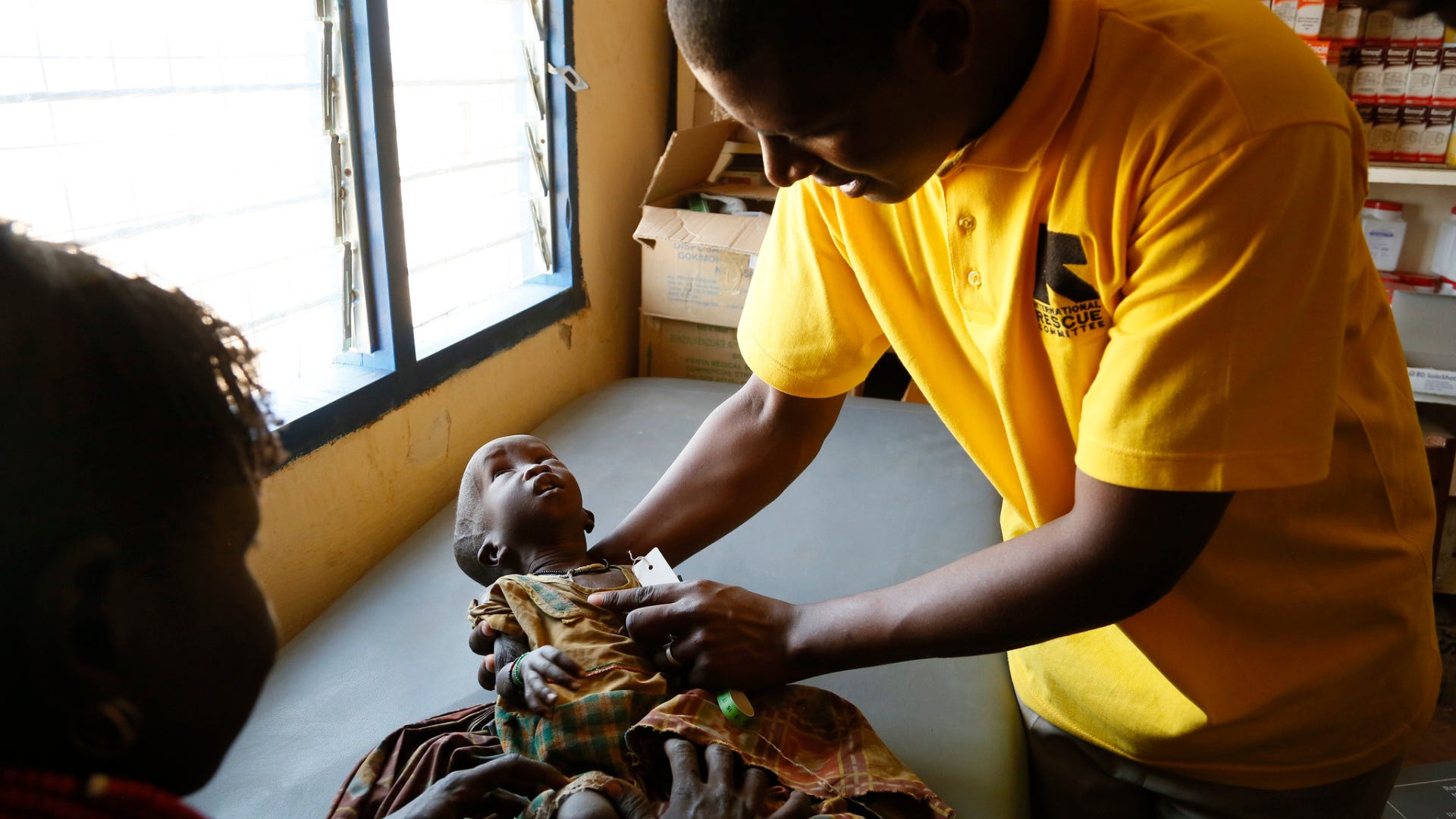
The Reckoning Does Not Come
In March, the World Food Programme warned that if oil prices stayed above $100 a barrel through July, tens of millions could be pushed into acute hunger. Oil stayed above $100. This week, the WFP said the warning has become reality. Six million people across Somalia, Afghanistan and Sri Lanka, none of them near the strait, none of them with any stake in this war, are now living its consequences. Read it here
The Settlement That Isn’t
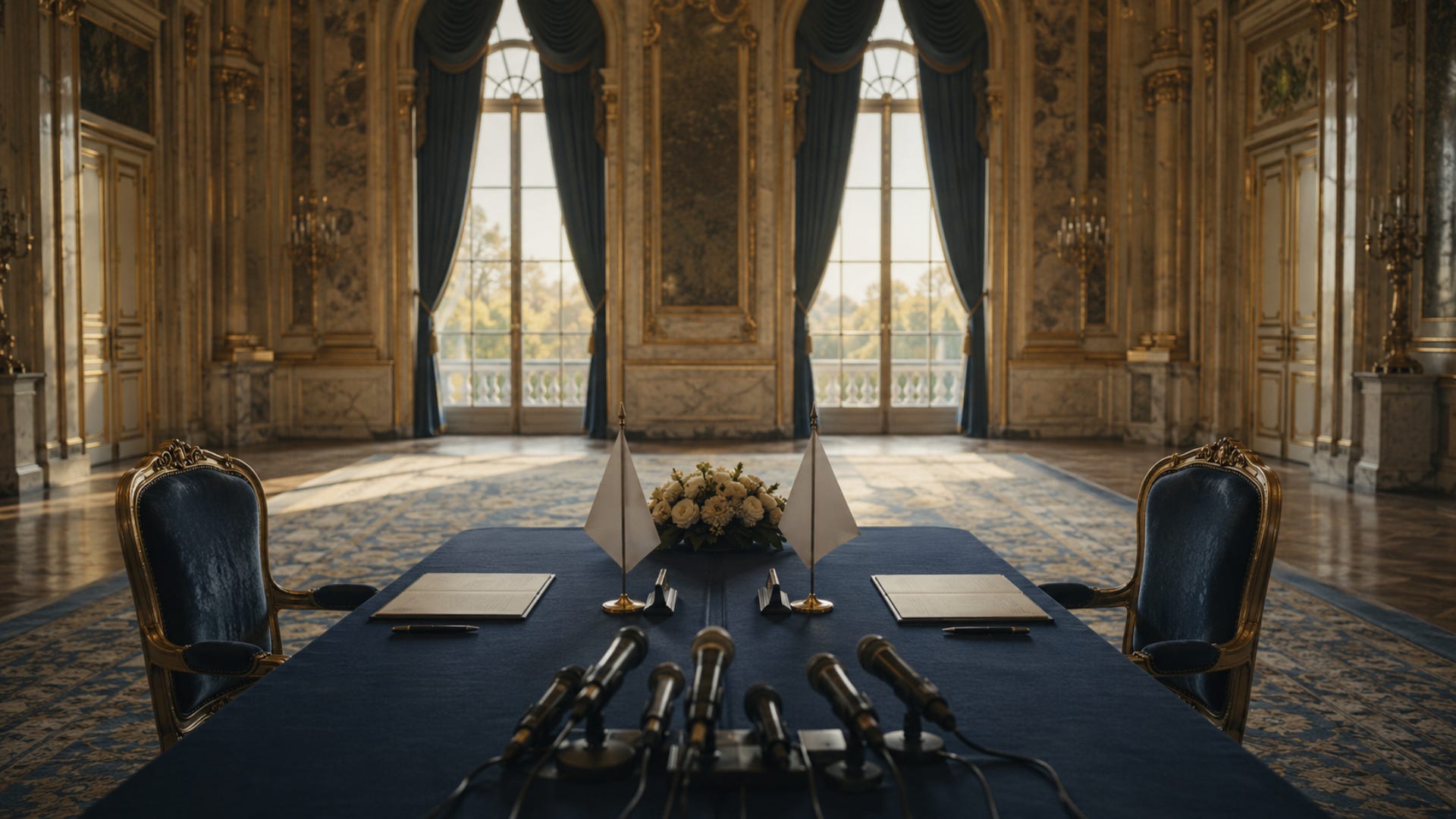
On Thursday, Trump announced a "great settlement" with Iran. Markets rallied within the hour. Hours later, Iran said no final decision had been made. I went back through the record and counted: this is the fifth time since February this exact sequence has played out, deadline, reversal, market reaction, then a gap nobody seems to be keeping score of. The pattern is not failing. It was never about ending the war in the first place. Read it here
Analysis This Week
The Enemy in the Stadium
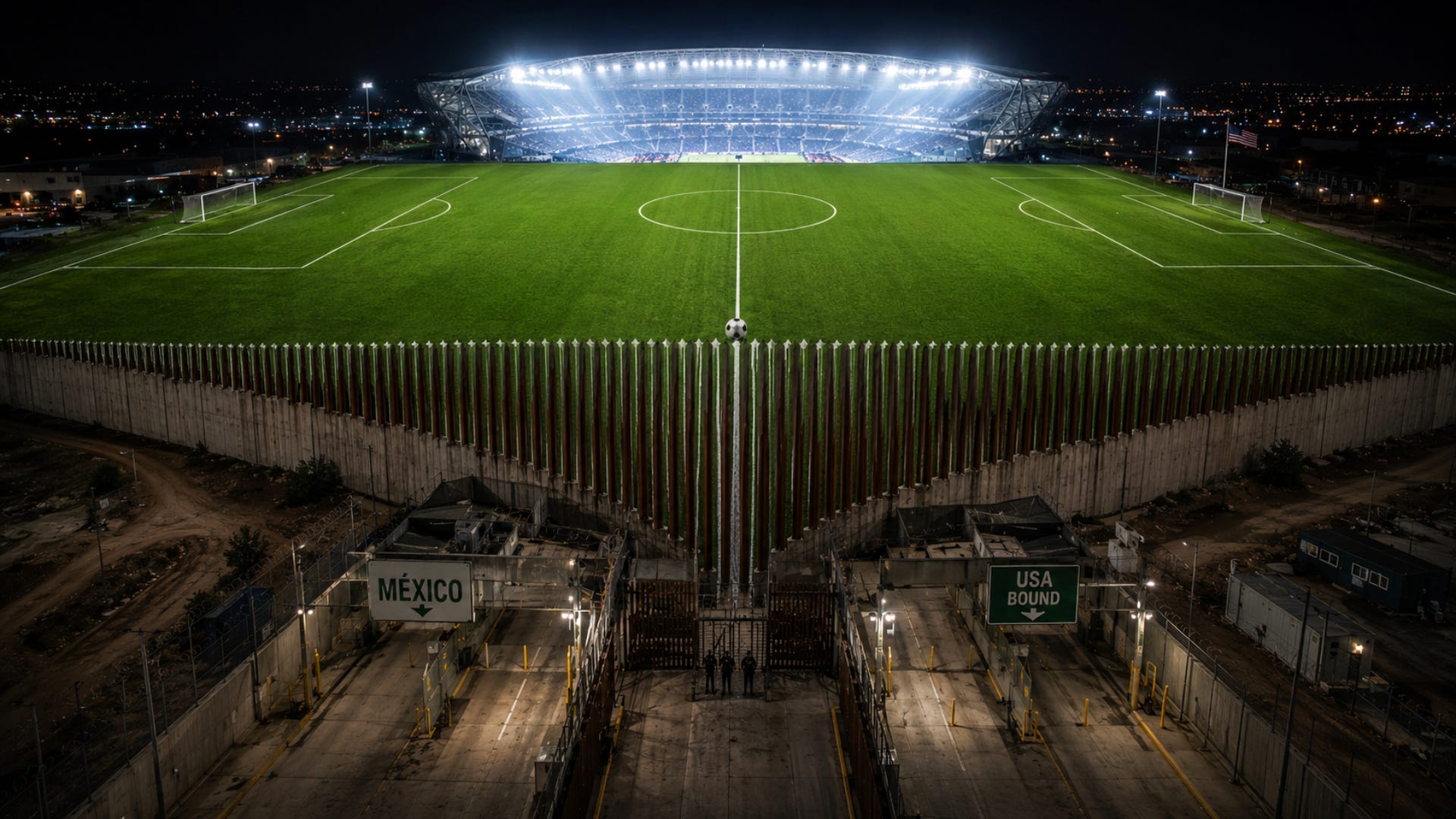
The United States granted visas to Iran's football team to compete in the World Cup while the United States was bombing Iran. I spent longer on this piece than almost anything else this year, three full drafts, because the obvious framing, that this is hypocrisy, turned out to be wrong. The actual argument is closer to the opposite, and getting there took a while. Read it here
What Lebanon Is:
The Architecture of Powerlessness
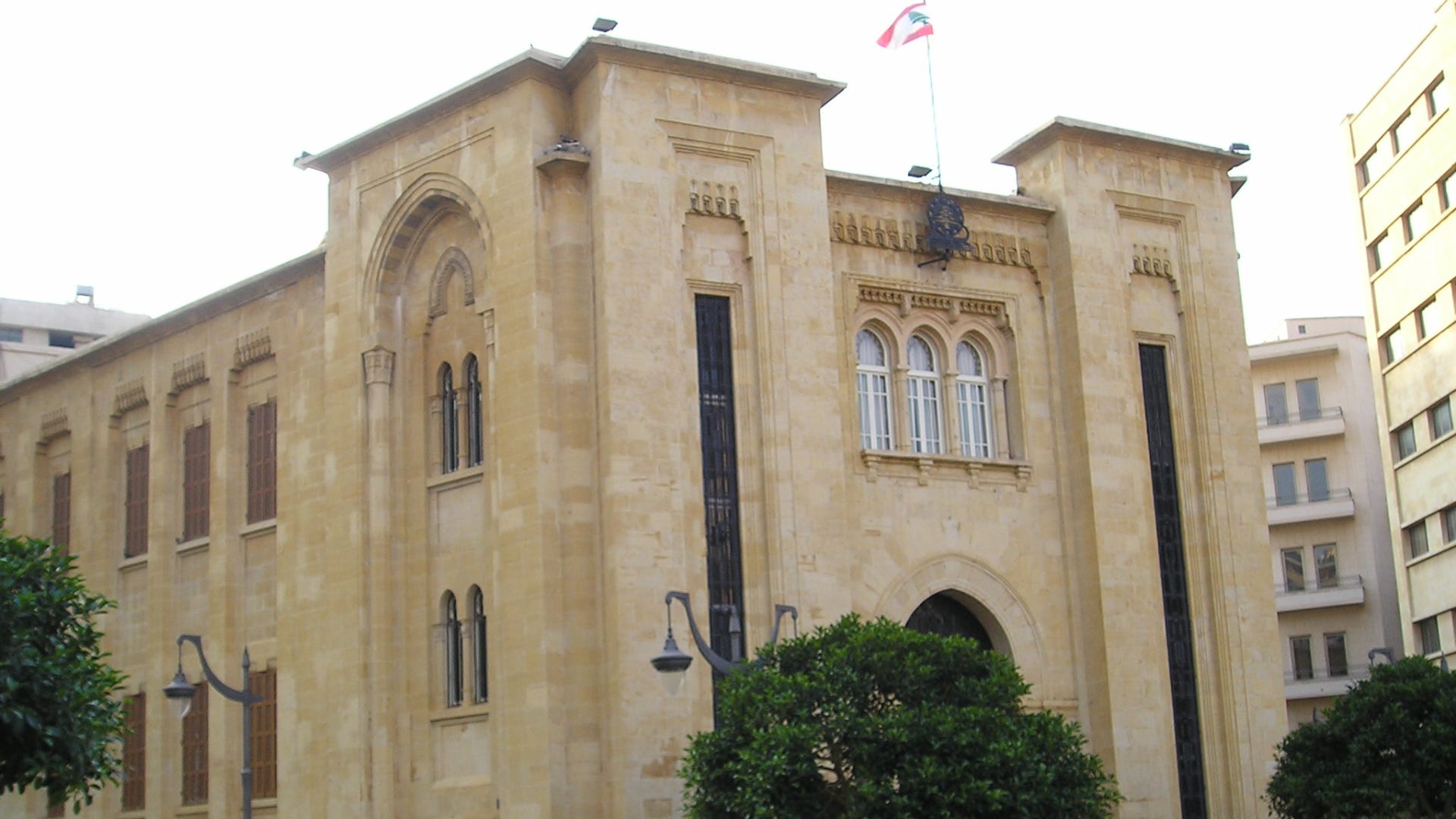
Lebanon's prime minister was, until recently, president of the International Court of Justice. He is the most credible figure to lead a Lebanese government in a generation. Israeli bombs are still falling on Beirut. That gap is not personal failure, and tracing where it actually comes from meant going back to an agreement signed in 1989 and being honest about what it actually said. Read it here
Interview This Week
‘So Much for the
Supreme International Crime’
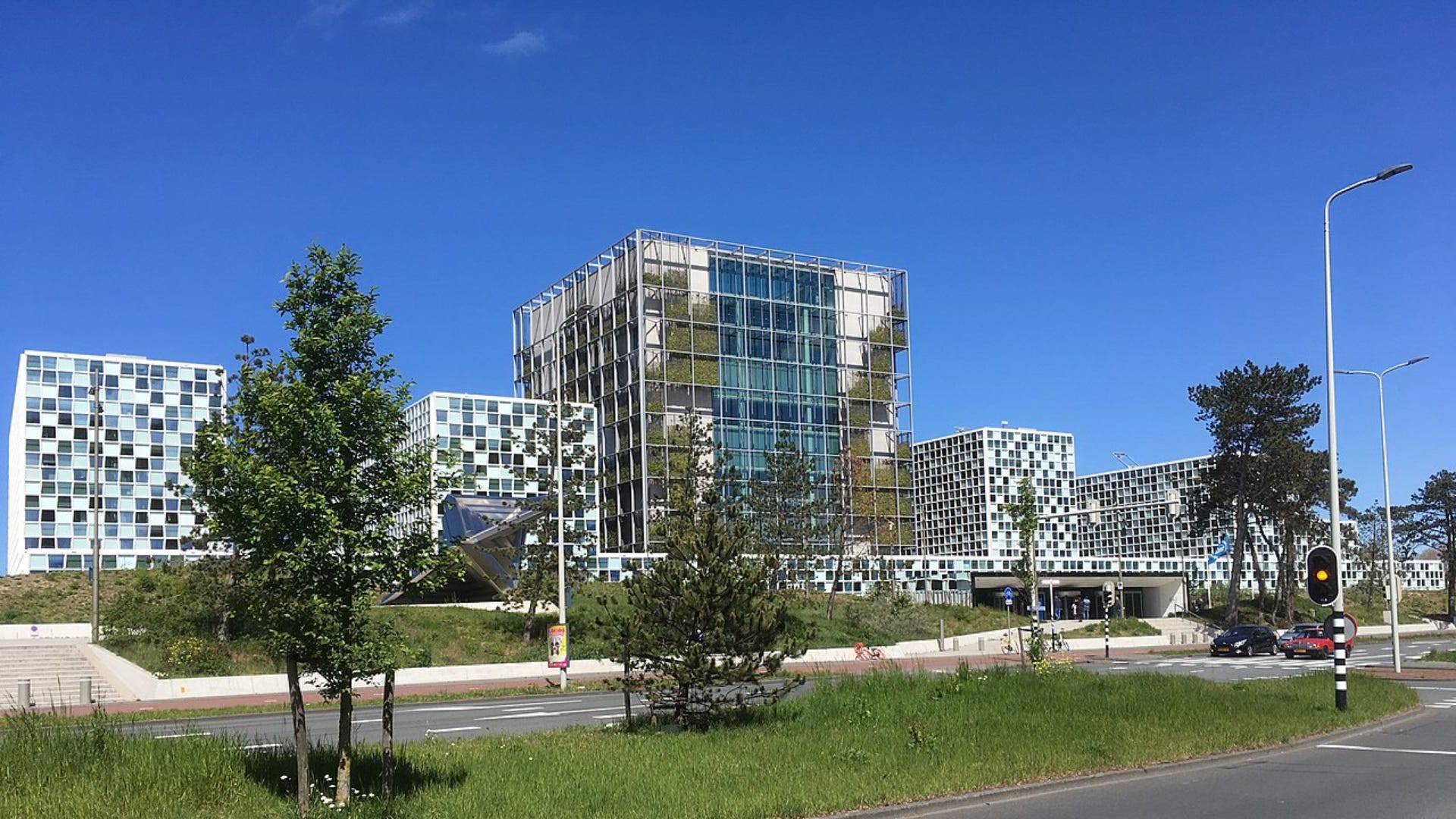
I corresponded with Lawrence Douglas, author of The Criminal State, by email, putting questions to him about what happened to Nuremberg's promise. The ICC has issued arrest warrants for both Putin and Netanyahu. Neither has been arrested. Since 1945, nobody has been successfully prosecuted for the crime Nuremberg called the supreme international crime, and Douglas's answer to my final question was not the answer I expected. It is the line from this interview I keep returning to. Read it here
The Dossier This Week
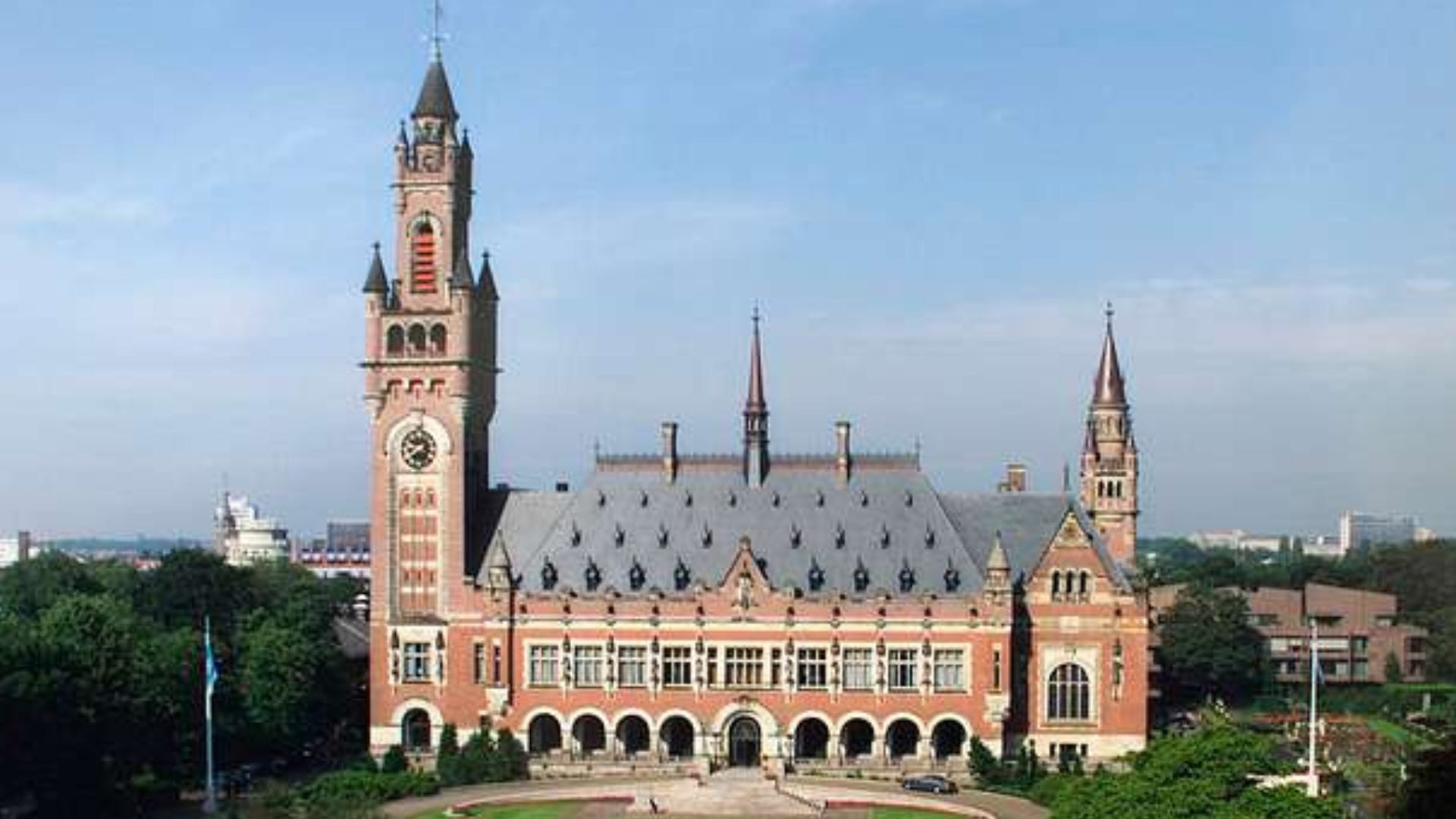
The Dossier: Twelve Books on
International Justice
A reading list, anchored by Douglas's new book, for anyone who wants to go further into the questions raised across this week's pieces. Twelve books, arranged as a sequence rather than a ranking, tracing the history from Nuremberg through to the ICC's present crisis. Read it here
Eight pieces. One war, still not over, five months in. The reckoning, as I wrote earlier this week, does not come. Until next Saturday.
Read. Think. React. No neutrality. No noise. Just argument.
Sunny Peter
Editor, DiploPolis.com