


This was a week about consequences. Not the dramatic kind, not the breaking-news kind, but the slow, structural kind that accumulates over years of bad decisions, cynical alliances and willful blindness, and then arrives all at once in the same seven days. Mali paid for a bet it lost. Washington threatened a country it has been strangling for decades and called it negotiation. Israel built a fact so large it no longer needs to hide it. And the ceasefire that was supposed to end a war turned out to be a pause dressed up in diplomatic language. I found myself writing, day after day, about the gap between what things are called and what they actually are. That gap was this week’s real subject.
The Bet That Didn’t Pay Off
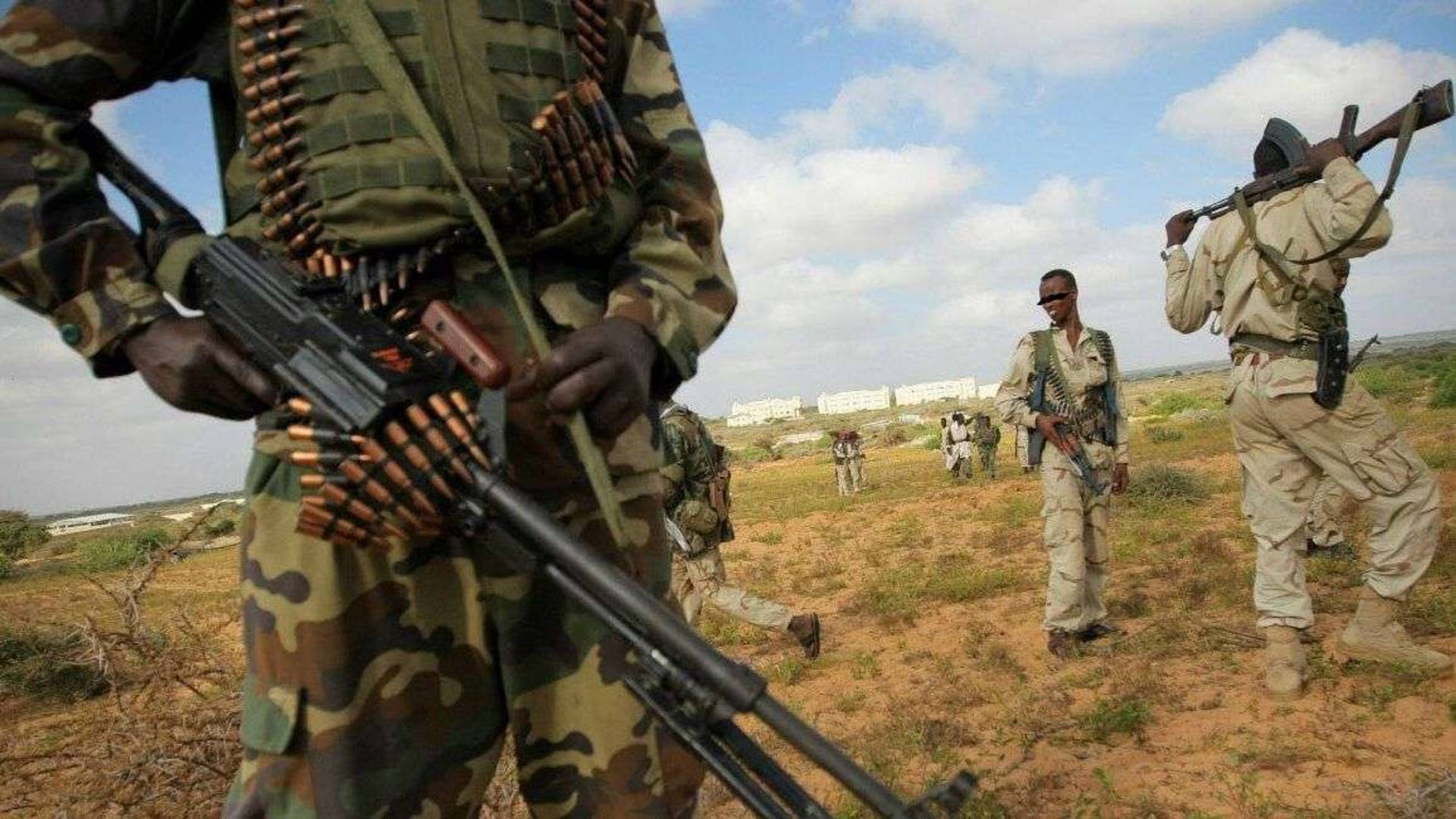
The attack on Bamako was the kind of event that gets a paragraph in the international press before the algorithm moves on. I did not want to let it move on. Mali’s junta made a calculation when it expelled the French and invited the Russians: that Wagner would provide security without the political conditions the West attached. What Bamako got instead was a different kind of dependency, and this week it became clear that dependency does not protect you from the thing you were afraid of, it just changes who is watching while it happens. The piece was about the price of that substitution. Read it here
Alliance by Coercion, Racket by Design
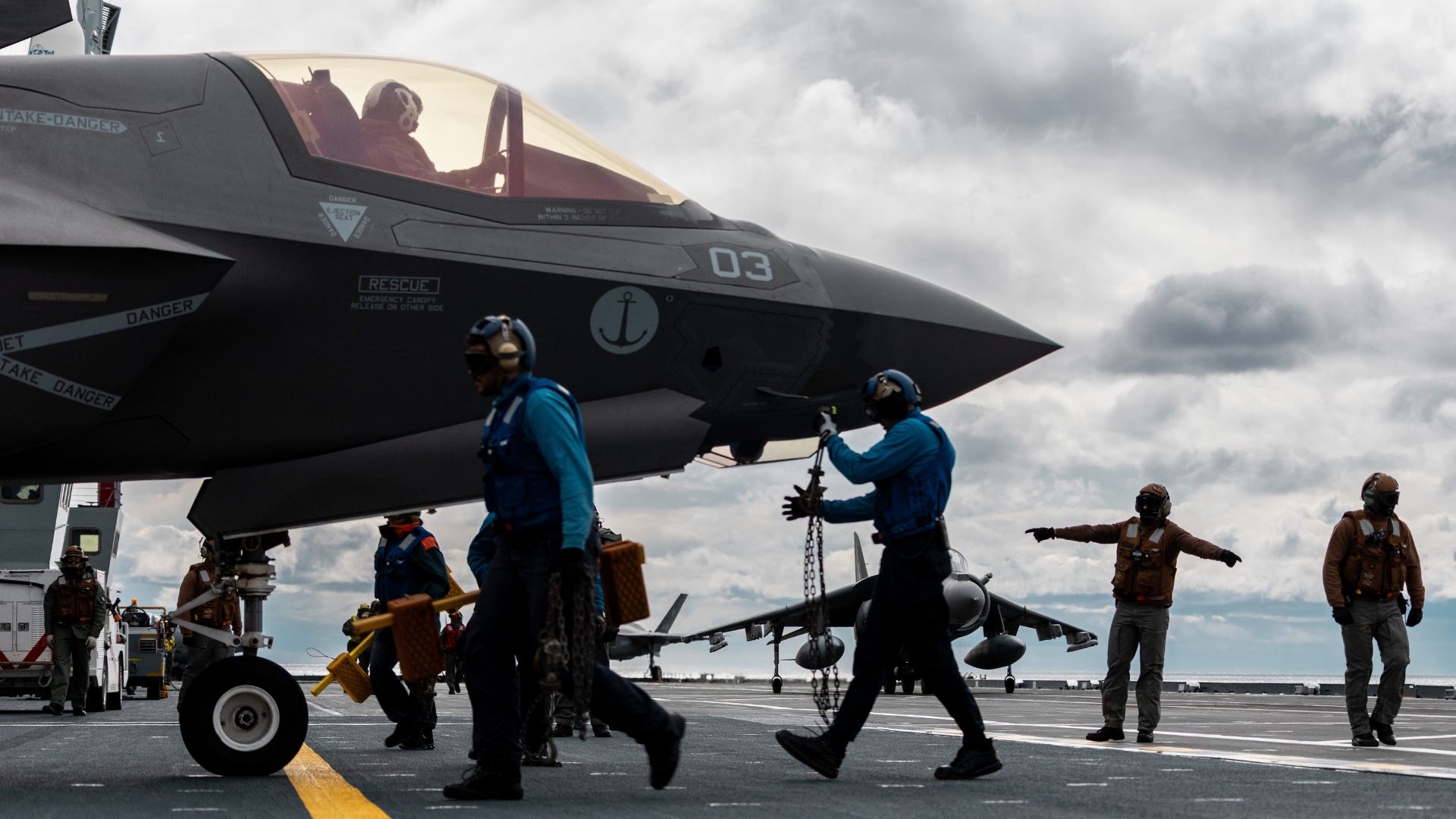
I have been thinking about NATO for a while, specifically about the language used to describe what Trump is doing to it, and I kept arriving at the same discomfort: the word ‘alliance’ implies something voluntary. What I was watching did not look voluntary. It looked like a protection arrangement with a variable premium, and this week provided the clearest illustration yet of the difference between the two. The piece was not really about Trump. It was about what an alliance becomes when the dominant power decides coercion is a legitimate tool of coalition management. The honest word for that is not alliance. Read it here
Weapon That Turned Around
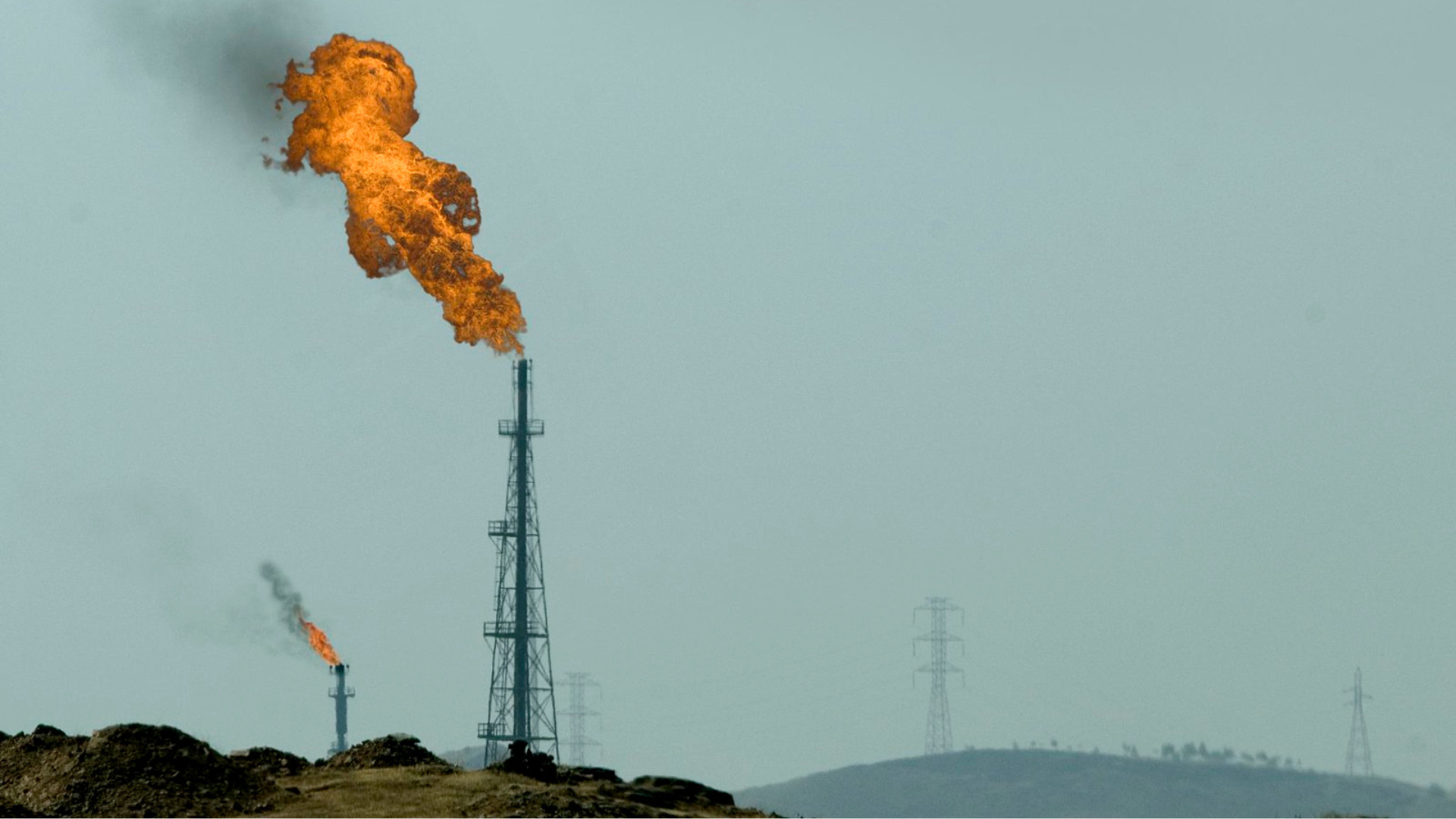
Iran used the Strait of Hormuz as leverage in its own defence, and I found myself thinking about how long it took for the obvious to become the policy. Every analyst has known for years that Iran’s most credible deterrent was not its missiles but its geography. The strait is not just a chokepoint, it is a fact. What changed this week was that Tehran stopped treating it as an implicit threat and started using it as an explicit one, and the world discovered that the oil markets had not fully priced in what ‘explicit’ means. I wrote about what happens when a weapon turns around and faces the people who assumed they were safe from it. Read it here
Negotiation and the Threat
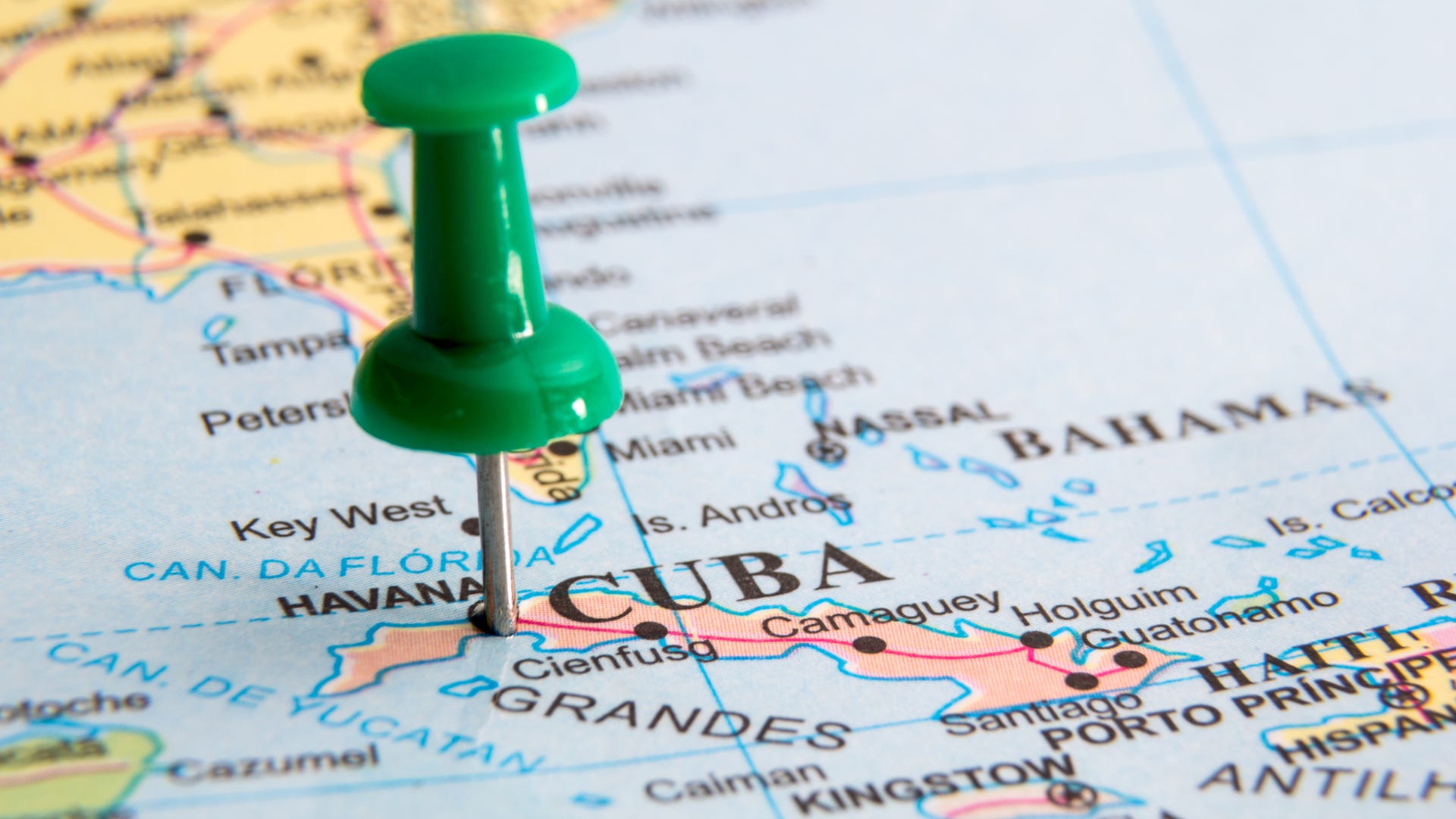
The Cuba piece made me angrier than most things I write, which is why I tried to write it calmly. Washington issued demands to Havana under conditions that make the word ‘negotiation’ nearly meaningless, and then described the process as diplomacy. I know what diplomacy looks like. It does not look like this. It looks like two parties who can each walk away. Cuba cannot walk away. That asymmetry is not a negotiating context, it is a coercion context, and I wanted to say so plainly because the press coverage was treating it as the former. Read it here
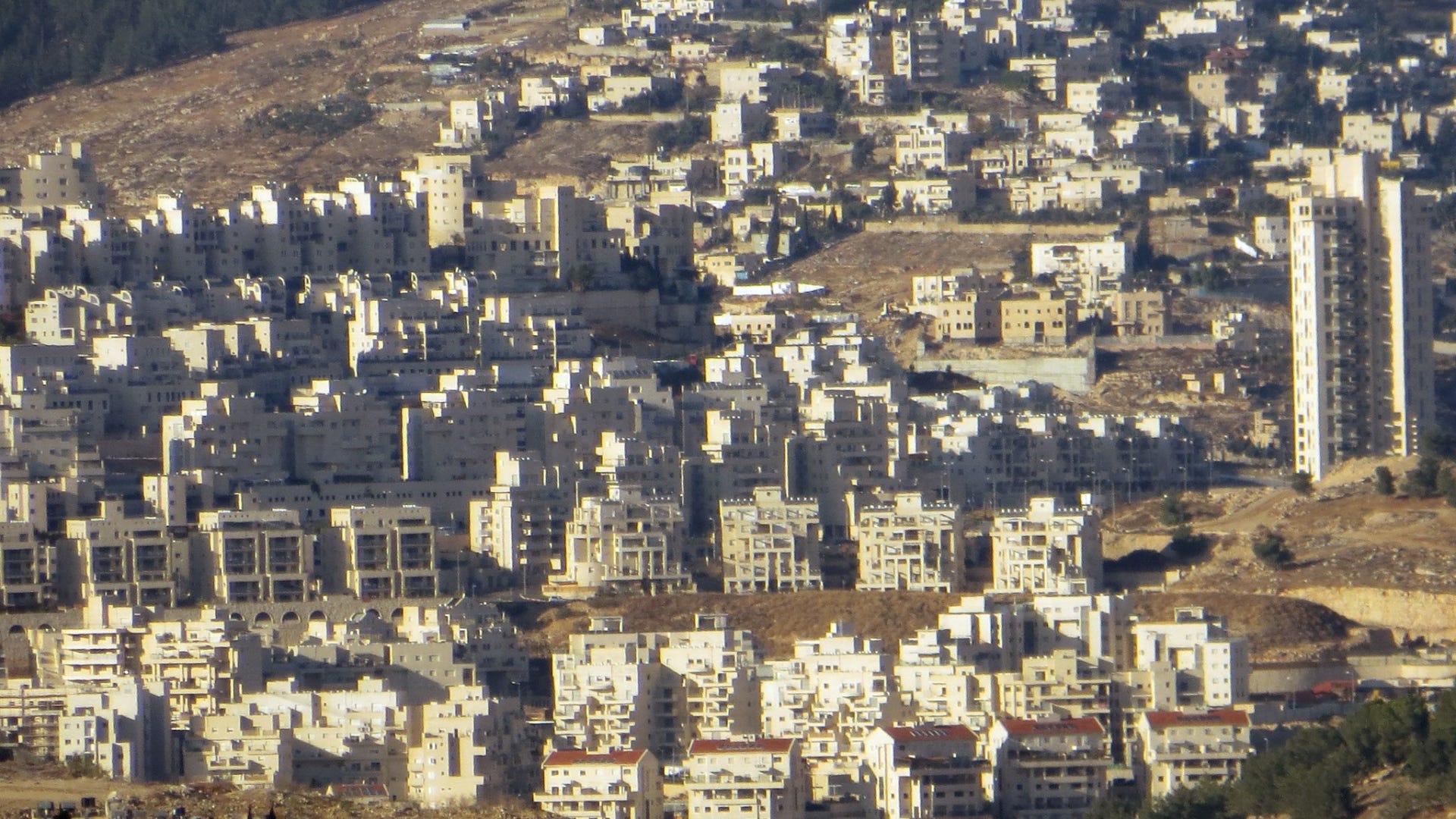
Annexation That Hides in Plain Sight
This was the hardest piece to write, not because the argument is complicated but because the reality it describes is so normalised that naming it feels almost impolite in certain circles. Israel is annexing the West Bank. Not incrementally, not ambiguously, not in ways that require careful legal interpretation: it is doing it in plain sight, with road signs and administrative transfers and the quiet confidence of a government that has concluded the international community will document the process without interrupting it. I wrote the piece because I think the documentation without interruption is itself a political choice, and I wanted to say so. Read it here
Analysis This Week….

Pause Without Peace: How the US-Iran Ceasefire Was Built to Fail
The analysis piece this week took longer than the Ledger pieces because the argument required more scaffolding. A ceasefire is not peace, and this one was not even a well-constructed ceasefire. I wanted to go beyond the daily dispatches and examine the structural reasons why this particular pause was unlikely to hold: the gap between what Washington agreed to and what Tel Aviv accepted, the unresolved questions about enrichment that both sides deliberately left ambiguous, and the fundamental problem that the parties who most needed to be in the room were represented by governments who could not afford to say publicly what they wanted privately. The ceasefire was a performance of diplomacy, not diplomacy itself. Read it here
Five pieces on five consecutive days, and one long piece that tried to hold all of it together. The week did not resolve anything. It rarely does.
Read. Think. React. No neutrality. No noise. Just argument. Until next Saturday.
Sunny Peter
Editor, DiploPolis.com