


What a week. On Monday, Washington was asking China to use its Iran ties to reopen the strait after spending three months sanctioning China for having those ties. By Tuesday, Israel had deployed Iron Dome batteries to the UAE without asking Abu Dhabi. By Wednesday, Trump was landing in Beijing as Chuan Jianguo — the Country Builder — the man whose policies built China’s power more than his own. By Thursday, Xi was asking whether two great powers could avoid the Thucydides Trap. By Friday, the strait was still largely closed and nobody had a good answer to Xi’s question. Five days. Five pieces. One thread: the week the established order met the rising one, and blinked first.
For the past five days I wrote every morning knowing something bigger was coming. Here is what I was thinking.
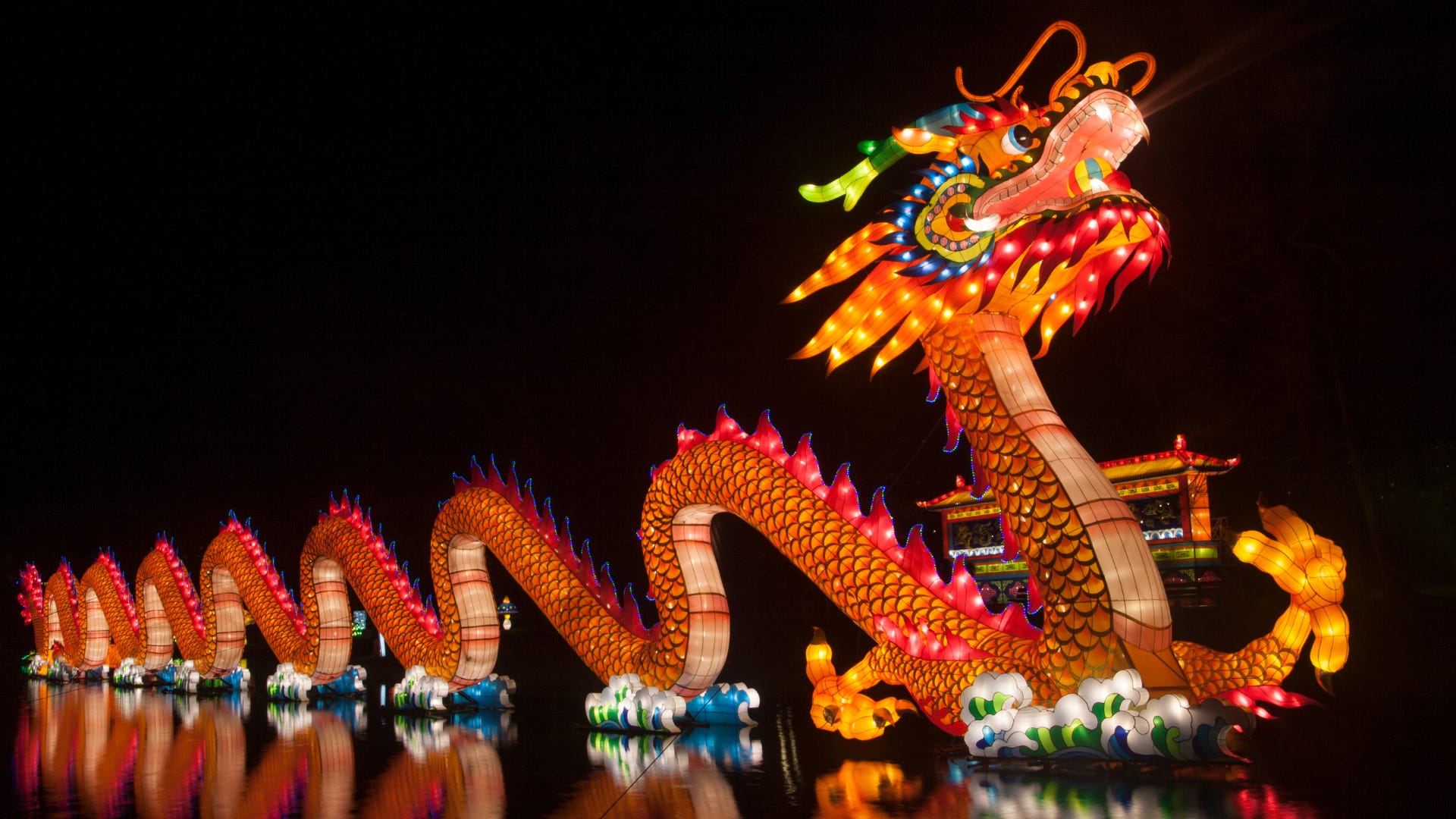
Ask China
Bessent called China a funder of terrorism for buying Iranian oil. Then asked China to use those ties to reopen the Strait of Hormuz. In the same interview. I wrote this piece on Monday because the contradiction was so complete it needed to be named before it disappeared into the diplomatic noise. Washington built this crisis on the premise that China’s relationship with Iran was the problem. It is now flying to Beijing to ask China to use that relationship to solve the crisis. The sanctions and the summit are the same sentence. Read it here
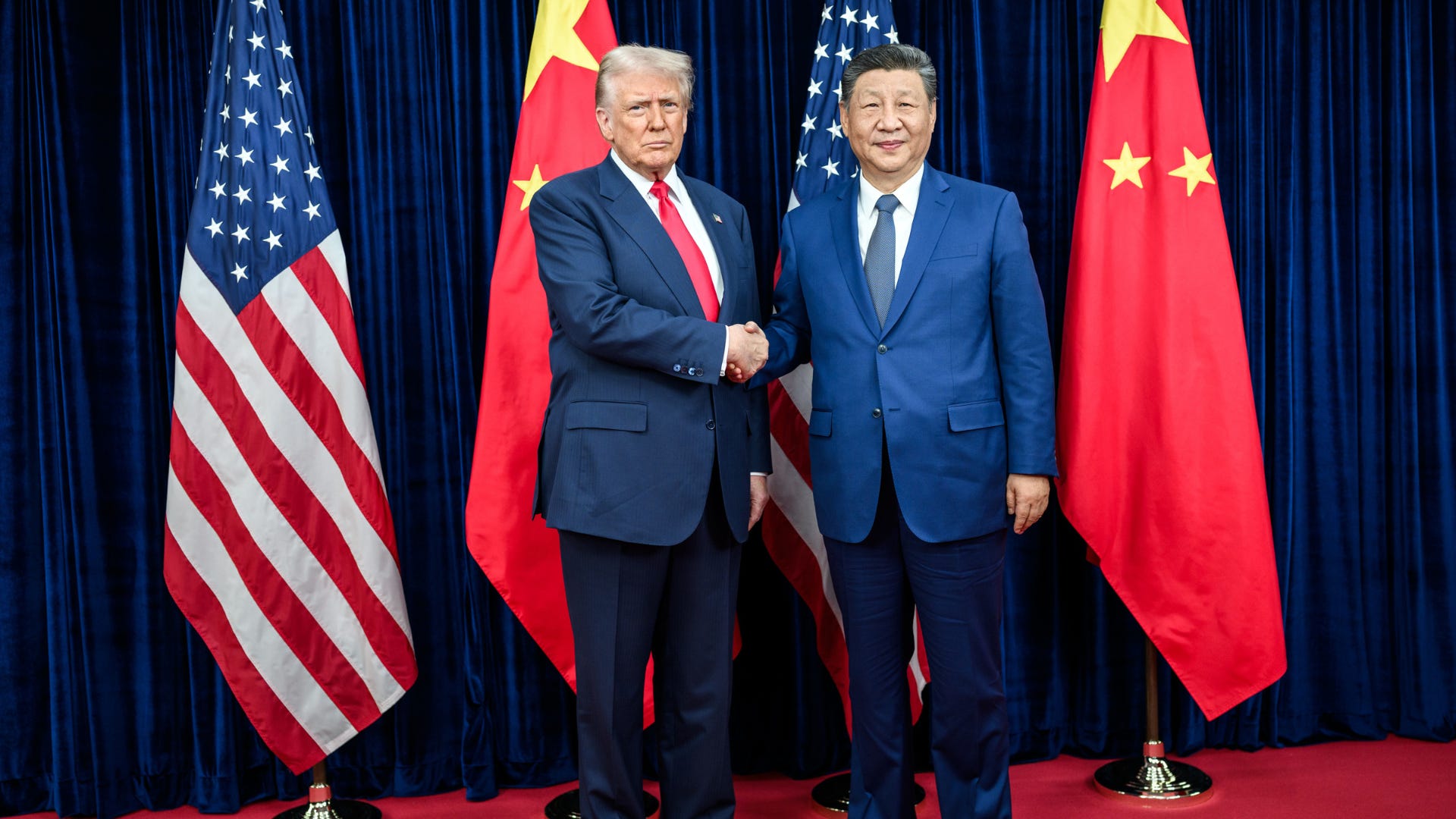
Xi Only Has to Not Lose
Before Trump landed in Beijing I wanted to establish the terms of the visit as clearly as possible. Trump arrived carrying a war he cannot finish, a strait he cannot reopen and a request that requires the cooperation of the country he spent four years trying to weaken. Xi arrived on home soil, confident and unhurried. A supplicant and a sovereign walked into the same room. The power dynamic was visible before a single word was exchanged. Read it here
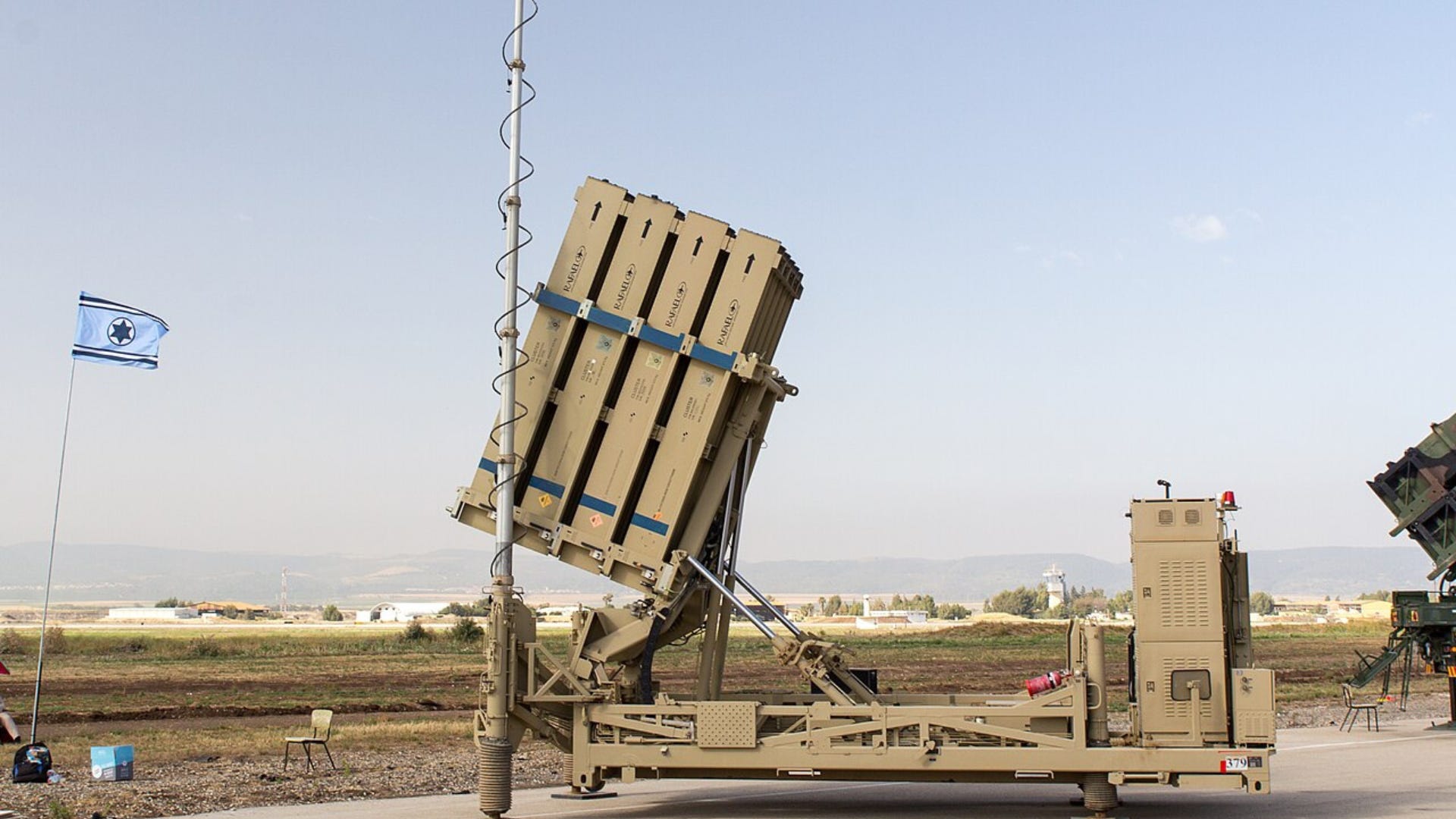
Pick a Side
Mike Huckabee walked into a conference in Tel Aviv and announced, publicly, that Israel had deployed Iron Dome batteries and military personnel to the UAE. He was not on the programme to make that announcement. He made it anyway — as a recruitment pitch. The Abraham Accords were sold as a peace deal. What Huckabee confirmed on Tuesday is that they were always a security architecture. The UAE signed to secure its future. It now has Israeli soldiers on its soil and Iranian missiles in its skies. Nobody asked Abu Dhabi whether this was the deal they thought they were making. Read it here
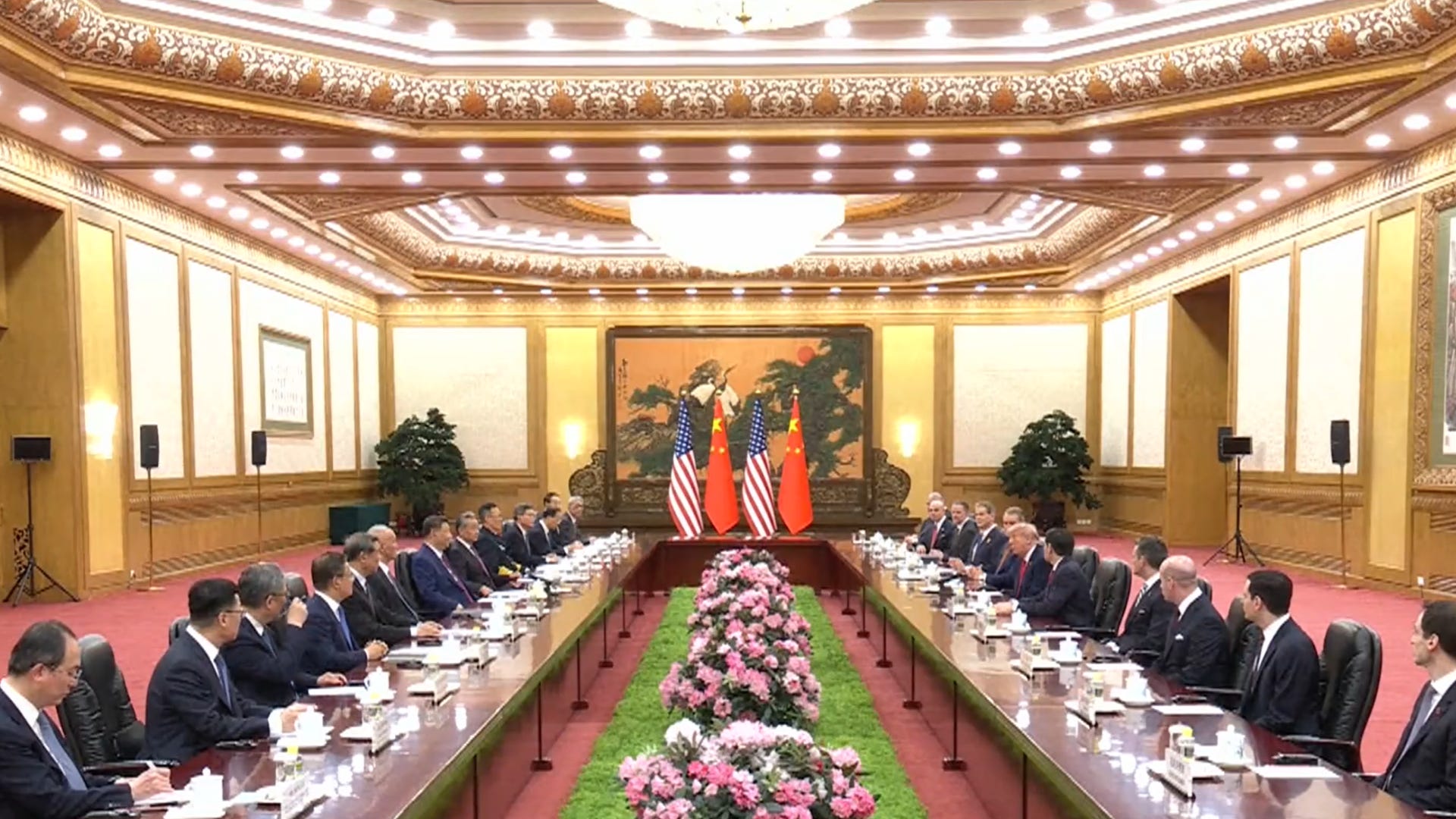
Country Builder Comes to Beijing
As Trump’s plane touched down in Beijing, Chinese social media was trending with his nickname: Chuan Jianguo — the Country Builder. The implication is sardonic and precise. His tariffs drove China toward self-sufficiency. His isolationism pushed China’s partners toward Beijing. His war closed the strait and forced every government in the world to recalibrate its relationship with Washington. He did not build America stronger. He built China more resilient. Then he flew to Beijing to ask for a favour from the country his policies had strengthened. The nickname arrived before he did. Read it here
The Thucydides Question
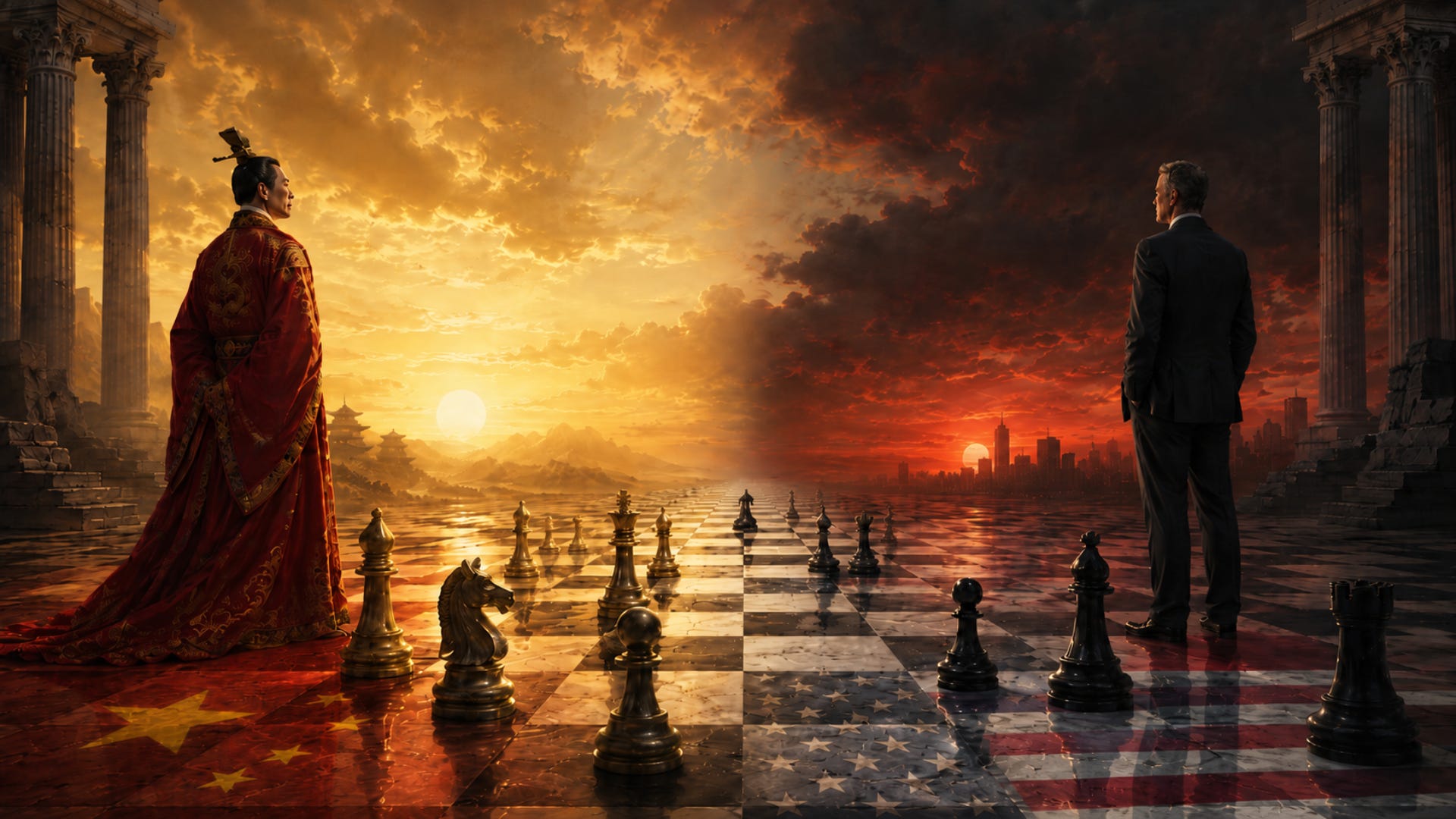
Xi asked Trump whether two great powers could rewrite the rules of history and avoid the Thucydides Trap — the structural tendency toward conflict between a rising and an established power. It was not really a question. A rising power that invokes Thucydides is not asking whether conflict can be avoided. It is telling the other side that the transition is already underway and asking whether it has noticed. Trump said China was beautiful. One of those answers will define the century. Read it here
From The Dossier —

Eleven Books That Explain the World
Watching the Iran War
This week I also published DiploPolis’s first Dossier reading list. The Iran war did not arrive without a library. Hedley Bull explained why ceasefires collapse. Mark Mazower explained why the Security Council was never designed to deliver justice. Frantz Fanon explained why the Global South distrusts Western power not from misunderstanding but from memory. Eleven books that make the current crisis legible — each one connected directly to what DiploPolis has been arguing since February 28. If you want to go deeper than the daily verdict, this is where to start. Read it here
Five pieces and a reading list. The Beijing summit dominated the week but the Iran war continued underneath it — the strait still largely closed, the ceasefire still disputed, the Global South still absorbing costs it did not vote for. More than enough for the world to remind us why this publication exists.
Read. Think. React. No neutrality. No noise. Just argument. Until next Saturday.
Sunny Peter
Editor, DiploPolis.com