


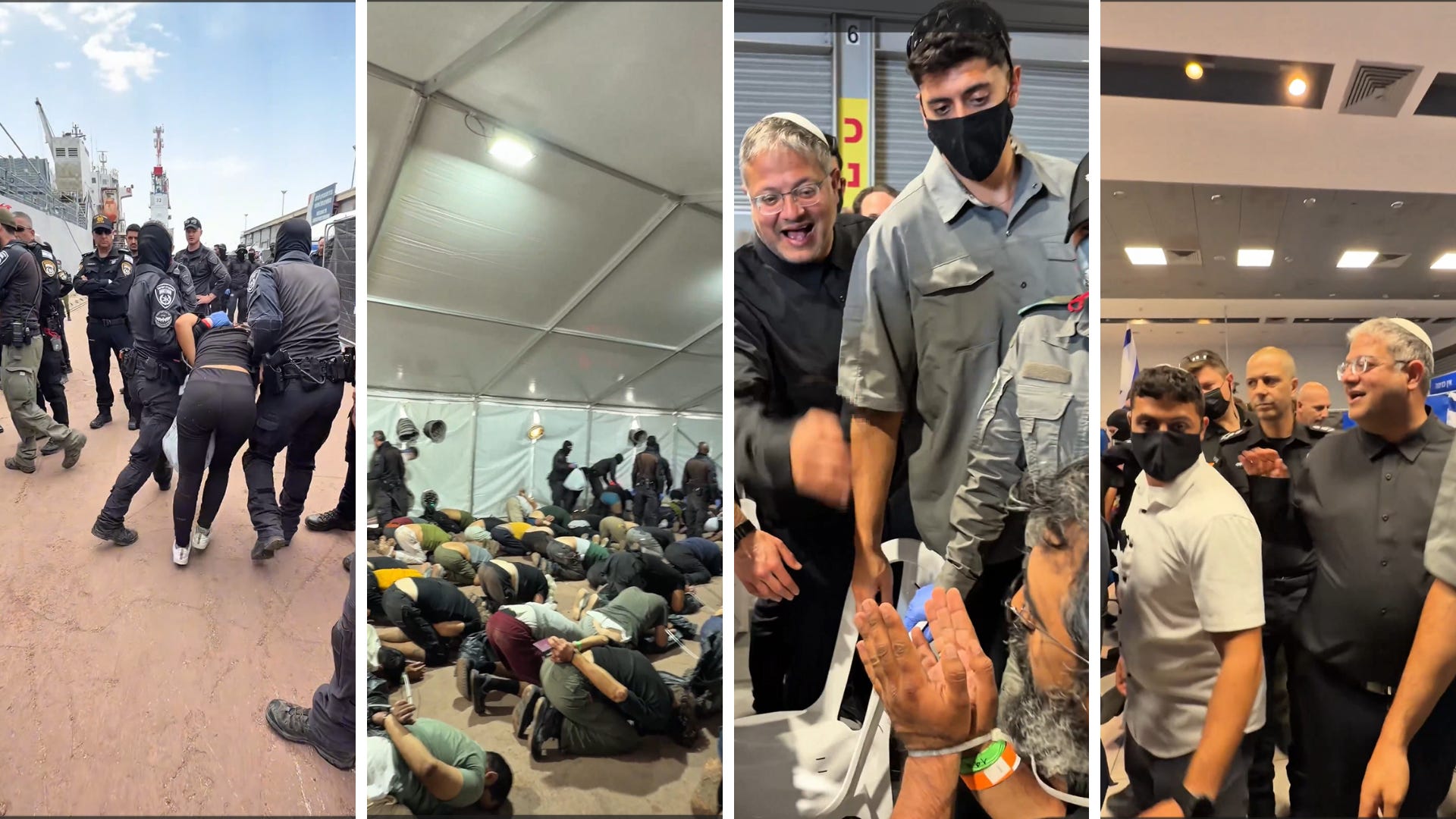
What a week. The Beijing summit concluded and the Global South got the bill. Iran started charging $2 million per ship through the Strait of Hormuz — in Chinese yuan — and J.P. Morgan said it could earn $90 billion a year from the war Washington launched to break it. Gaza’s ceasefire killed 850 Palestinians since October. Trump’s Board of Peace asked the occupied to disarm while the occupation expanded. Putin flew to Beijing to ask Xi to buy the gas Russia can no longer sell to Europe. And Ben-Gvir filmed himself taunting blindfolded, kneeling aid workers while Israel’s national anthem played.
Five Ledger pieces. Two Analysis pieces. One thread connecting all of it: the week the powerful settled their accounts and sent the invoice to everyone else.
For the past five days I wrote knowing the argument was the same argument. Here is what I was thinking.
The G2 Settlement — What Washington Called a War, Beijing Called a Bargain
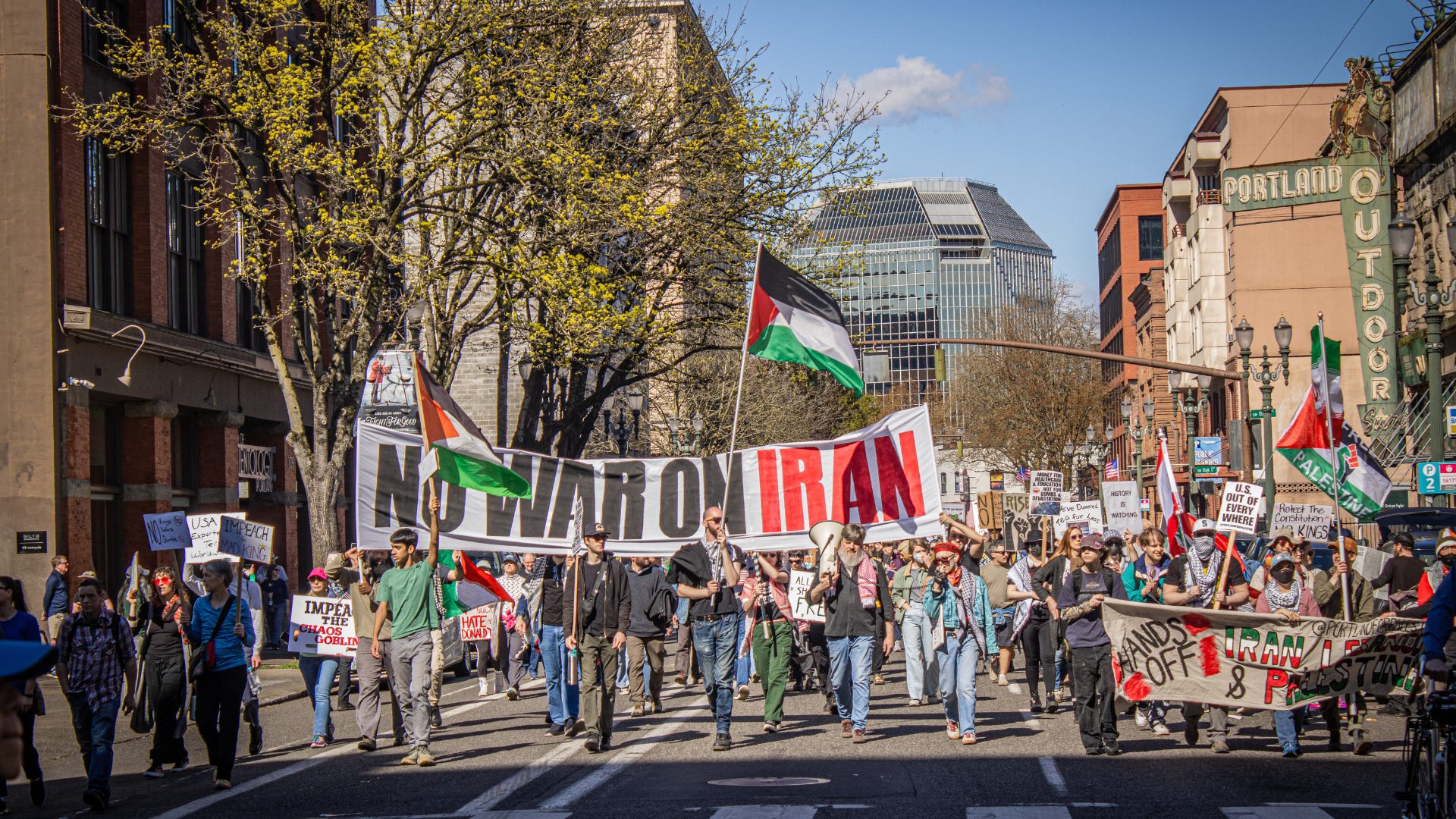
Trump flew home from Beijing weighing whether to lift sanctions on Chinese companies buying Iranian oil. The country being bombed will fund the relationship being repaired. Washington launched a war in the name of regional security and left Beijing prepared to waive the sanctions it imposed three months ago in the name of bilateral stability. The principle was never the principle. The principle was the calculation. The Global South was not collateral damage in this war. It was the currency. Read it here
Ceasefire That Keeps Killing
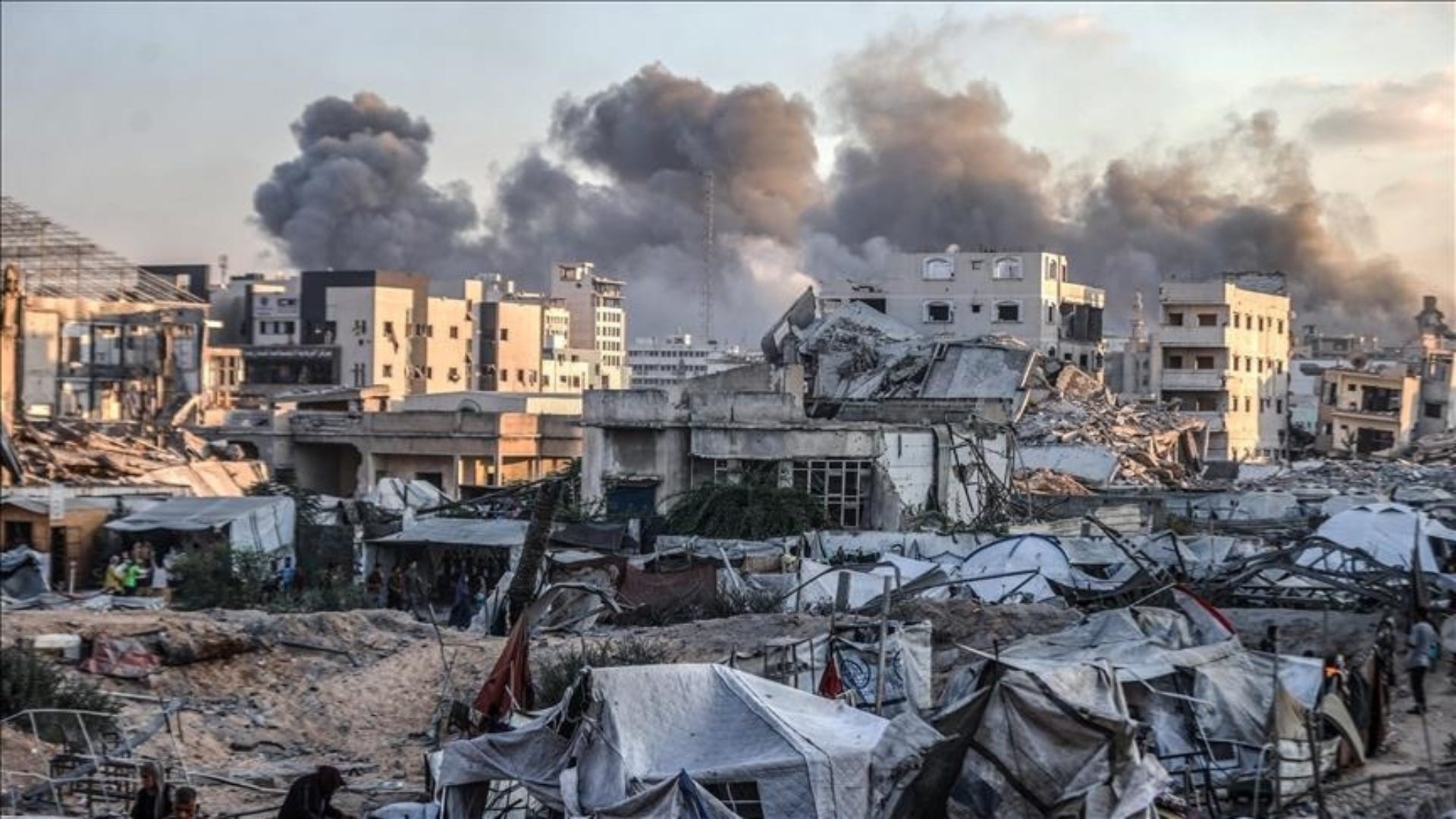
Israel killed Hamas’s last senior military commander in a residential building in Gaza under an active ceasefire. 850 Palestinians dead since October. Strikes up 35 per cent since the Iran war paused. The word ceasefire has been doing a great deal of work in Gaza — covering a reality that would look considerably worse if described accurately. Read it here
Occupation Has a Peace Plan
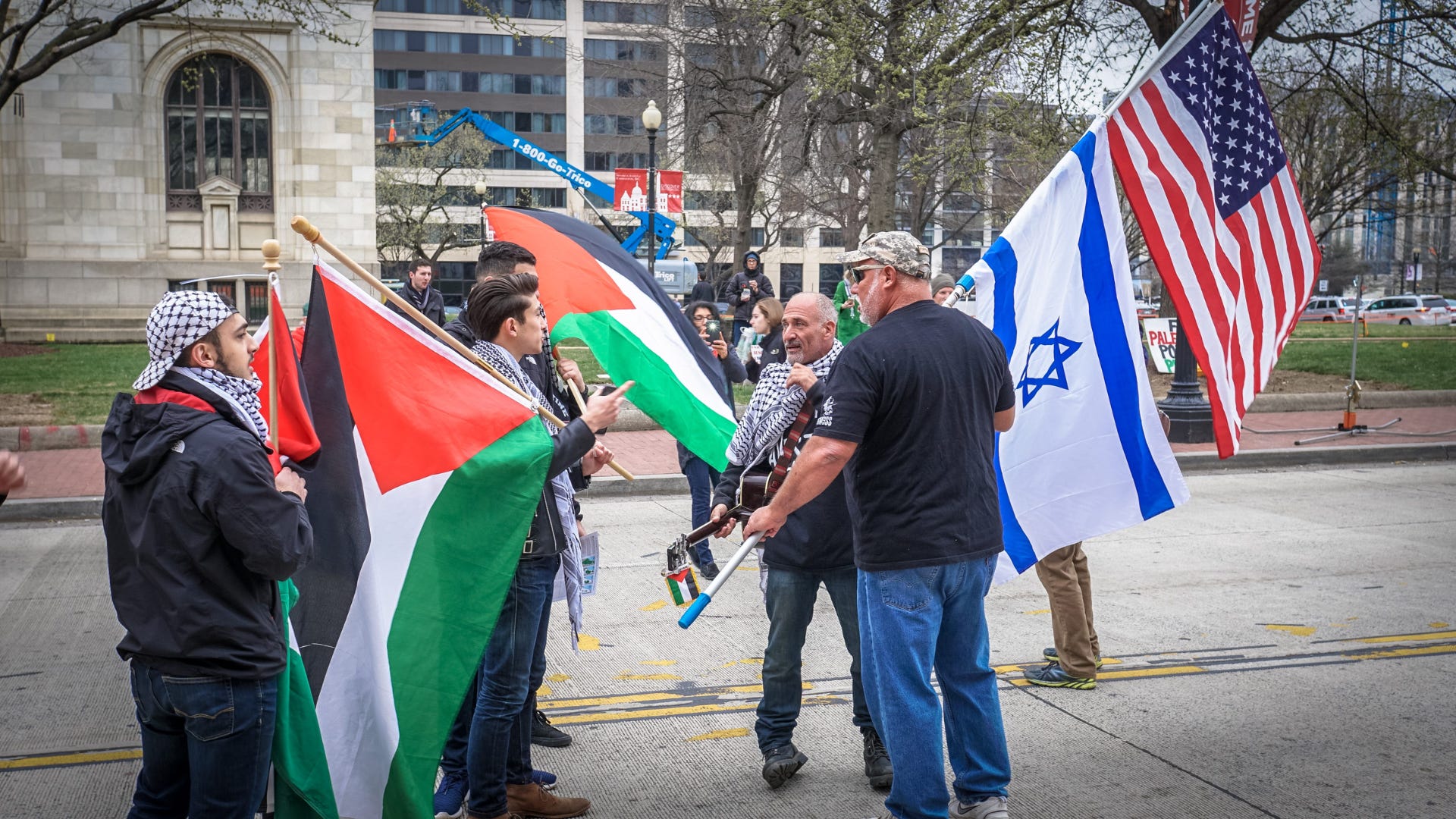
Trump’s Board of Peace called Hamas the obstacle to peace while Israel controlled 60 per cent of Gaza and killed daily. A framework requiring one side to disarm while the other expands is not a peace process. It is a surrender document dressed in diplomatic language. The occupation has a peace plan. The occupied are being asked to fund it. Read it here
Putin Won the War. Xi Won Putin.
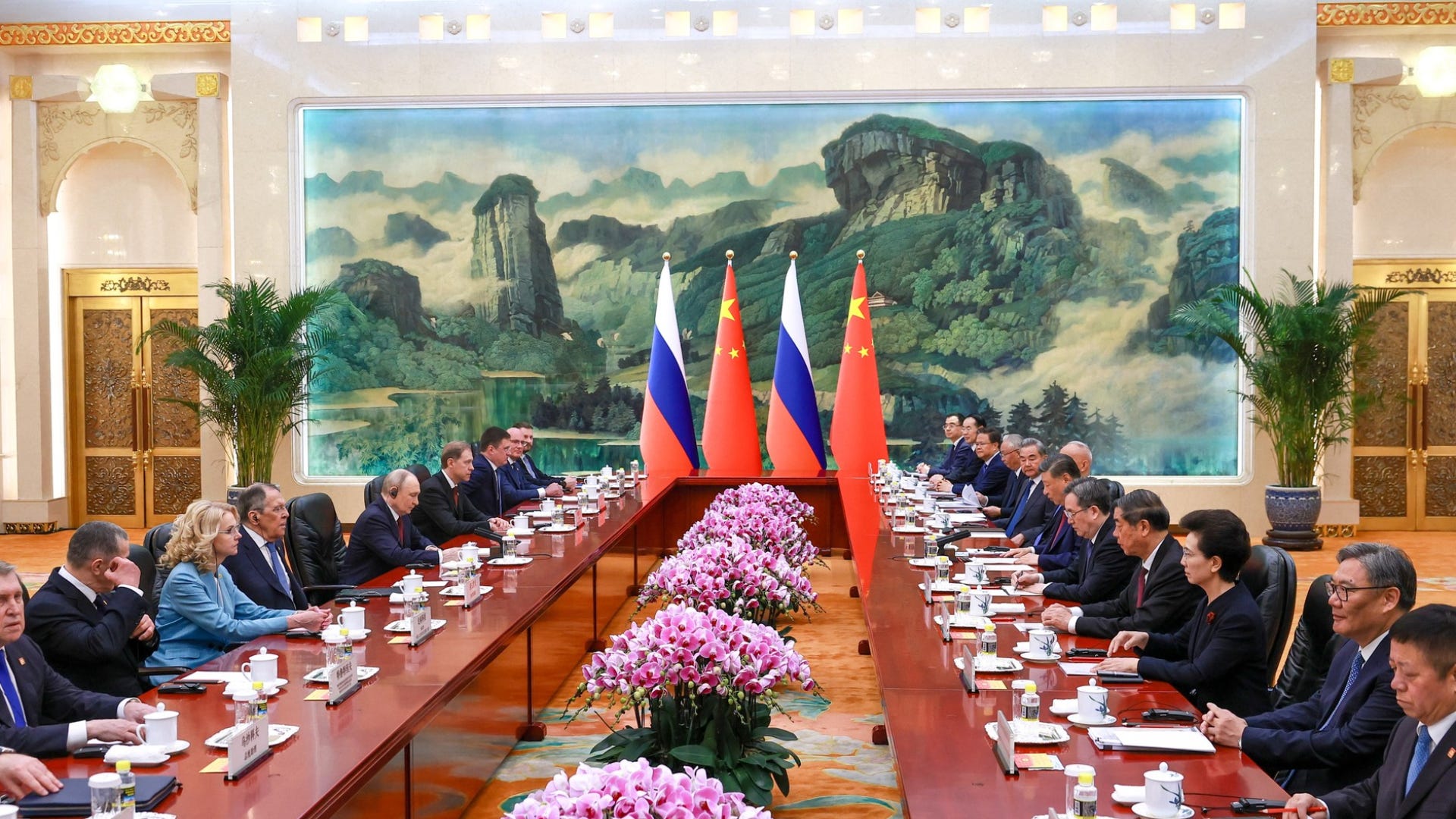
Putin went to war for Russian sovereignty. He flew to Beijing this week hoping Xi will finalise a gas pipeline that replaces the European market Russia destroyed by invading Ukraine. The man who launched a war to free Russia from Western dependency is now negotiating from the weakest possible position with the one power that can bail him out. The act of independence produced the most comprehensive dependency in Russian history. Read it here
Bombed. Now Billing.
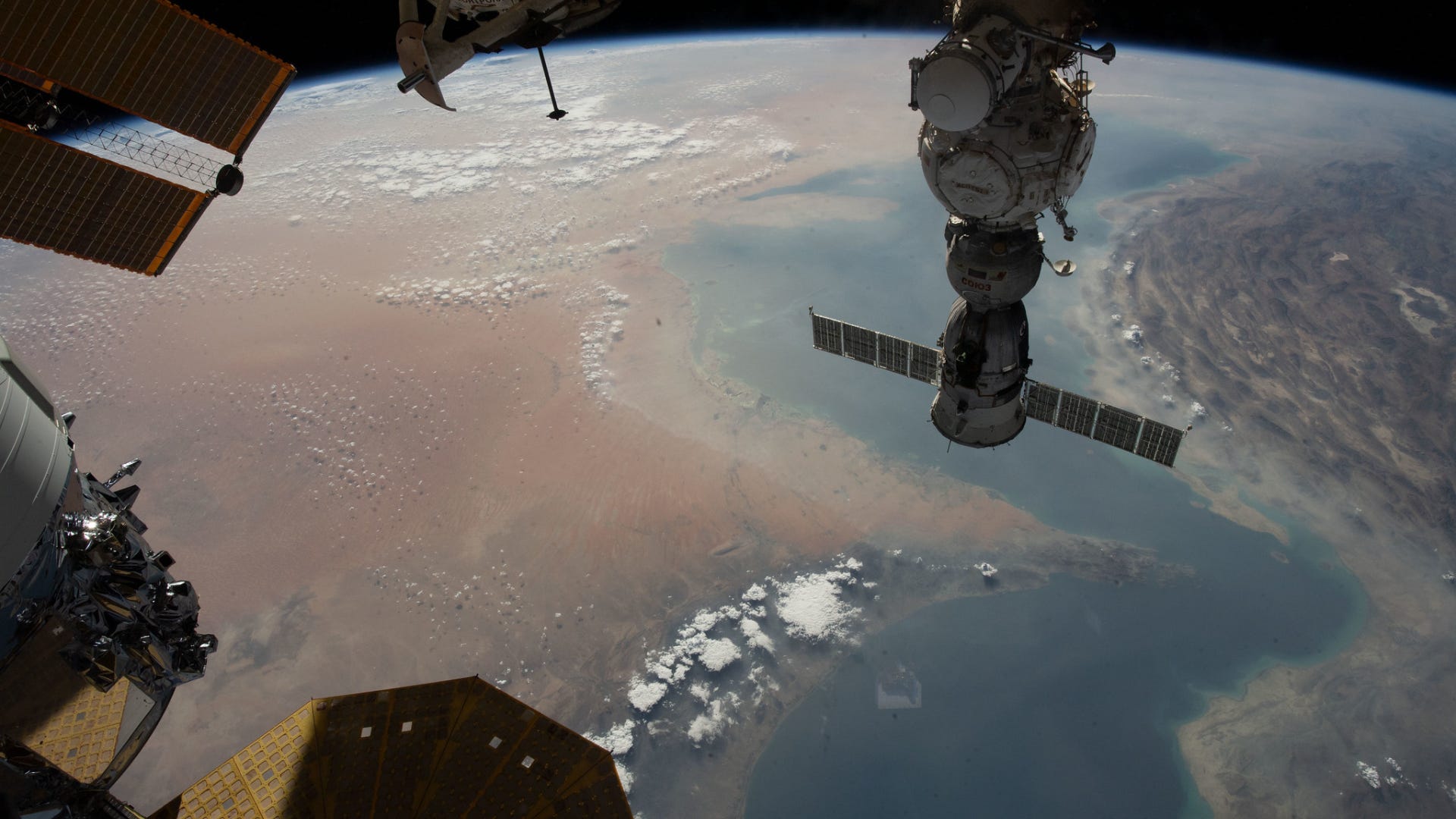
The United States went to war to break Iran. Three months later Iran is charging $2 million per ship through the Strait of Hormuz, in Chinese yuan, and J.P. Morgan calculates it could earn $90 billion a year from the toll. The bombing did not break Iran’s leverage over the strait. It formalised it. Gave it a price. And put it in a currency Washington cannot sanction. Read it here
From the Nuremberg Files — Two Analysis Pieces This Week
This week DiploPolis published the first two pieces in the Nuremberg Files — an ongoing investigation into the promise of universal accountability made after the Holocaust and the distance between that promise and the world we actually live in.
The Nuremberg Paradox
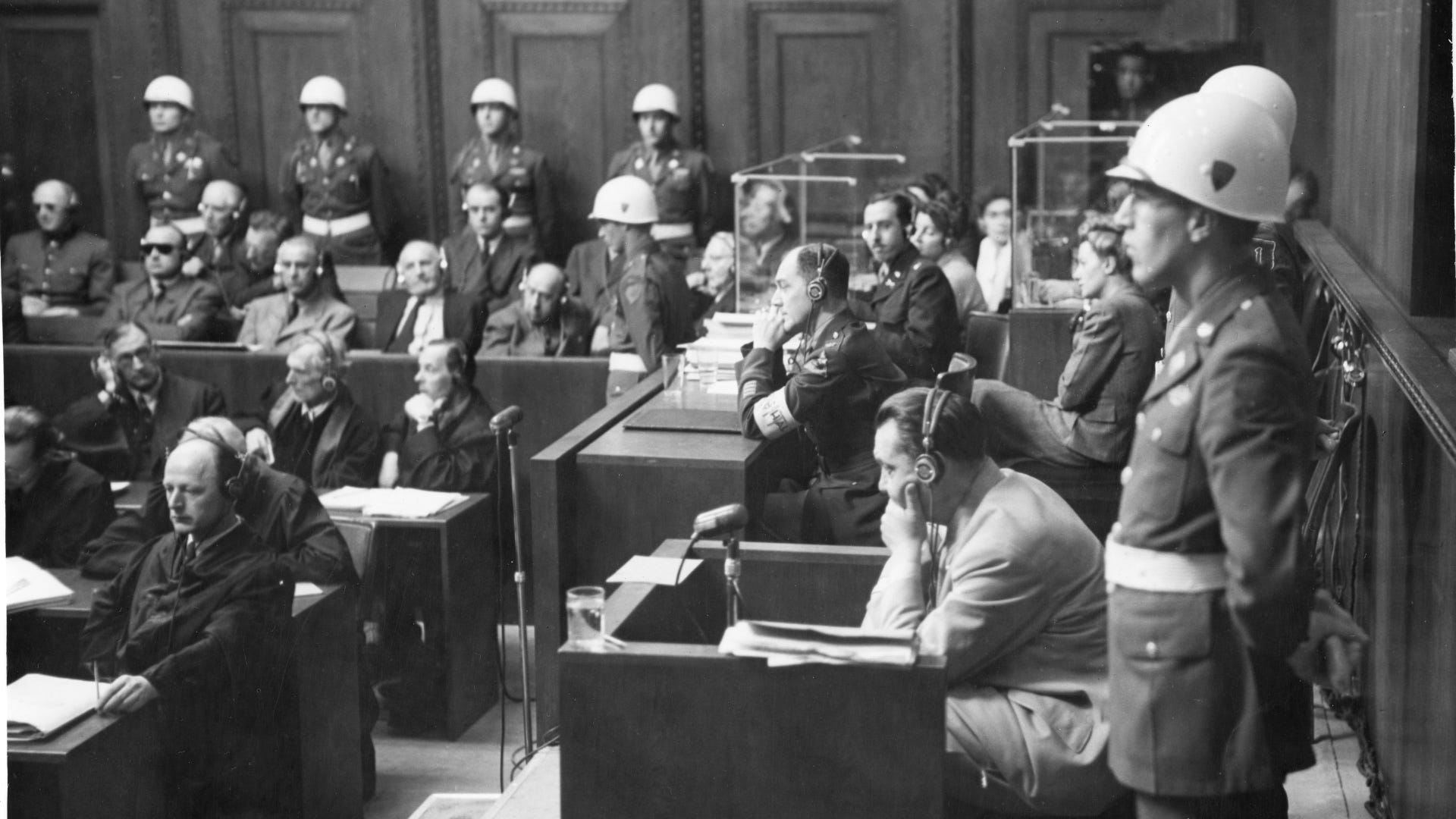
The Nuremberg Paradox examines why the court built to end impunity cannot collect the warrant it issued for Netanyahu — and why that is not a failure of the system but the system working exactly as the powerful designed it. Read it here
The Master Is Here. He Must Be Punished.
The Master Is Here. He Must Be Punished. documents Ben-Gvir’s prison system — starvation, sexual violence, dogs, deaths in custody, 350 children detained — and places it alongside two Nuremberg convictions. Streicher was hanged for the propaganda. Pohl was hanged for the administration. Ben-Gvir is both. Washington funds his government. The master is in his cabinet. The court is in The Hague. Read it here
The Nuremberg Files will continue. The investigation is open. The evidence is documented. The verdict on the verdict is still being written.
From The Dossier This Week — The 20 Best Masters Programmes in International Relations
This week DiploPolis also published the most comprehensive guide to IR Masters programmes available from a Global South perspective. Twenty programmes. Three major polls aggregated. Every tuition figure verified from primary sources. Every assessment argued rather than merely listed.
The uncomfortable question that opens the piece: these frameworks were built by whom, for whom, and to explain whose world? A student from the Global South can spend $120,000 acquiring expertise in frameworks designed to explain a world in which their country was the object of great power competition, not an actor in it. That is not an argument against these institutions. Some of them are genuinely excellent. It is an argument for knowing what you are choosing and why.
Three facts most guides miss entirely. Princeton fully funds every admitted student — no separate application, no loan, full tuition plus a living stipend for every person they admit. Sciences Po charges one third of what Georgetown costs and one in three of its students pays zero fees. The Geneva Graduate Institute places you walking distance from the UN, the WTO and the WHO at a fraction of American tuition — the best career-to-cost ratio on the list.
If you know a student considering an IR Masters — anywhere in the world — send them this piece. Read it here.
Eight pieces. One week. The world did not disappoint — unfortunately.
Read. Think. React. No neutrality. No noise. Just argument. Until next Saturday.
Sunny Peter
Editor, DiploPolis.com