


This was the week the Iran war stopped being deniable. Trump struck Qeshm again. The Houthis hit Riyadh. The world’s most important climate summit opened with its own chair declaring the temperature target dead. South Africa’s ANC fell below 30 per cent. And diplomats gathered in Abu Dhabi to discuss a peace that neither Moscow nor Kyiv has formally requested. Five pieces from The Ledger and two from Analysis — here is what we published this week.
The Ledger this Week

Trump Strikes Iran Again on Qeshm Island
The third American strike on Qeshm Island since February landed on the same day the midterm results finished being counted. Trump confirmed it from a NASA facility in Florida, called it ‘minor,’ and said negotiations were continuing. Task Force Iron Gate, the naval blockade of Hormuz, was quietly extended the same week. The contradiction — talks and strikes simultaneously — is not a failure of coordination. It is the policy. Read it here

The Houthis Struck Riyadh. This Is Not a Regional Sideshow.
A Houthi ballistic missile reached the outskirts of Riyadh on Monday — the furthest south a Houthi strike has landed since the war expanded. Saudi air defences intercepted it, but the trajectory was confirmed. This is not about Yemen any more. The Houthis are now a projection of Iranian strategic reach into the Gulf, operating on a supply chain that the Qeshm strikes have not disrupted. Riyadh noticed. Read it here
COP31: Climate Without America
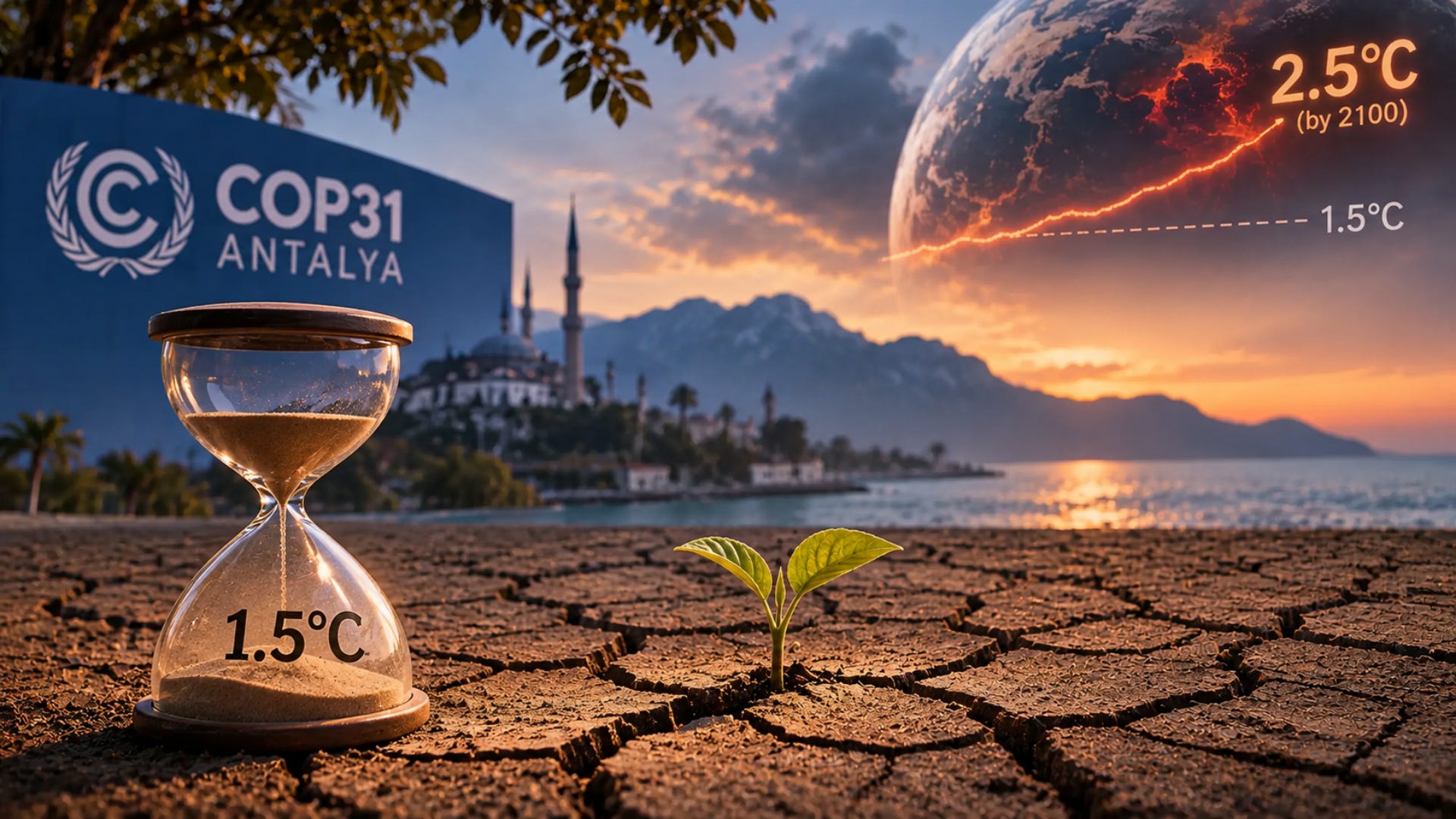
COP31 opened in Antalya on Monday with the United States absent from the official delegation for the first time since the UNFCCC was founded. Turkey pushed its 35x35 electrification target. The African Group pushed back on loans-as-finance. China resisted binding coal commitments. The summit’s founding objective — 1.5°C — was acknowledged as gone before the first formal session closed. What is left is a negotiation about who pays for the world the summit failed to prevent. Read it here
The ANC’s Election Collapse and
What Comes After
The ANC’s by-election results this week put it below 30 per cent in two of the three contested wards — a floor that would have seemed impossible in 2019. The collapse is not a protest vote. It is a structural transfer of loyalty to parties that have explicitly positioned themselves against ANC governance, including the MK Party in KwaZulu-Natal and ActionSA in Gauteng. South Africa’s foreign policy — its BRICS alignment, its ICC position on Israel, its ambiguity on Ukraine — is now the product of a coalition government in which the ANC no longer sets the terms. Read it here
Ukraine, Russia and the Abu Dhabi Talks Nobody Called Peace
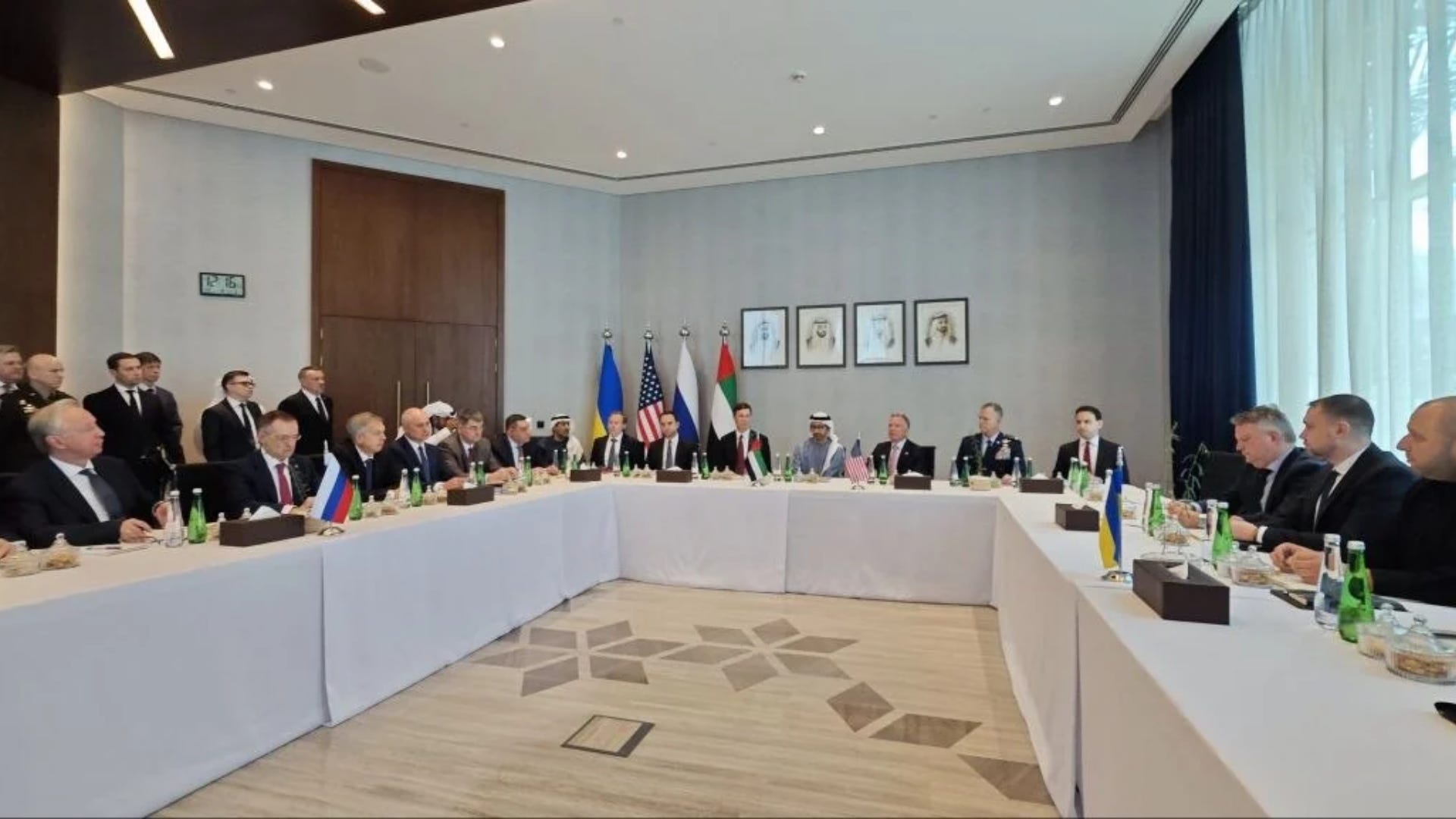
Diplomats from twelve countries met in Abu Dhabi on Thursday for what the UAE’s foreign ministry described as ‘consultations on pathways to stability’ in Ukraine. Neither Moscow nor Kyiv sent foreign ministers. Neither has formally requested a ceasefire. The meeting is real; the mandate is not. What Abu Dhabi is hosting is a framework conversation, driven by countries — India, China, Brazil, the UAE, Saudi Arabia — whose economic exposure to a prolonged European war has become a domestic political problem. The talks will not end the war. They are the beginning of the architecture that might. Read it here
Analysis this Week
The Doctrine the War Built
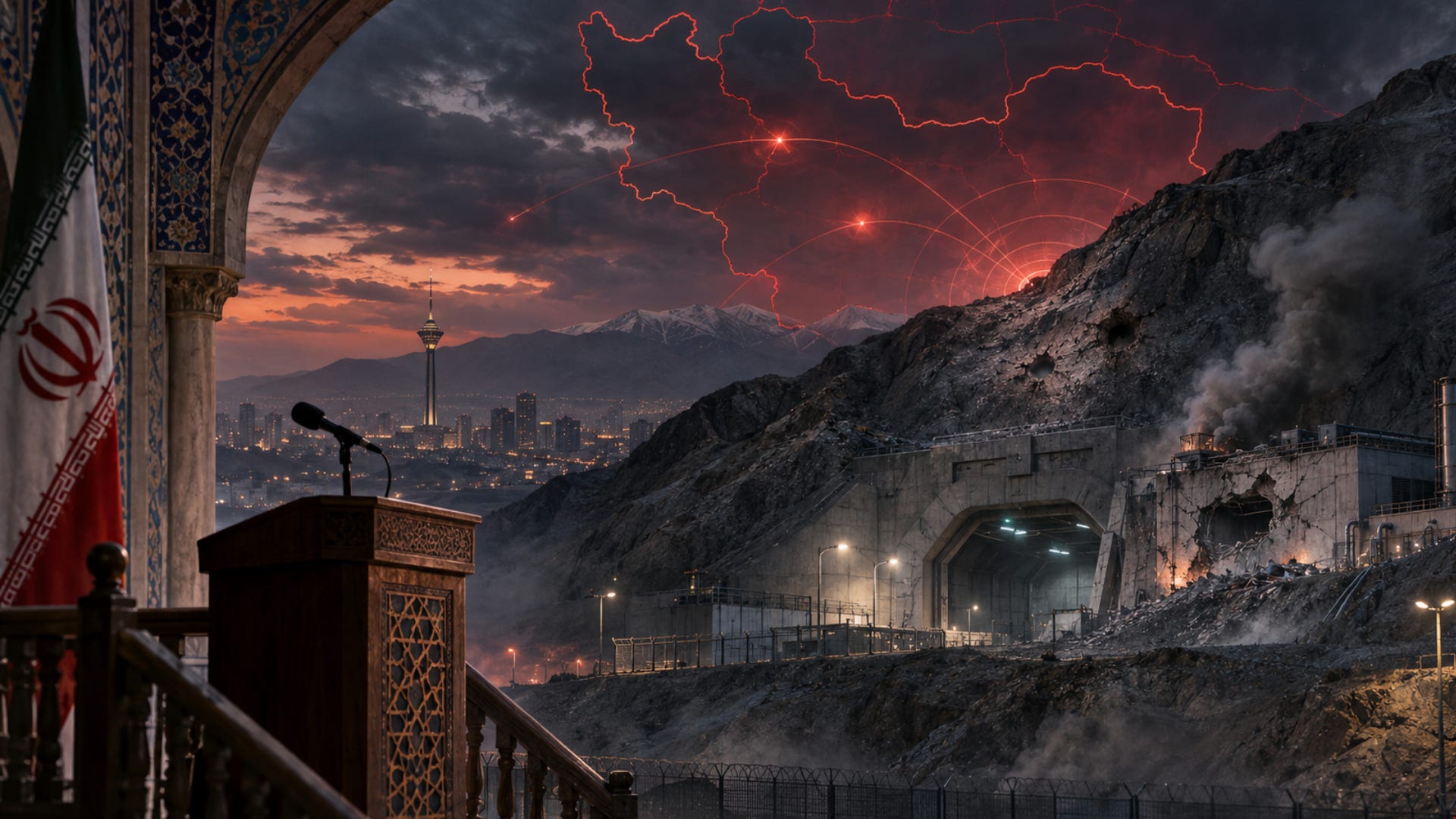
Nine months into a war whose stated objective was to prevent Iran from acquiring a nuclear weapon, Iran’s most senior security official has acknowledged that nuclear doctrine revision is under discussion. A Friday prayer leader in Tehran told his congregation from a state platform that the debate is legitimate, and no one corrected him. Senior lawmakers are calling for NPT withdrawal. The hardline argument — do not be Libya — was not constructed by Iranian hardliners. It was constructed for them, by the strikes on Natanz and Fordow. This piece examines the structural logic of what coercive wars do to deterrent calculations, and why the war’s central objective has become its most prominent failure. Read it here
The 1.5 Degree Funeral
Turkey’s environment minister Murat Kurum opened COP31 by declaring the 1.5-degree Celsius target ‘clear beyond a reasonable doubt’ to be overshot. It was the first time any COP president had opened a summit by declaring the summit’s founding objective unreachable. The science has been saying this for years. What changed in Antalya is where it was said — from the institution itself, from the opening gavel. This piece is on what that declaration means for the countries that negotiated hardest for the temperature guarantee, and what the climate agenda has now become for them. What they negotiated for in Paris was a temperature. What they are negotiating for in Antalya is what the world owes them for the temperature they did not get. Read it here
Seven pieces. One week. Wars escalated, a temperature target was buried, and diplomats gathered to discuss a peace no one has formally requested.
Read. Think. React. No neutrality. No noise. Just argument. Until next Saturday.
Sunny Peter
Editor, DiploPolis.com