


This was the week the Shenzhen Declaration landed without a ceasefire, the Kerch Bridge burned without a NATO response, and a new Muslim security bloc convened in Mecca without Western acknowledgement. The Quad met in Manila. Ethiopia and Eritrea exchanged fire along a border the world had stopped watching. Five pieces from The Ledger and two from Analysis — here is what we published this week.
The Ledger this Week
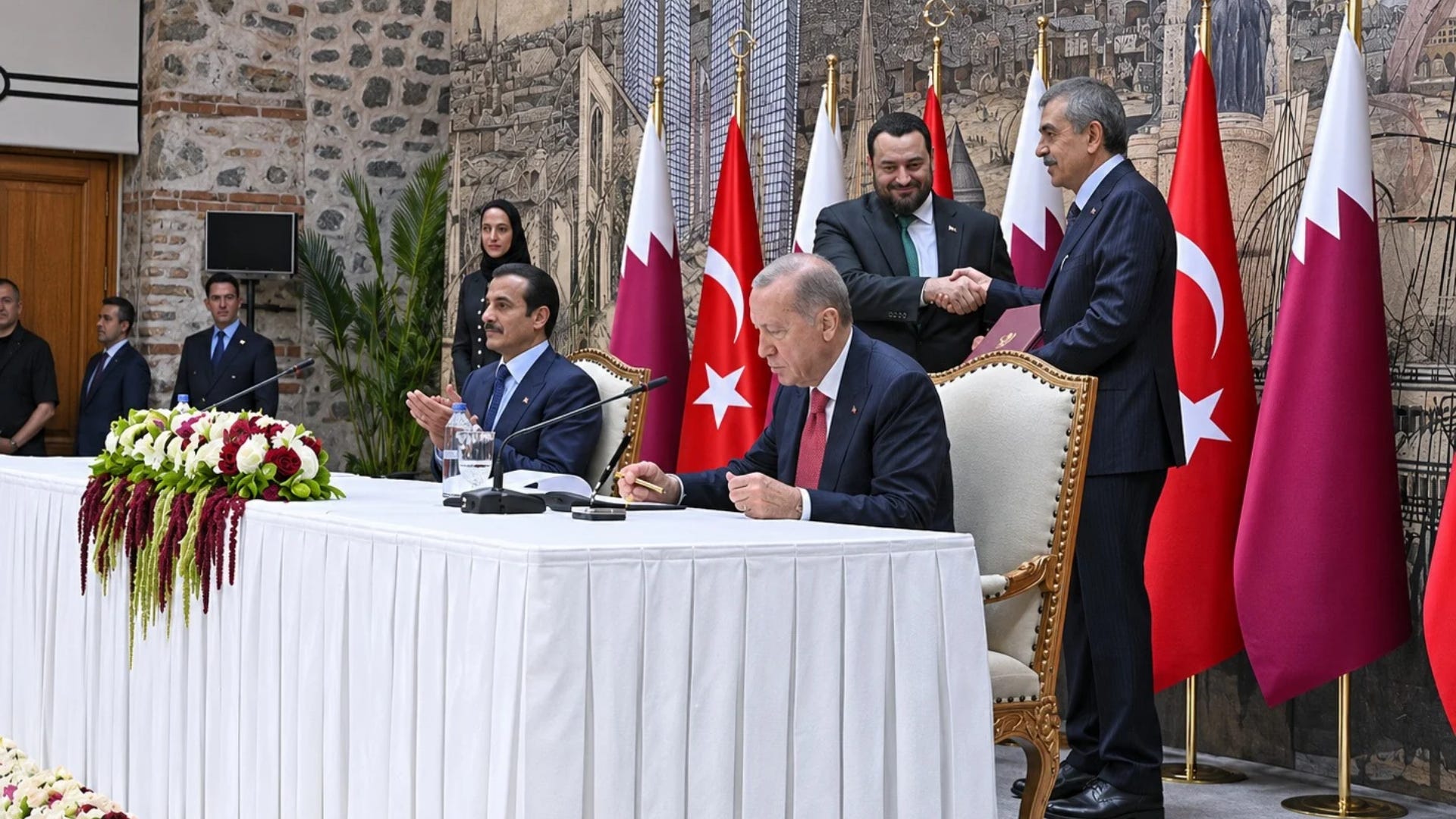
The Mecca Agreement and
the Muslim Security Bloc
Turkey, Saudi Arabia and Pakistan signed the Mecca Agreement on Sunday — a mutual security framework that is the most significant formal alignment between the three countries in decades. The bloc is not NATO. It has no Article 5 commitment and no integrated command. What it has is a common threat calculus: Iran’s regional reach, great-power indifference to Muslim-majority state security, and the gap left by an American foreign policy consumed by its own wars. The agreement was signed in Mecca. The choice of venue was not incidental. Read it here
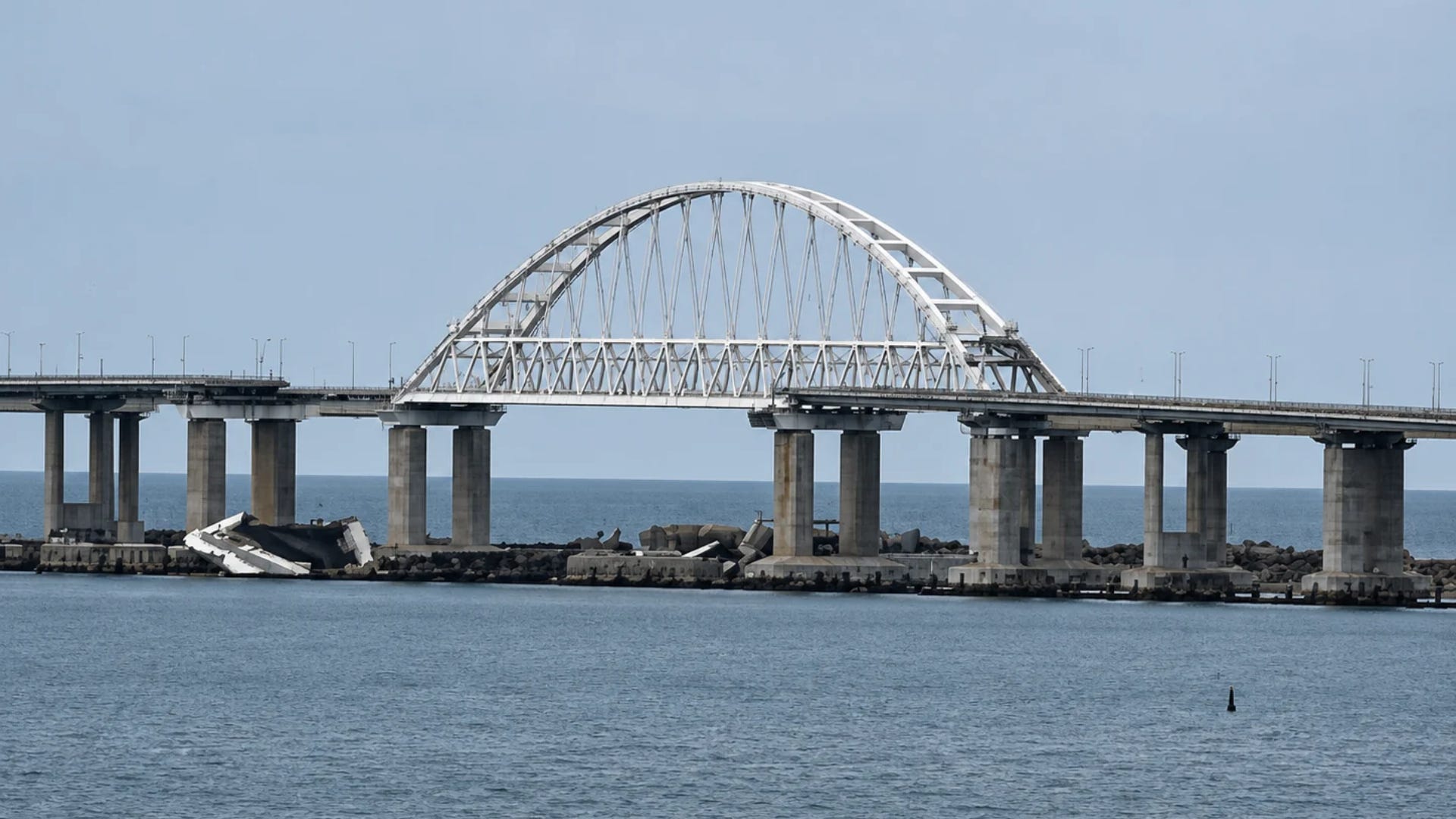
Ukraine Strikes the Kerch Bridge
Ukraine struck the Kerch Bridge in the early hours of 16 November, putting one span out of service and severing the primary land corridor between Russia and Crimea. It is the most significant Ukrainian infrastructure strike since the first Kerch attack in 2022. Russia has not formally acknowledged the full extent of the damage. The strike came as the Abu Dhabi talks were still in session and while Washington was asking Kyiv, privately, to consider territorial concessions. The timing was deliberate. So was the target. Read it here
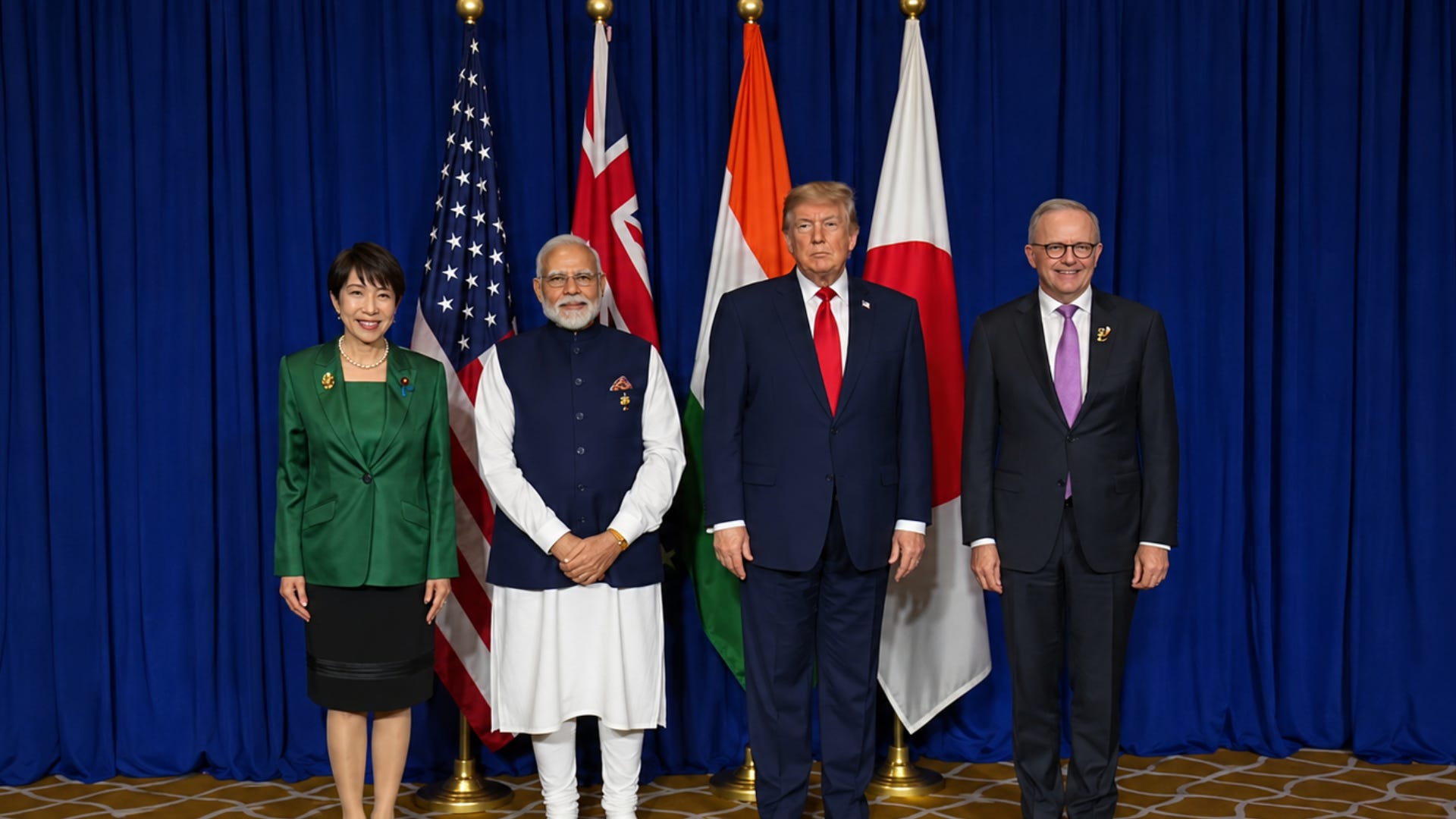
The Quad Summit in Manila:
What Was and Wasn’t Said
The Quad met in Manila on Monday — the first summit since Trump returned to office. The joint statement was careful: strong on maritime security, careful on Taiwan, silent on the PLA’s unannounced November exercise. India signed. Australia signed. Japan signed. Trump signed. What none of them said was as revealing as what they did: the summit produced no new commitment on Taiwan, no direct mention of the November naval drill, and no reference to the Shenzhen Declaration being negotiated simultaneously. The Quad is a framework. Manila confirmed it. Read it here
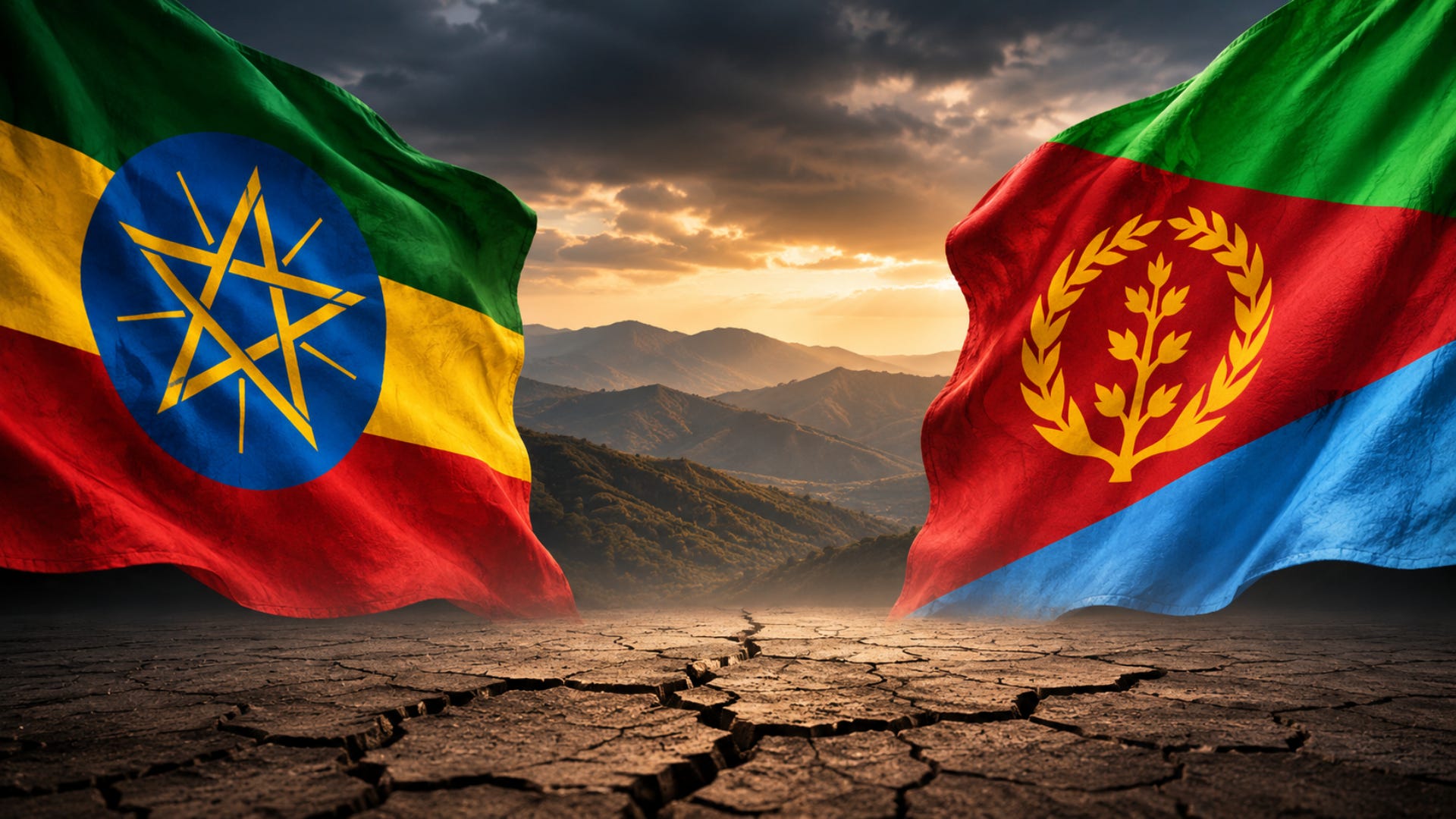
Ethiopia and Eritrea Are at War Again
Fighting resumed along the Ethiopia-Eritrea border this week — the first significant cross-border exchange since the Tigray war ended. The trigger is disputed; the structural causes are not. The Pretoria Agreement that ended the Tigray conflict left the Ethiopia-Eritrea border question unresolved, left Eritrean forces inside Ethiopian territory, and left Asmara with grievances it had suspended, not settled. The Horn of Africa has not been watching. It has been waiting. The AU has called for restraint. Neither side has responded. Read it here
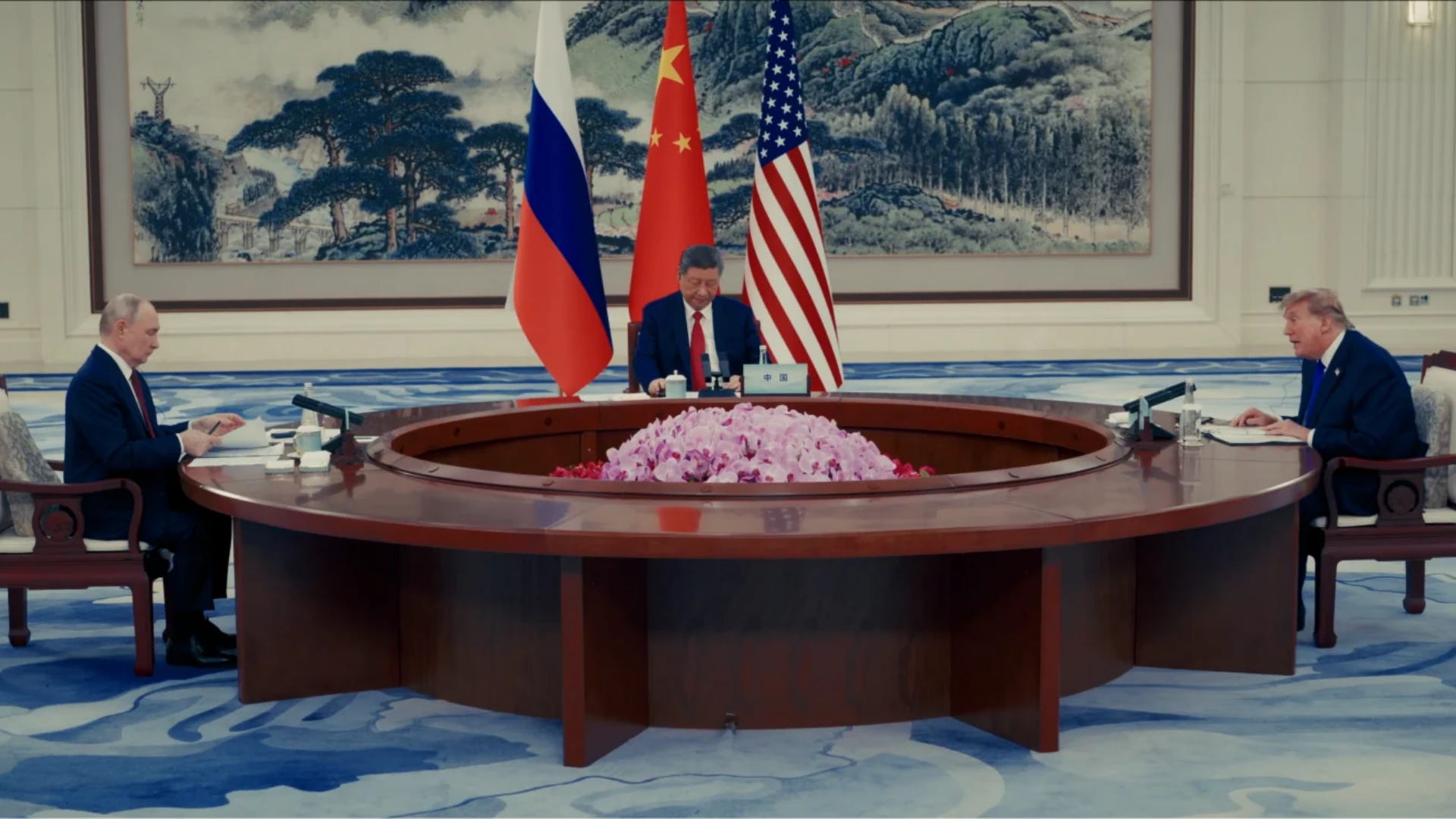
The Shenzhen Declaration: Trump, Xi, Putin and a Peace Nobody Agreed To
Trump, Xi and Putin issued a joint statement from Shenzhen on Thursday calling for a ‘durable and comprehensive peace’ in Ukraine and Iran. Neither Kyiv nor Tehran was at the table. The declaration calls for ceasefires neither belligerent has requested, outlines a diplomatic framework neither has accepted, and was signed by three leaders whose bilateral interests in the two conflicts diverge substantially. It is a statement about what the three signatories want to be seen wanting. Whether it becomes anything more depends on whether Kyiv and Tehran respond — and on whether the declaration’s architects are prepared to impose consequences if they do not. Read it here
Analysis this Week
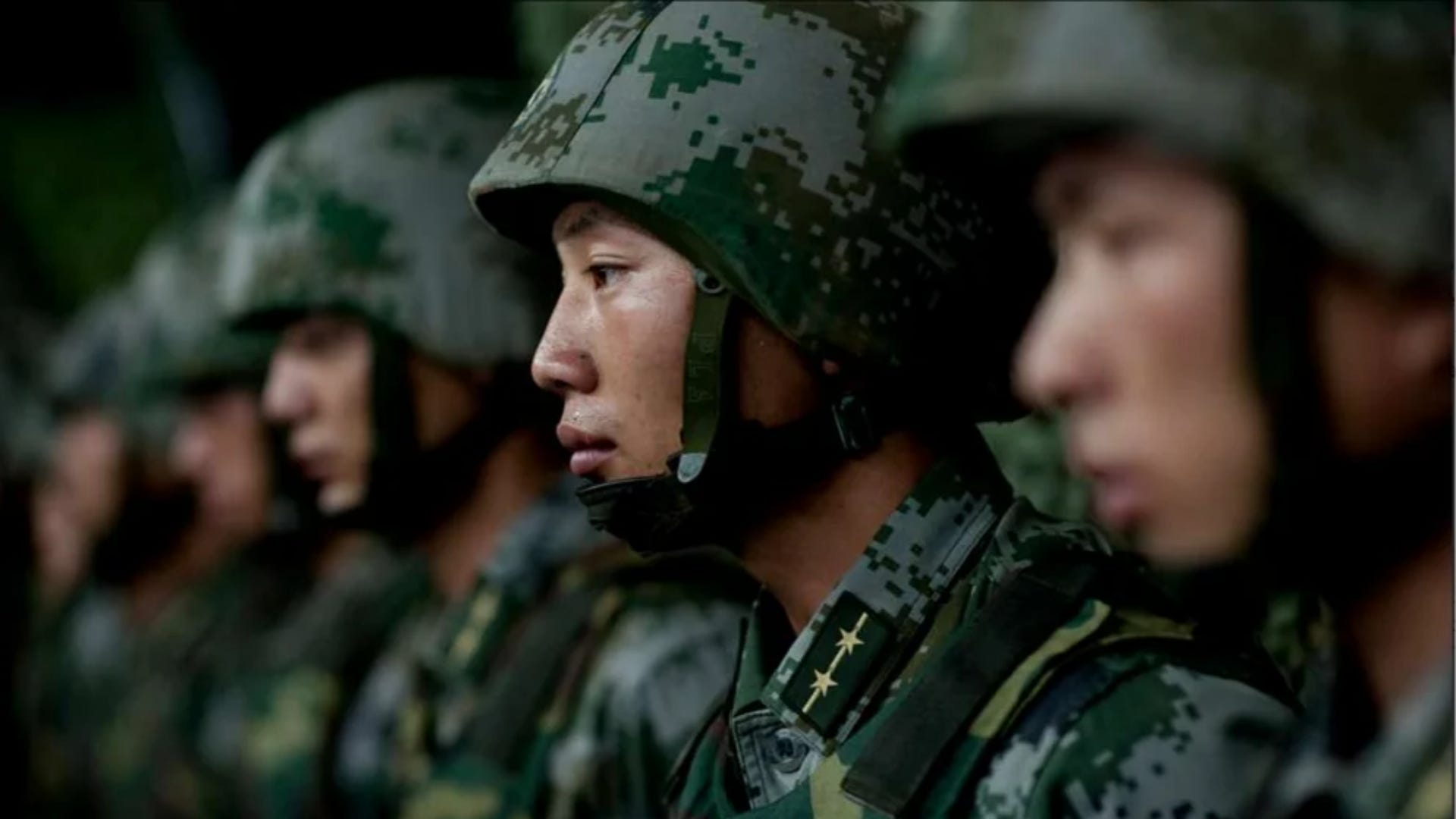
China’s Quiet Rehearsal
Beijing did not announce it. While Washington juggled Iran, Ukraine and a shutdown threat, China quietly rehearsed intercepting American reinforcements between Taiwan and Guam. More than a hundred vessels. Two carriers. No notice to mariners, no press briefing, no military-to-military communication. The exercise geometry was assessed as rehearsing not a blockade of Taiwan but the capability to prevent the United States from breaking one. Arthur on what China practises while America is busy. Read it here
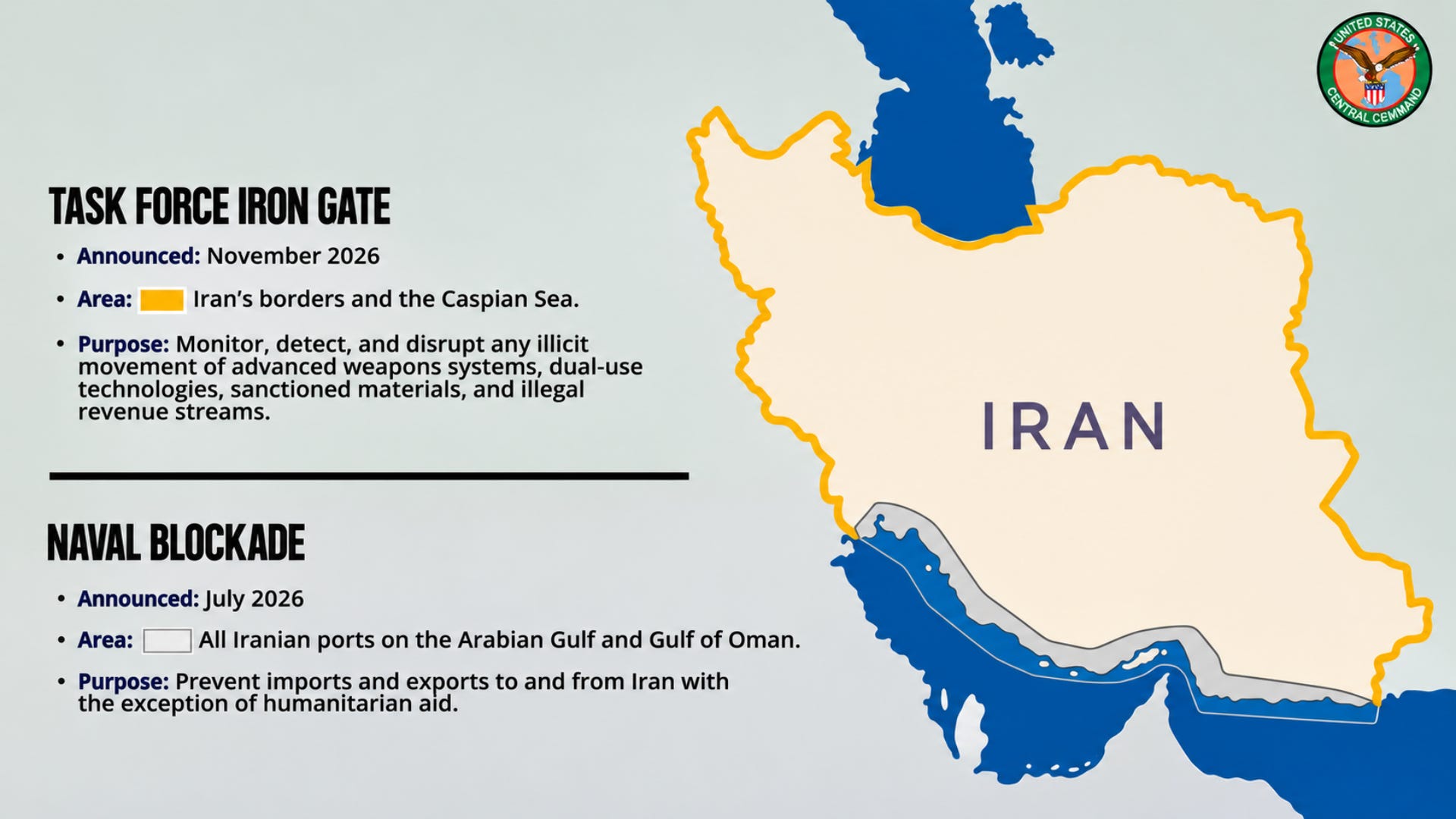
The Borders Iran’s Neighbours Won’t Close
Three borders. Three refusals. Iraq, Turkey and Pakistan all declined US pressure to close their frontiers with Iran. Task Force Iron Gate announced a land-based cordon to complement the naval blockade. On 10 November, the three countries whose borders it needed said no. Arthur on the structural limit of a war strategy that announced a containment architecture before confirming who would enforce it. Read it here
Seven pieces. One week. A bridge was struck, a bloc was born, and three world leaders signed a declaration that nobody’s enemies agreed to honour.
Read. Think. React. No neutrality. No noise. Just argument. Until next Saturday.
Sunny Peter
Editor, DiploPolis.com