


What a week. France burned for a third Saturday in a row. The United Nations quietly packed up 35 years of presence in Western Sahara. Israel found itself in a deadlock its own democratic process may not be able to break. American voters delivered a midterm verdict on the Iran war. And in the Strait of Hormuz, four oil tankers hit mines. Seven pieces this week, five from The Ledger and two from Analysis.
The Ledger this Week
The Street Will Not Wait
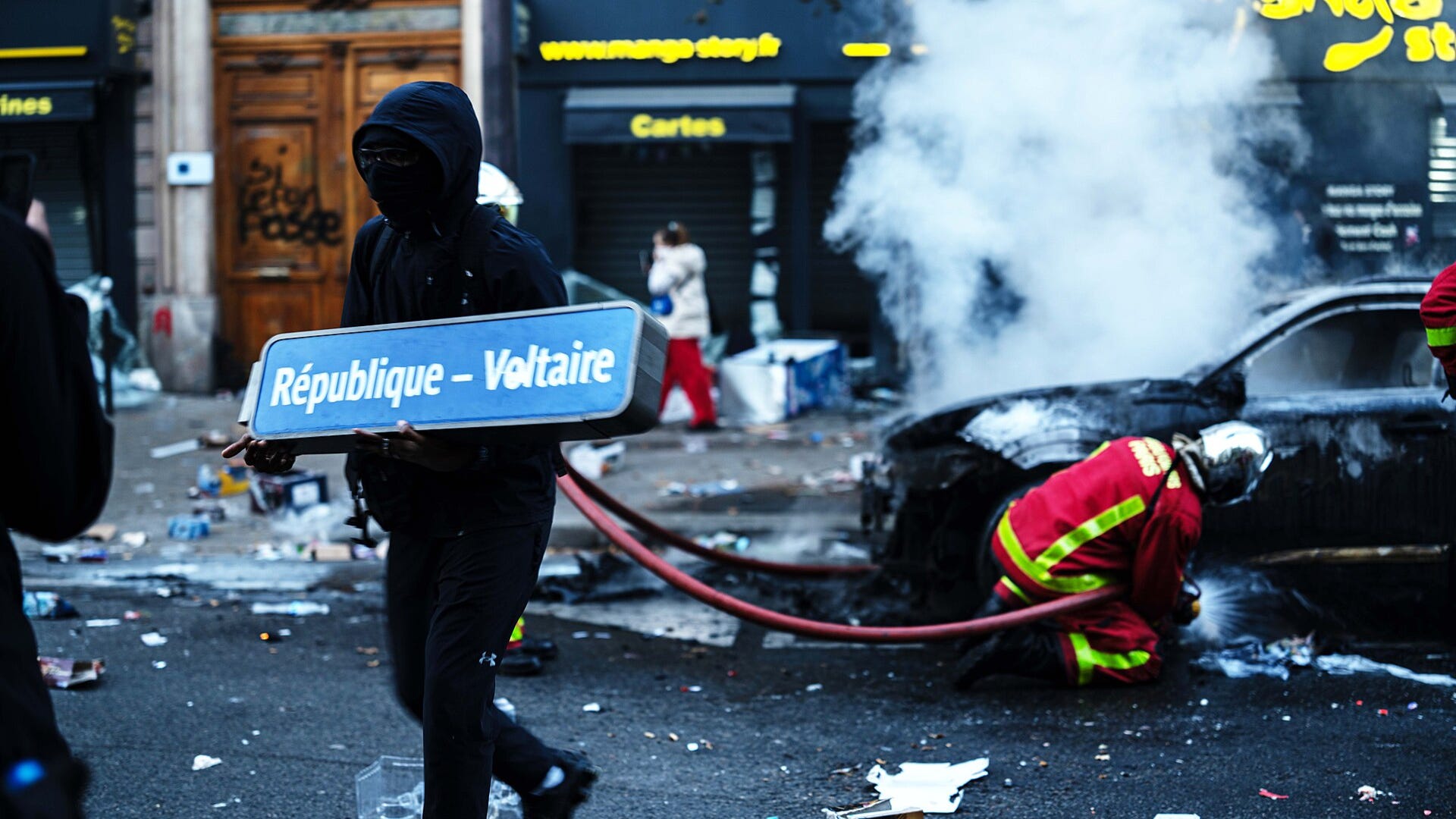
France is now in its third consecutive weekend of mass protest, and the numbers are holding. What started as a youth-led eruption has spread across borders into a continent-wide reckoning. Macron has not moved. The street has not dispersed. The piece I wrote asks the question that every European government is now quietly trying to avoid: at what point does the gap between what people are demanding and what governments are offering become a democratic crisis in its own right? Read it here
Thirty-Five Years of Nothing
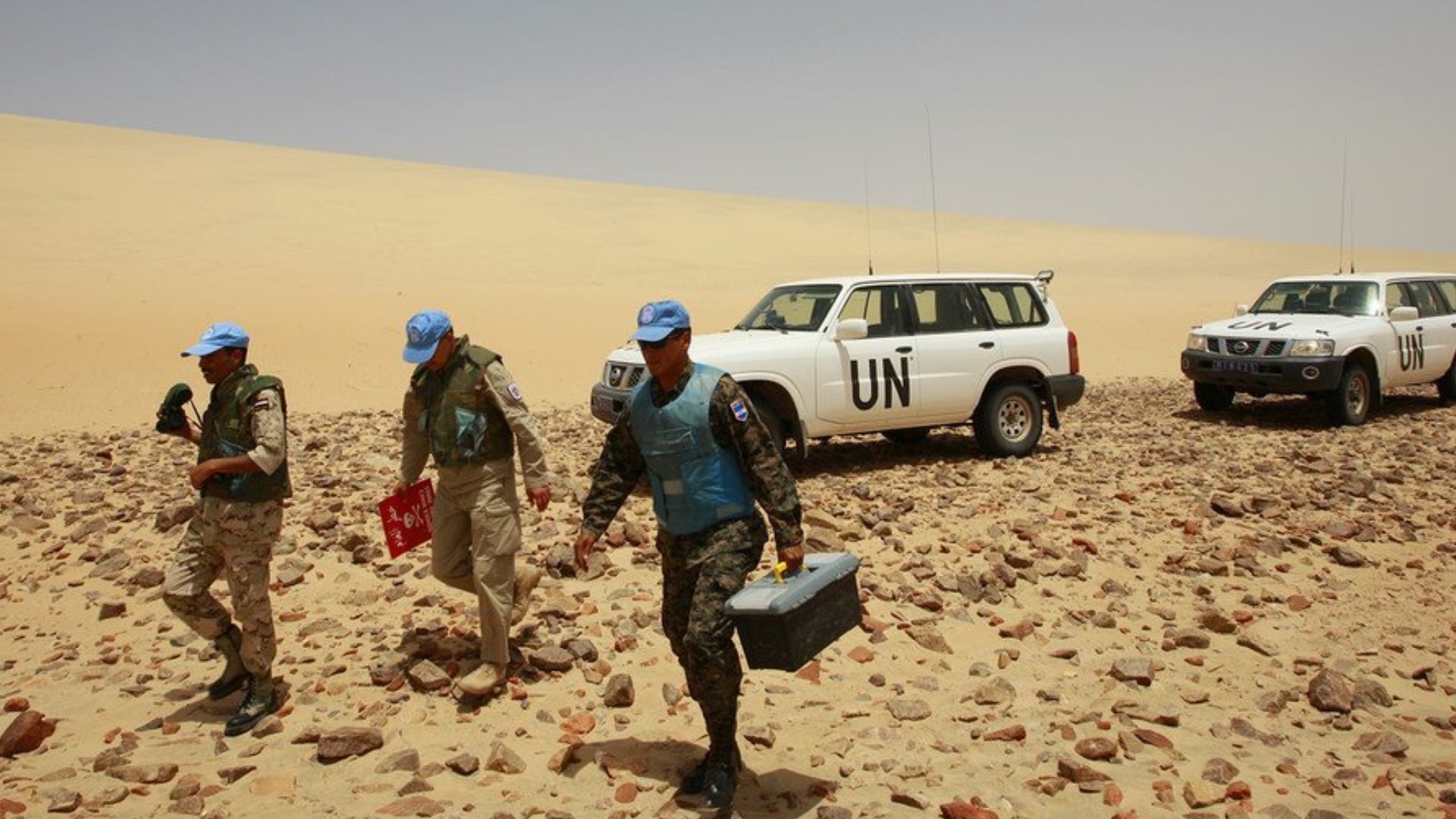
MINURSO was the United Nations mission that promised Western Sahara a referendum it never delivered. This week, its mandate ended. The mission is gone. The referendum was never held. Morocco keeps the territory. The Sahrawi people remain stateless. The piece argues that this is not a failure of implementation, it is a failure of design: an institution built to manage a dispute, not resolve it. The lesson does not apply only to Western Sahara. Read it here
The Democracy That Cannot Choose
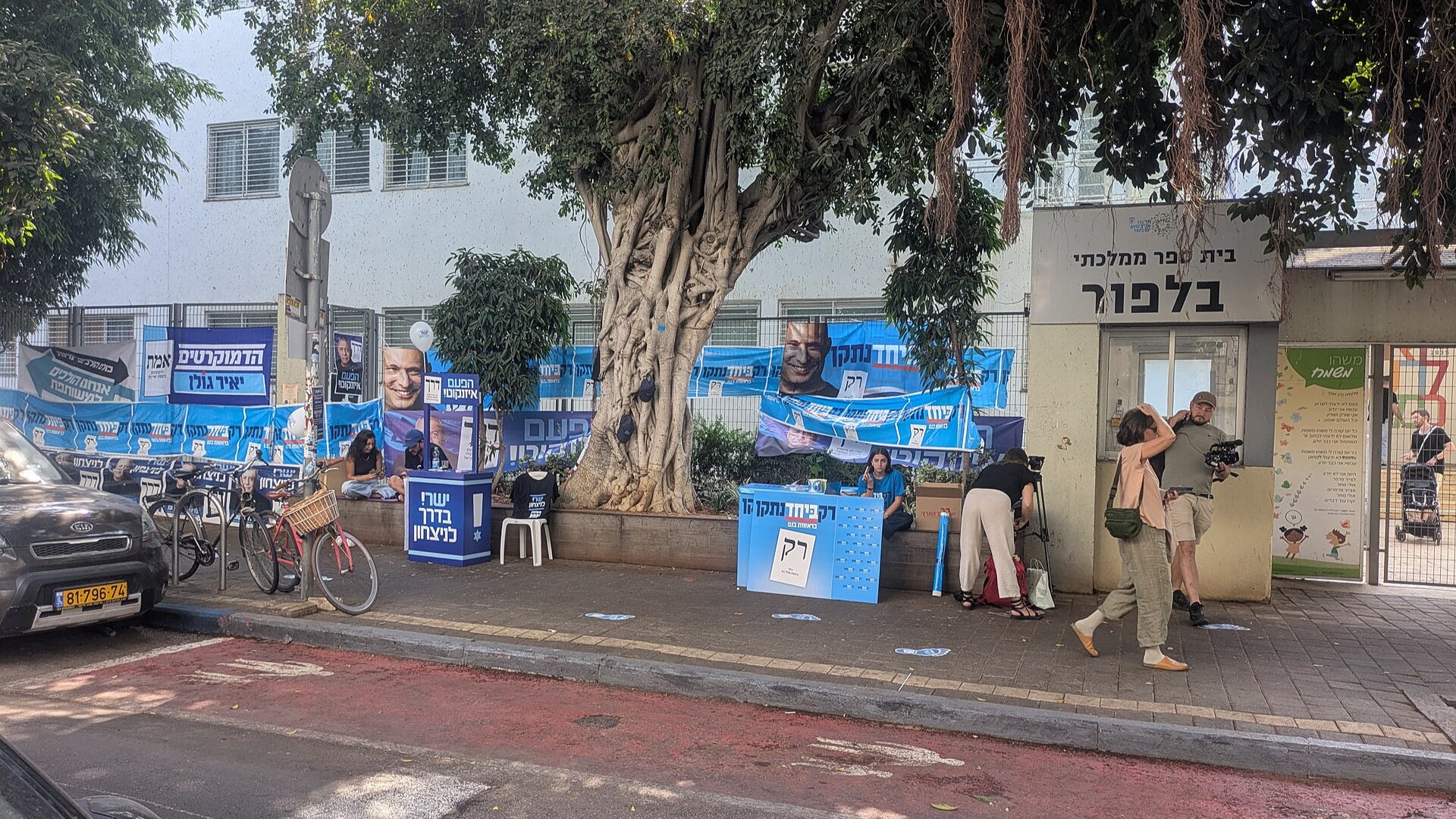
Israel voted. The result is a deadlock so complete that the country may be heading for another election before it has formed a government from this one. Arab parties are backing Eisenkot. The numbers almost add up. The piece looks at what it would mean if they did, and what it would mean for Israeli politics if even that combination cannot hold. Some democracies are paralysed by too many choices. This one is paralysed by what choosing would actually require. Read it here
The Iran War Came Home to Vote
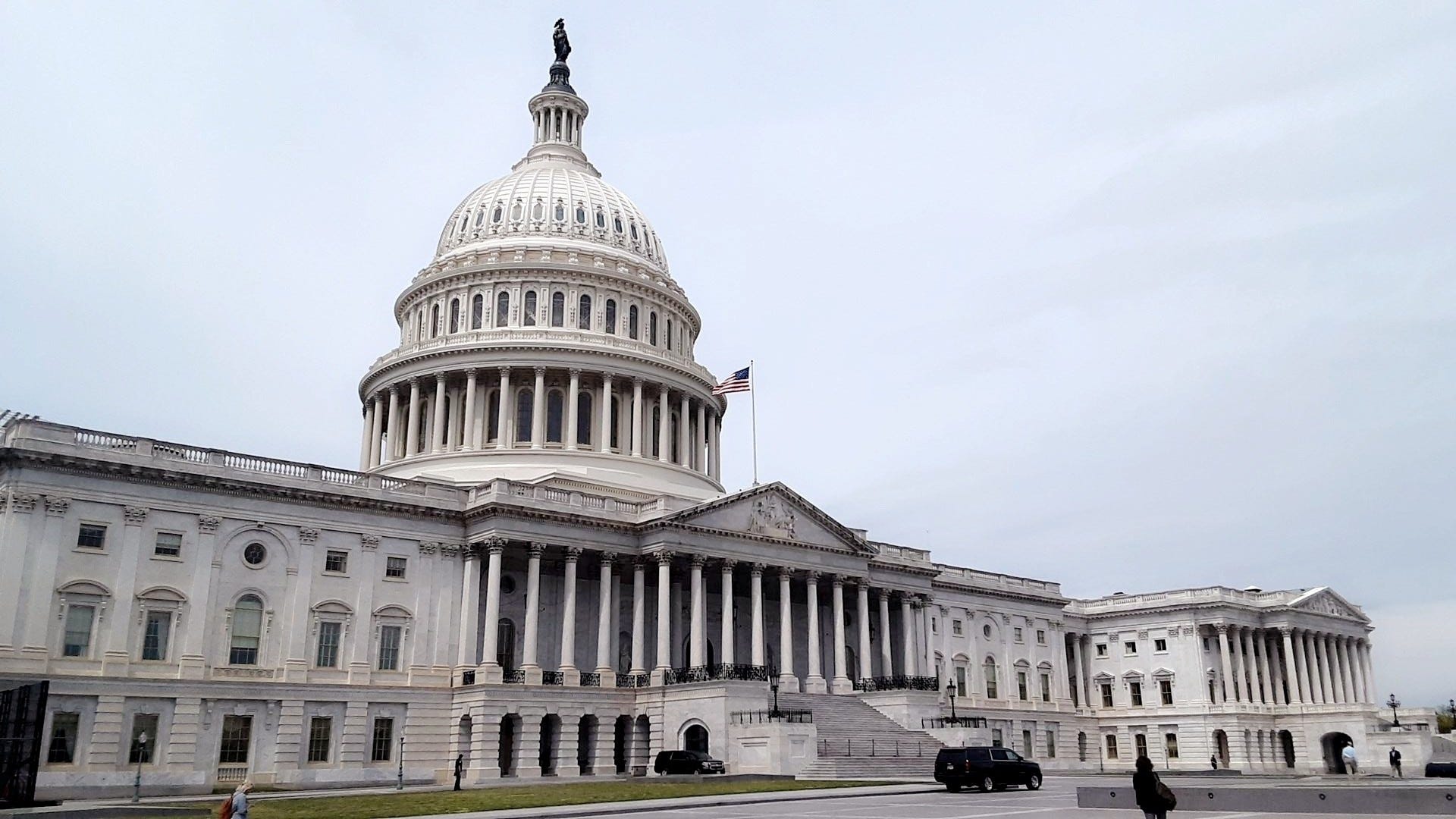
The midterms delivered a Democratic sweep, and the Republicans are already fighting over the explanation. Vance says the Iran war cost them the election. Trump says Vance is wrong. The piece is not really about either of them. It is about the American voter who does not often appear in analyses of foreign policy: the person who goes to the booth and decides that a war they were told would be quick and clean has gone on long enough. That voter showed up. Read it here
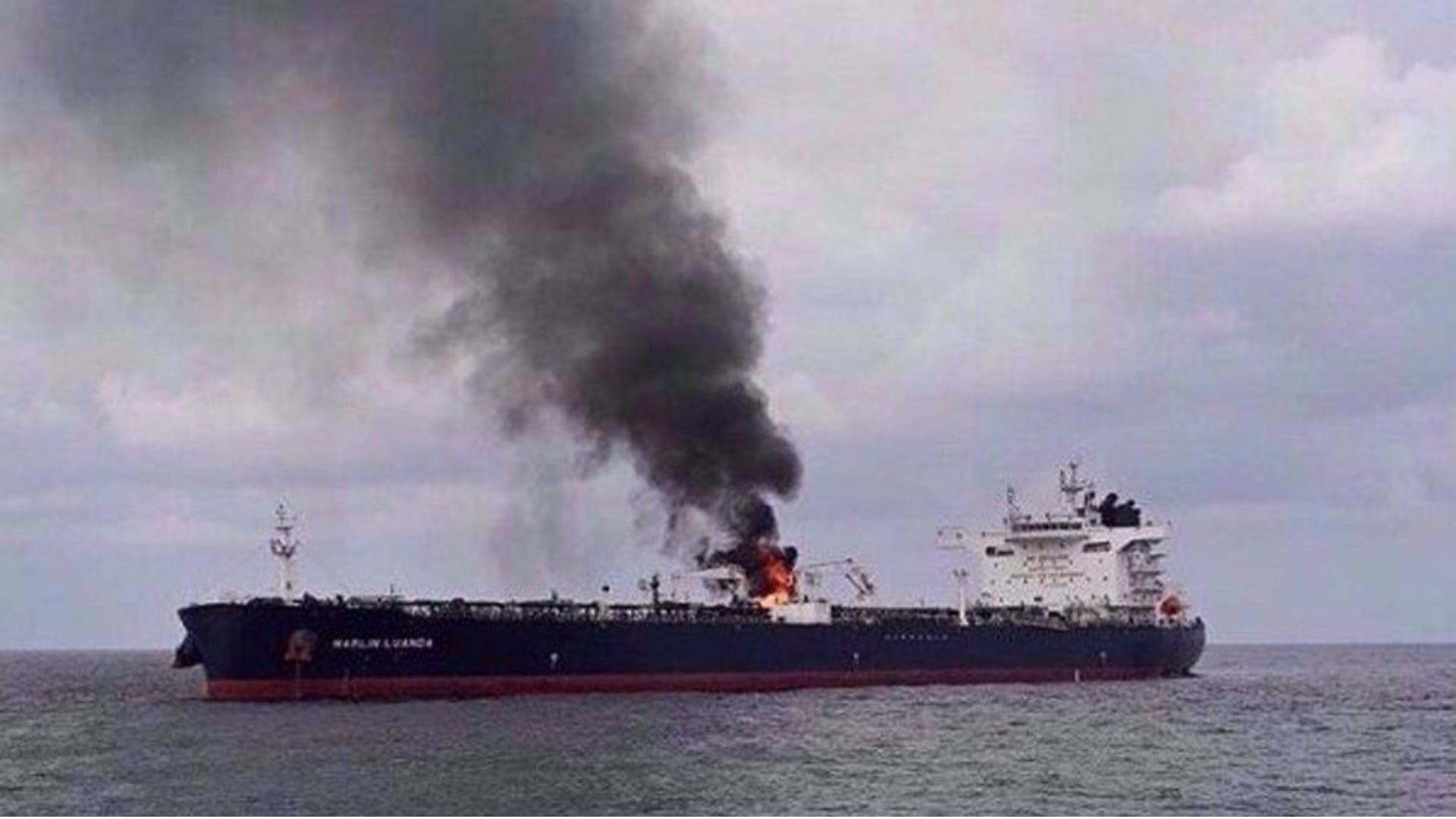
The Mine in the Water
Four oil tankers destroyed near the Strait of Hormuz. Iran says it was mines it did not place. Nobody believes that. The piece argues that the mining of shipping lanes is not an act of desperation, it is a message: that Iran retains the ability to make the conflict costly for everyone, including countries that have nothing to do with it. The Strait of Hormuz is not a battlefield. It is a chokepoint that keeps the global economy moving. Iran has just reminded the world of that. Read it here
Analysis this Week
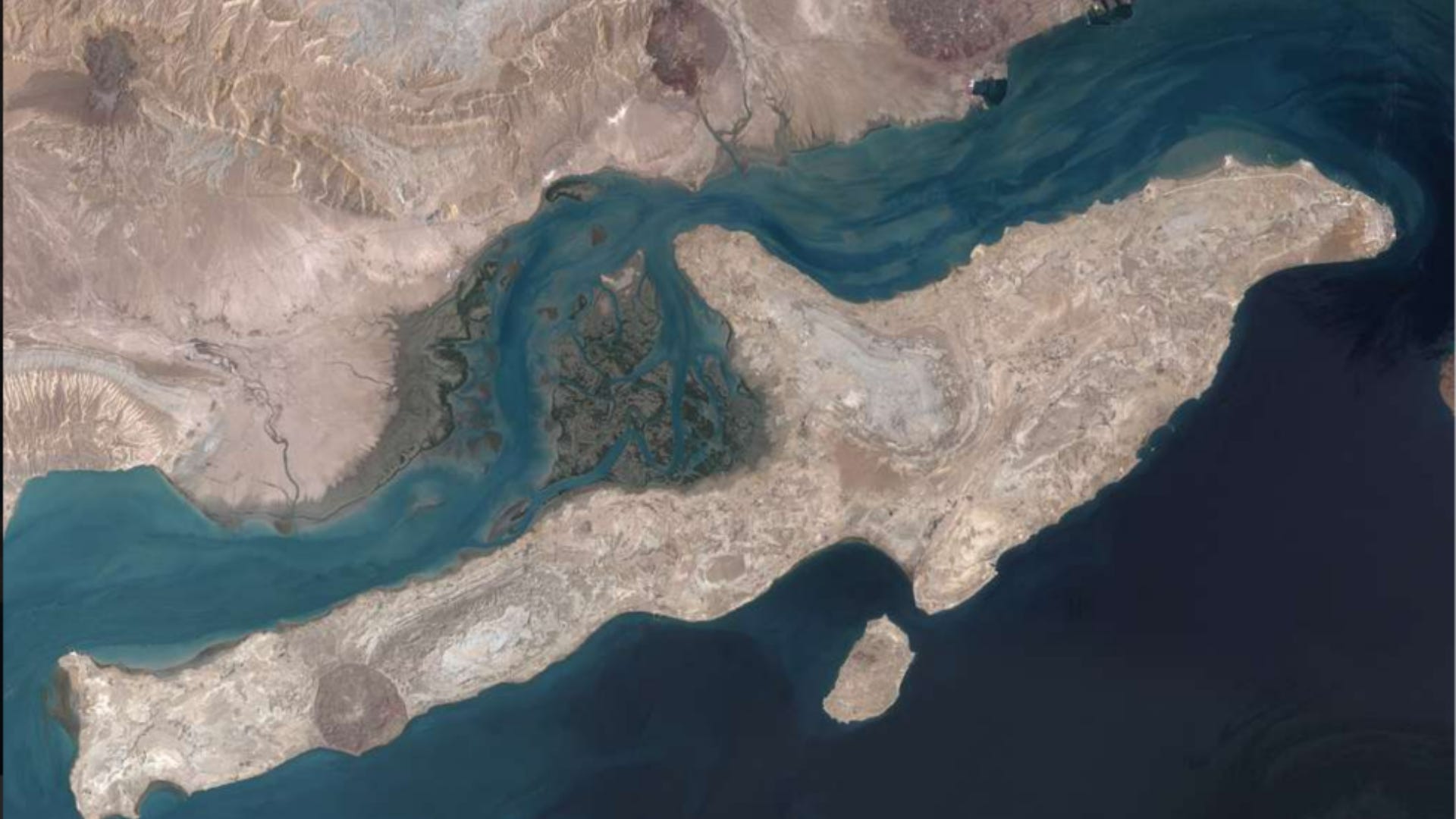
What the Strikes on Qeshm Actually Meant
The United States struck Qeshm Island two days before the midterms. The timing was not accidental. The piece works through what the strikes were and, more importantly, what they were not: they were not a knockout blow, they were not an escalation toward regime change, and they were not disconnected from the domestic political calendar in Washington. I wrote this piece because the coverage missed the strategic logic. The strikes were a message aimed at three audiences simultaneously, and understanding which three tells you everything about where this war is going. Read it here
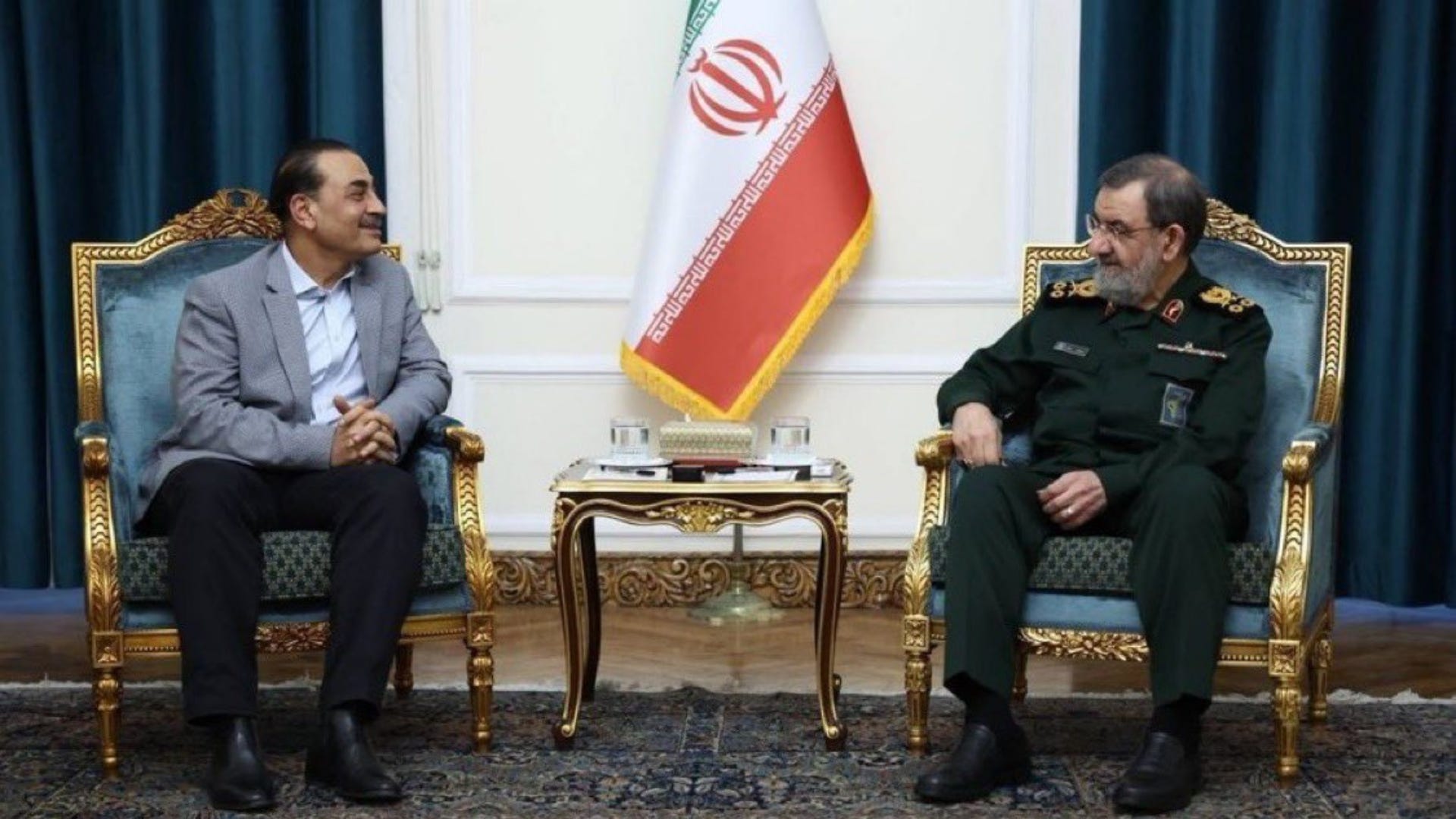
What Munir Knows
Pakistan’s army chief went to Tehran. He came back with something, though nobody will say precisely what. This piece is about what General Munir knows that the rest of the room does not: that Pakistan has a unique capacity to serve as a back-channel in the Iran-US confrontation, and that this capacity will expire the moment Washington decides it no longer needs Islamabad. The piece traces the diplomatic logic, the historical precedent and the very narrow window in which Pakistan can convert proximity to leverage. It is a piece about an opportunity that may already be closing. Read it here
Seven pieces. One week. The world kept moving, and not always in the direction anyone intended.
Read. Think. React. No neutrality. No noise. Just argument. Until next Saturday.
Sunny Peter
Editor, DiploPolis.com