


This was a week built around two questions. The first: how does a man flagged for extremist views by one airline get hired by three more, fly a planeload of Israelis toward Tel Aviv, and reach for the cockpit’s emergency crash axe? The second: three years after October 7, what exactly has been settled?
Five Ledger pieces. Two Analysis. Neither question resolved.
The Ledger This Week

He Prayed. Then He Reached for the Crash Axe.
Hamam al-Hammami prayed roughly two hours into the flight. Then he picked up the cockpit’s emergency crash axe and attacked Captain Smit Machchhar. The plane dropped 17,000 feet. Machchhar was on the cockpit floor. He opened the door from there. Passengers came in and held al-Hammami down. Oman Air had removed him for extremist views. Flydubai hired him anyway. The crash axe is always in the cockpit. Read it here

Israel Was Told His Name. Israel Said Nothing.
Before departure, the UAE transmitted the full crew manifest to Israeli authorities. Hamam al-Hammami’s name and nationality were on it. Israel reviewed the information and raised no concerns. A letter from the Israeli Ministry of Transport, released the following day, confirmed in writing which body bears responsibility for vetting inbound flights. The accountability has been distributed so carefully it lands nowhere. Read it here

Vance: No Evidence. Trump: I Personally Believe It.
On the same Monday, the US Vice President told Reuters he had seen nothing conclusive tying Iran to the attack. The US President told reporters he personally believes Iran was responsible. Netanyahu said Iran did it. Iran said nothing. Three assessments, three purposes, one UAE investigation that has not yet established a formal motive or a state connection. The administration appears not to have noticed that its two most senior officials have different answers to the same question. Read it here
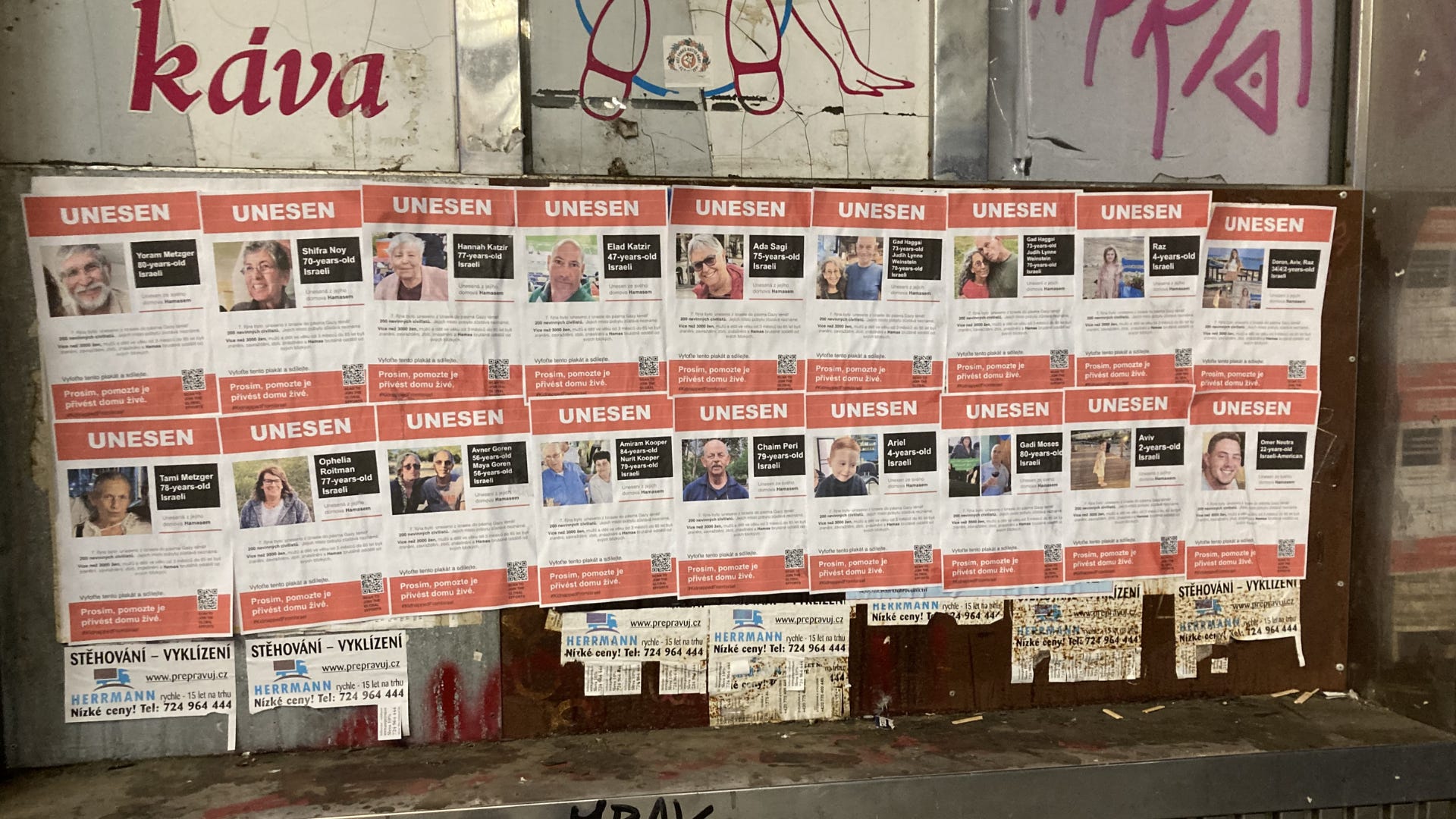
The NSC Issued a Warning for Wednesday.
Israel’s National Security Council published a formal global terror warning on October 6, naming Iran and its proxies as the elevated threat for the October 7 anniversary. The warning is credible. The elections are October 27. A legitimate threat assessment and a campaign document can occupy the same paragraph. They do here. Read it here
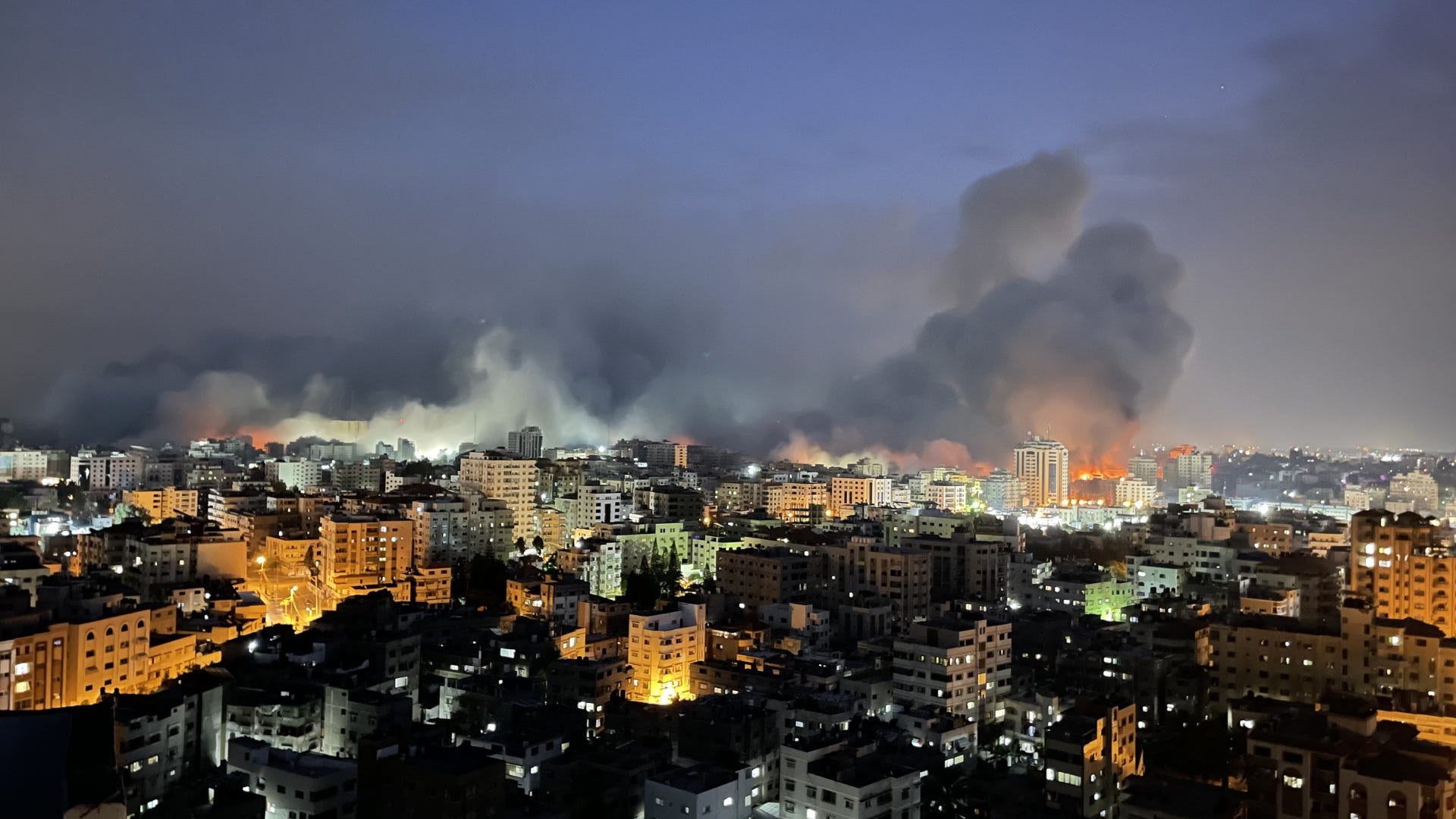
Three Years. The Silence. The Bombs.
At 6:29am on October 7, Israeli communities along the Gaza border stood in silence. Israeli airstrikes on Gaza could be heard through it. Former hostage Eli Sharabi co-hosted the national broadcast. 74,000 Palestinians dead by public health counts. The White House has asked the Pentagon to develop options for strikes on Iran before the November midterms. The gavel has been coming down for three years. Nobody has yet asked when it stops. Read it here
Analysis This Week

Three Years After October 7
Hamas is still armed and organisationally present in Gaza. The Strait of Hormuz is in its eighth month of blockade. 74,000 Palestinians dead. A US senator was denied access to Iran war briefings this week. The piece is an accounting of what three years of the stated deterrence logic has actually produced, and an argument about who is permitted to present the bill. Read it here
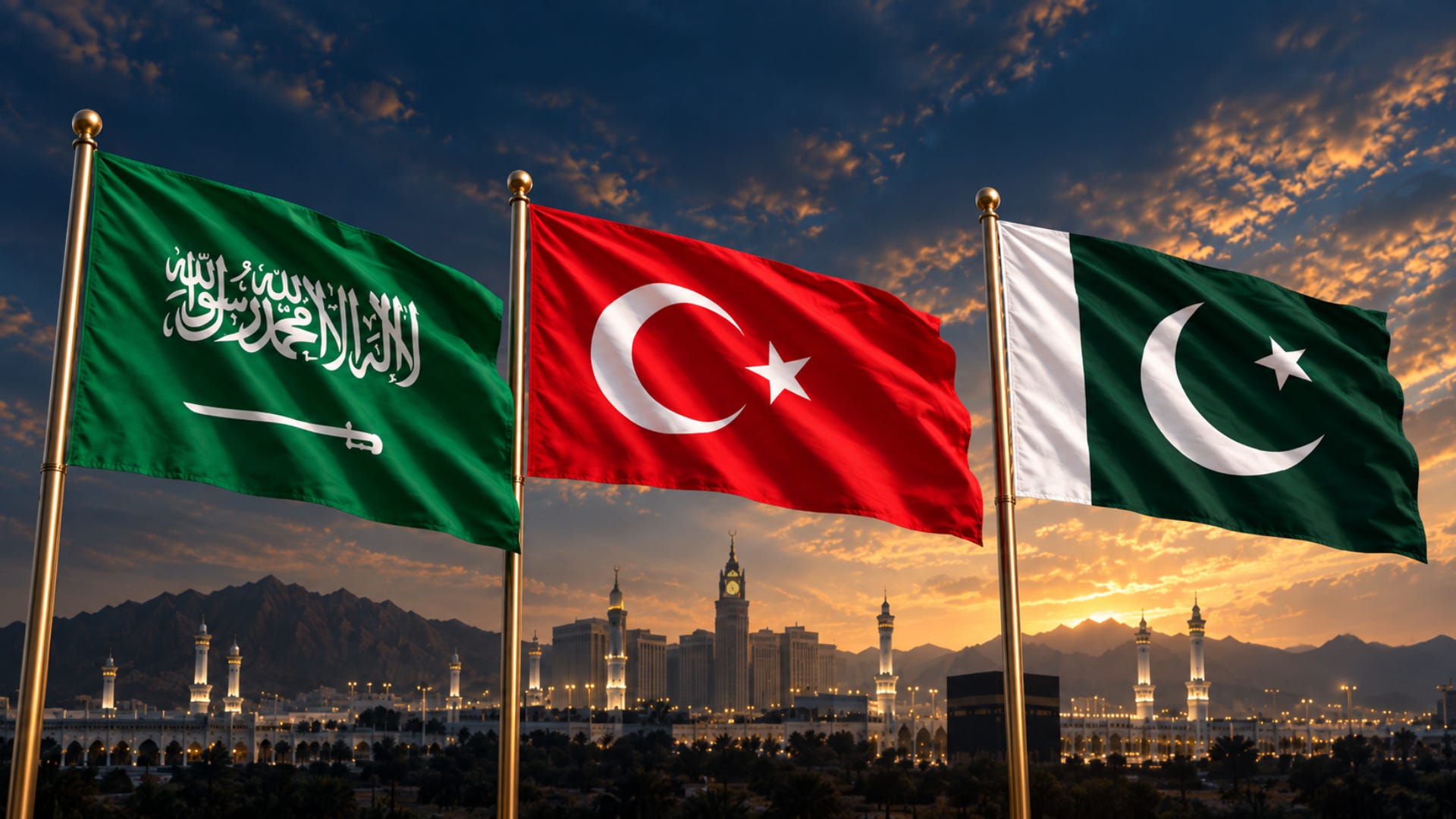
The Third Alliance
The February 28 Mecca declaration produced a formal security alignment between Saudi Arabia, Turkey and Pakistan. Seven months on: what the alliance has done, what it has refused to do, and why the absence of Iran from its architecture is the most significant thing about it. A new alignment is forming in the Muslim world. It is not the one the Western press is writing about. Read it here
Three years. A crash axe in a cockpit and three airlines that cleared him. A manifest Israel received and did not question. A moment of silence with bombs in it. A war being timed to an election. More than enough for the world to remind us why this publication exists.
Read. Think. React. No neutrality. No noise. Just argument. Until next Saturday.
Sunny Peter
Editor, DiploPolis.com