


This was the week I kept asking the same question in five different directions: who is actually in charge of what happens next? Not in the sense of who holds office, but in the sense of who has real decision-making power over the war’s trajectory — and who is merely performing agency while waiting for someone else to move first. The answers were uncomfortable. Israel is waiting for its election. America is waiting for its midterms. Iran is waiting for both of them to exhaust themselves. And in the meantime, the ships are getting attacked, Rubio is visiting a refinery, and Lavrov is flying to Tehran while Trump says Russia is doing nothing.
Seven pieces this week. Here is what was on my mind when I wrote each one.
The Ledger This Week
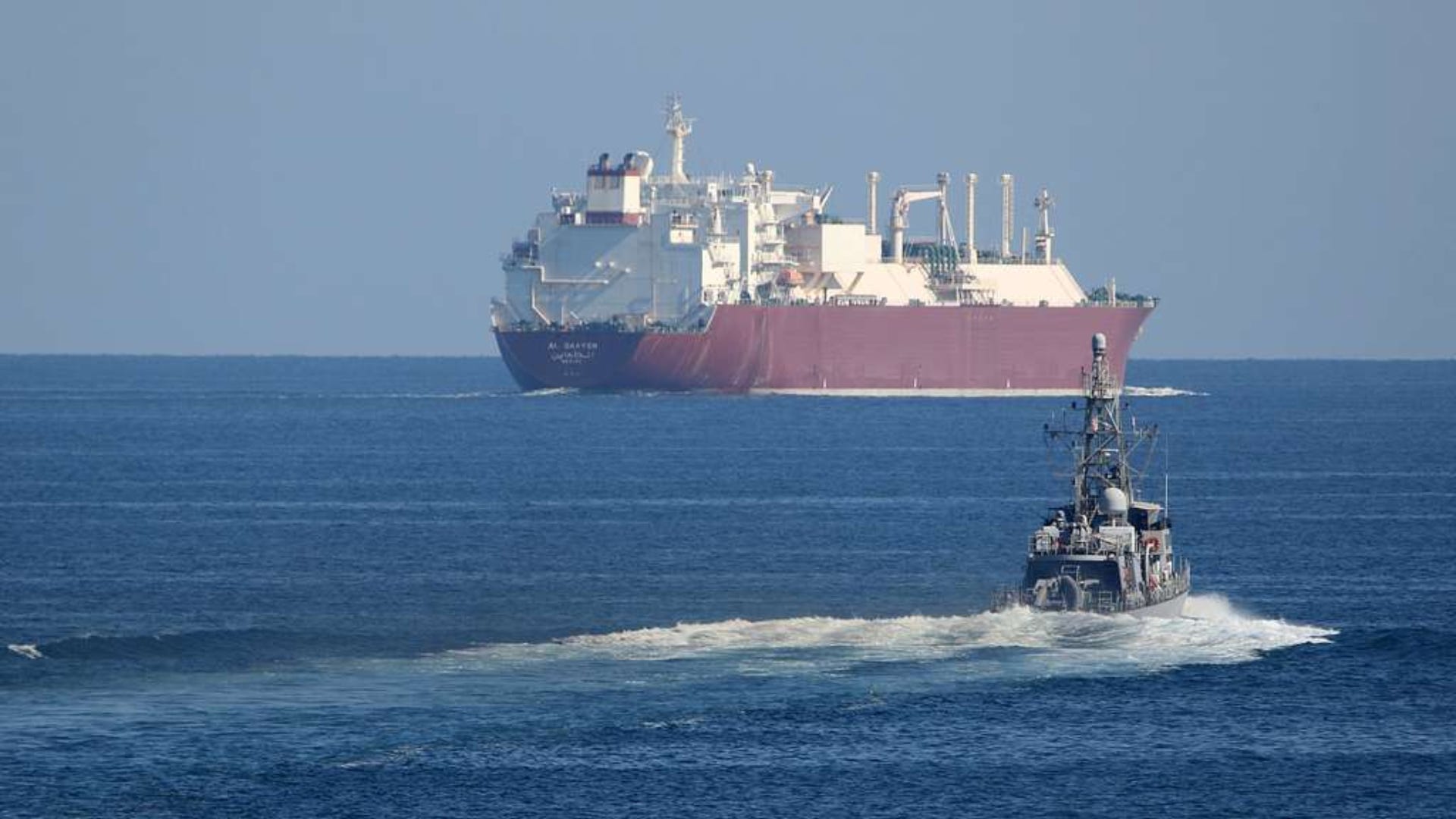
Four Hundred Ships. Twelve Attacked. The Strait of Hormuz.
CENTCOM said 400 ships and 100 million barrels transited Hormuz last week. UKMTO counted 12 attacked. Both numbers are true. The gap between them is where the war actually lives — not in the dramatic headline figure, but in the quiet attrition that has pushed oil to $110 and kept it there. I wanted to write about what 68 per cent of normal throughput actually means for countries that had no vote on any of this. Read it here.
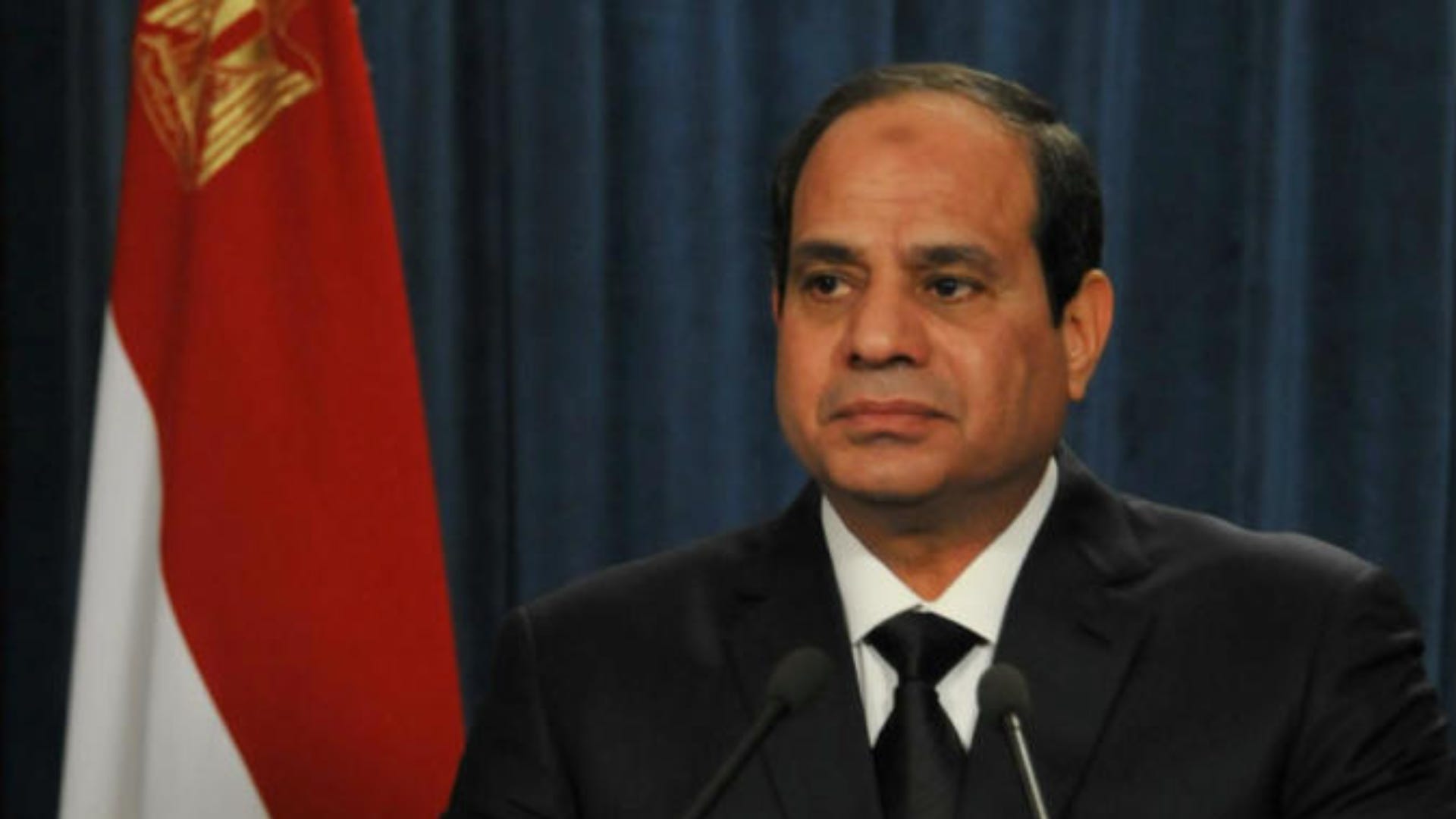
President Sisi Is Speaking Only About Defence.
Sisi called an emergency parliamentary session and said Egypt would take any measure to protect Saudi Arabia. Then he said he was speaking only about defence. That qualifier did a lot of work. Egypt is the largest Arab military in the region, it has a mutual defence understanding with Riyadh, and its president just told the world — and whoever was listening in Tehran — exactly where the line is. The line is defence. I found that worth examining carefully. Read it here.
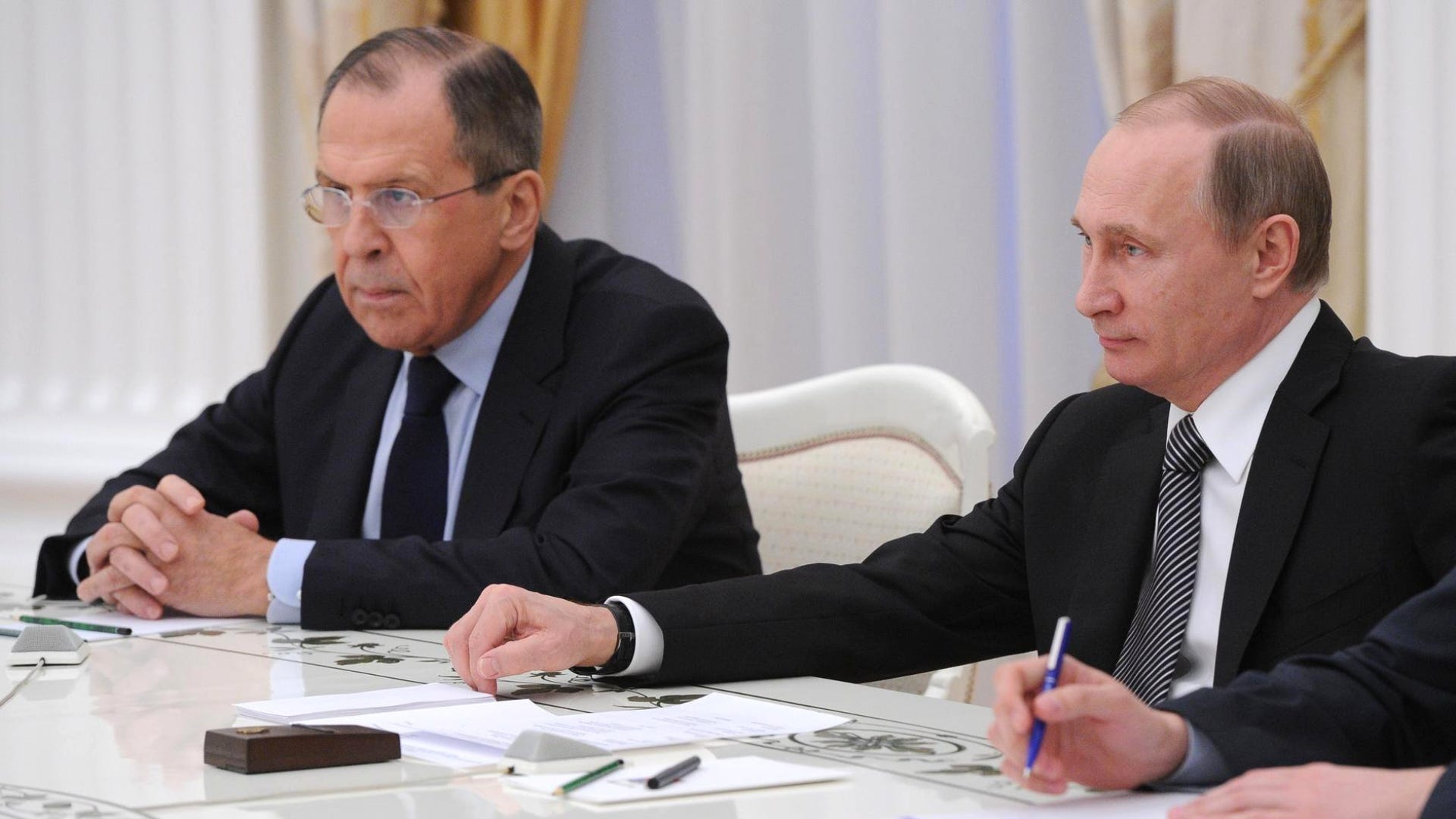
Lavrov Flew to Tehran. Trump Said Russia Is Doing Nothing.
On October 16, Trump paused sanctions on Russia. Three days later, Lavrov was in Tehran condemning American strikes as illegal. Trump said Russia is doing nothing to help end the war. Lavrov said Russia was doing everything it could. Both statements were made in the same week by people who had just done each other a favour. The contradiction is not an accident. It is the arrangement. Read it here.
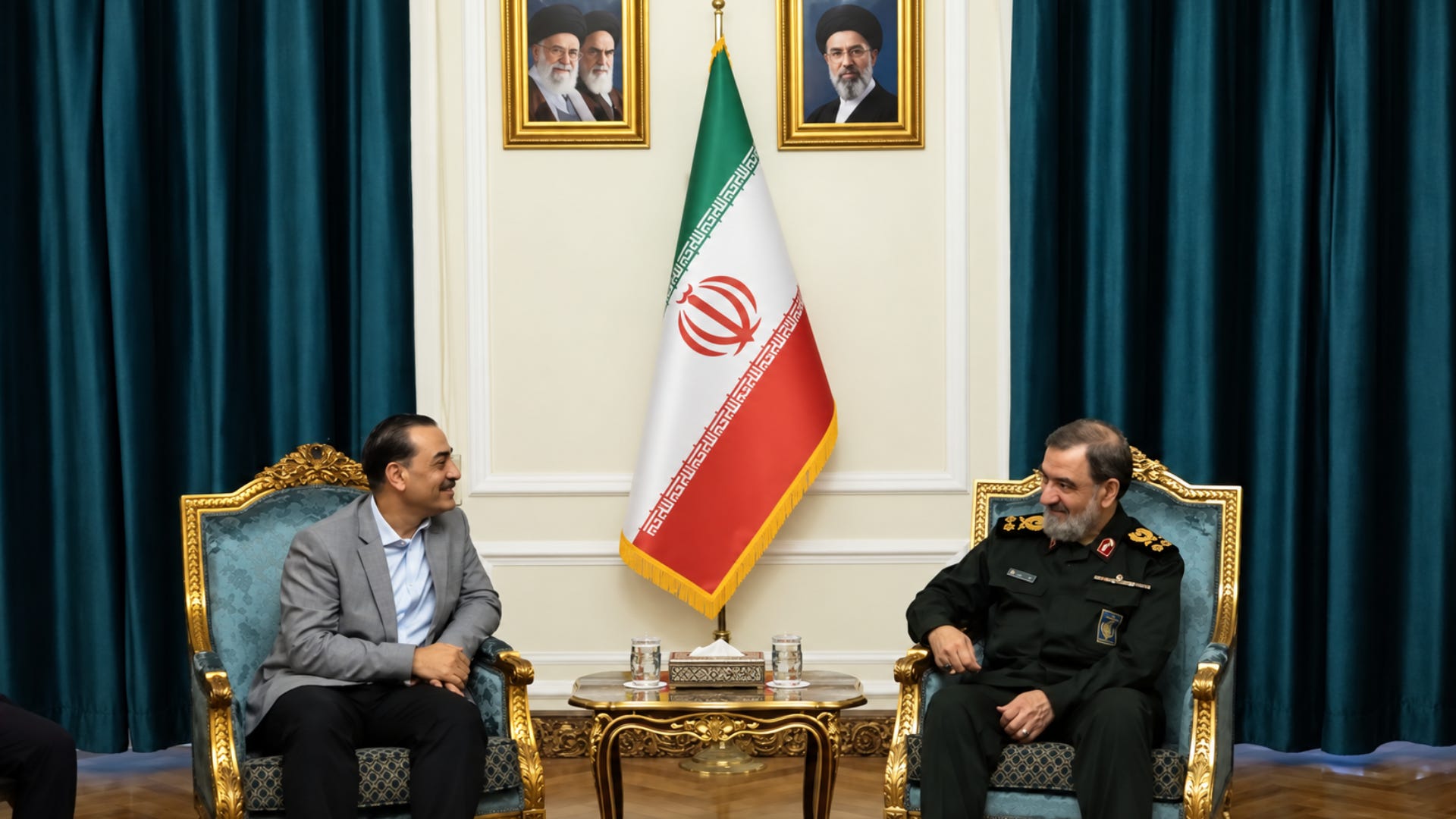
Pakistan Went to Tehran. Britain Went to Riyadh.
General Munir flew to Tehran on Monday. Britain’s foreign secretary landed in Riyadh the same week. Two visits, two sides of the same war, both governments insisting they are mediating. Pakistan is simultaneously in the Mecca Alliance and carrying messages to Iran. Britain is simultaneously imposing sanctions on Tehran and trying to broker a ceasefire channel. The war has produced a diplomacy in which everyone is on every side at once. Read it here.
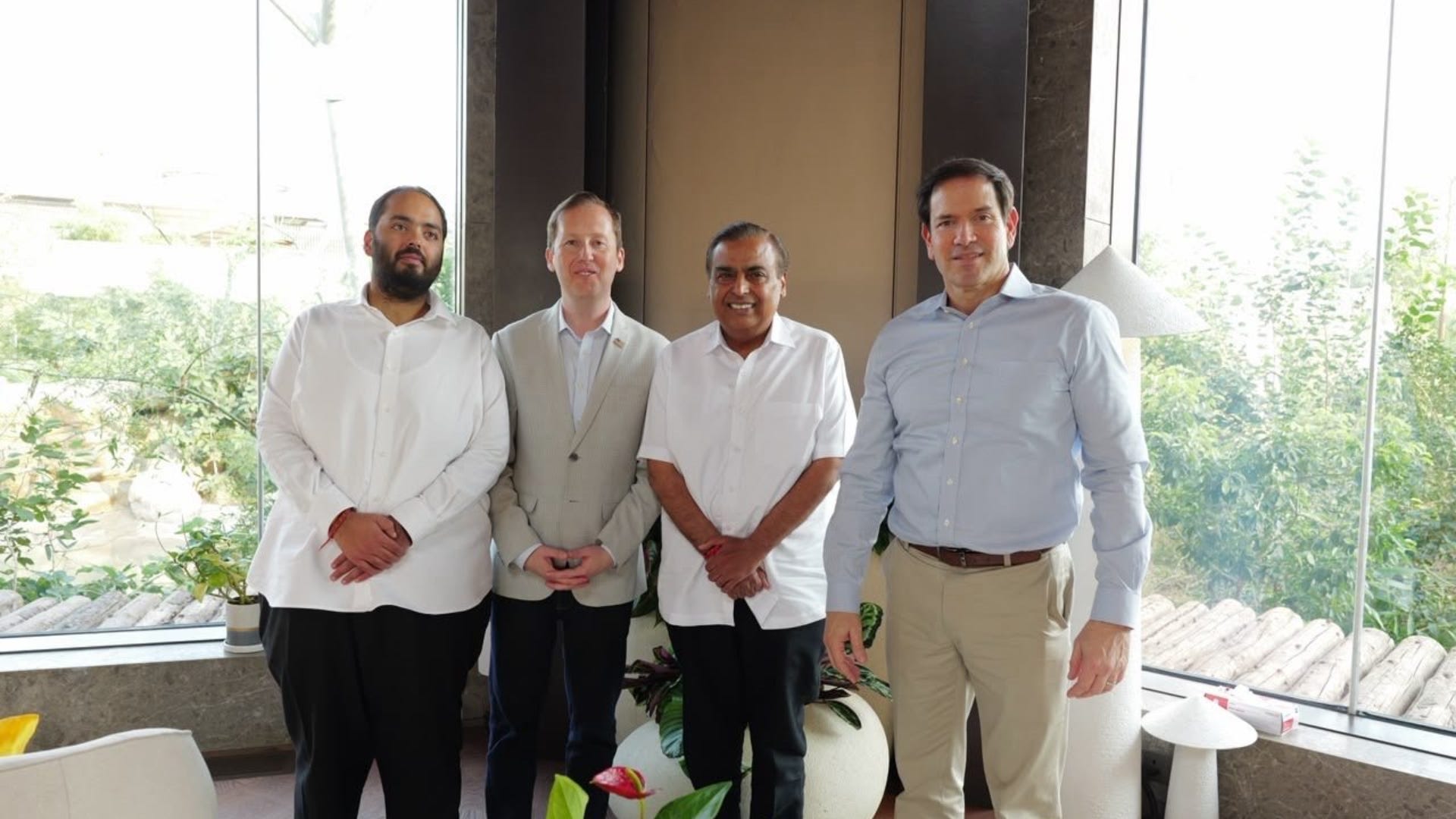
He Did Not Come to New Delhi. He Came for the Refinery.
Rubio visited India and went to Jamnagar. Not New Delhi — Jamnagar, where the Reliance refinery processes 1.4 million barrels a day, the largest single refinery in the world. He wanted to talk about Venezuelan crude. India buys Iranian oil on a discount. Washington would like it to stop. The visit was dressed as a diplomatic call. It was a supply chain conversation. I thought that distinction mattered. Read it here.
Analysis This Week
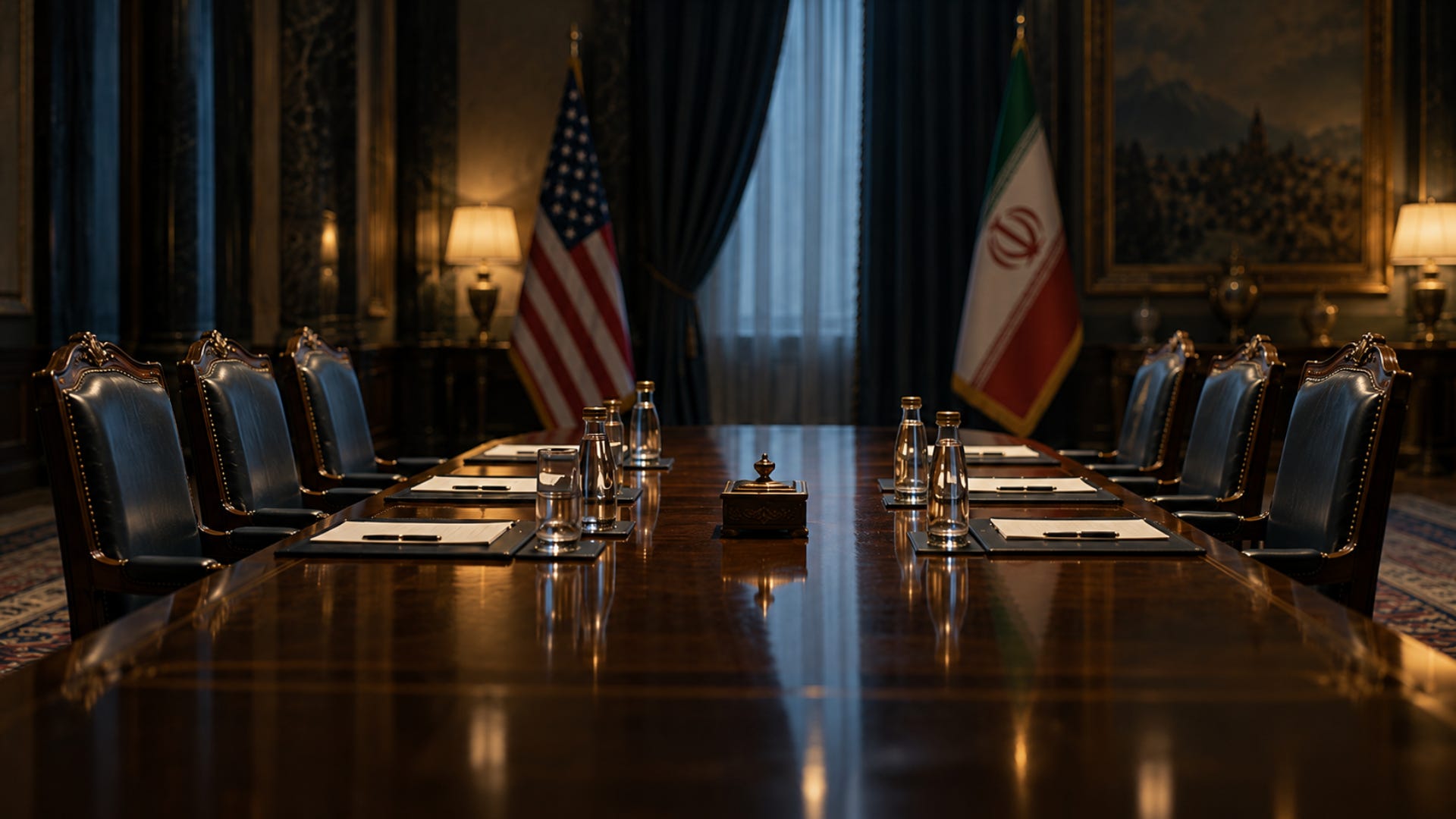
The Ceasefire That Isn’t Coming.
Pakistan, Qatar and Russia have all gone to Tehran in the past five months. They have all come back with the same three conditions: end the war on all fronts, lift the blockade, release the frozen assets. The diplomatic community calls this an impasse. I think that is the wrong word. An impasse implies two sides looking for a midpoint. Iran is not looking for a midpoint. Iran is in a declaratory posture. The conditions are a message, not an opening bid. Read it here.
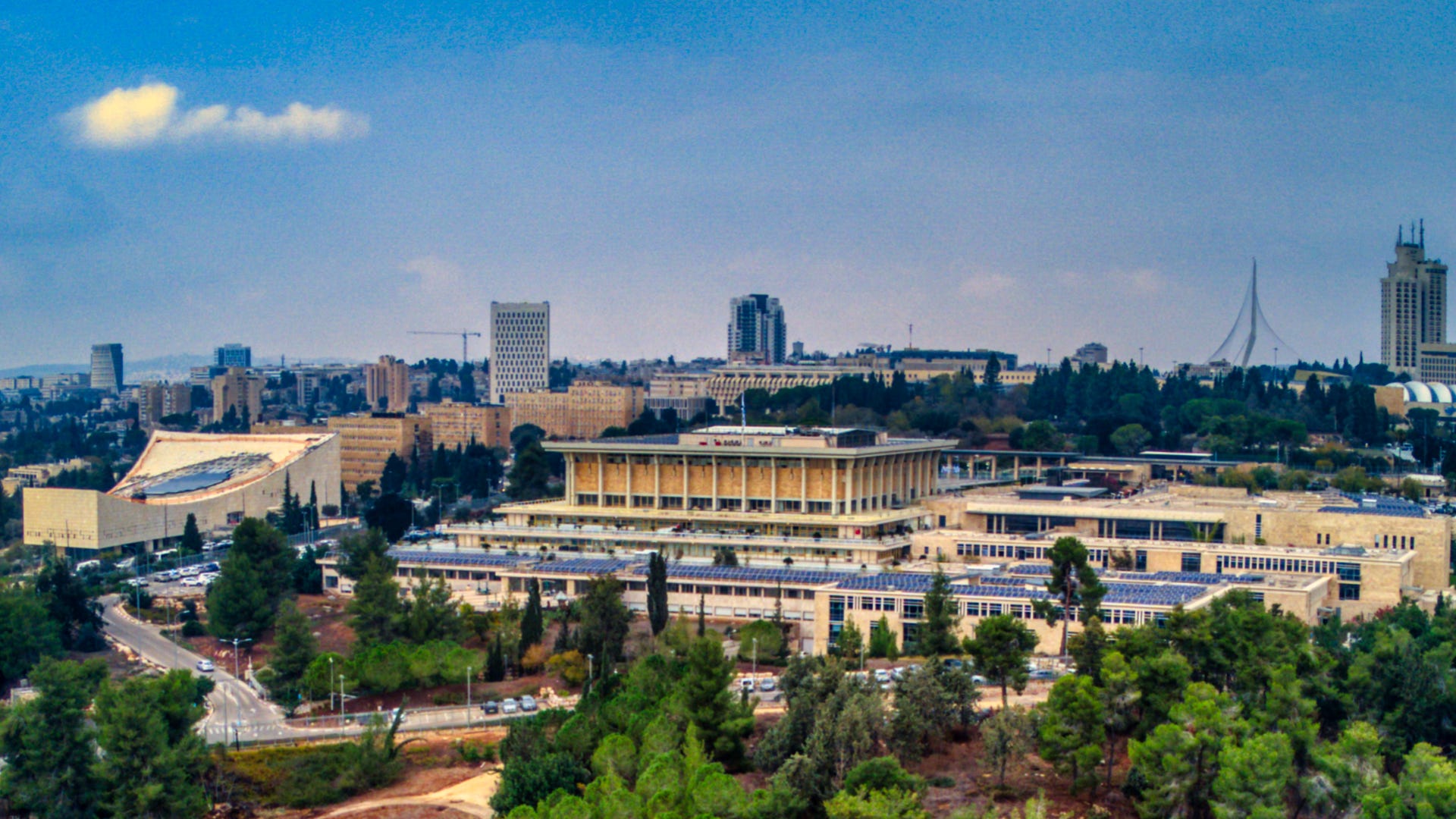
Not a Peace Election.
Israel votes on October 27. The Western framing is that this is a referendum on Netanyahu. I spent a week reading what the candidates running to replace him are actually saying about Iran — and the answer is: more. Lapid wants to intensify strikes on Iran’s oil infrastructure. Bennett says Turkey is the new Iran. Eisenkot says Netanyahu is unfit to lead the next phase, not that there should not be a next phase. This is not a peace election. It is a succession contest for the war’s next chapter. Read it here.
Until next Saturday —
Sunny Peter
Editor, DiploPolis.com