


Seven months. No deal. No ceasefire. No resolution of the nuclear question the Islamabad Memorandum was supposed to begin resolving. What the week produced instead: three vans on a road in the Cotswolds, a president sitting on the ground for seven hours in Tehran, a channel through Doha that nobody wants to name publicly, and a threat that November is the deadline and bombing is what comes after.
Here is what I was thinking when I wrote each piece.
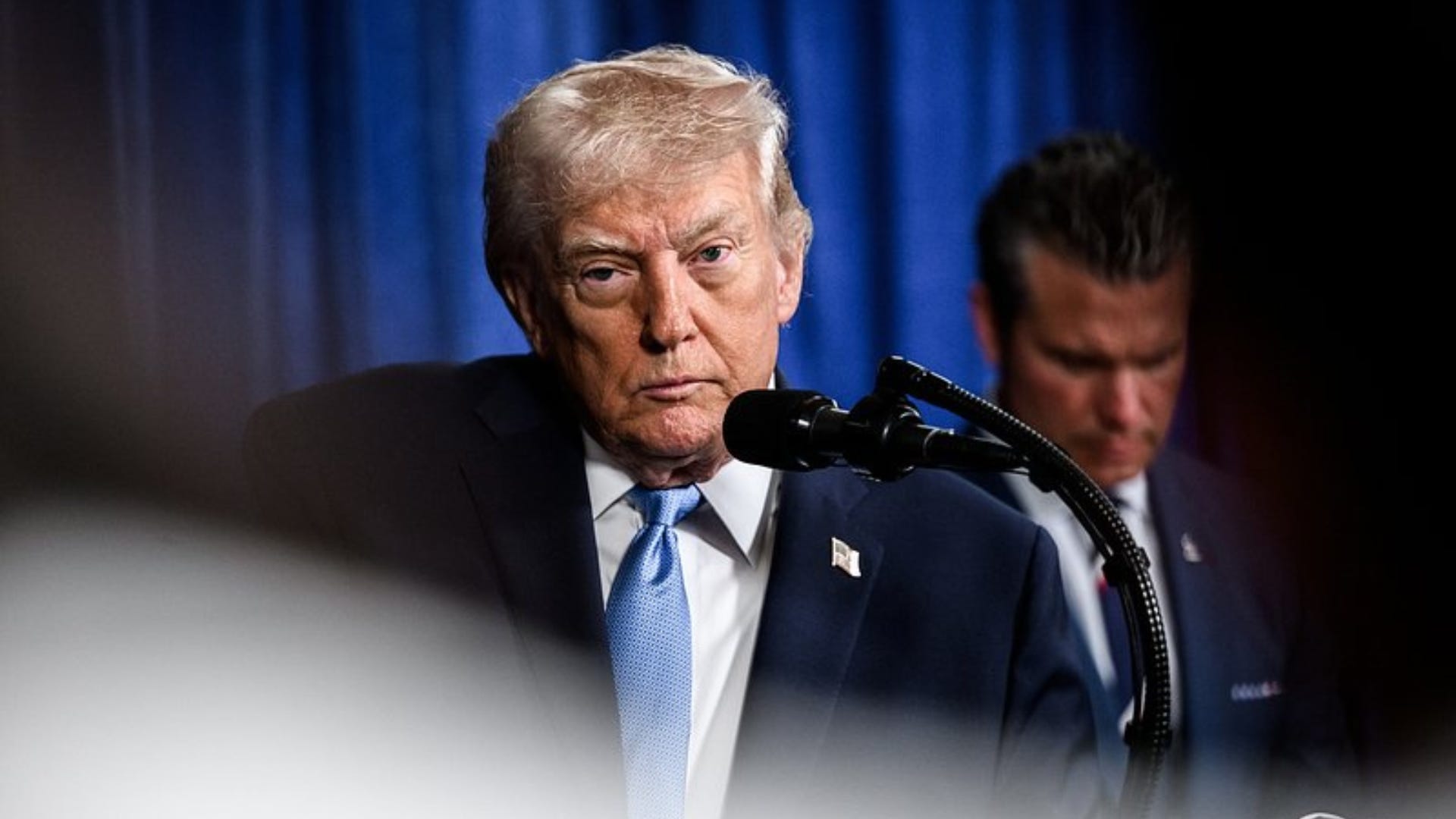
After the Midterms
Trump said it. If there is no deal before November, the bombing resumes after November. He has been saying this in various formulations since UNGA. What changed this week is that he also rejected the deal on the table — the terms Iran is offering, which are roughly the Islamabad MOU’s terms, which he signed in June and abandoned in August. The rejection of the deal and the threat of post-November bombing are two consecutive sentences. The gap between them is the policy. Read it here
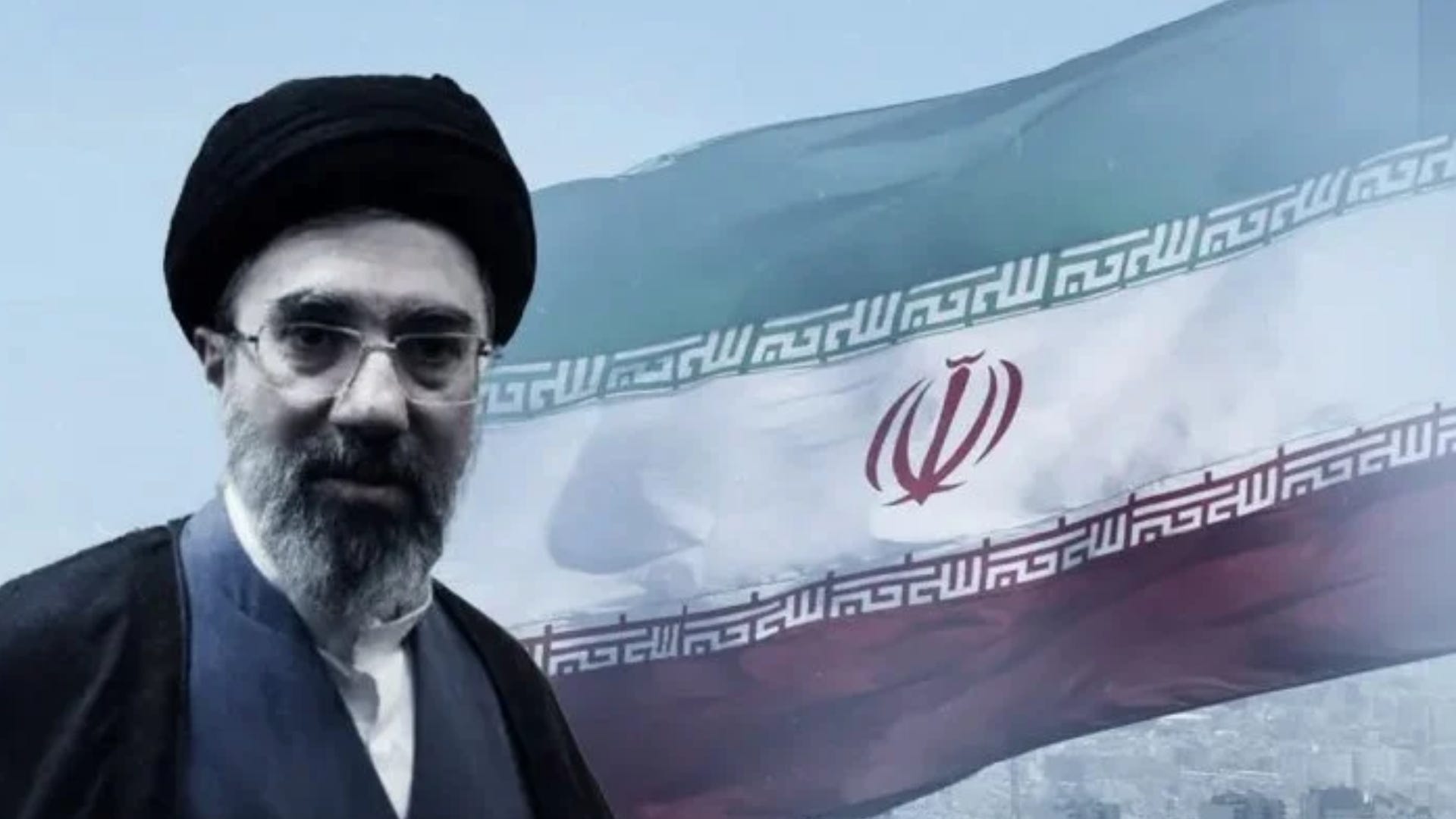
Seven Hours. He Was Sitting on the Ground.
Pezeshkian sat on the ground for seven hours outside a building in Tehran. We know that. We know Mojtaba Khamenei’s health is the variable nobody will name directly. Anything that touches succession in Iran right now is the most consequential unknown of a war that has already produced more than enough consequential unknowns. I wrote this piece because the seven hours are not a small detail. They are the detail that tells you something is happening that the official statements are not telling you. Read it here
Three Vans. A Road Near Fairford.
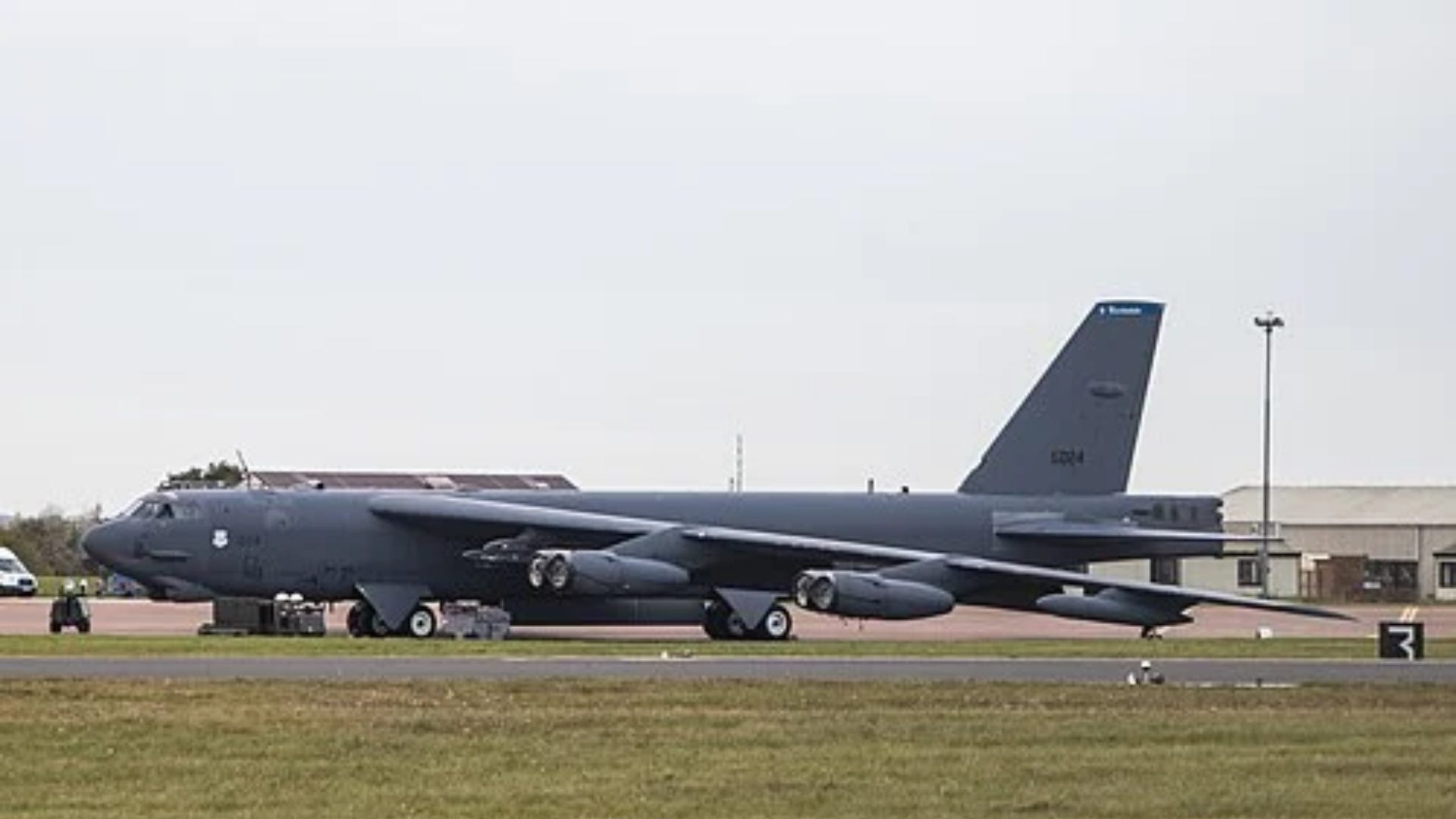
Five men were arrested near RAF Fairford on September 28. This week: three vans on the road approaching the airfield. The plot that I wrote about in Proposal B for September 29 has escalated from a group of men on foot to an organised vehicle operation. RAF Fairford is where US bombers have been launching strikes on Iran since March 1. Britain agreed to host that campaign. The domestic security consequences are arriving on the same Gloucestershire road where the campaign’s aircraft take off. I wrote this because the three vans are not just a terrorism story. They are the cost of a strategic decision. Read it here
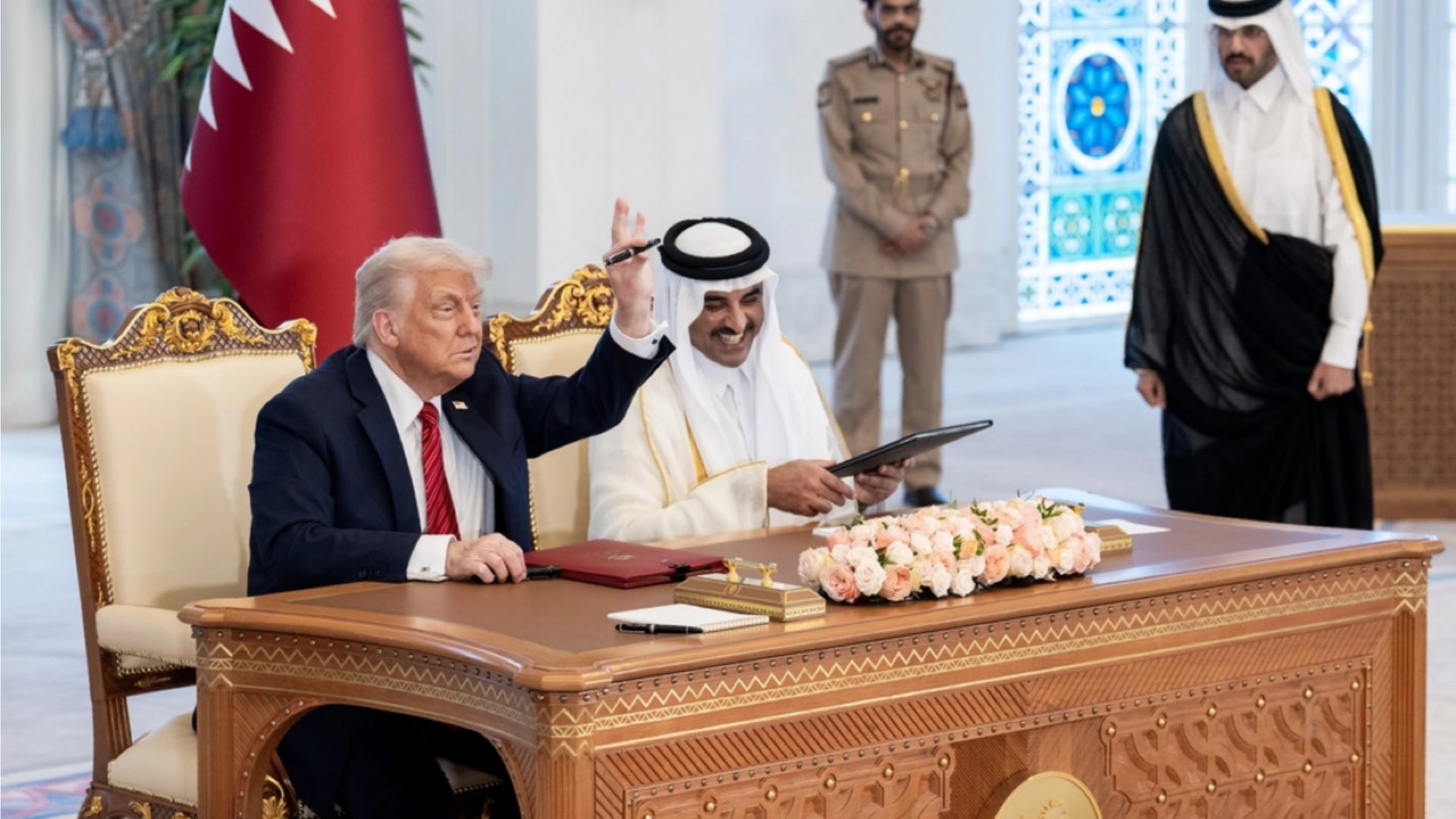
Qatar Is Passing Messages
Qatar is the only country talking to everyone. Tehran trusts it. Washington needs it. The message it is carrying is the same one that Arab leaders delivered to Trump in July, that Rubio has been signalling privately for weeks, and that Netanyahu’s September Gaza rejection confirmed publicly: the obstacle is not Iran’s nuclear programme. The obstacle is Netanyahu. Qatar is the channel through which that message is now being passed with increasing directness. I have been saying this for months. The fact that it is now the message in Doha’s channel is the thing that changed this week. Read it here
Wrong Tree
Andy Burnham said investigators might be barking up the wrong tree about who planned the Fairford operation. Netanyahu said the Fairford plot proves Iran is a terrorist state. Araghchi said it proves Britain should stop hosting American bombers. All three statements use the same event. All three are politically coherent. None of them are interested in the same question. The question I am interested in: when a domestic terrorism investigation, a Prime Minister’s wartime diplomacy and an Iranian foreign minister’s press conference all reference the same three vans on the same country road, the country road is doing more political work than anyone planned for it. Read it here
Analysis This Week
Bangui and Abu Dhabi
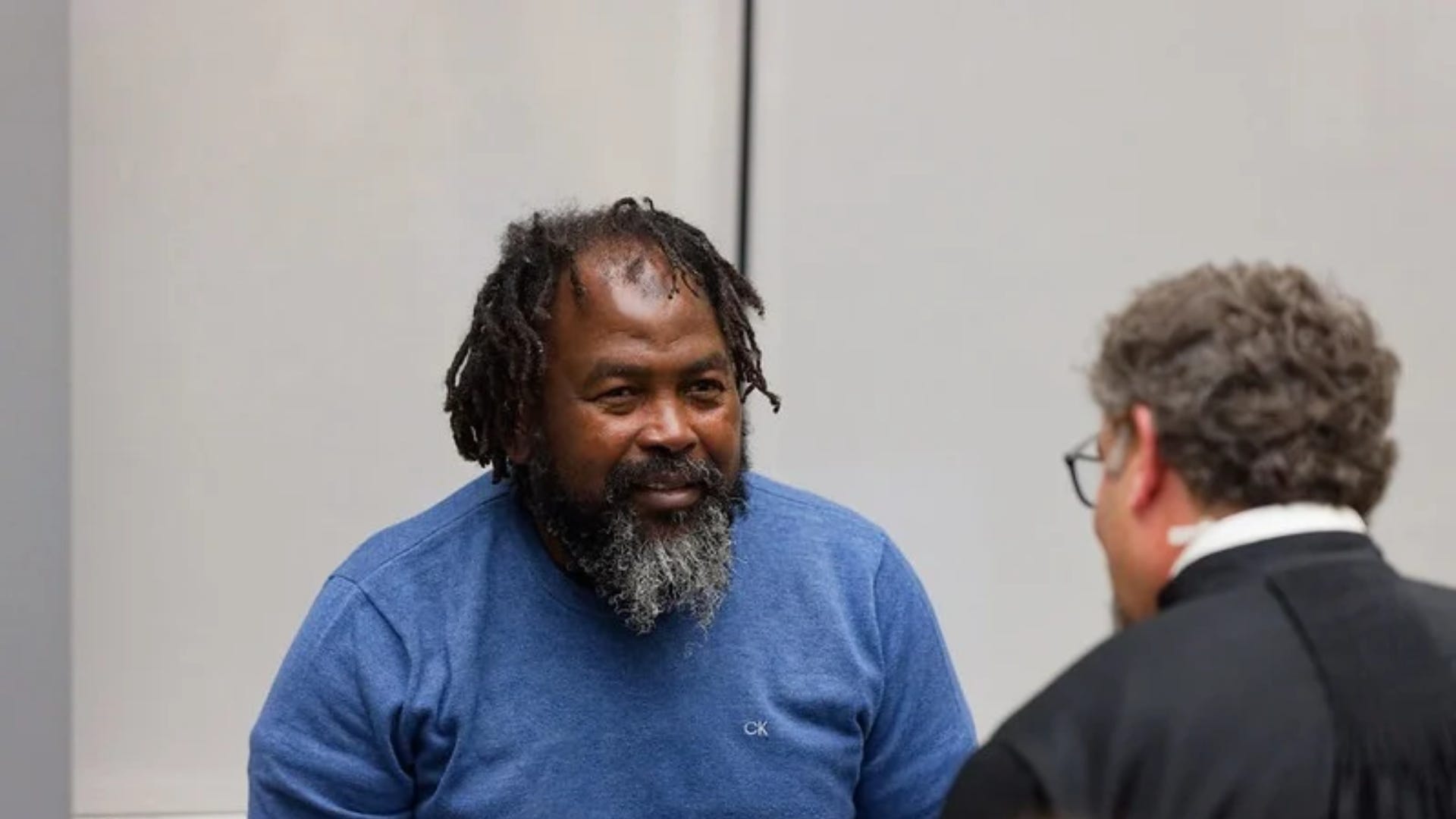
On September 23, the ICC convicted a Central African Republic militia commander for crimes against humanity. The same week, Netanyahu addressed UNGA under an active ICC arrest warrant and visited the UAE under the same warrant. Eight ICC convictions since 2002. Every single one is from a sub-Saharan African country. I wrote this piece because the week put both outcomes in the same seven days and the contrast required naming. The court that reached Bangui is the same court that cannot reach Abu Dhabi. The distance between them is structural. Read it here
For October
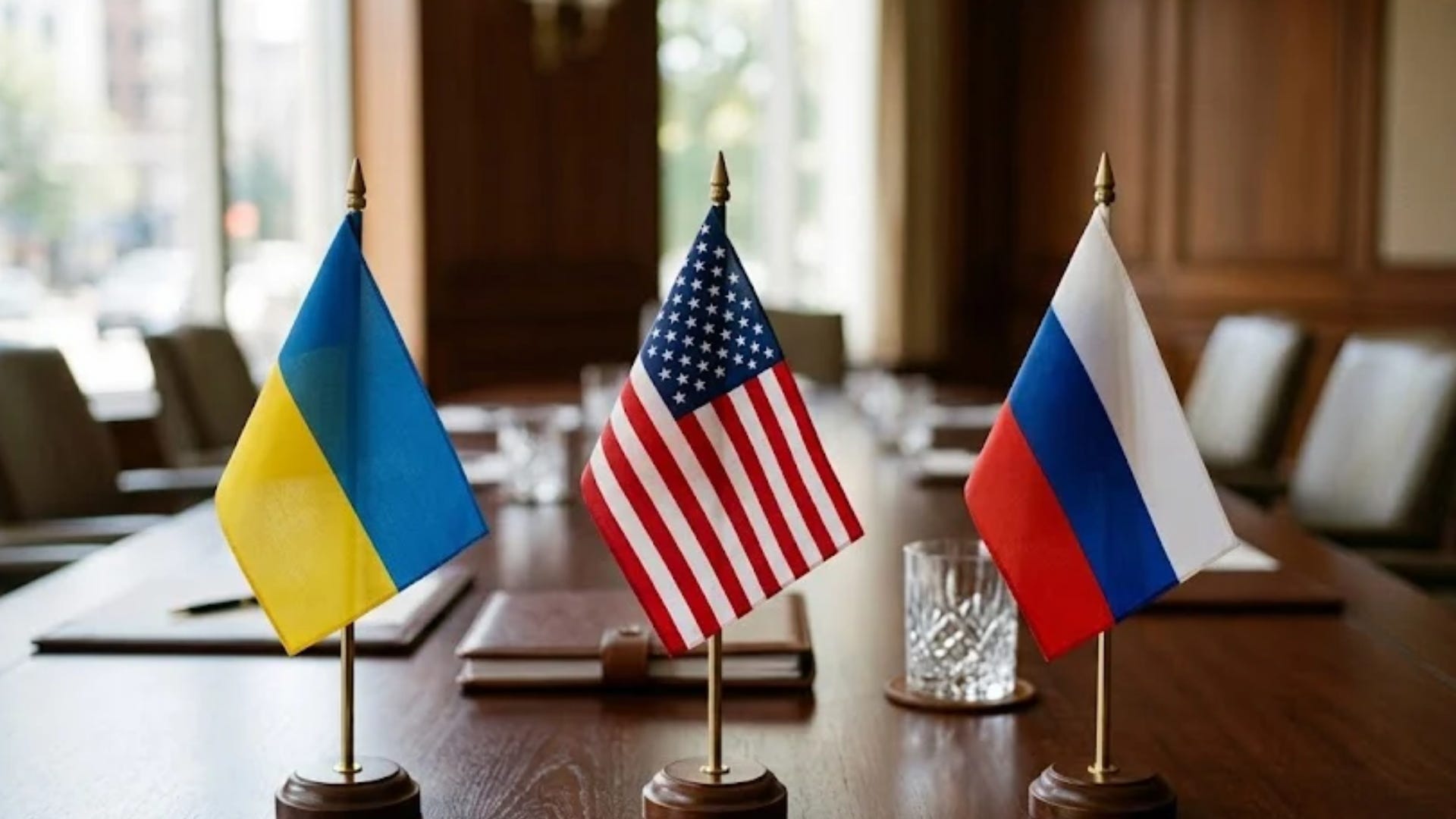
Ukraine’s next round of trilateral talks is planned for October. No date agreed. No venue confirmed. The territorial gaps that stopped the Geneva round in February are unchanged. Russia is advancing. Kushner says territorial demands are still the main obstacle. They were the main obstacle in January. Budanov said two words: ‘For October.’ Zelenskyy said eleven: ‘We expect the war to continue.’ The eleven are more honest than the two. I wrote this piece because the process deserves an honest accounting after nine months of producing nothing except the next planned round. Read it here
Seven months. Five Ledger pieces. Two Analysis pieces. A war that has arrived on a road in Gloucestershire and a succession crisis in Tehran that nobody will name. More than enough for the world to remind us why this publication exists.
Read. Think. React. No neutrality. No noise. Just argument. Until next Saturday.
Sunny Peter
Editor, DiploPolis.com