


Five Ledger pieces. Two analysis pieces. One of the busiest weeks in international affairs since the Iran war began in February. Kim Jong Un opened a bridge to China and called it infrastructure. Vucic’s party lost a Serbian election it had spent months rigging the conditions of. Three governments that have not agreed on a Security Council resolution since 2022 agreed on Viktor Orban for Secretary-General of the United Nations. Egypt’s parliament handed the army a legal mandate to deploy outside the country’s borders; the army has not moved. The Iran campaign is four days from losing the political constraint that has shaped every decision Washington has made since March. And Marco Rubio flew to Gujarat to ask Mukesh Ambani to process Venezuelan crude while the US trade deal with India sits stalled at 18% tariff. Seven stories. Here is what each one means.
The Ledger This Week
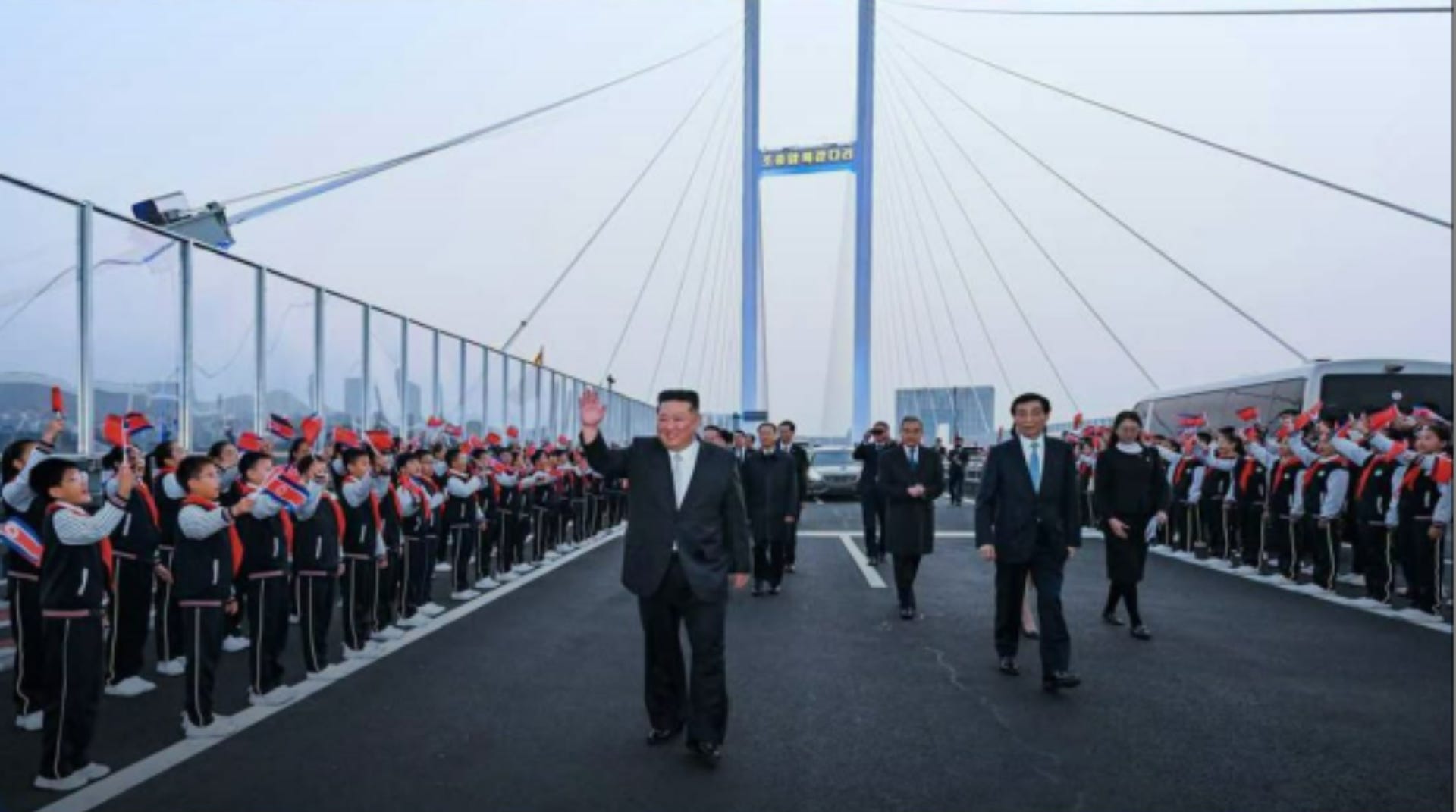
Kim Crossed the Bridge
The new Yalu crossing opened and nobody called it what it is: China formalising its investment in North Korean survival. The North does not build major infrastructure with Beijing’s money without Beijing’s approval, and Beijing does not approve without a calculation. Kim Jong Un arrived in Dandong for the opening ceremony. That is not a tourist visit. That is a statement about which direction Pyongyang’s next move goes. Read it here

The Canopy Fell in Novi Sad
Serbia’s ruling party lost. Not narrowly — it lost in a way that Vucic’s people had spent months engineering every possible mechanism to prevent. The student-led list won in the cities. The opposition held together for long enough to matter. I have watched too many Balkan elections end in disappointment to be confident this sticks. But something moved this week that has not moved in a long time. Read it here
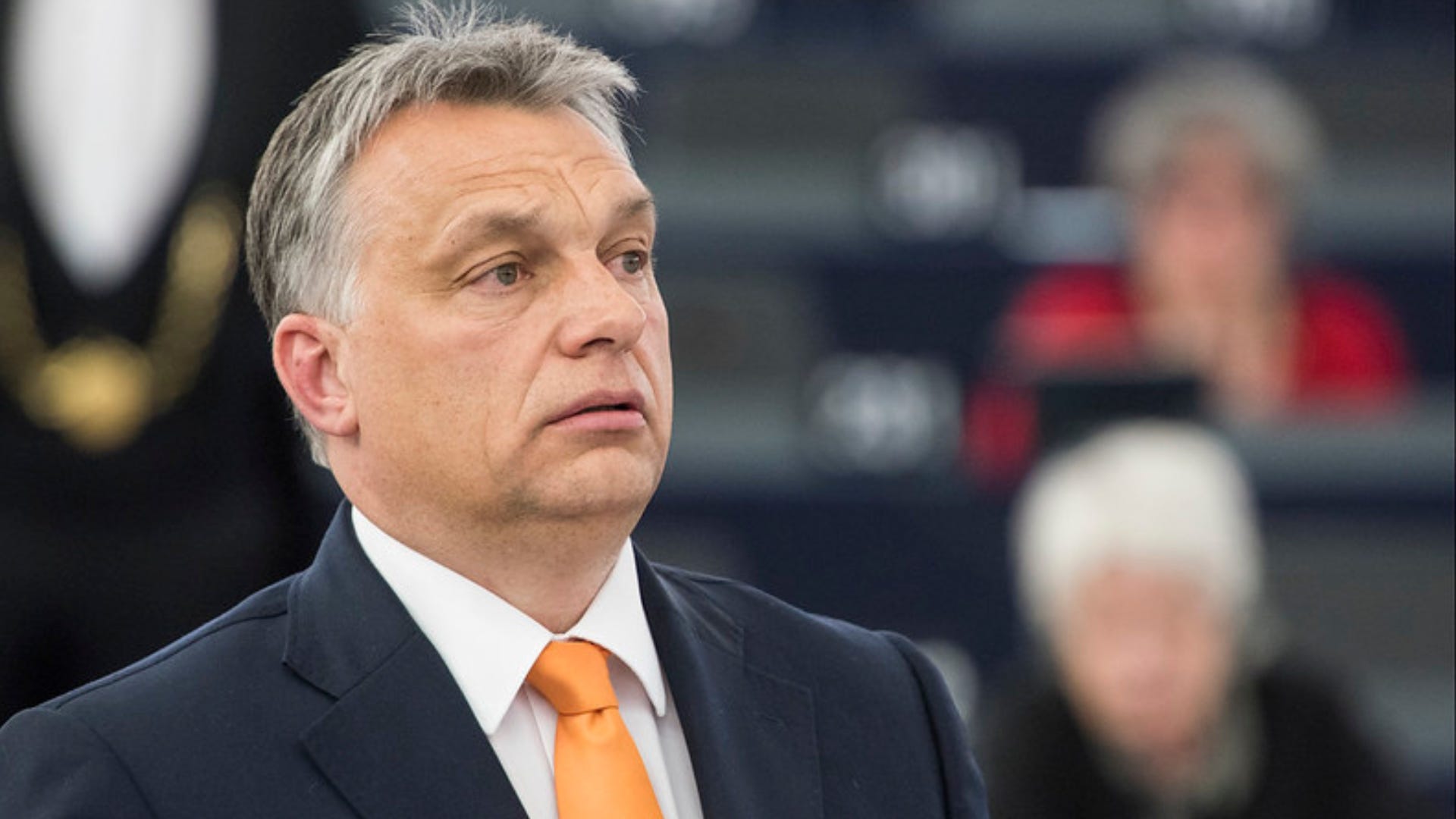
Orban Is Their Dream Candidate
Washington, Moscow and Beijing have agreed on almost nothing through the Security Council since 2022. They have apparently agreed on Viktor Orban for UN Secretary-General. I found this one clarifying rather than shocking. The story is not Orban. It is what the three governments backing him have found in common — and what they want from an institution that, for the rest of the world, still matters. Read it here
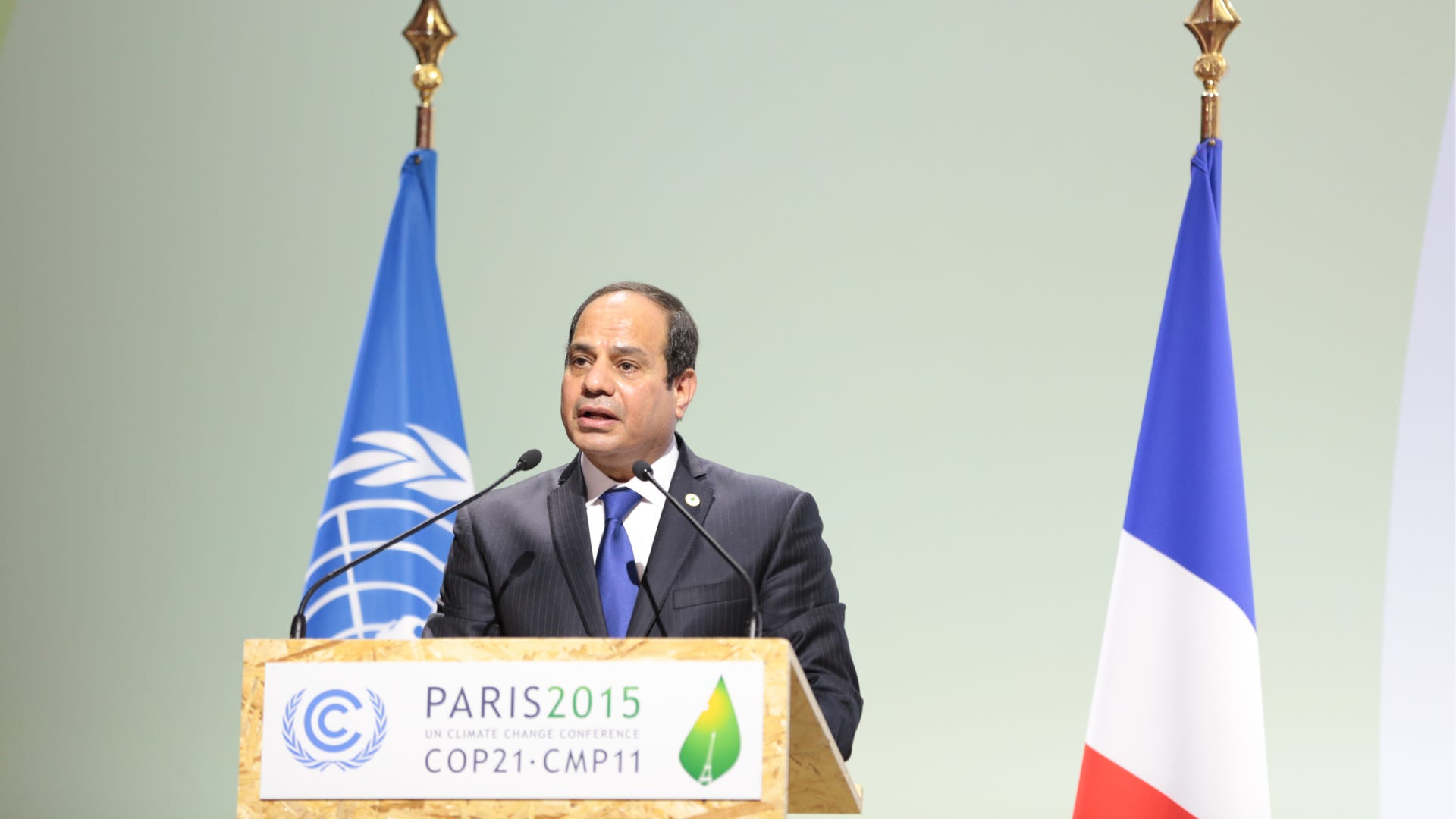
Egypt Authorised, Not Deployed
Cairo’s parliament gave the army legal clearance to operate outside Egypt’s borders. The Saudi-led coalition wanted boots, not a blank cheque. What Egypt gave them was a blank cheque without the boots. There is a long history of Arab states authorising military action that they never intend to take. This looked like that. Read it here

After November 3, No More Waiting
The Iran campaign has run on midterm logic since March. Strike enough, pause enough, claim enough — but do not end it before November 3. After Tuesday, that constraint lifts. What comes next is either a serious push for terms or an escalation that the Gulf states have been quietly preparing for and publicly opposing. Neither outcome is clean. Read it here
Analysis this week
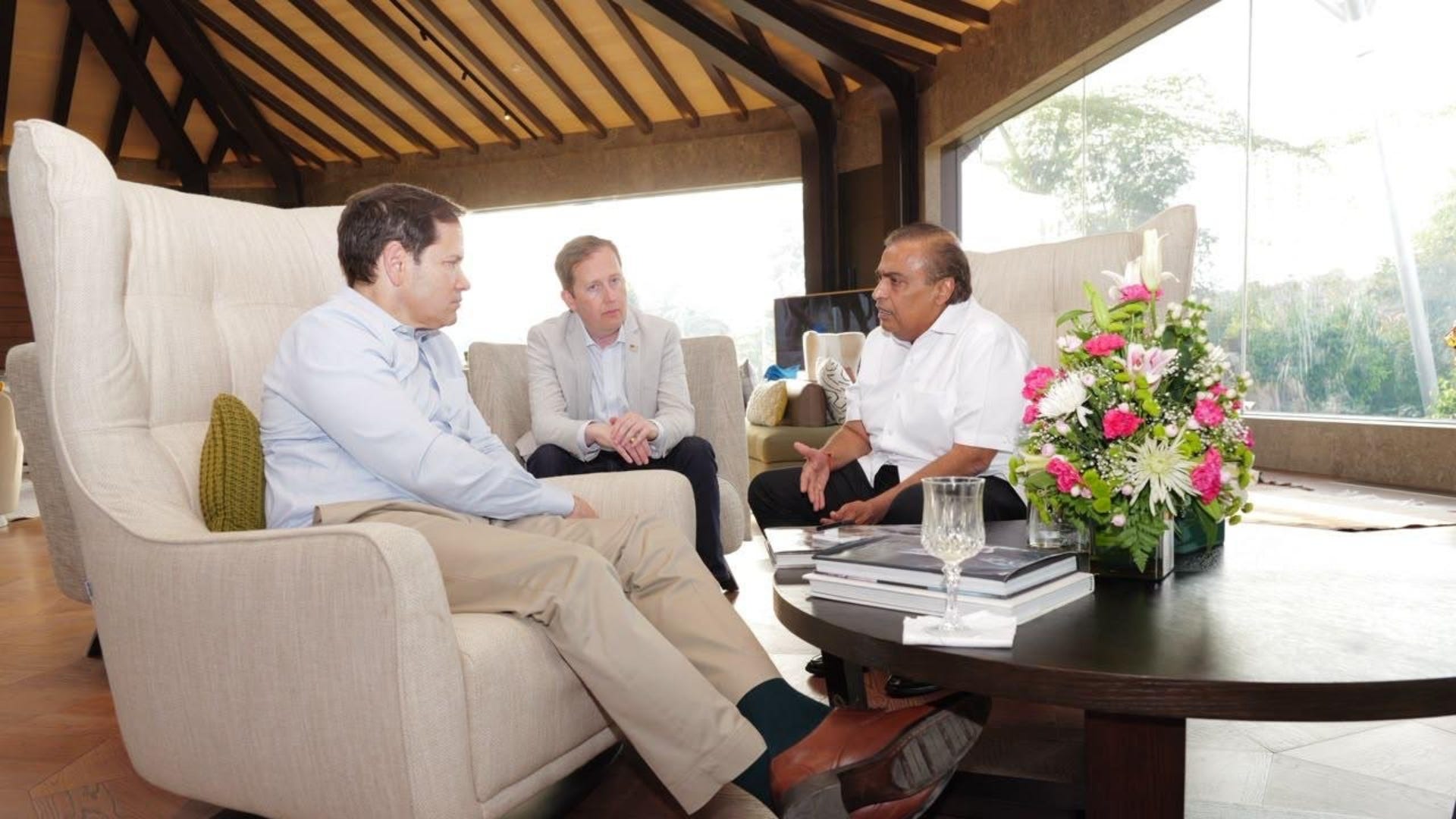
India’s Calculated Benefit
Rubio did not go to New Delhi. He went to Jamnagar and asked Mukesh Ambani to process more Venezuelan crude. India has been buying discounted Russian oil throughout the Iran war, declined every request to join a coalition or mediation channel, and received America’s Secretary of State at a refinery. That is not neutrality. It is the result of a strategy consistently executed. Read it here
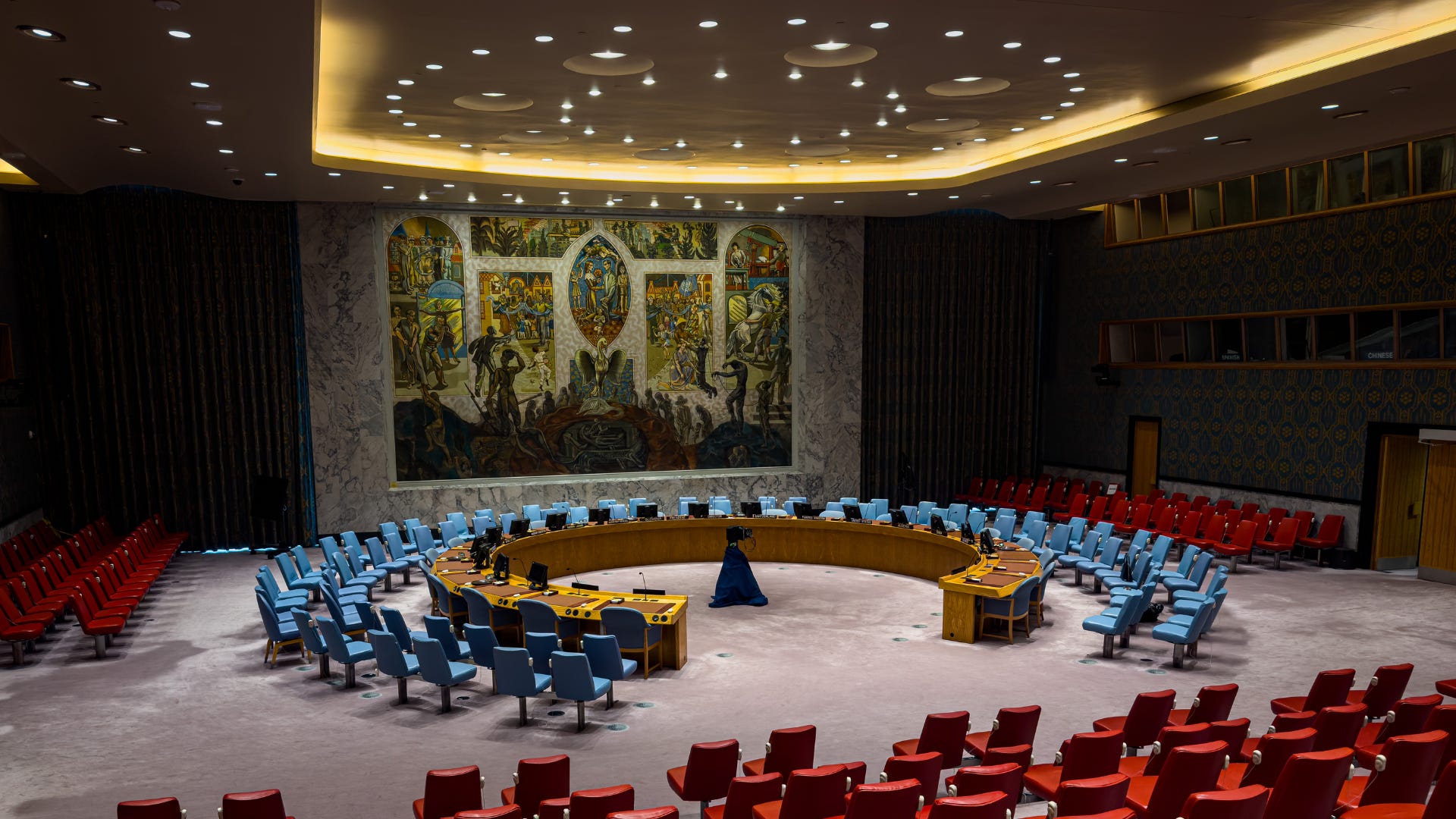
The Orban Doctrine
The consensus is the story, not the candidate. Three governments that have blocked each other in the Security Council for four years have found what they agree on: a Secretary-General who will not use the office’s moral authority against any of them. Read it here
It was a full week. The world did not disappoint — unfortunately.
Read. Think. React. No neutrality. No noise. Just argument. Until next Saturday.
Sunny Peter
Editor, DiploPolis.com