


On Friday morning, 2,983 names were read aloud at the 9/11 Memorial plaza in Lower Manhattan. The reading took most of the day. By Friday afternoon, the war that began with those 2,977 deaths was still running — 196 days old, six months and one week old, named Epic Fury and Southern Spear and a dozen other operational designations that will outlast the administration that coined them. Here is the week.
The Ledger This Week

‘Extremely Skeptical’
JD Vance told reporters he was extremely skeptical that the United States struck a wedding in Sirik on September 1. He said Iranian state media has not been a very good scribe. Reuters, the BBC, the Associated Press and the Guardian had all independently confirmed, using Western weapons experts and physical evidence, that a US munition struck the house where the wedding was taking place. None of them used Iranian state media as their primary source. Vance’s scepticism was expressed after their investigations were published. The death toll has risen to five, including Amir-Mohammad Karimi, four years old. The investigation is ongoing. Read it here
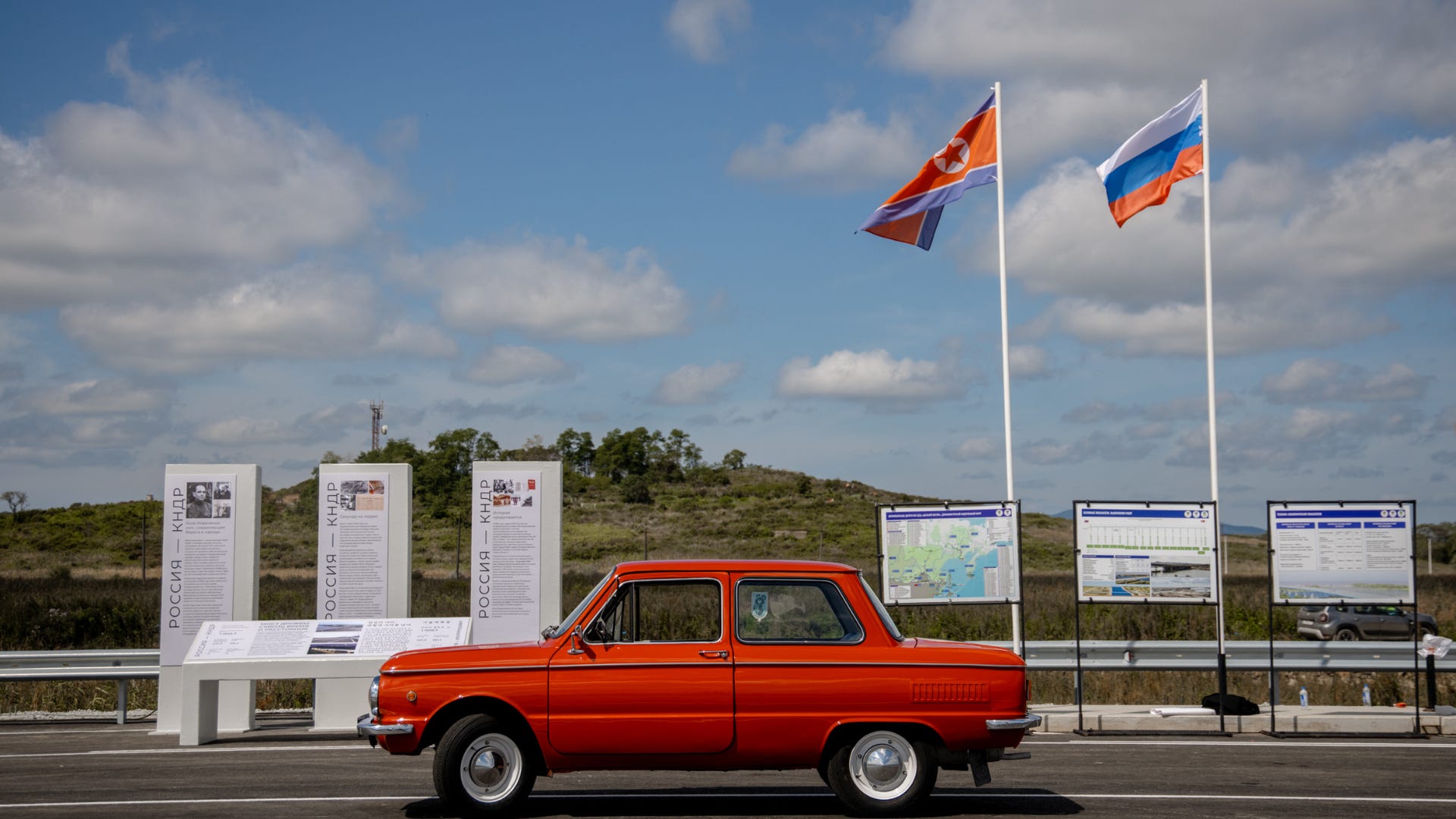
The Bridge Over the Tumen
Russia and North Korea opened the first road bridge across the Tumen River on Monday. North Korean trucks crossed first. The bridge is named after the Soviet officer who saved Kim Il-sung from a grenade in 1946. Mishustin noted, at the same ceremony, the Korean heroes who fought shoulder to shoulder with Russian soldiers. The world was watching the Strait of Hormuz. The bridge carries 300 vehicles a day. The gesture of reduced exercises — Trump’s diplomatic offering to Pyongyang — was words. The bridge is concrete and steel. Read it here
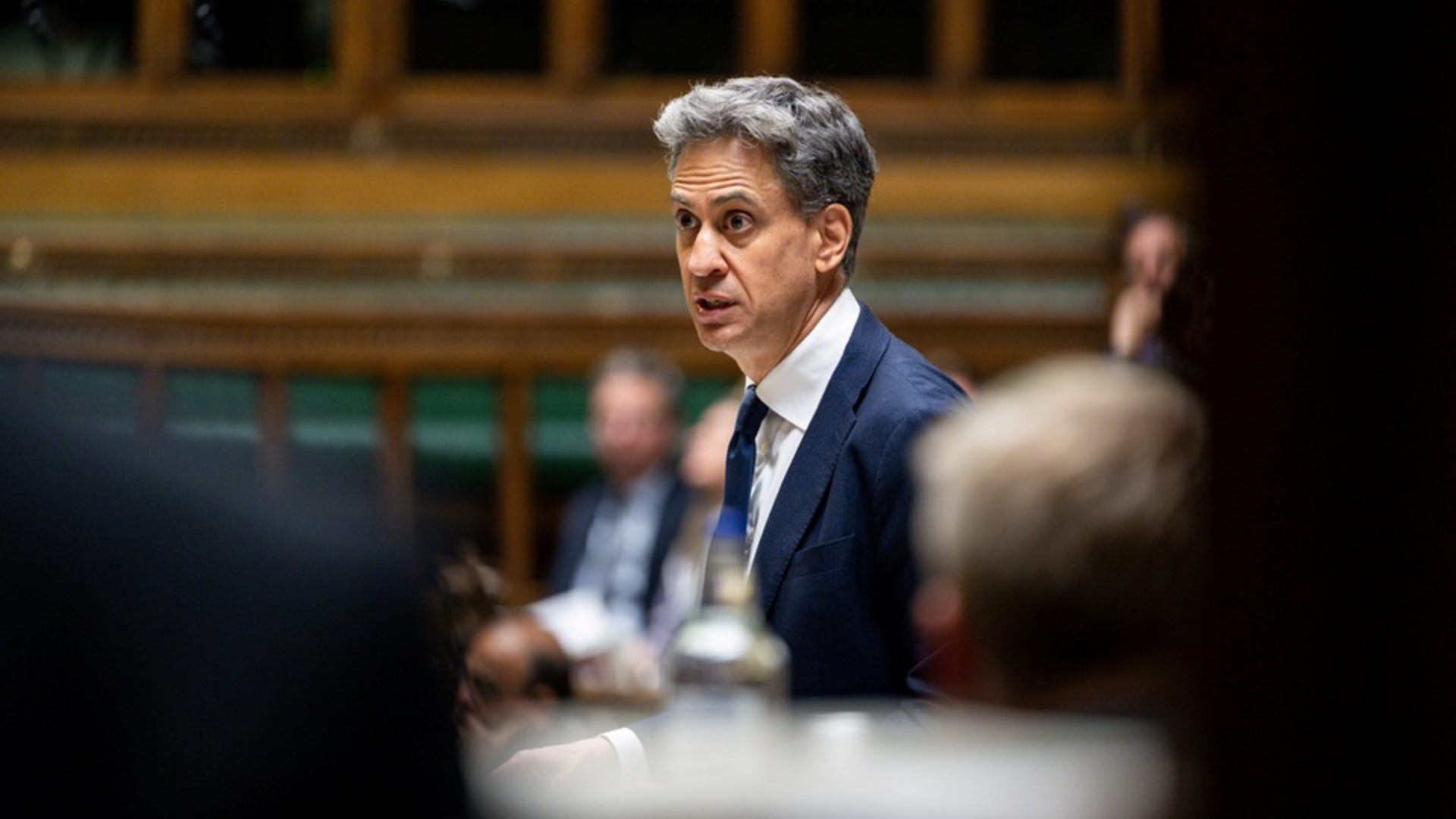
Burnham’s First Act. The Consulate Closed.
Ed Miliband stood in Parliament and said what no British foreign secretary had said before: the British government agrees there is ethnic cleansing of Palestinians in the West Bank, perpetrated by settler terrorists. Twelve countries coordinated. Settlement goods banned. Israel closed the British Consulate in Jerusalem — the one that serves Palestinians — in response. Ben-Gvir suggested Netanyahu recognise Argentina’s claim to the Falkland Islands as a counter-measure. The G7 that watched the Iran war from the sidelines has found its first coordinated position on the conflict. It is not about Iran. It is about the West Bank. The word was ethnic cleansing. The consulate was the price of saying it. Read it here
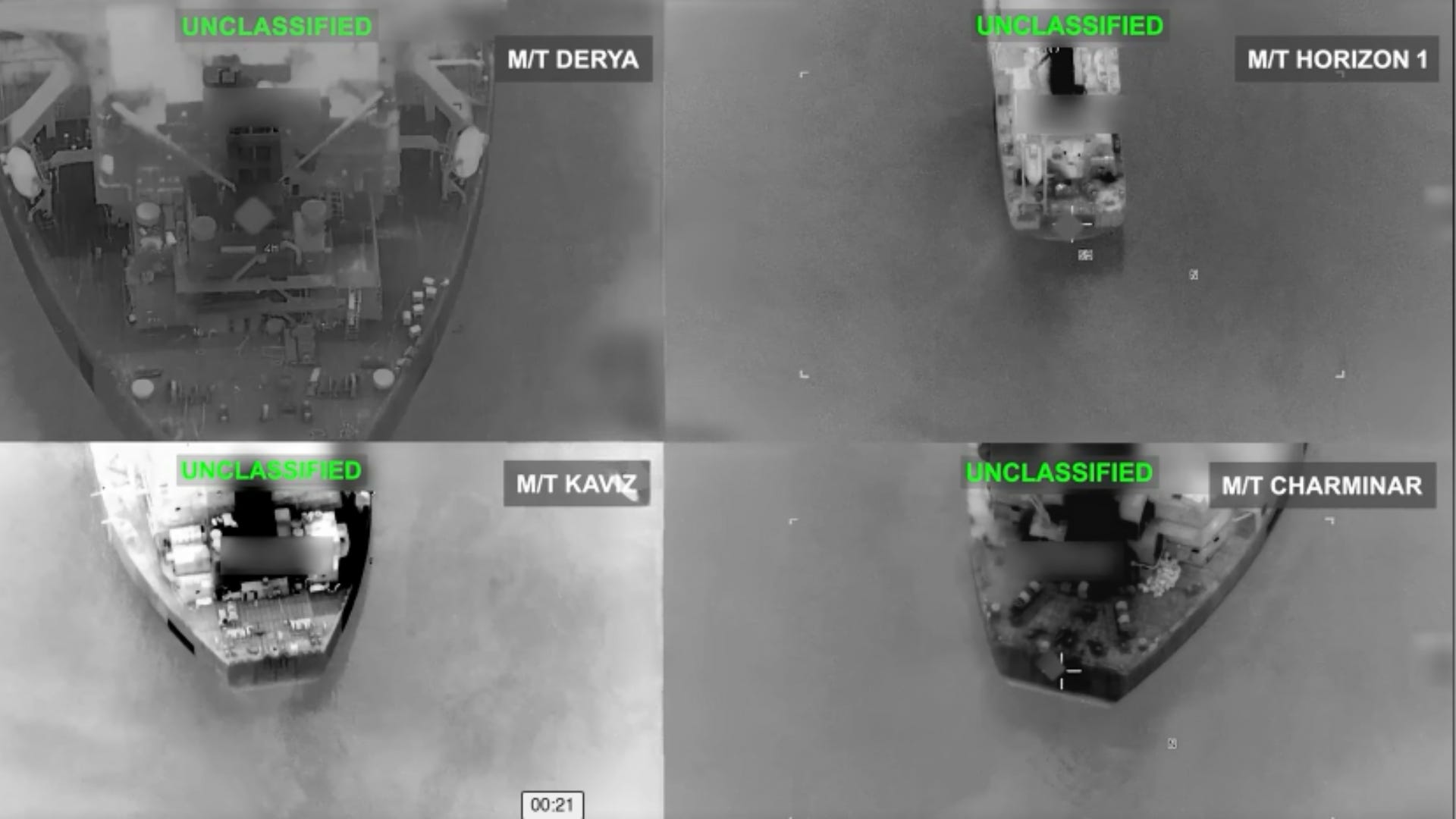
Five Tankers. The War Is Back.
Their names: Kaviz, Charminar, Horizon 1, Riesco, Derya. Five Iranian oil tankers struck and destroyed by CENTCOM on September 8 — the largest single day of Iranian tanker losses since the war began. Iran struck 18 missiles into Jordan. Jordan intercepted them all. Iran captured a US underwater drone and broadcast it on state television. Iran announced a maritime restricted zone extending from Chabahar into the Gulf of Oman. The war is not contracting. It is expanding its geography. Their names are the only specific facts that cannot be disputed by either side. Read it here
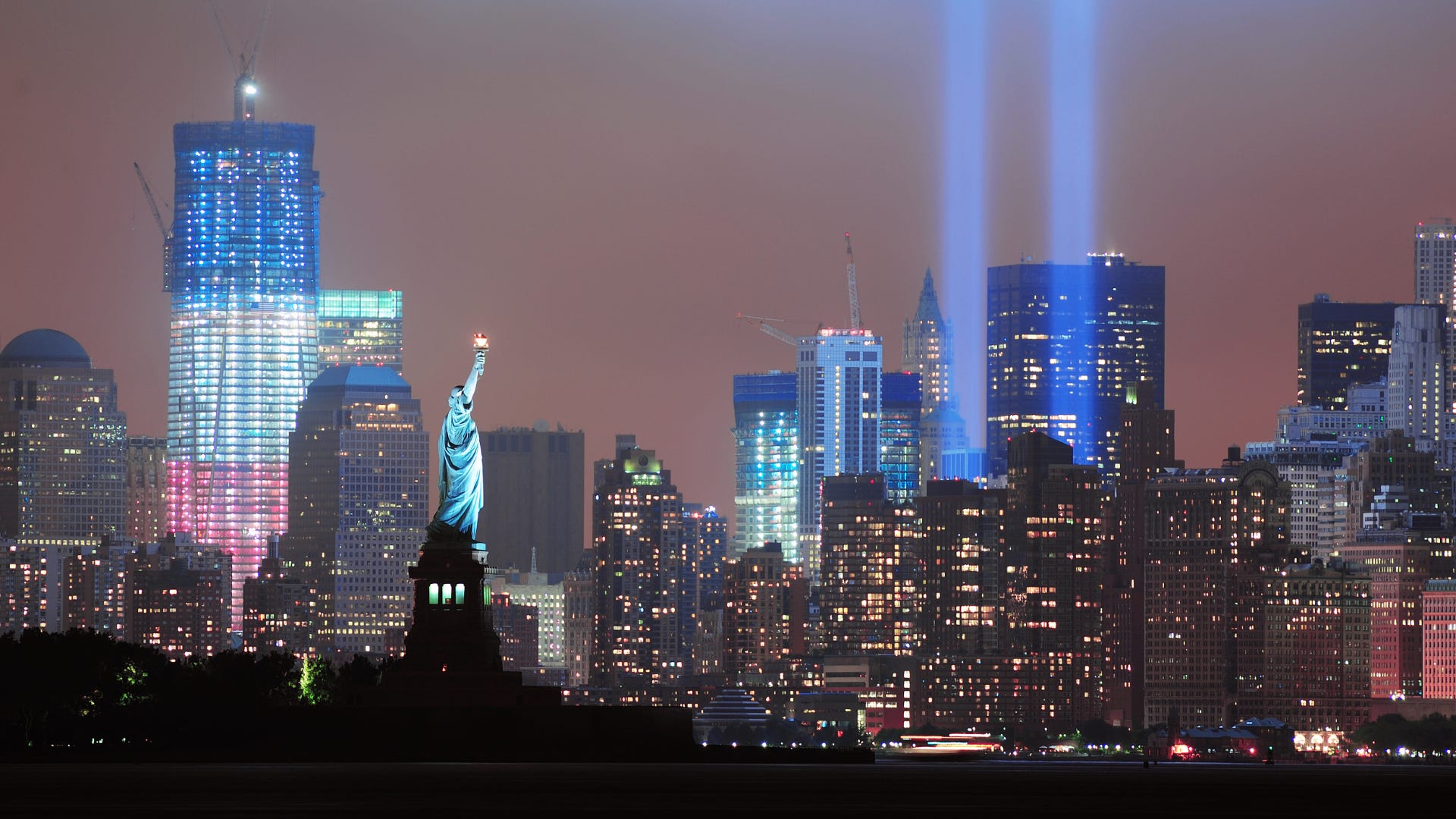
Twenty-Five Years. Still at War.
On Friday, 2,983 names were read aloud at Ground Zero. The same morning, the US was 196 days into a war in the same region as the one those 2,977 deaths started. The Afghanistan the US left is governed by the Taliban it spent 20 years fighting. The Iraq rebuilt at $2 trillion produced ISIS. The Iran that went to the table in 2015 was abandoned in 2018 and went to war in 2026 with a Supreme Leader US intelligence now assesses as more inclined to seek nuclear weapons. The sacred cause of freedom has been defended for 25 years. The cause is not substantially closer. All of them are in the same sentence: the sentence that begins with September 11, 2001 and has not ended. Read it here
Analysis This Week
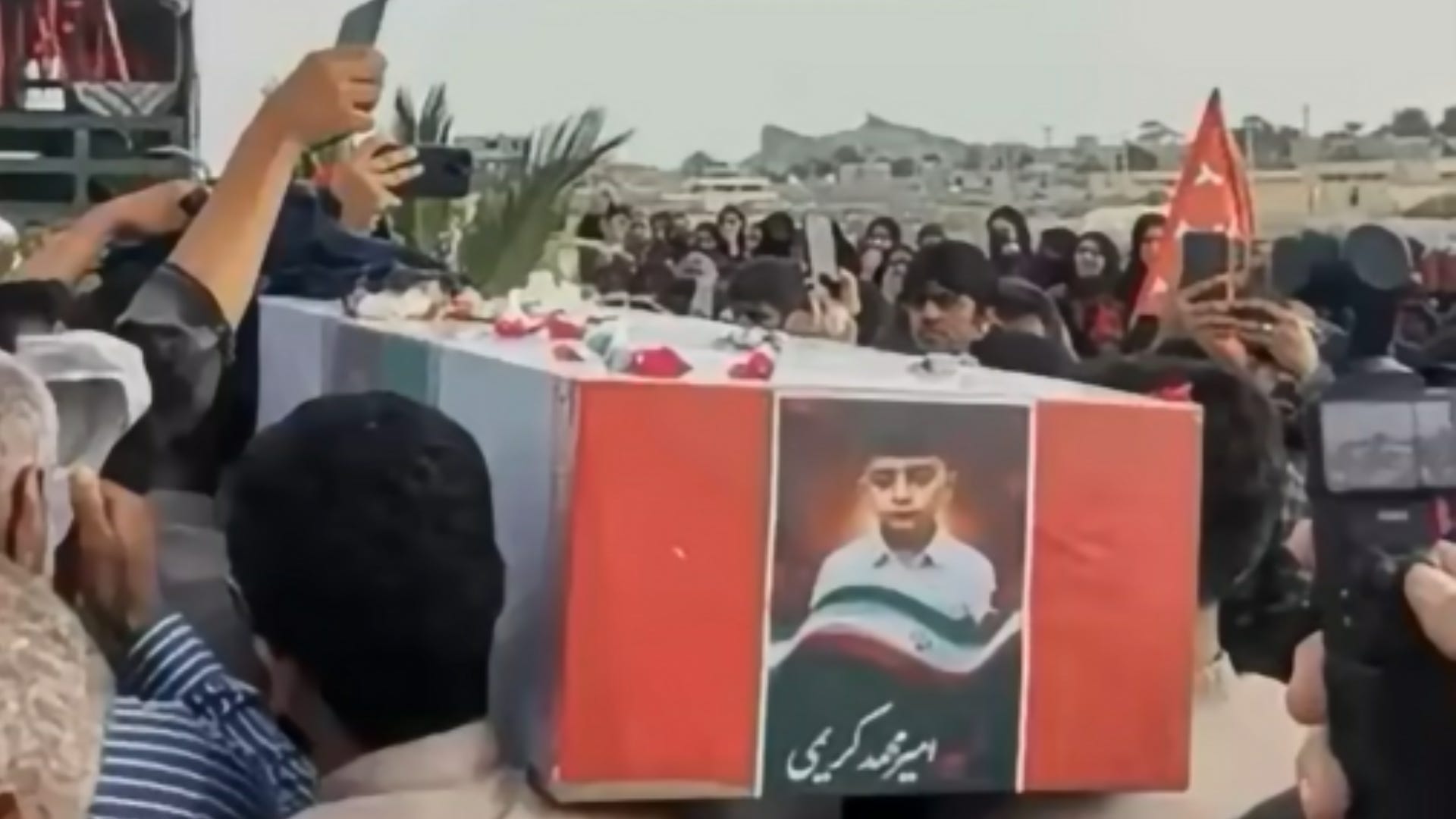
Amir-Mohammad Was Four
The analysis piece does what the Ledger piece could not do at 580 words: it names the pattern the Kuhestak wedding belongs to. At least eight US attacks on wedding parties between 2001 and 2013 — Afghanistan, Iraq, Yemen. Each followed the same sequence: state media reported civilian casualties; US officials expressed scepticism; independent investigators confirmed US munitions; an investigation was announced; the investigation produced no accountability; the pattern repeated. The Kuhestak wedding is the latest iteration. Amir-Mohammad Karimi was four years old. He is a specific child with a specific name, killed at a specific celebration, by a specific weapon that specific experts have specifically identified. The gap between those specifics and the vice president’s doubt is the precise measurement of what accountability looks like when power has no interest in it. Read it here
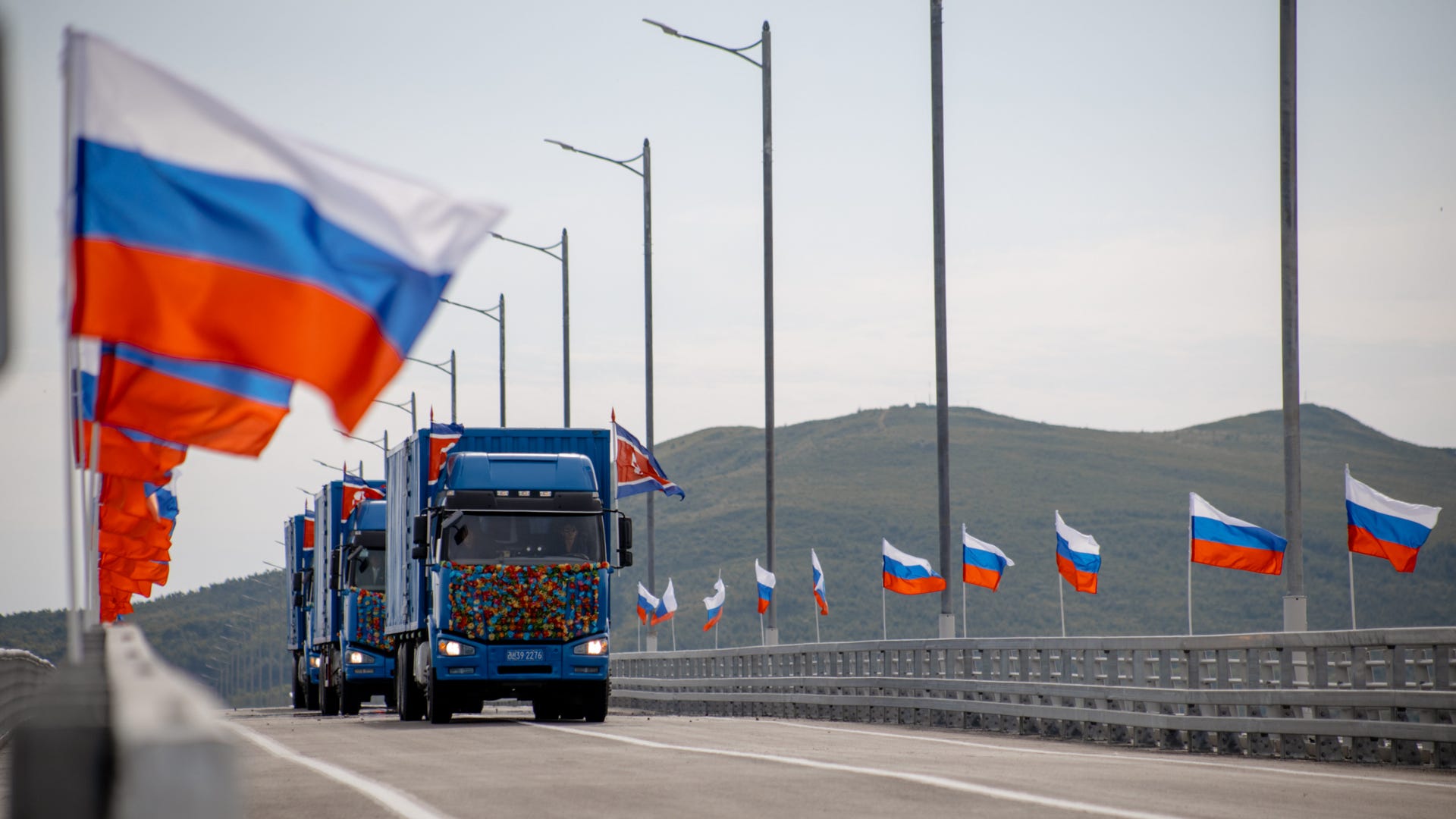
One Kilometre Across the Tumen
The bridge is one kilometre long. Behind it: 12,000 North Korean troops who fought in Russia’s war in Ukraine, a mutual defence pact signed in June 2024, a secret Russian programme to develop Iranian supersonic cruise missiles, a new North Korean destroyer commissioned the same week with Kim’s daughter present on the red carpet, and a US deterrence architecture that has been reduced — through exercise concessions and diplomatic overtures — to something considerably less than what it was. The bridge is not primarily a trade corridor. It is the infrastructure of an alliance built consistently and deliberately over four years. The Iran war’s most consequential lesson about nuclear deterrence is being acted on by the leader who named it. Read it here
The week of the 25th anniversary. The sentence that began on September 11, 2001 produced: a four-year-old at a wedding in Kuhestak, a road bridge over the Tumen, five tankers burning on the Strait, 12 countries saying ethnic cleansing, 2,983 names read aloud at Ground Zero while the war ran its 196th day. The world did not disappoint — unfortunately.
Read. Think. React. No neutrality. No noise. Just argument. Until next Saturday.
Sunny Peter
Editor, DiploPolis.com