


203 days. UNGA week. The diplomatic track runs through New York. The accountability track runs through Geneva. The military track runs through the Strait of Hormuz, the Khamis Mushait airbase and an embassy meeting room in Oman where the ambassador did not attend. Here is the week.
The Ledger This Week

243 People. The Ferry Left Surabaya.
At approximately 2 in the morning on Sunday September 13, the captain of the Virgo Transport 8 made his last communication. He reported the ship was listing badly in rough seas. Then the radio went quiet. By Sunday afternoon, rescuers had pulled 108 people from the water around an overturned hull. Six were dead. 129 were missing. The ferry was 37 years old. Passengers were sleeping in hallways. 89 vehicles were on board. The overnight crossing between two islands — the most ordinary journey in the most island-dense country on earth — had produced one of its recurring disasters. The investigation had not yet begun. The search had not yet ended. Read it here
The Watchdog Confirmed It
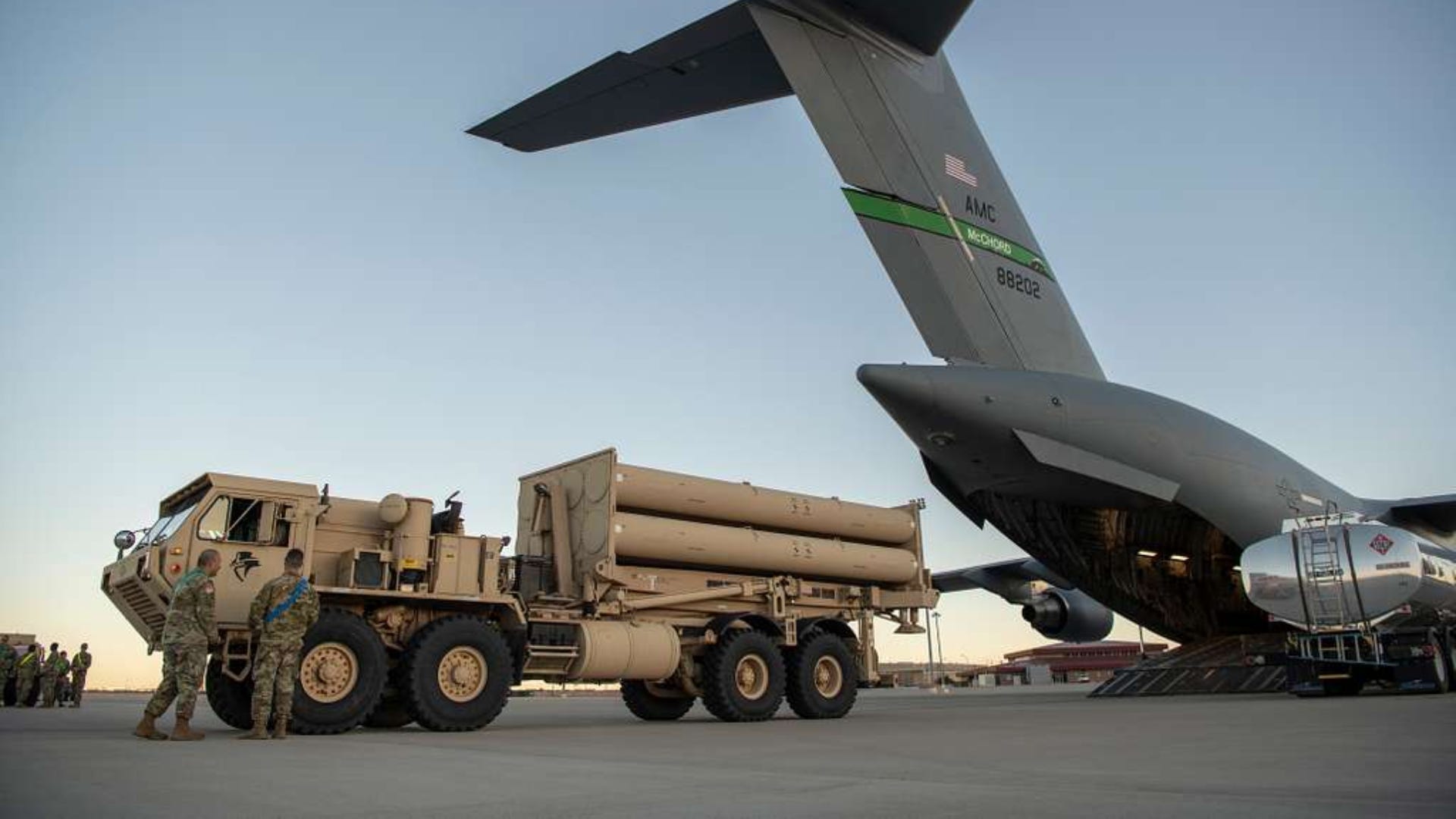
The Pentagon Inspector General released its first report on the Iran war on Monday September 14. Findings: munitions stockpile depletion confirmed. Hundreds of structures at US bases damaged confirmed. War cost estimated at $33.4 billion through June 30 alone — $22.3 billion in expended munitions. Hegseth told Congress in July the inventories were in very good shape. Trump called reports of shortfalls treasonous. The IG confirmed what DiploPolis reported in August and what the administration denied until Monday. The report will not be cited by the administration. It is the record. Read it here
The Houthis Struck Saudi Arabia. Saudi Arabia Postponed the Talks.
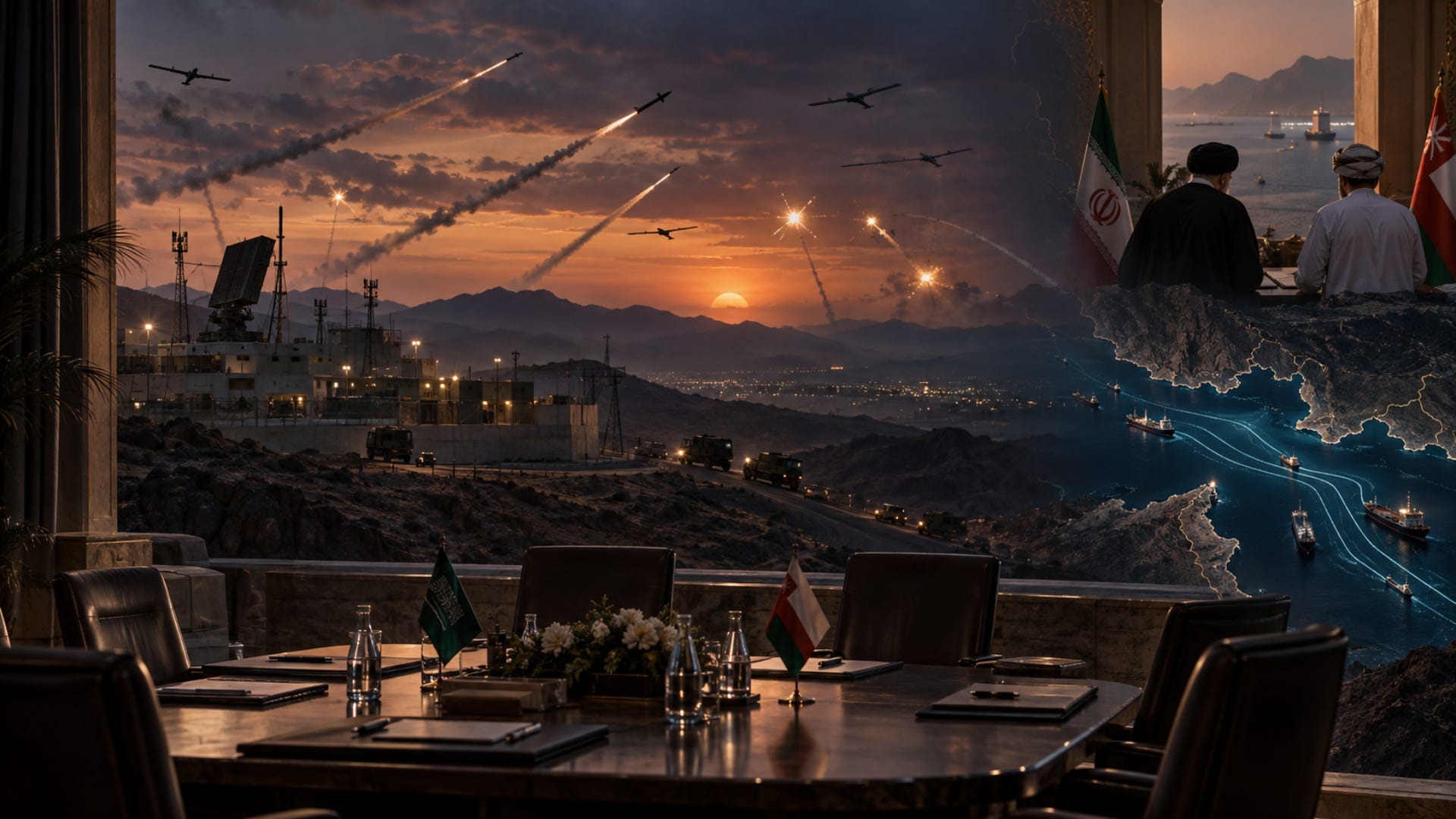
On Monday September 14: Houthis fired dozens of missiles and drones at a military airbase in Khamis Mushait. Saudi Arabia demanded the Iran-Gulf reconciliation meeting be postponed. Iran and Oman confirmed a Hormuz deal had been finalised. All three on the same day. The de-escalation Saudi Arabia wants and the escalation the Houthis are providing ran simultaneously. The country Trump threatened to blow up in May for trying to mediate has produced the most significant Hormuz framework of the war. The talks were postponed for the time being. The missiles landed. The deal was done. Read it here
The Embassy in Oman. The Houthi Representative.
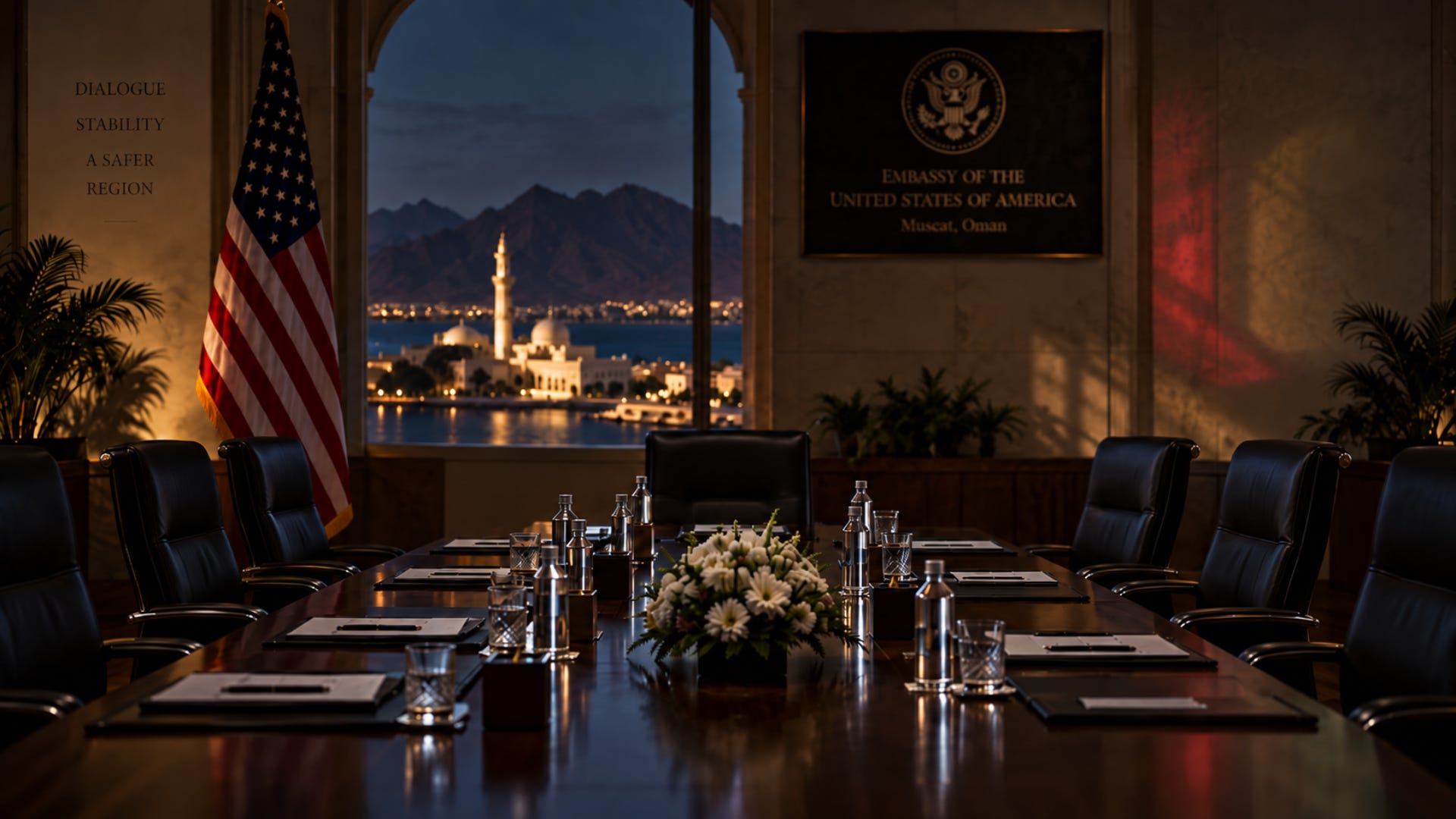
Over the weekend, US diplomats met Houthi representatives at the US embassy in Oman. The ambassador did not attend. Axios confirmed it on Tuesday. Trump told reporters he had heard from Iran directly — without elaborating. Direct US-Iran communication has not been publicly confirmed at any point in the 203-day war. All previous contact has been mediated. The formal diplomatic track is at the UN General Assembly this week. The actual diplomacy is in Oman, in a press conference without elaboration, in an embassy meeting room where the ambassador did not attend. Read it here
Reasonable Grounds
On Thursday, the International Fact-Finding Mission on Iran told the UN Human Rights Council that it had found reasonable grounds to believe the United States was behind two military strikes on a school and a sports facility in February, and that these strikes constituted war crimes. The Mission also found Iran committed crimes against humanity in its crackdown on protesters. The ICC that would examine this evidence is being dismantled. The IG confirmed the munitions depletion. The IFFM confirmed the war crimes threshold. The findings accumulate. The mechanisms to act on them do not. The evidence is confirmed. The standard is met. The court is gone. Read it here
Analysis This Week
Deep Concern
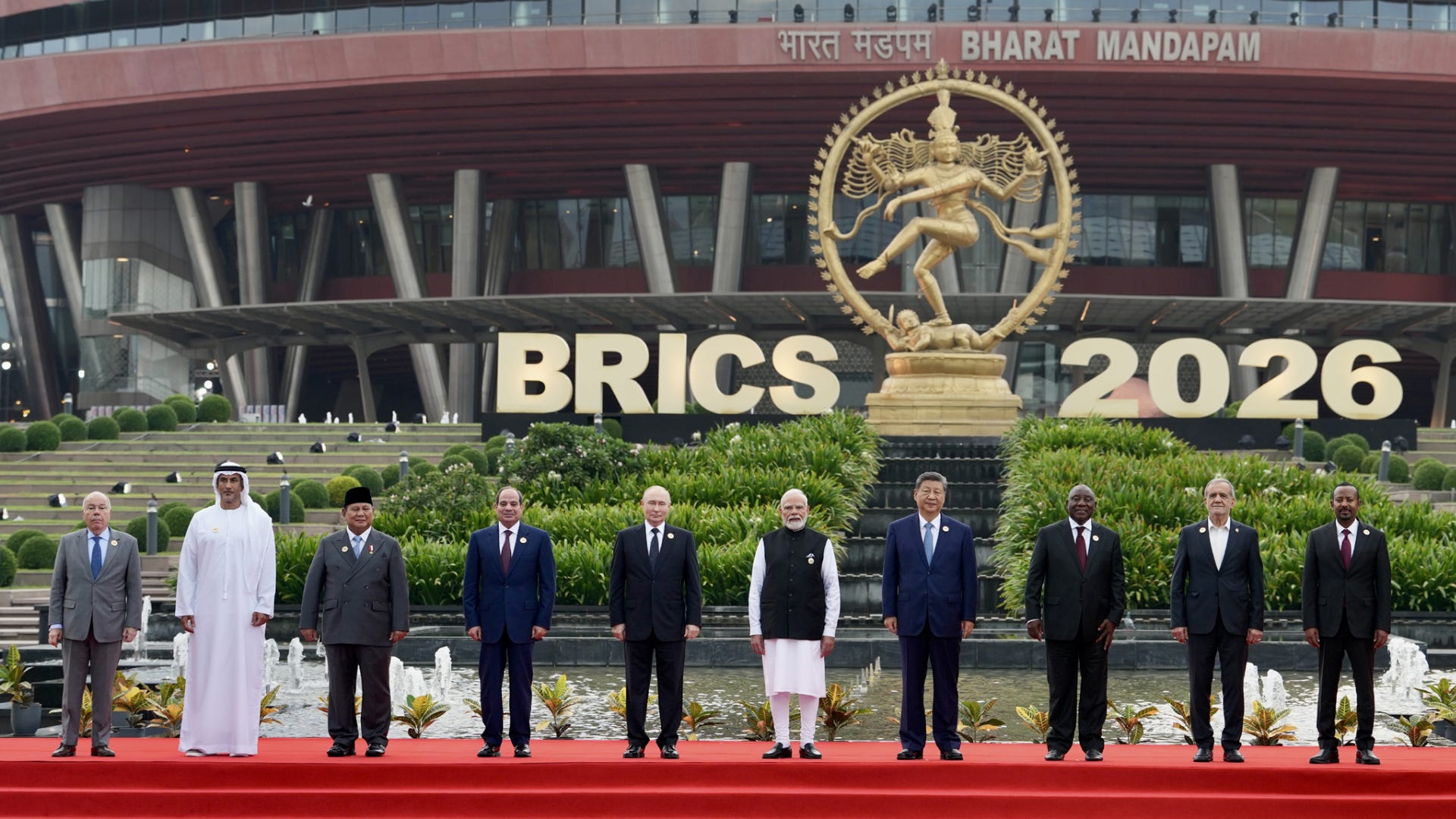
Negotiations at Bharat Mandapam ran until four in the morning. The New Delhi Declaration was adopted unanimously by ten BRICS members covering 41 per cent of global GDP. Its West Asia language: deep concern, maximum restraint, no named actors, no war mentioned. India authored it. Eleven days earlier, India had signed the SCO declaration in Kyrgyzstan condemning US-Israeli military action as a violation of international law. The 2025 BRICS declaration under Brazil had condemned the strikes directly. India’s 2026 declaration drops Ukraine for the first time since 2022 and offers Iran nothing stronger than concern. What a chair writes differs from what a signatory signs. The negotiations ran until four in the morning. The outcome deserved the sleep it cost. Read it here
Phase One Is Done
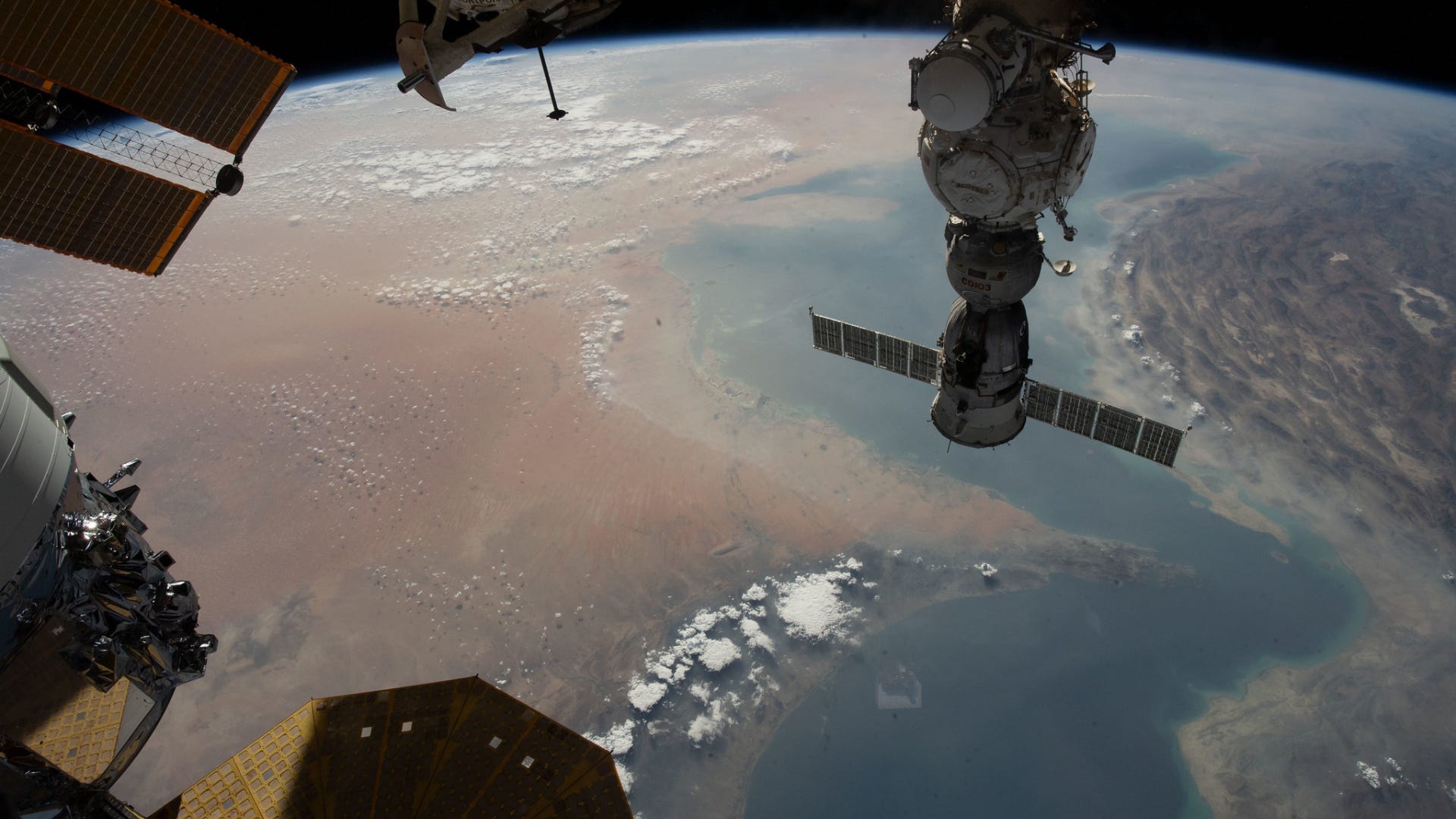
On September 15, Vance told the New York Post: ‘There are really two phases to this thing, and the first phase is done.’ Phase one was to destroy Iran’s nuclear programme, conventional military and ability to project power. The same week: CSIS published satellite imagery showing more construction activity at Iran’s Pickaxe Mountain underground nuclear facility in 2026 than any previous year in its history. Iran-linked drones struck Saudi Arabia’s East-West oil pipeline three days before Vance spoke. Iran’s proxy network continues to operate in Lebanon, Iraq and Yemen. The midterm elections are nine weeks away. Phase one is complete in the sense that the administration has declared it complete. The mountain does not appear to have received the declaration. Read it here
203 days. The IG confirmed the stockpiles are depleted. The IFFM confirmed reasonable grounds for war crimes. The BRICS chair produced deep concern. Vance declared phase one done while Iran’s most protected nuclear facility reached peak construction. The Houthis struck Khamis Mushait while Saudi Arabia was trying to get to the table. US diplomats met the Houthis in an embassy in the country the US threatened to blow up. A ferry carrying 243 people capsized in the Java Sea. The world did not disappoint — unfortunately.
Read. Think. React. No neutrality. No noise. Just argument. Until next Saturday.
Sunny Peter
Editor, DiploPolis.com