


211 days. UNGA week. The most consequential week at the United Nations since the end of the Cold War produced no resolution, no mandate, no order and no obligation. Here is what it produced instead.
The Ledger This Week
China. Tehran. Washington. Same Week.
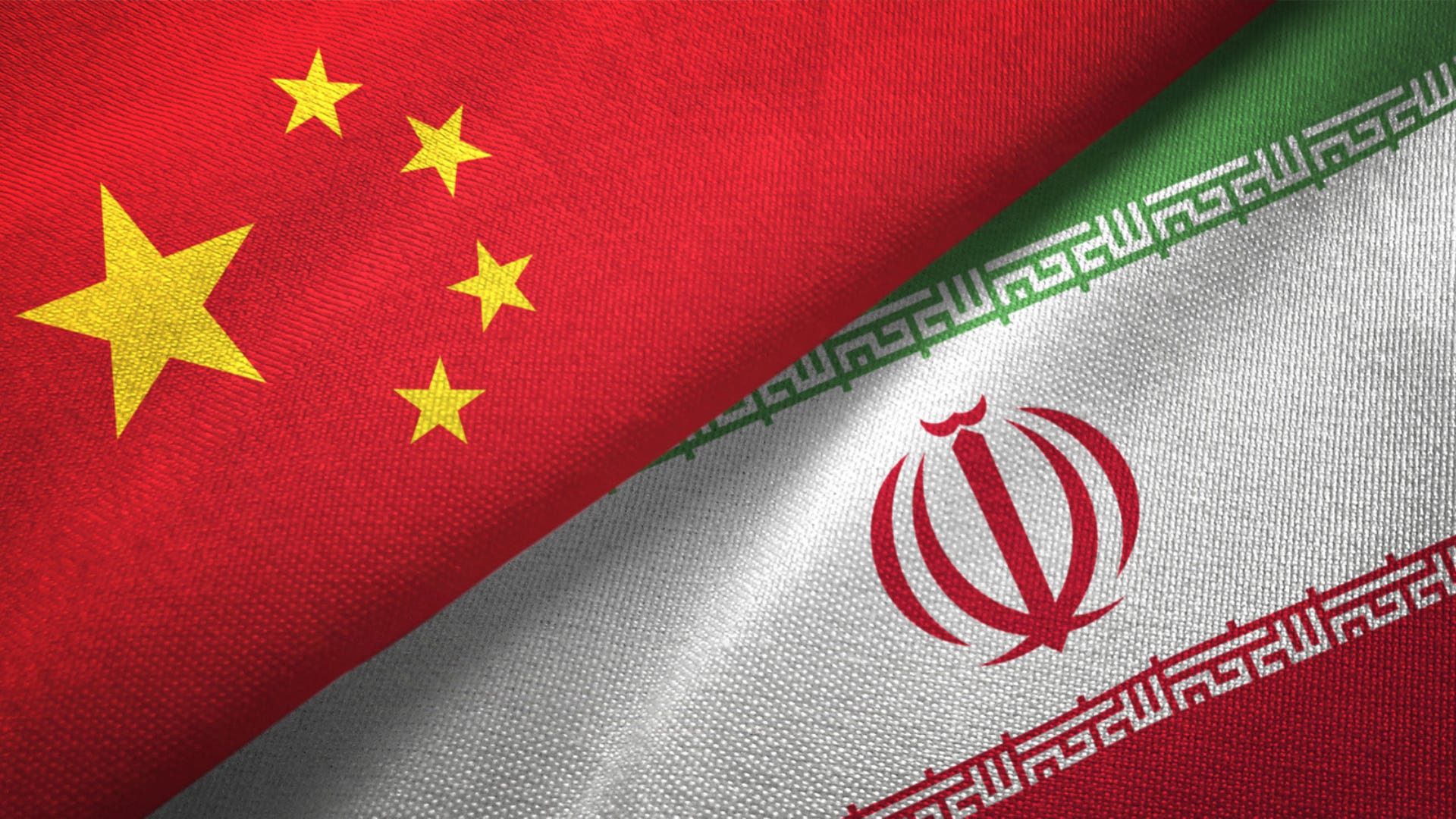
The week before Xi arrived, China’s Foreign Minister Wang Yi met Iran’s Foreign Minister Araghchi in Beijing and offered to play a constructive role in resolving the conflict. The same week, Senator Elissa Slotkin wrote to Trump urging him to tell Xi that Chinese companies helping Iran target American troops must stop immediately. The same week, Saudi Aramco told European customers they would receive no crude oil next month — the Saudi East-West pipeline, struck by an Iraqi drone on September 11, is still closed. China is simultaneously providing the military capacity that keeps Iran fighting and offering the diplomatic framework that might end the fight. Both offers were made in the same week. None of these are separate stories. They are the same story told from four different locations. Read it here
Abbas Was Denied. Pezeshkian Was Allowed In.
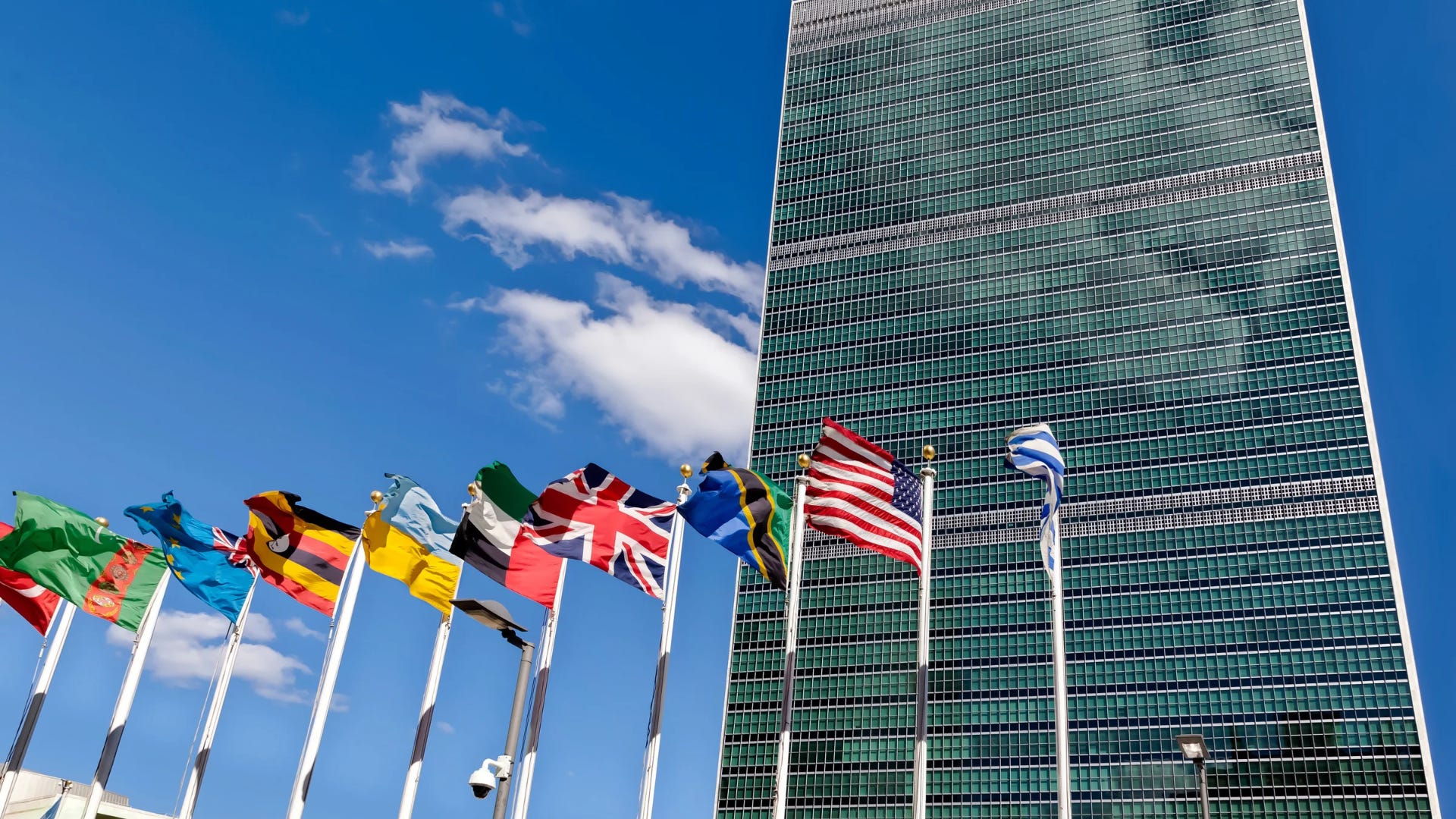
The Trump administration denied Mahmoud Abbas a visa to the United Nations General Assembly for the second consecutive year. It approved visas for Iran’s president, foreign minister and delegation. Abbas addressed the chamber via pre-recorded video. Pezeshkian walked into the building. The logic is not contradictory from within the administration’s framework — the 1947 headquarters agreement requires access for UNGA delegates, and Abbas does not have the same legal protection. But the practical effect is precise: the Palestinian president who has renounced violence and recognised Israel’s right to exist cannot enter the country that is simultaneously at war with Iran’s president, who can. The host country of the world body decides who attends. Read it here
Ukraine Struck Moscow. Trump Said There Was a Truce.
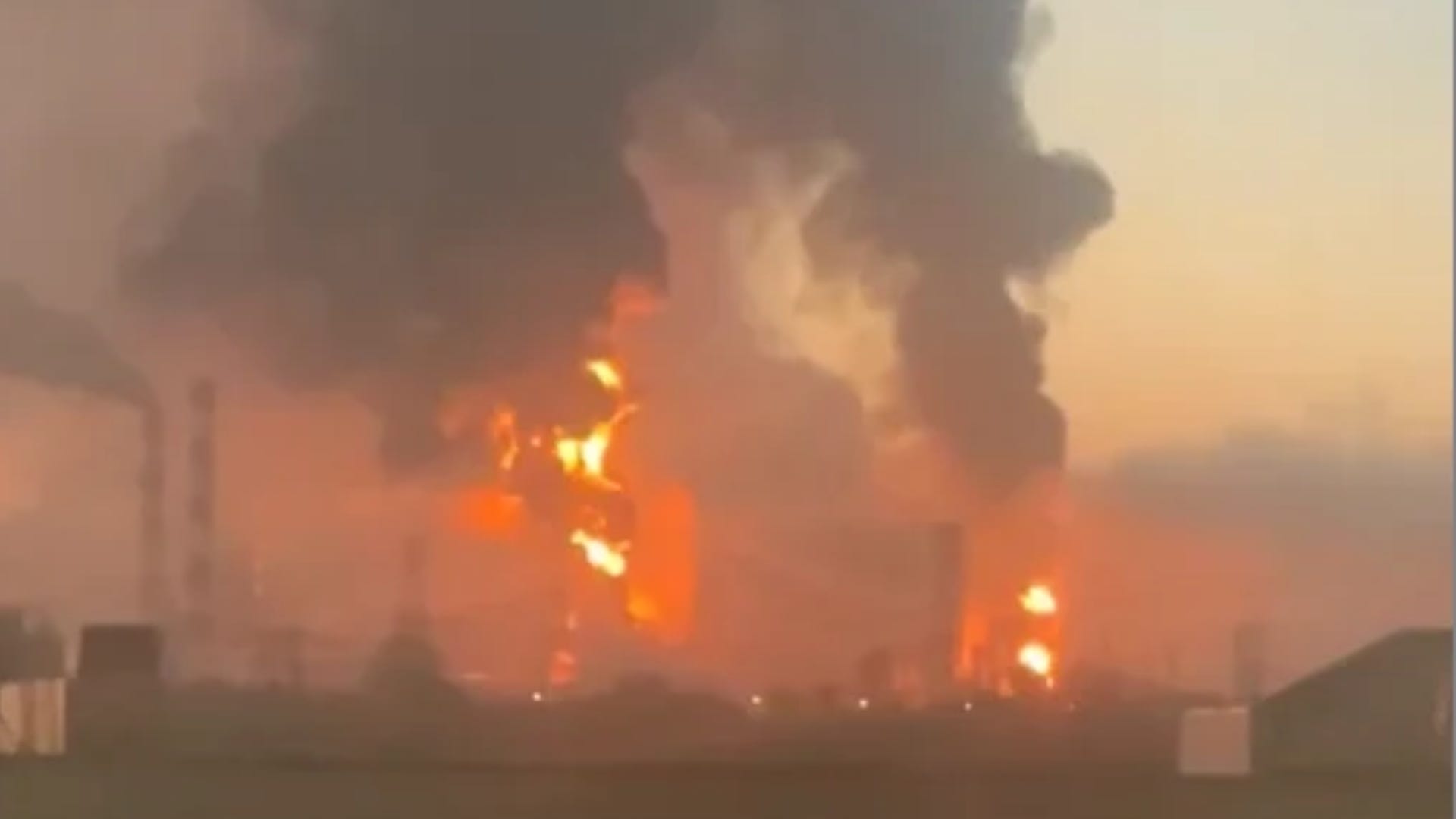
On the night of September 19 to 20, Ukraine launched its largest drone attack on Moscow since the full-scale war began. The Moscow Oil Refinery in Kapotnya — 230,000 barrels per day, 40 per cent of Moscow’s fuel market — halted crude processing after both primary distillation units caught fire. Fuel was no longer offered for sale on the St Petersburg Exchange from September 21. Trump had announced an energy truce six days earlier. Ukraine struck Moscow’s largest oil refinery the same day Trump called Zelensky to express concern about drone strikes driving up global diesel prices. The call about the refinery strikes happened on the same day as the largest refinery strike of the war. The smoke was visible across Moscow. Read it here
Xi Arrived. Cannons Fired. Bombers Flew Over.
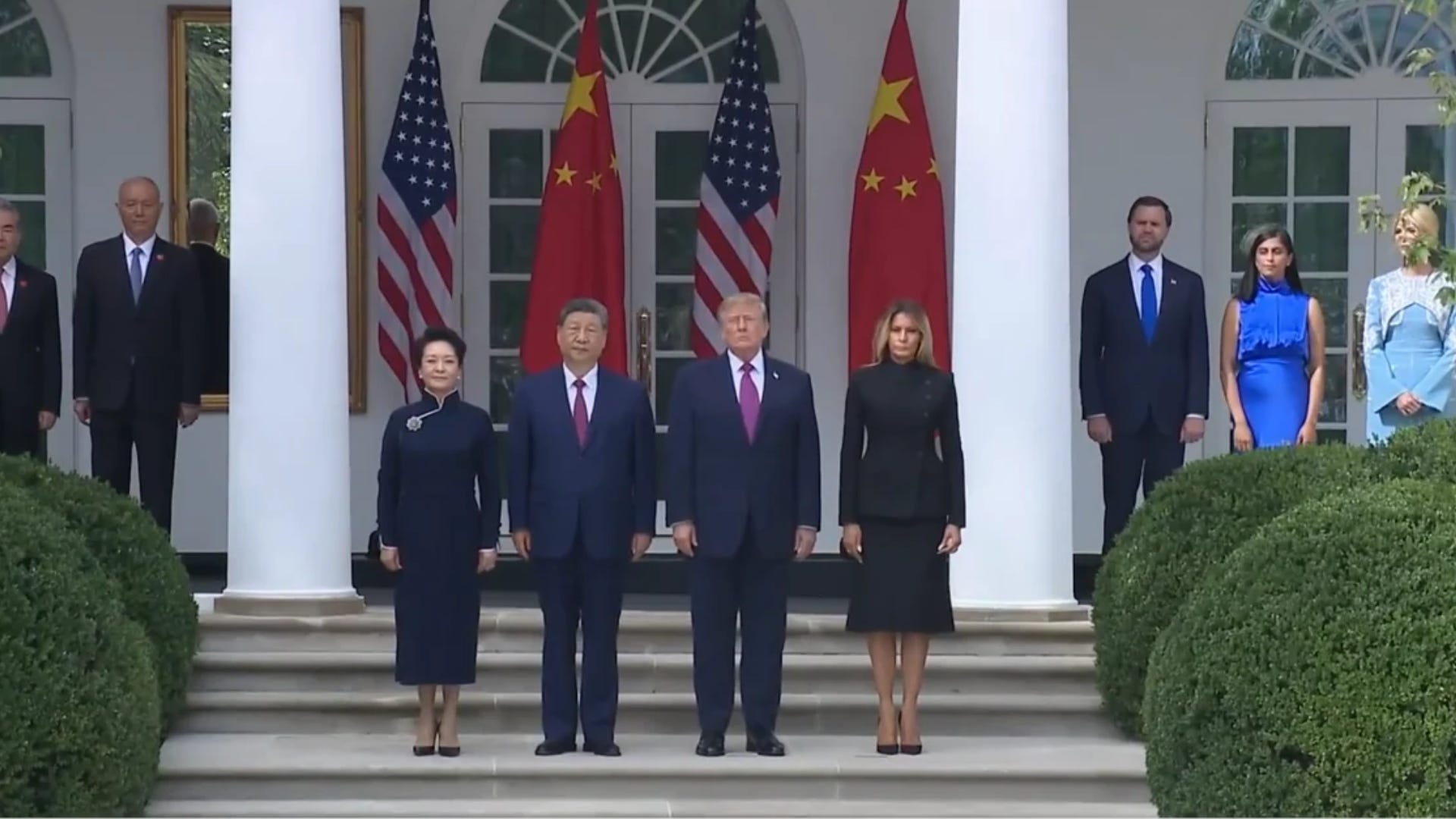
Xi Jinping’s plane touched down at Joint Base Andrews just before 6:00 PM EDT on Wednesday. Trump greeted him personally on the tarmac — the first time in over a decade an American president had done so at Andrews. Cannons fired a 21-gun salute. Two B-1B Lancer bombers flew overhead — the same aircraft used to strike targets across Iran in Operation Epic Fury. China has been providing satellite imagery to help Iran target those aircraft and their crews. Xi stood perfectly still as the bombers passed. Trump flinched. The Busan Agreement was extended to January 10 as Xi landed. Xi said China and the US should be partners, not rivals. The bombers flew over the South Lawn and the military band played. Read it here
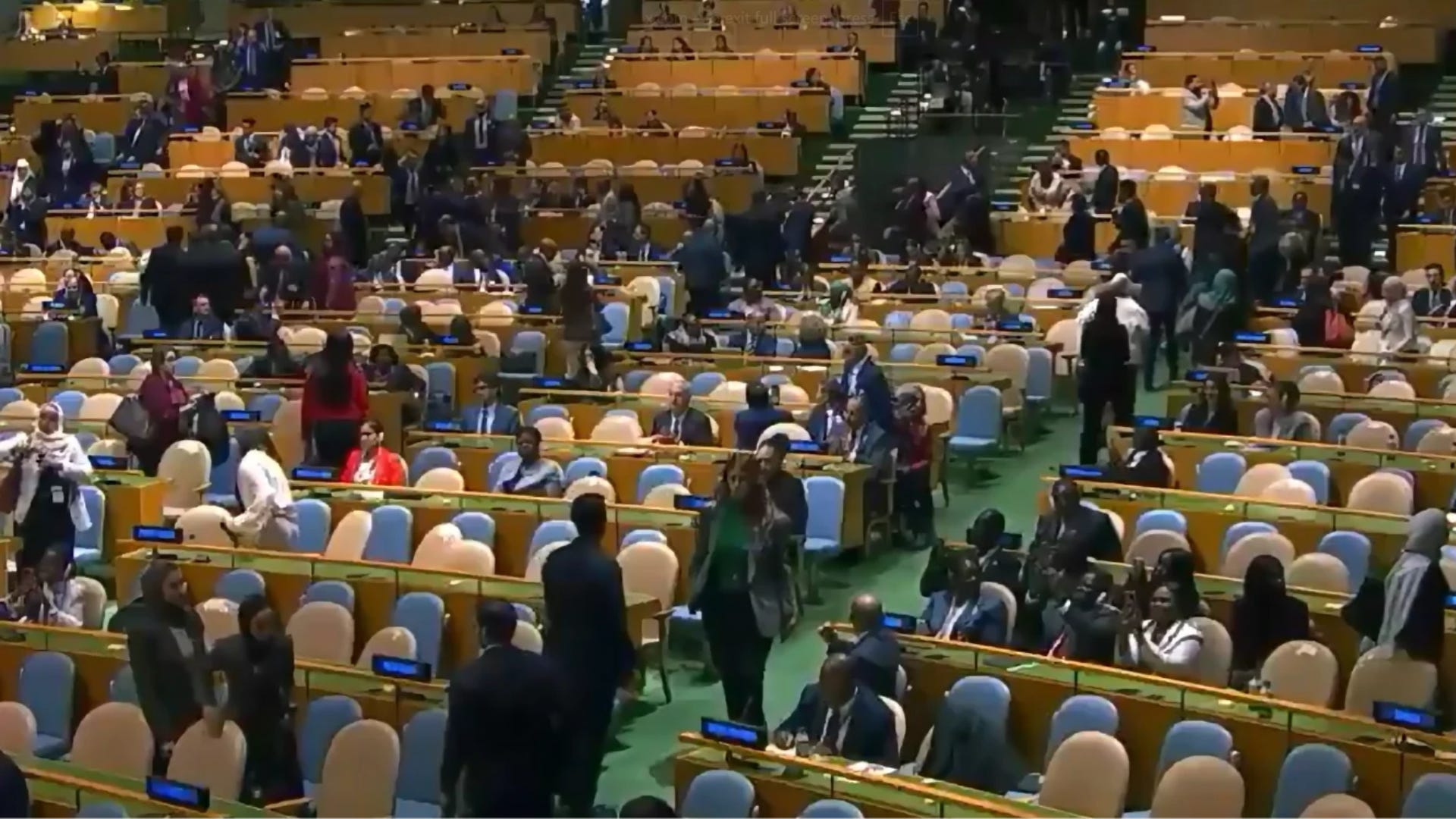
Delegates Walked Out. Netanyahu Said: ‘Good.’
More than 100 diplomats walked out as Netanyahu began his UNGA address on Thursday. Before he said another word: ‘If there are any other moral cowards who haven’t yet left this hall, please do so now.’ The hall was largely empty. Abbas had received a long round of applause when his pre-recorded address played the day before. The Senate voted 49-50 the same afternoon — four Republicans joined Democrats, one Democrat voted no, the resolution failed. Trump’s approval has fallen into the low 30s. The war entered its 210th day. Netanyahu was right that they left. He was wrong about why. Read it here
Analysis This Week
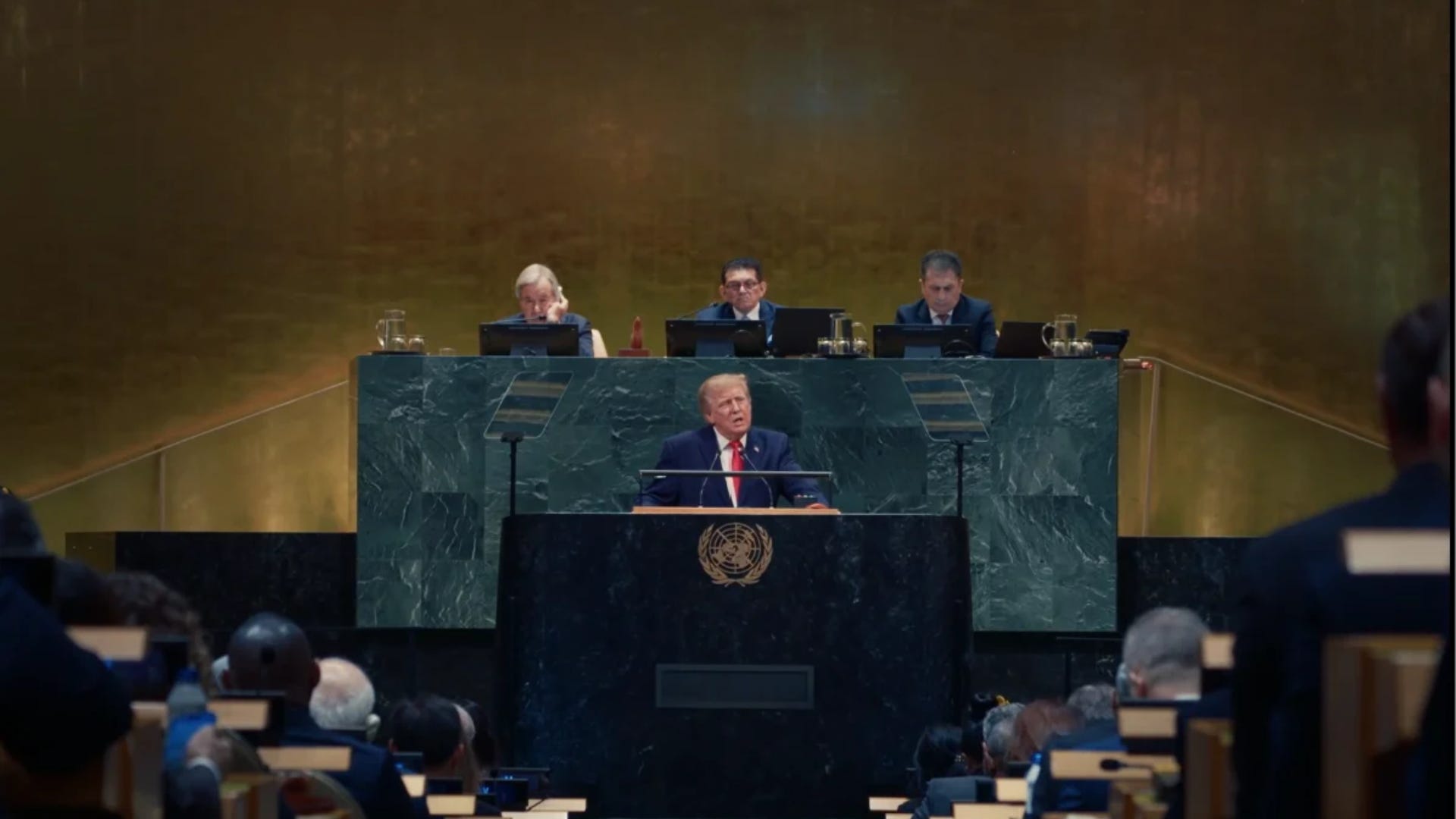
Do I Drive Them Into Hell
On the morning of September 22, Trump stood at the green marble dais of the United Nations General Assembly and asked the assembled representatives of 193 member states whether he should annihilate one of them. ‘Do I drive them into hell with no chance of survival and no hope of future greatness or generations?’ He then said a deal would come after the midterms because Iran is ‘waiting to see how I do in the midterm election.’ Article 2(4) of the UN Charter prohibits threats of force against member states. The US co-wrote Article 2(4). The Security Council cannot act because the US holds the veto. The chamber produced silence. The question is in the permanent record of the 81st General Assembly. The institution’s silence is also in the record. Read it here
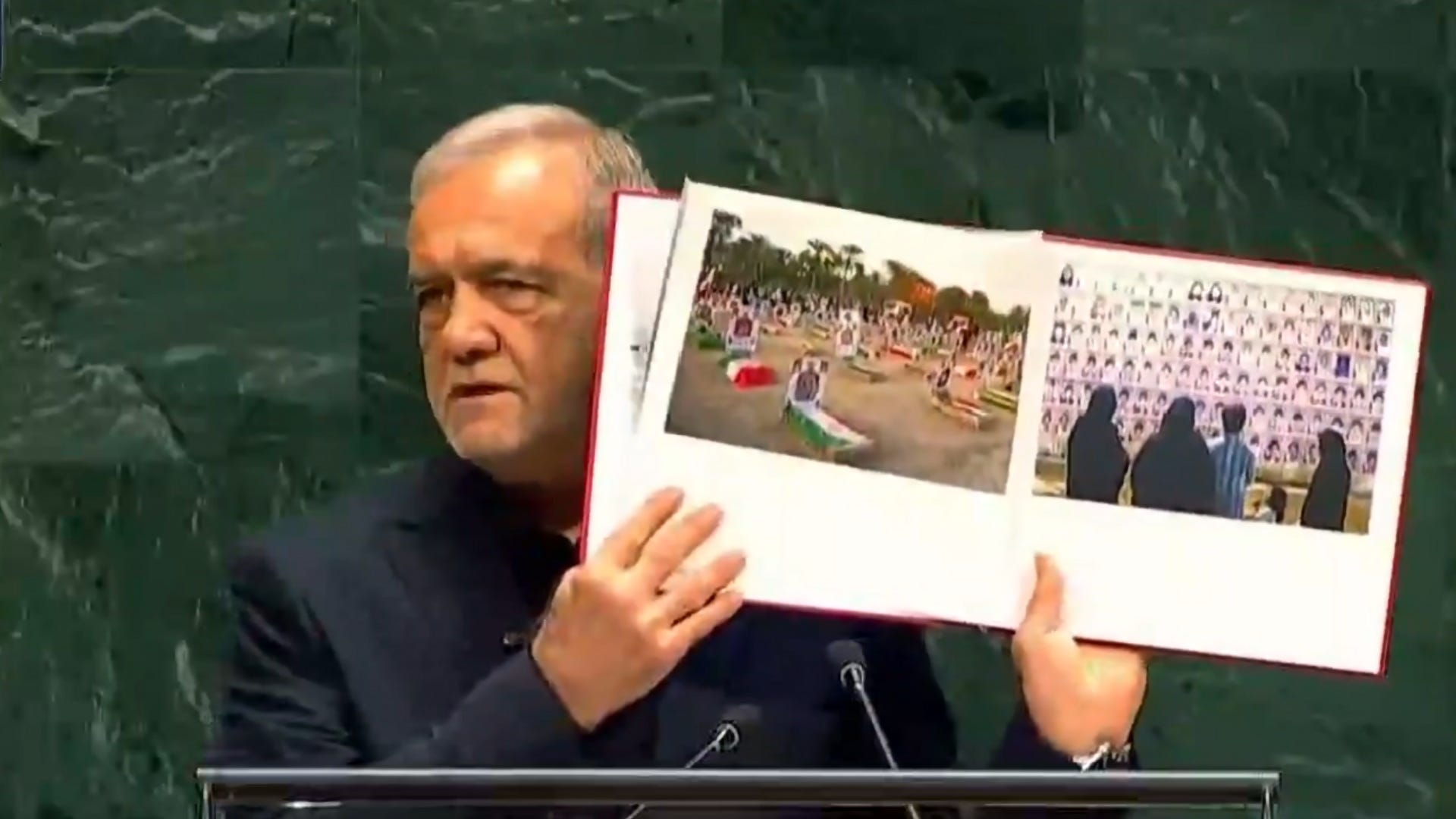
The Photograph
On September 23, Pezeshkian walked to the UNGA podium carrying photographs. One showed Khamenei, killed in the first hours of the war. Others showed more than 150 Iranian schoolchildren who died in the opening days. He held them before 193 delegations. He said nothing for a moment. Then: ‘Is this how the world’s most powerful country practises international law?’ The US delegation walked out. The ICC warrants for Netanyahu name him without producing his presence. The ICJ provisional measures ordered protection without changing it. The Security Council cannot act. Pezeshkian produced photographs. The photographs cannot compel either. But for the duration of his silence — the specific moment when he held the images and said nothing — the schoolchildren were present in the General Assembly. The institution cannot answer the question. The record of the question being asked, and the walkout that answered it, is more durable than the institution’s formal silence. Read it here
211 days. The institution built to prevent the threat of annihilation heard the threat of annihilation from its most powerful member and produced silence. The Iranian president answered with photographs of 150 children and the US delegation left. The Senate voted 49-50. The bombers that have been bombing Iran flew over the arrival of the leader whose country has been helping Iran respond. Abbas spoke from a screen to a chamber he cannot enter. Xi stood perfectly still. Trump flinched. The world came to New York. The world does not appear to have resolved anything while it was there.
Read. Think. React. No neutrality. No noise. Just argument. Until next Saturday.
Sunny Peter
Editor, DiploPolis.com