


Six months and one week of this war. The week did not produce a breakthrough. It produced what the previous weeks have produced: the ordinary arithmetic of a conflict that has no conclusion in sight and a world that cannot look at everything at once. Here is the week.
The Ledger This Week
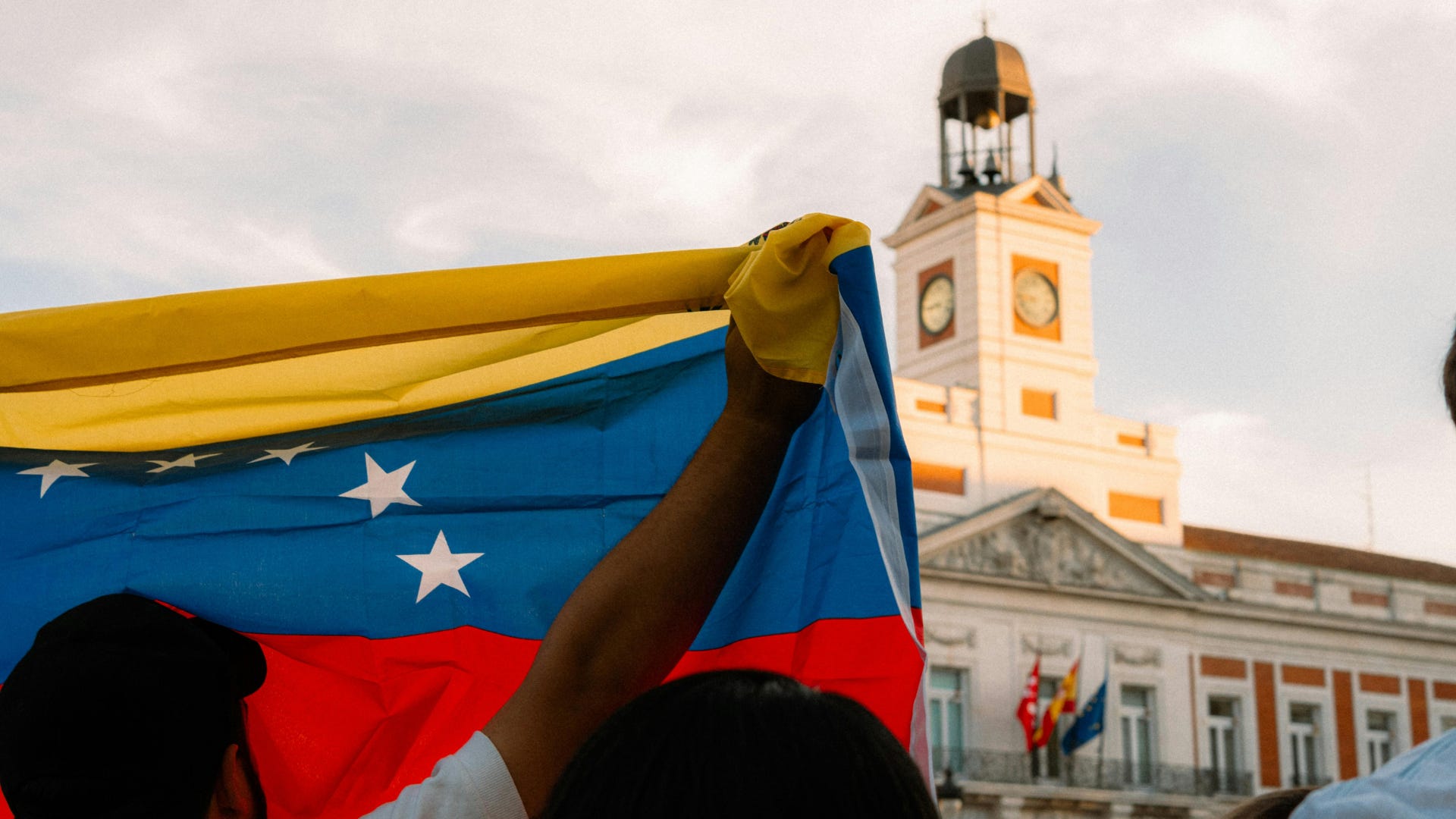
“THE BIGGEST OIL DEAL IN WORLD HISTORY.” The Country the US Captured.
Trump posted on Truth Social in full capitals. The United States had entered an agreement with Venezuela securing majority US control of more than 65 billion barrels of proven oil reserves. Negotiated with Delcy Rodríguez — Venezuela’s acting president, installed after the US captured and transferred President Maduro to American custody in January. The Venezuelan people did not vote for this arrangement. They did not vote for the capture. They did not vote for the interim administration signing oil agreements on their behalf. The announcement was immediate. The oil is not. Read it here
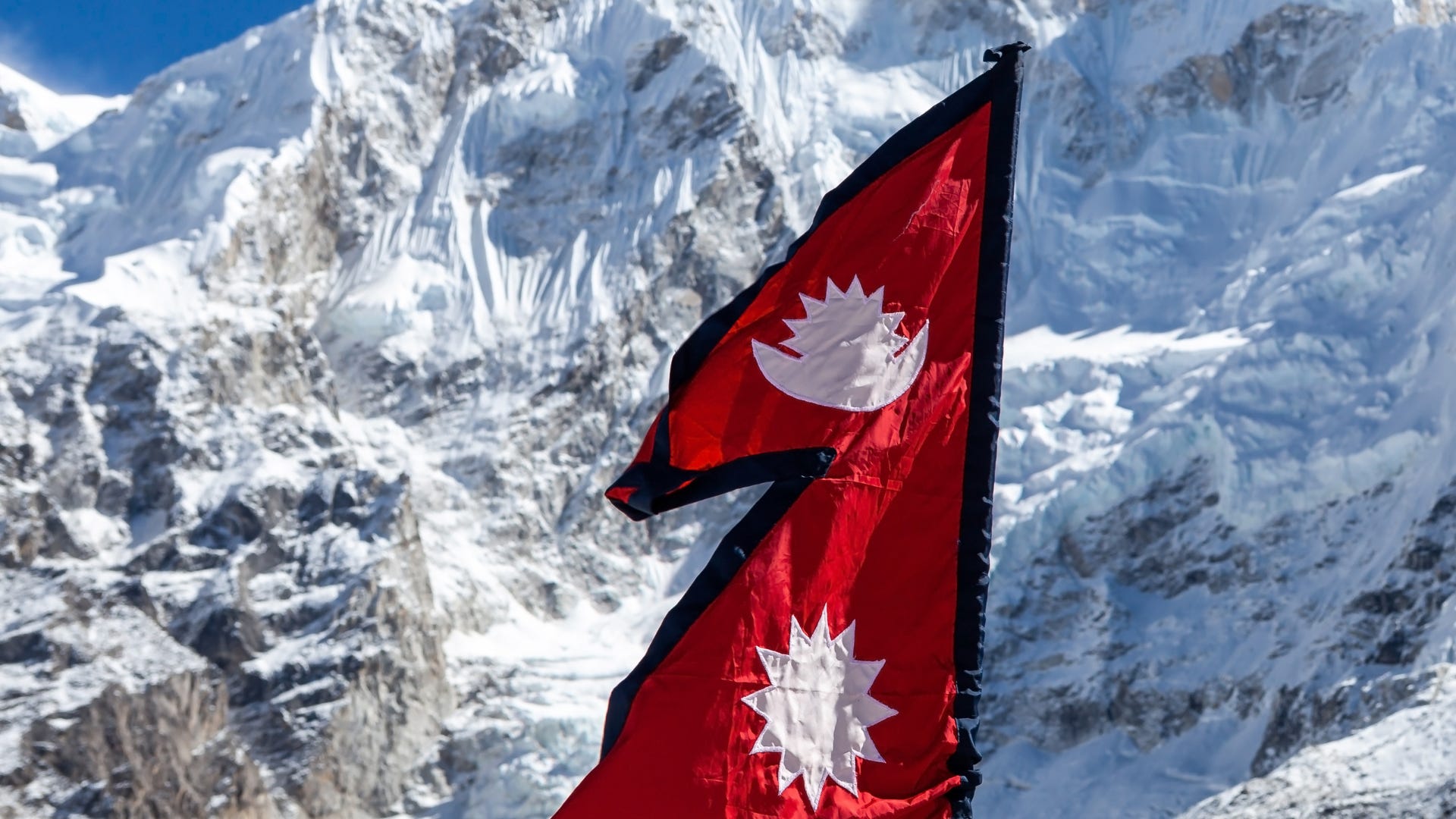
First They Have to Find the Plants
Arnold Dix is a geologist advising rescue teams in Nepal’s Trishuli valley. 933 workers are missing across 11 major hydropower projects buried by a glacial collapse. Dix described it to CNN: “Normally, they collapse and I’m trying to get people out. This time, they haven’t collapsed, but everything around them has, and I’m trying to get in.” Rescuers drilled into the mountain. They called out. They received no response. They are calling out into the dark. They have not heard back. Read it here
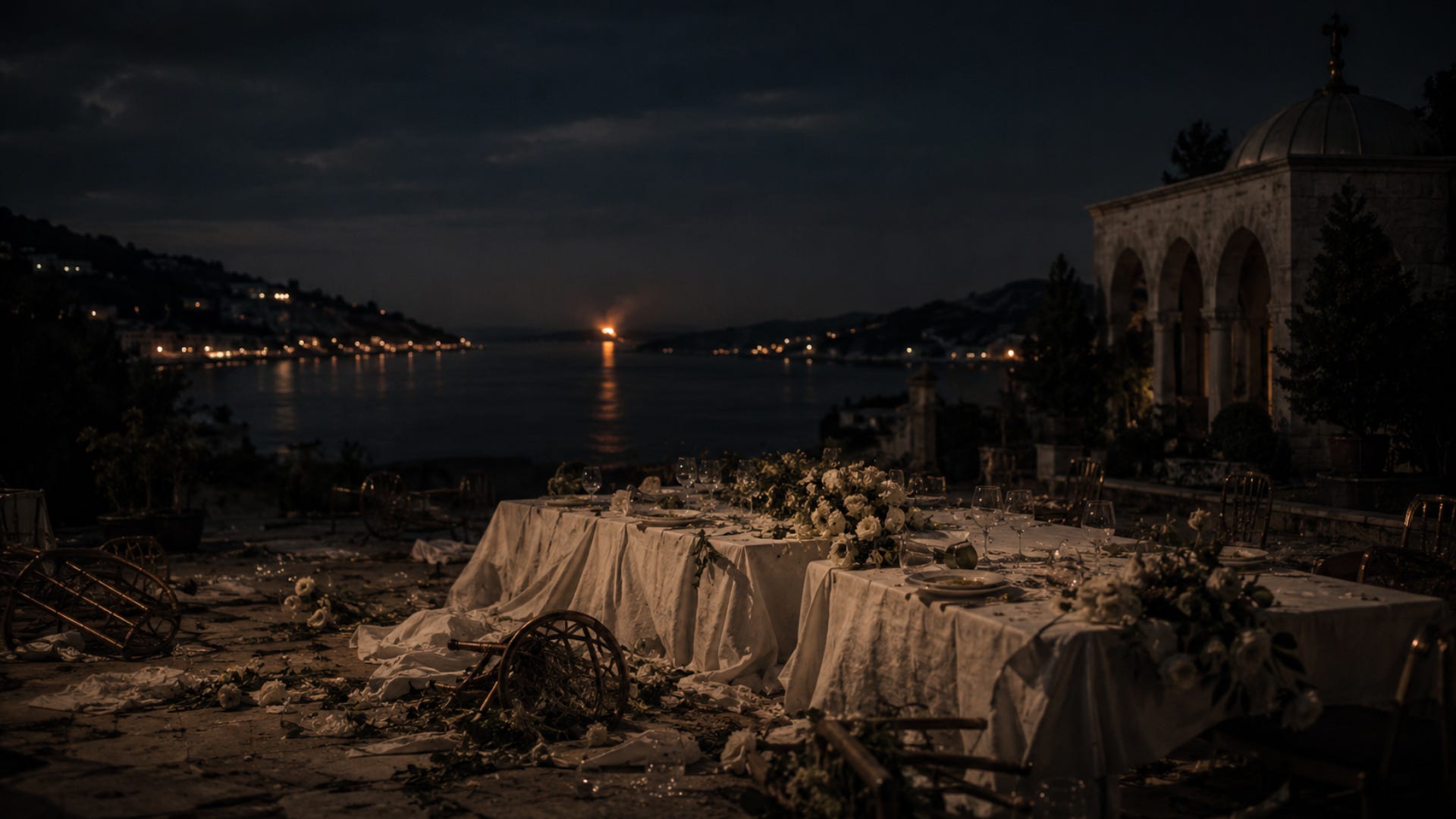
The Wedding Was in Sirik
A US military strike on September 1 killed four people at a wedding ceremony in Sirik, a coastal town on the Strait of Hormuz. Amir-Ali Karimi was four years old. Mohammad Mollahi was sixteen. Sixty-seven others were wounded. The war resumed after the MOU’s collapse with a new policy: tanker for tanker. The wedding in Sirik was not a target category under the laws of armed conflict. Amir-Ali Karimi was four years old. Read it here
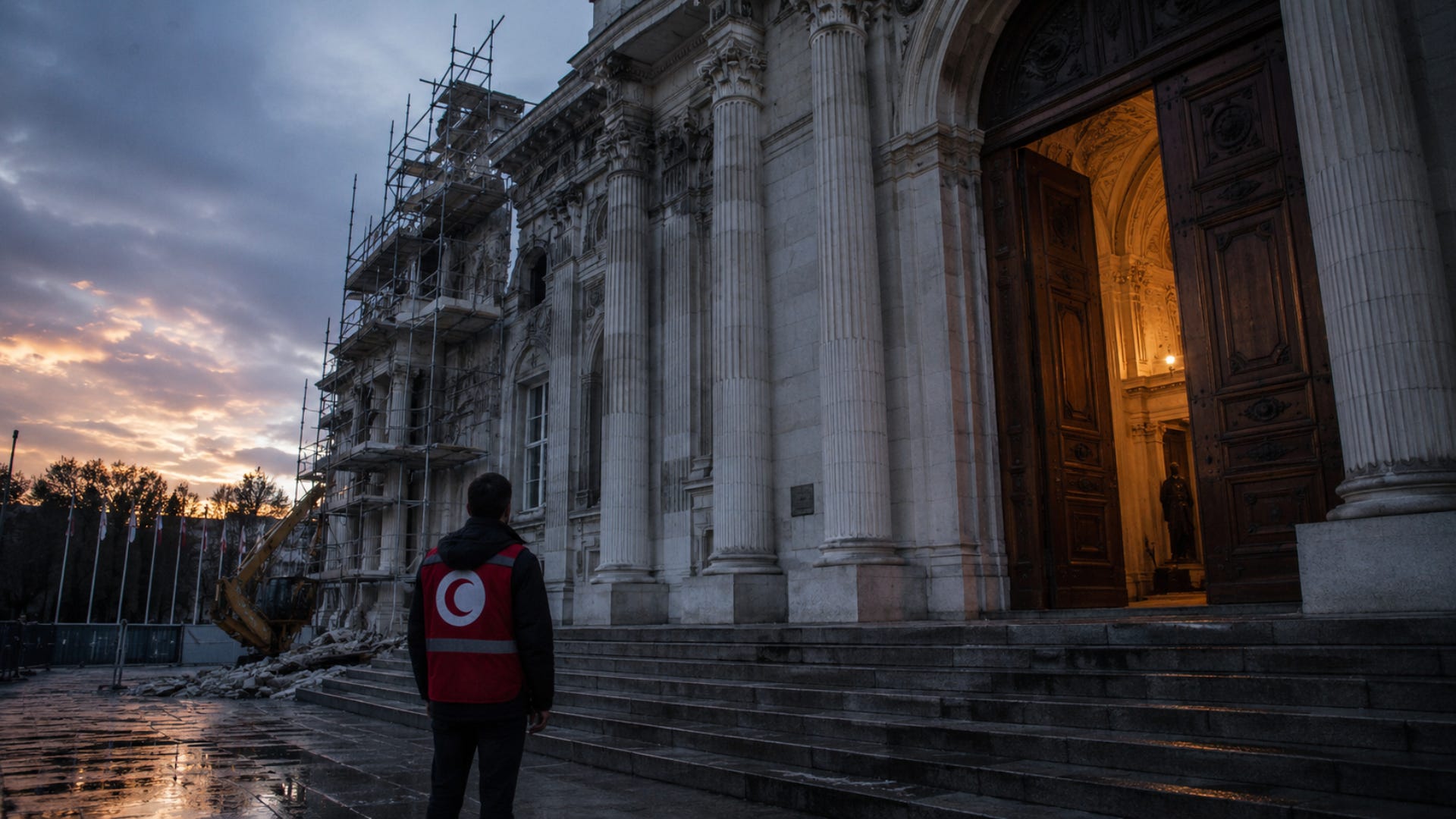
Iran Asked the ICC. The ICC Is Being Dismantled.
Iran’s Red Crescent asked the ICC to investigate the Sirik strike as a war crime on Wednesday. On the same day, Rubio extended sanctions against ICC staff. Neither the US nor Iran is a party to the Rome Statute, meaning the court has no automatic jurisdiction over either nation. The Red Crescent went to what remains of it anyway. On the same Wednesday, Israel’s Defence Minister asked Trump for support to permanently expel Palestinians from Gaza. The Board of Peace official had warned the previous week that the alternative to the US plan was the next war. The answer was a request to remove the population. Read it here
Xi Went to Egypt. The US Was in Iran.
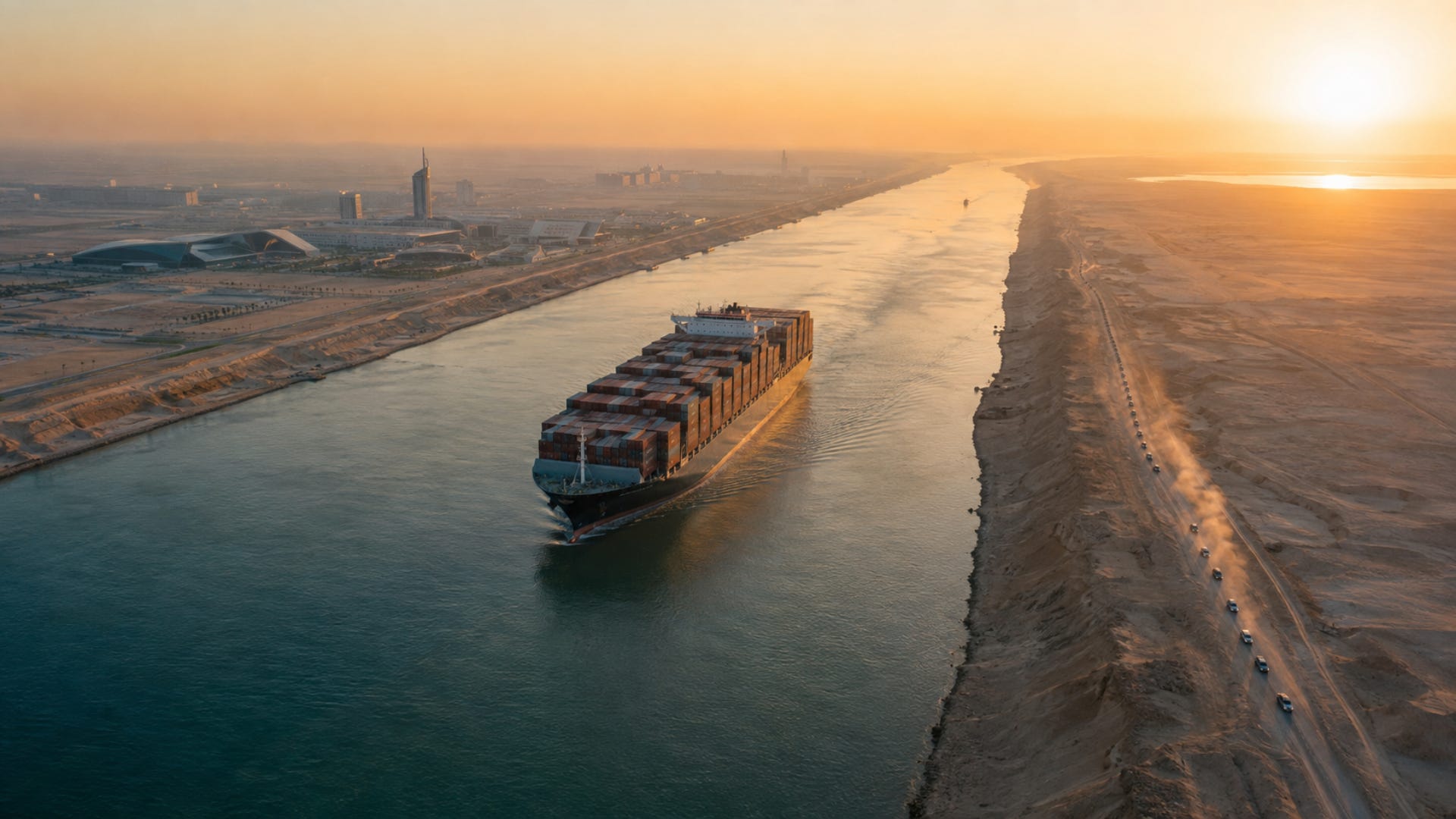
Xi Jinping visited Cairo for the first time in a decade. NPR’s summary was fourteen words: it illustrates China’s growing ambitions at a time when US influence has been weakened by its war in Iran. China is Egypt’s largest trading partner. Chinese companies are major investors in the Suez Canal Economic Zone. Xi came to Cairo. The US Secretary of State did not. One is bombing. The other is visiting. The influence gap is not primarily military. It is relational. Read it here
Analysis This Week
What the MOU Produced
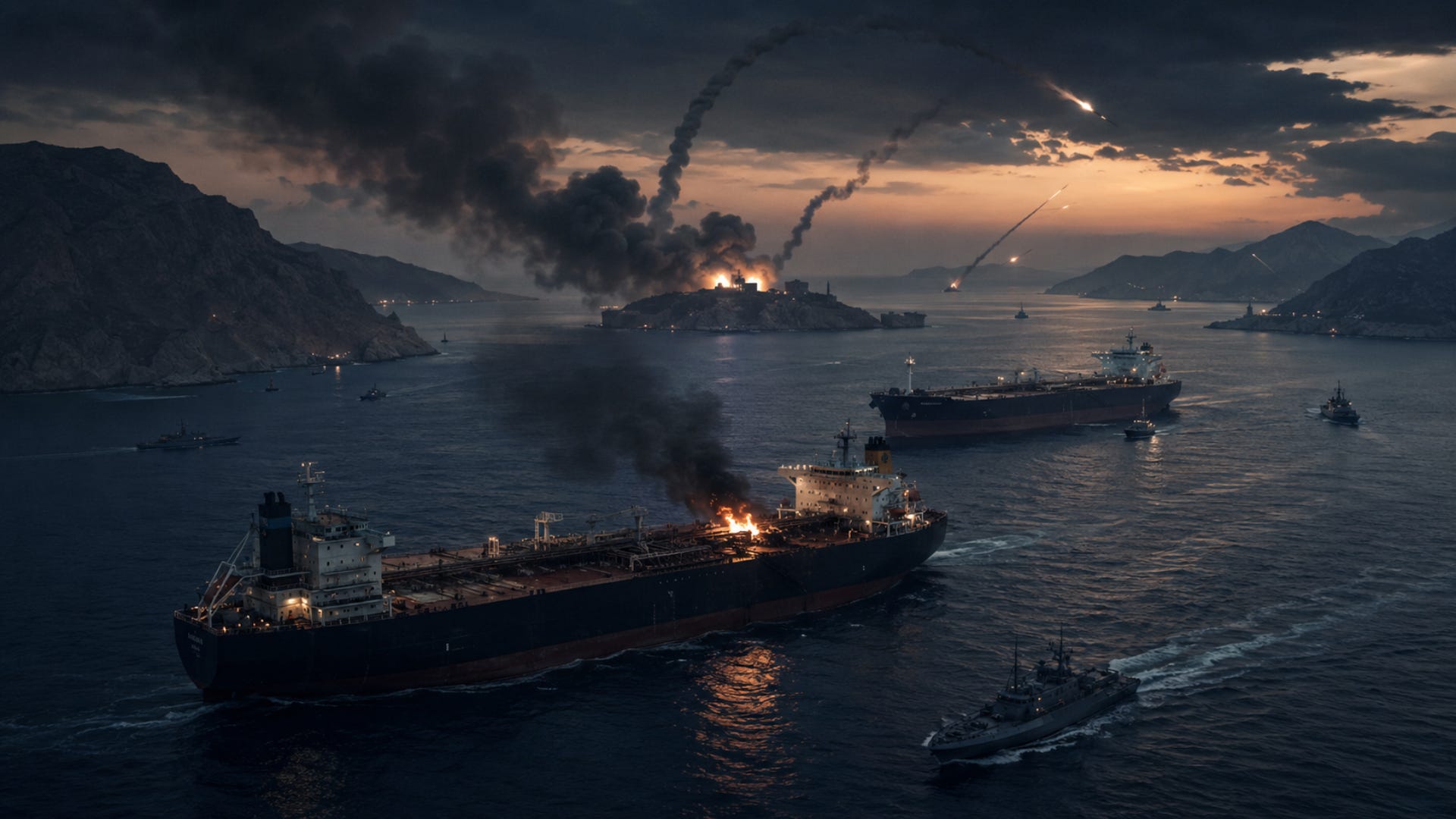
The Islamabad Memorandum lasted 75 days. Iran spent them restructuring the IRGC, accelerating weapons production and appointing hardliners to its supreme security council. The war resumed on August 30 at a higher escalation level than the one at which it paused — with one new policy that did not exist before: tanker for tanker. CENTCOM struck two Iranian government tankers directly. That precedent will govern the next negotiation as a baseline that did not exist before Versailles. The Ceasefire That Wasn’t has become the War That Resumed. Read it here
The 200,000
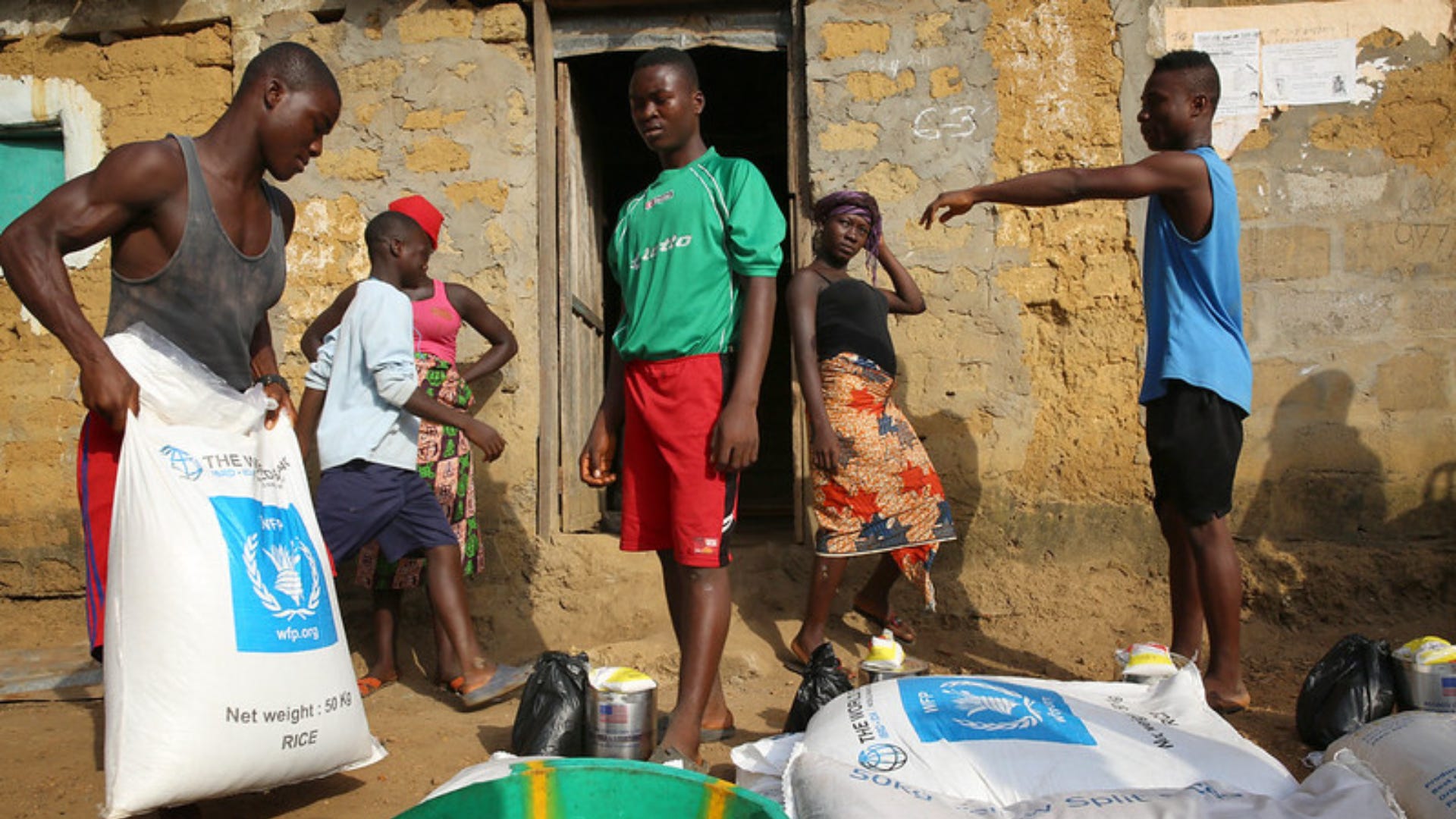
On September 2, the WFP halved food assistance in the West Bank. 200,000 people lost access to a cash transfer of approximately 50 shekels per month — less than $20. Not because Israel blocked the food. Because the money ran out. The money ran out because the US led donor governments in cutting it. The WFP needs $386 million over six months to serve two million food-insecure people in Gaza and the West Bank. That sum is less than two days of US military operations at the Iran war’s peak. It was not allocated. The hand that tightened the situation and the hand that withdrew the lifeline belong to the same governments. A decision, with 200,000 faces. Read it here
Book Review This Week
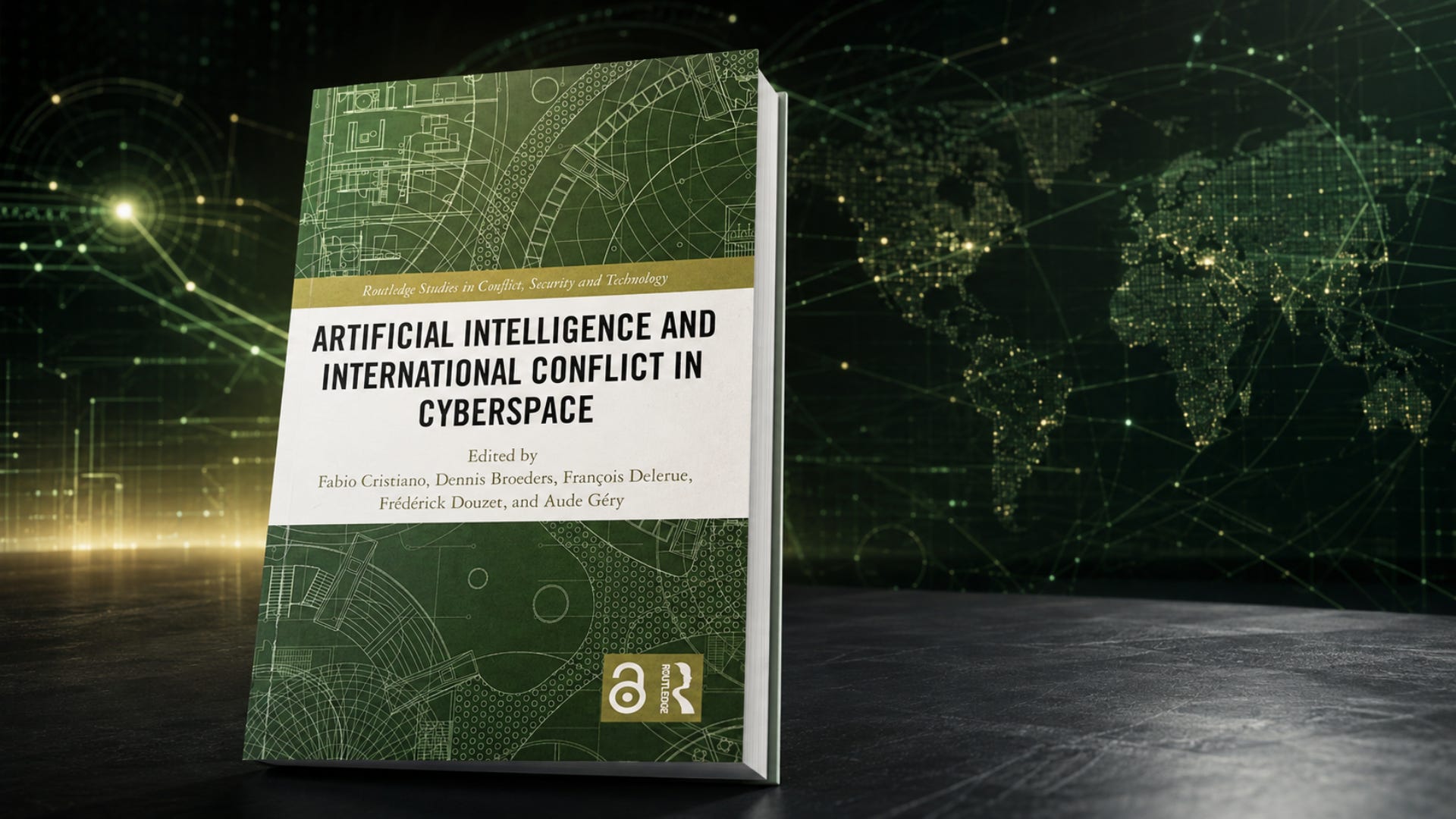
Truth as a Casualty — AI and International Conflict in Cyberspace reviewed
The most dangerous thing AI does in cyberspace is not the fastest. It is making truth slower than the attack it is trying to explain. Cristiano, Broeders, Delerue, Douzet and Géry’s edited volume is the most rigorous account of what is at stake when automation enters international cyber conflict. The review finds the attribution paradox at its centre: AI improves detection and enables synthetic false flags simultaneously. The legal crisis sits beneath the technical one. The final piece in the DiploPolis Books and Ideas series closes where the series began — with the question of who gets to know what happened. Read it here
The Dossier This Week
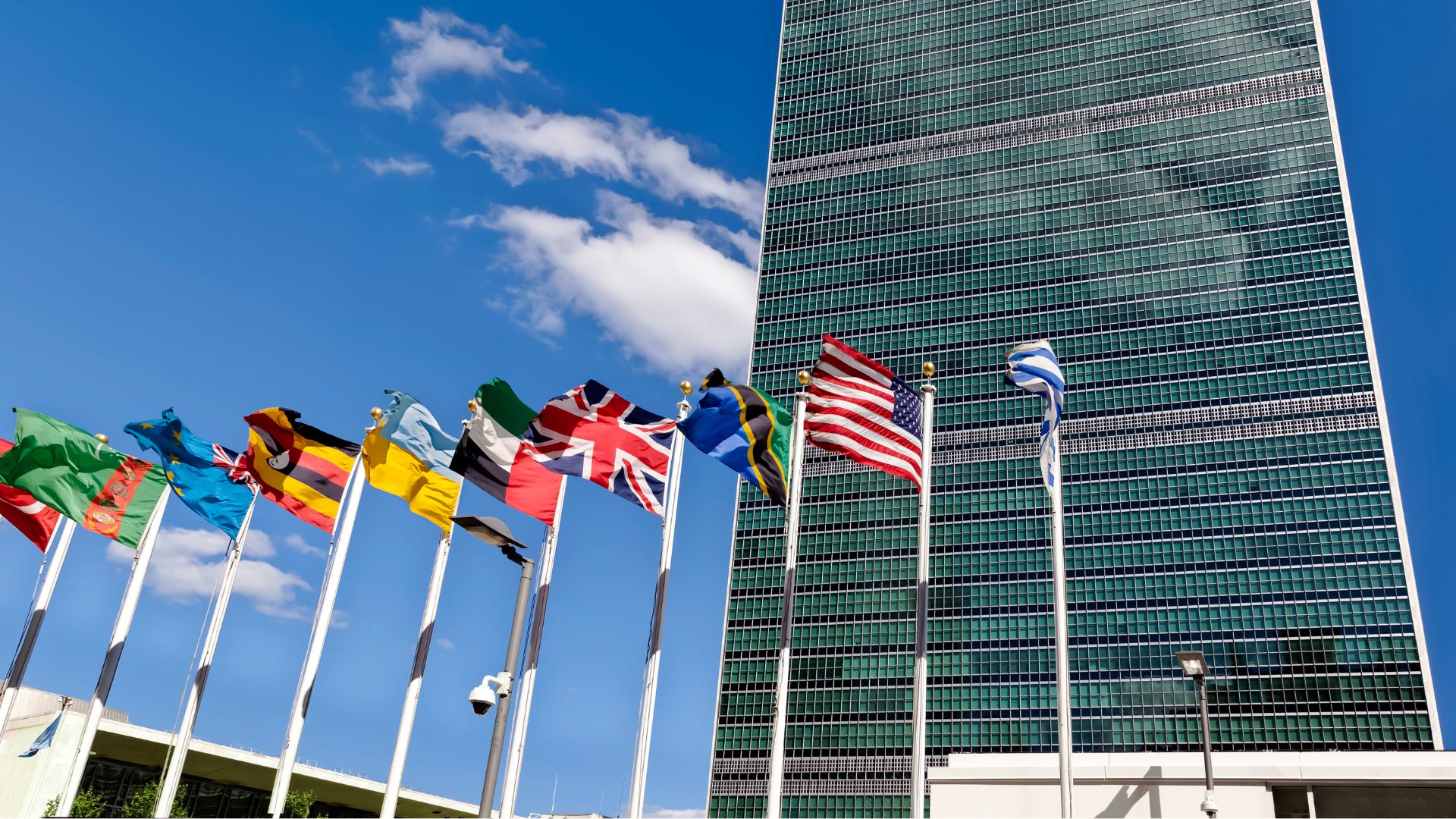
How the UN Actually Hires: What the Official Process Won’t Tell You
The UN does not hire the way it says it hires. The official process describes a meritocratic global competition. The actual process rewards patience, insider knowledge, roster membership and a specific understanding of how the system works that no official document explains. This guide covers Inspira screening, the YPP age cutoff and eligibility, the Italian JPO exception for developing country nationals, how the roster system works and why the consultant pathway is the most accessible first step. The timeline the system requires is always longer than any official document will tell you. Read it here
Six months and one week. The biggest oil deal in world history with a country the US captured. A four-year-old killed at a wedding on the Strait of Hormuz. 200,000 people losing food assistance because the governments that have the money did not give it. Xi in Cairo. The ICC being dismantled while Iran’s Red Crescent asks it to investigate. The world did not disappoint — unfortunately.
Read. Think. React. No neutrality. No noise. Just argument. Until next Saturday.
Sunny Peter
Editor, DiploPolis.com